How to Remove Old Paint: Easy DIY Techniques
Removing old paint can seem challenging. But with the right steps, it becomes easier.
Old paint can make surfaces look worn out. Over time, it can chip, peel, and fade. Removing this paint is essential for any renovation project. It can reveal the beauty of the material underneath or prepare the surface for a fresh coat.
This process not only improves aesthetics but also ensures better adhesion of new paint. Whether you are working on walls, furniture, or outdoor surfaces, knowing how to remove old paint correctly is crucial. In this guide, we’ll walk you through effective methods to strip away the old paint and prepare your surface for a brand new look. Let’s dive into the steps needed for a successful paint removal.
Preparation
First, collect all needed items. You will need paint remover, scrapers, brushes, and sandpaper. Get gloves, goggles, and a mask for safety. A drop cloth will protect floors.
Cover furniture with plastic sheets. Use painter’s tape to shield edges and trim. Move anything that can be moved away from the area. This keeps it safe from paint remover.
Open windows for fresh air. Use a fan to keep air moving. This helps remove fumes from paint remover. Safe air is important while you work.
Safety First
Removing old paint requires careful attention to safety. Wear protective gear, including gloves and masks, to avoid harmful exposure. Proper ventilation is essential to prevent inhaling fumes.
Wear Protective Gear
Old paint may contain harmful chemicals. Always wear protective gear. Use a mask to avoid inhaling dust. Wear gloves to protect your skin. Safety glasses protect your eyes. A long-sleeved shirt and pants cover your body. Safety first, always.
Handle Chemicals Safely
Paint removers have strong chemicals. Read the labels carefully. Work in a well-ventilated area. Open windows and use fans. Never mix different chemicals. Store chemicals away from children and pets. Clean spills immediately. Wash your hands after handling chemicals. Safety is key.
Scraping Techniques
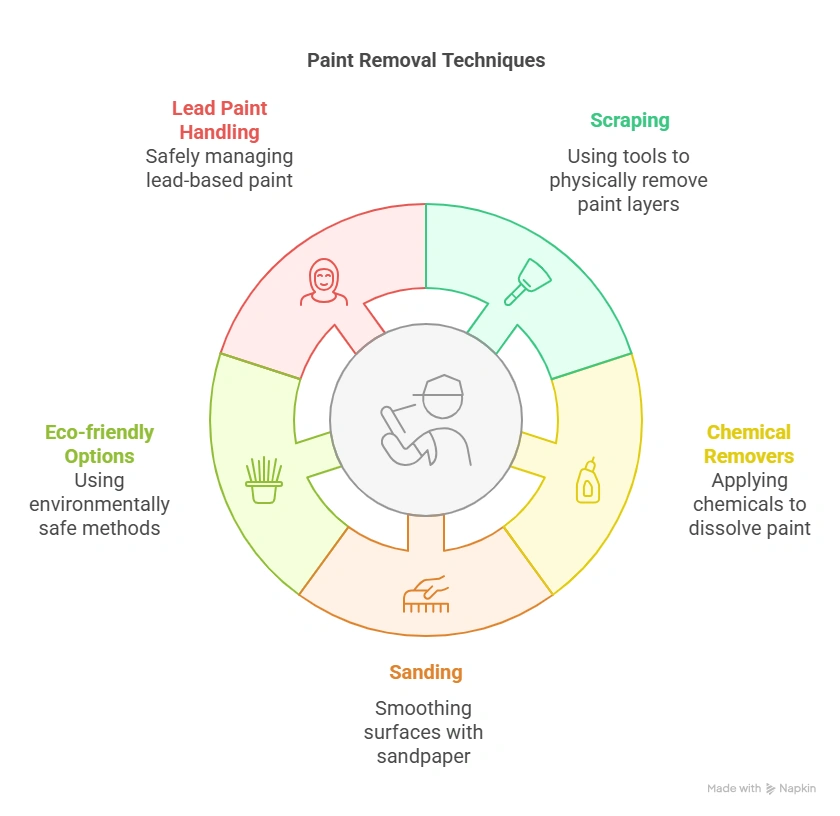
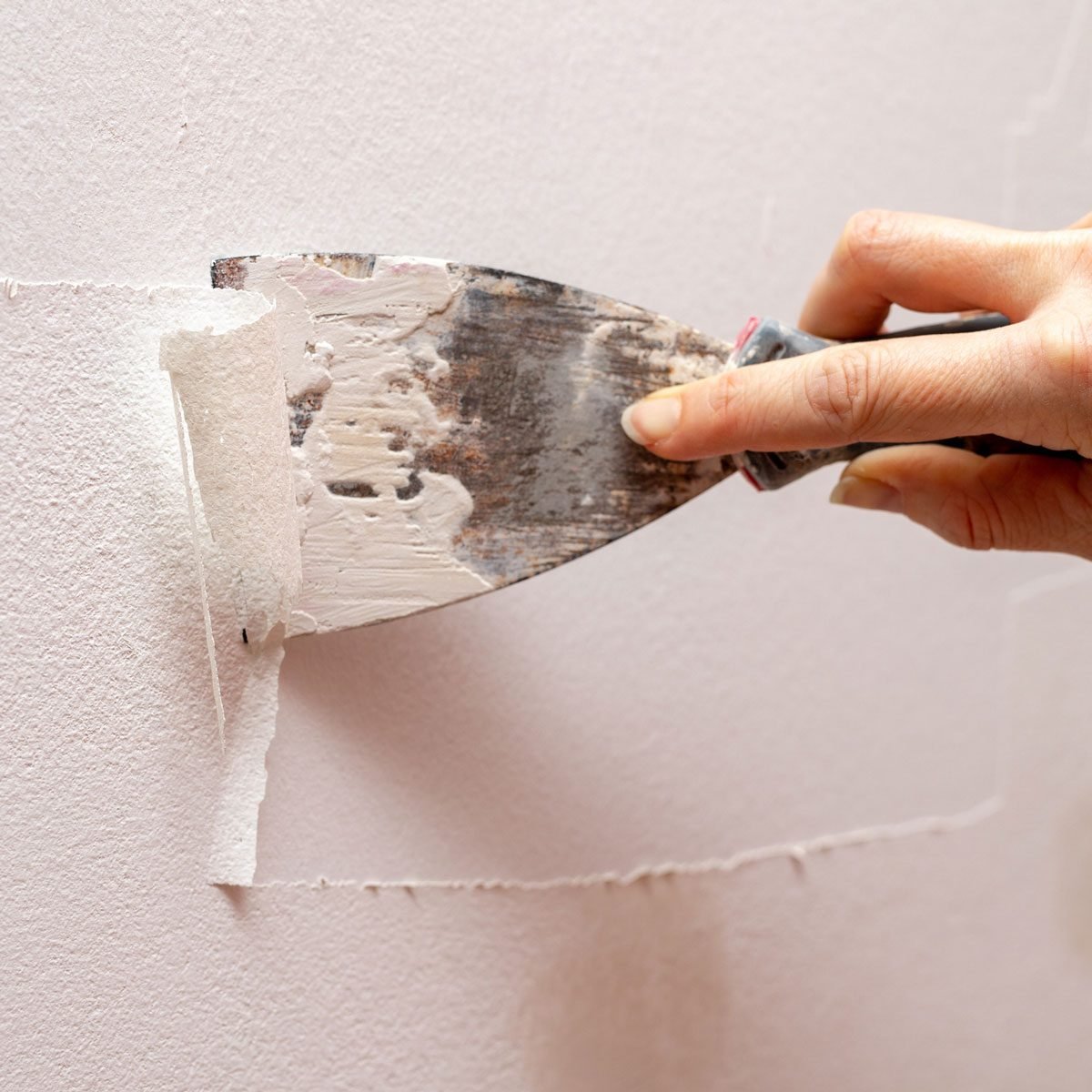
Manual scraping is a simple way to remove old paint. Use a putty knife or a paint scraper. Gently push the tool under the paint to lift it. Be careful not to damage the surface. This method is great for small areas. It might take more time, but it’s effective. Wear protective gloves to avoid injuries. Also, use a dust mask to prevent inhaling paint dust.
A heat gun can make paint removal easier. Hold the gun a few inches from the surface. Move it slowly to heat the paint. The paint will start to bubble. Scrape the bubbling paint with a putty knife. Work in small sections. Avoid overheating as it can damage the surface. Always wear protective gear to stay safe. Use this method for larger areas.
Chemical Paint Removers
Chemical paint removers make it easy to strip old paint from surfaces. Apply the remover, wait, then scrape off the softened paint. Ideal for restoring furniture or prepping walls.
Types Of Removers
There are many chemical paint removers. Some are strong and fast. Others are gentle and slow. Solvent-based removers work quickly. They dissolve paint. Caustic removers break the bond between paint and surface. They are harsh but effective. Bio-based removers are safer for the environment. They work slower but are less toxic.
Application Tips
Wear gloves and goggles. Protect your skin and eyes. Apply the remover with a brush. Spread it evenly. Wait for the paint to bubble. Scrape off the paint with a scraper. Use water to wash off any residue. Dry the surface completely.
Sanding Methods
Pick sandpaper with the right grit. For rough surfaces, use coarse grit. For smooth surfaces, use fine grit. Medium grit is good for general sanding. Always sand in the direction of the wood grain. This prevents scratches and damage.
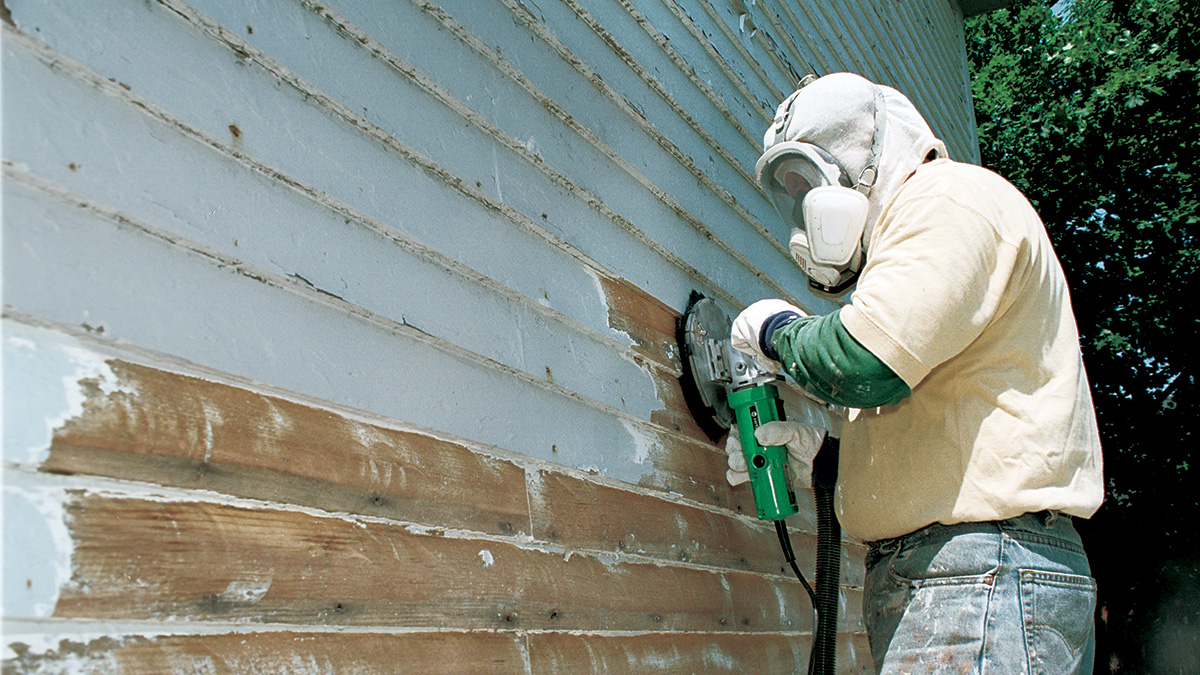
Power sanders make the job easier. They save time and effort. Use a belt sander for large areas. Use a detail sander for tight spots. Always wear safety gear. Goggles and masks protect your eyes and lungs. Hold the sander firmly. Move it slowly and evenly.
Credit: www.familyhandyman.com
Eco-friendly Options
Natural paint strippers are safe for the environment. They use plant-based ingredients. They do not release harmful fumes. These strippers work well on old paint. They are biodegradable. This means they break down naturally. You can use them indoors and outdoors. They are gentle on surfaces. They help keep your home free from toxins.
Reduce waste by using reusable tools. Use cloths instead of paper towels. Store unused paint in airtight containers. Donate leftover paint to community projects. Try to buy only what you need. This helps reduce waste and saves money. Dispose of paint properly. Take it to a recycling center. Always follow local guidelines for disposal.
Dealing With Lead Paint
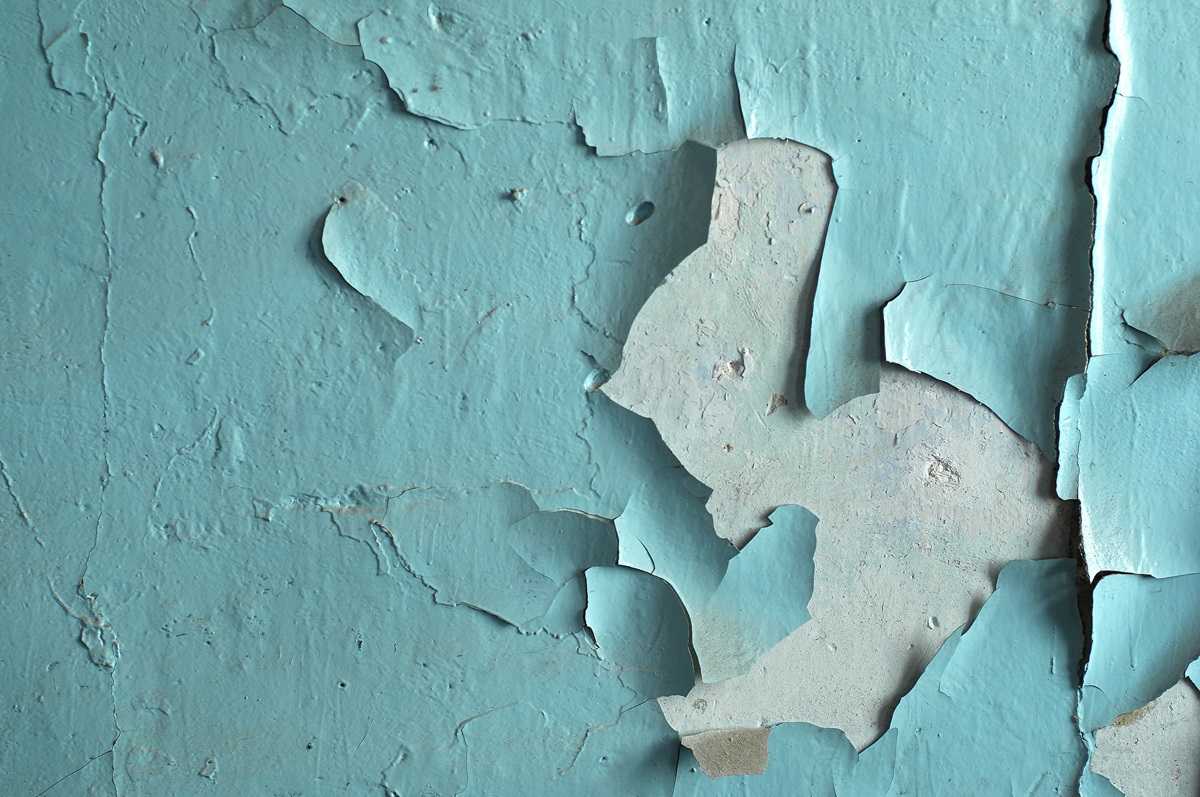
Lead paint can be dangerous. You need to test it first. Use a lead test kit. These kits are easy to find. Follow the instructions on the kit. Rub the test swab on the paint. If the color changes, it has lead. It’s important to test every room. Lead paint can be anywhere. Be thorough. Safety matters.
Removing lead paint needs care. Wear protective gear. Use gloves, masks, and goggles. Keep children away. Wet the paint before scraping. This reduces dust. Use a HEPA vacuum for cleanup. Dispose of paint chips safely. Put them in a sealed bag. Don’t use a regular vacuum. It spreads lead dust. Always wash hands after. Safety first.
Credit: www.prioritycoatings.com.au
Final Cleanup
Proper disposal of paint waste is very important. Old paint should not go in the regular trash. Check local guidelines for disposal. Many places have special drop-off points. Never pour old paint down the drain. This can harm the water system.
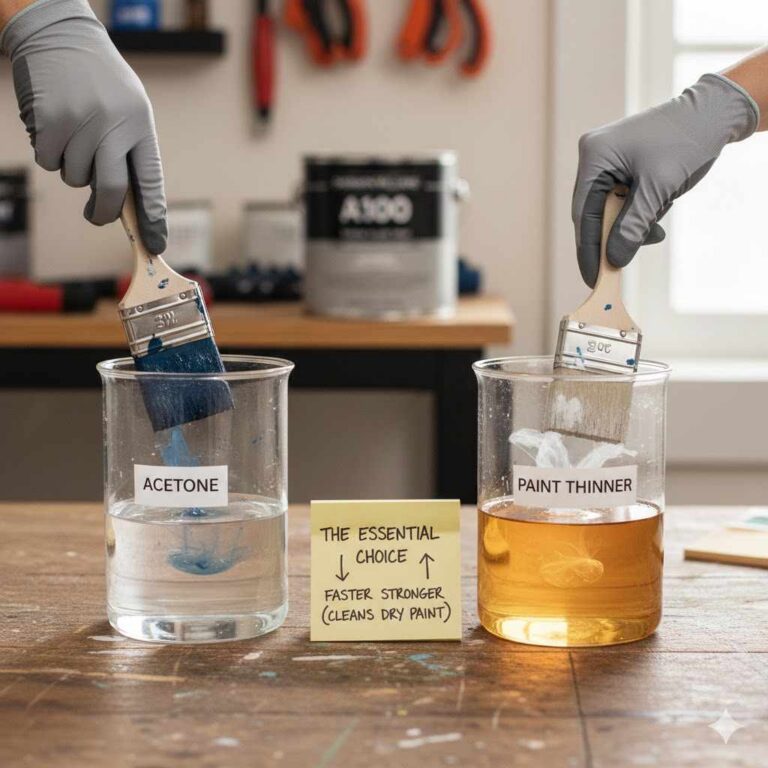
Clean your tools right after use. Use warm soapy water for most tools. For oil-based paints, use paint thinner. Wipe down the work area. Collect all paint chips and debris.
Dispose of these properly. Sweep the floor to pick up any small pieces. Ensure the area is safe and clean. This helps to avoid accidents and keeps your space tidy.
Credit: www.finehomebuilding.com
Frequently Asked Questions
How To Remove Old Paint From Walls Quickly?
Use a paint scraper to remove old paint. Apply paint stripper for stubborn areas. Use a heat gun for faster results.
Will Goo Be Gone Remove Paint?
Goo Gone can remove paint if not used carefully. Test on a small area first to avoid damage.
Can Dried Paint Be Removed?
Yes, dried paint can be removed. Use a paint remover or solvent. Scrape gently with a putty knife. For fabric, use rubbing alcohol or a stain remover.
What Is The Best Solvent To Remove Old Paint?
The best solvent to remove old paint is a paint stripper or remover containing methylene chloride or N-Methyl-2-pyrrolidone (NMP). These solvents effectively dissolve paint layers. Always follow safety guidelines when using them.
Conclusion
Removing old paint can be simple with the right steps. Always prioritize safety. Choose the best method for your project. Sanding, scraping, and using paint strippers are effective. Each method has its unique benefits. Work steadily and avoid rushing. Proper preparation ensures better results.
Take care of your tools and workspace. With patience, you can achieve a smooth finish. Your efforts will pay off with a beautiful, fresh surface. Happy painting!