Can You Thin Dixie Belle Chalk Paint With Mineral Spirits?
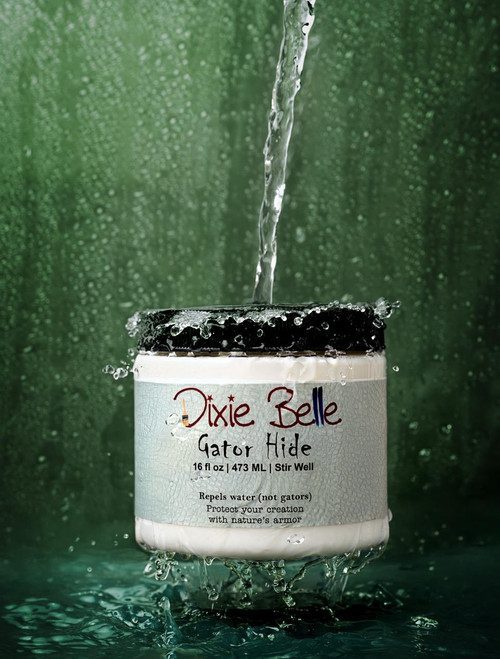
Mineral spirits will not thin Dixie Belle Chalk Paint the way water does — Dixie Belle’s own instructions call for water (or Floetrol at 8 oz paint to 2 oz thinner for spray guns), because their chalk mineral paint is water-based and mineral spirits is an oil-based solvent. Using mineral spirits instead can cause the paint to separate, curdle, or lose adhesion. This guide covers the correct thinning ratios, what mineral spirits is actually good for on this paint (brush cleanup), and how to fix paint you’ve already over-thinned.
Quick Answer
No — don’t use mineral spirits to thin Dixie Belle Chalk Paint. It’s a water-based mineral paint, and mineral spirits is formulated for oil-based paints and stains. Thin it with water instead: a few teaspoons per cup of paint for brushing, or 8 oz paint to 2 oz distilled water/Floetrol for spraying. Save mineral spirits for wiping dried paint off brushes and tools.
What Mineral Spirits Actually Does to Paint
Best Mineral Spirits Pick
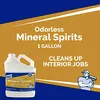
KLEAN-STRIP Odorless Mineral Spirits, 1-Gallon
Keep this on hand for cleaning brushes and tools after oil-based projects — not for thinning your Dixie Belle chalk paint.
- Best for: Cleaning brushes used with oil-based stains, varnish, or old furniture finishes
- Why we picked it: Odorless formula is safer for garage/indoor use than standard mineral spirits
- Main drawback: Still needs good ventilation and proper hazardous-waste disposal
Compare more chalk paint thinning and prep supplies
 Option 1 Flood Floetrol Paint Conditioner
|
 Option 2 Bates Chalk & Wax Paint Brush Set
|
 Option 3 Bates 9″ Paint Tray & Liner Set
|
As an Amazon Associate we earn from qualifying purchases.
Mineral spirits is a petroleum-based solvent that thins oil-based paints, stains, and varnishes by dissolving their oil binder. It’s less smelly and less flammable than turpentine or lacquer thinner, which is why painters keep a can around for cleanup. But that same oil-dissolving chemistry is the problem when you point it at a water-based paint — mineral spirits doesn’t blend into water-based binders, it just sits on top or breaks them apart.
Dixie Belle Chalk Paint is a water-based mineral paint — no oil, no wax base, no lacquer. Its binder is designed to disperse in water, so water is the only liquid that thins it without disrupting the formula. This is the same reason latex wall paint is thinned with water and not turpentine — the two solvent families don’t mix with water-based binders the same way. It’s one of several details worth knowing before starting any furniture painting project — the wrong solvent choice is a common reason DIY paint jobs fail.
Does Dixie Belle Actually Recommend Mineral Spirits?
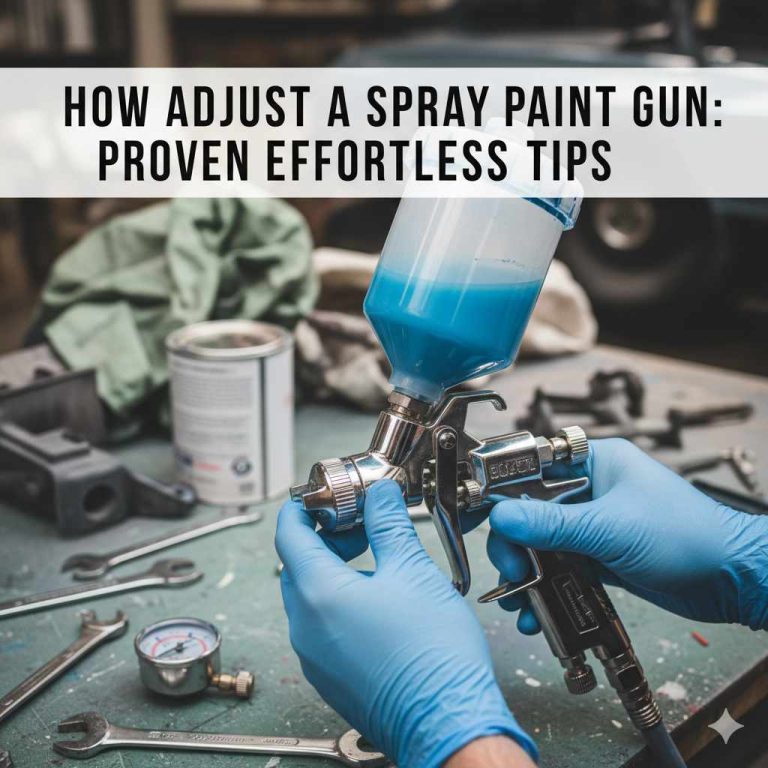
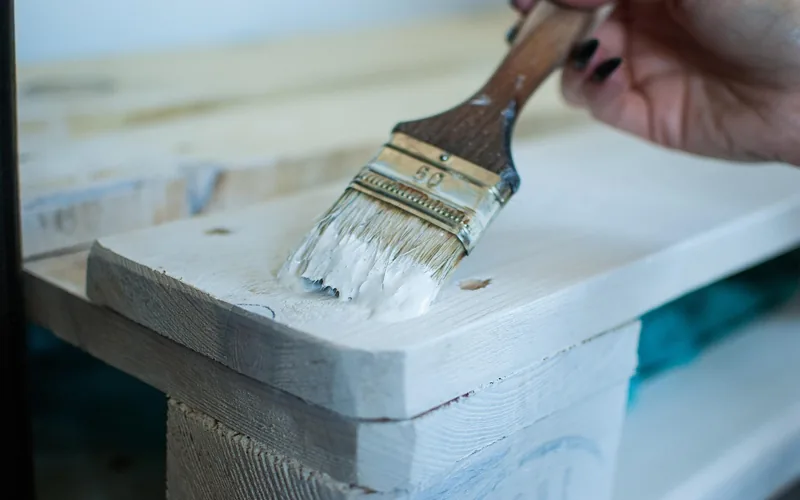
No. Dixie Belle’s own how-to guidance names only two thinning options: water for brush or roller application, and water or Floetrol at roughly a 4:1 ratio (8 oz paint to 2 oz thinner) for spray guns. Mineral spirits doesn’t appear anywhere in their thinning instructions — it’s mentioned only as a brush-cleaning solvent, alongside plain soap and water. If a can or blog post tells you to thin Dixie Belle with mineral spirits, that’s not manufacturer guidance.
How to Thin Dixie Belle Chalk Paint the Right Way
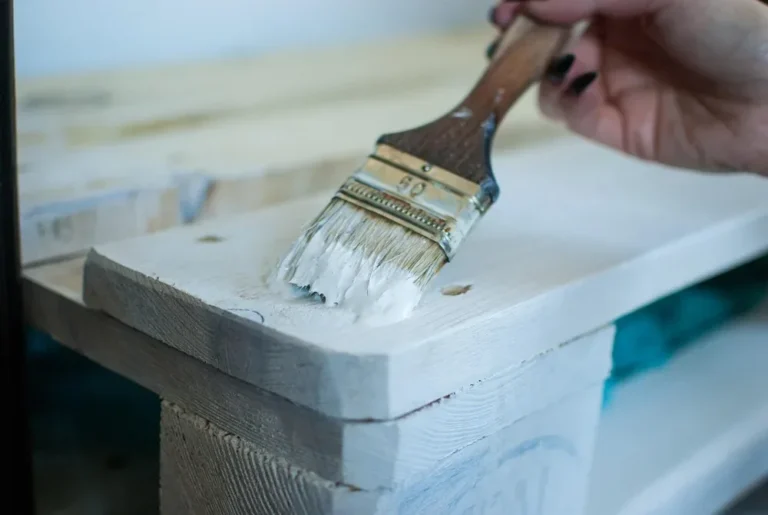
Start with less water than you think you need — chalk paint thickens more from evaporation over time than it needs correcting for. Add it a teaspoon at a time to the amount you’re using that session, not the whole can, and stir until the paint runs off a stir stick in a smooth ribbon rather than clumps.
| Application Method | Thinning Ratio | Notes |
|---|---|---|
| Brush | 1–2 tsp water per 1 cup paint | Usually not needed fresh out of the can |
| Foam roller | 1 tbsp water per 1 cup paint | Prevents roller drag and stippling |
| HVLP spray gun | 8 oz paint : 2 oz water or Floetrol | Dixie Belle’s official spray ratio (~4:1) |
| Dip/whitewash technique | Up to 1 part water : 1 part paint | Intentional wash effect, expect less coverage |
Test the mixed batch on a scrap piece or hidden spot before committing to the full project — humidity and room temperature both change how fast the water flashes off, which changes how the ratio behaves in your shop versus someone else’s.
What Happens If You Use Mineral Spirits Anyway
Mineral spirits won’t dissolve into a water-based binder the way water does. In small amounts it can sit as separate droplets in the paint, leaving oily streaks or fisheye spots once it dries. In larger amounts, it can break the emulsion entirely — the paint looks curdled or grainy in the can and never levels out on the surface.
Even if it brushes on looking fine, adhesion is the bigger risk. Dixie Belle’s bond comes from its water-based binder curing against the surface; a solvent that doesn’t integrate with that binder weakens the bond it forms. That shows up later as chipping or flaking, especially on high-touch pieces like tabletops, dressers, and kitchen cabinet doors.
Common Mistakes When Thinning Chalk Paint
- Thinning the whole can at once. Mix small working batches instead — you can’t easily thicken paint back up once it’s over-thinned.
- Using tap water. Minerals in tap water can affect how the paint cures; distilled water is cheap insurance.
- Skipping the stir-stick test. If the paint doesn’t run off in a smooth ribbon, it isn’t ready — guessing by eye leads to inconsistent coats.
- Ignoring humidity. The same ratio behaves thinner in a humid garage than in a dry, air-conditioned room, since water flashes off at different rates.
- Reaching for solvent because the paint “feels thick.” Thick, cool paint straight from storage often just needs a good stir, not thinner at all.
Where Mineral Spirits Actually Belongs in This Project
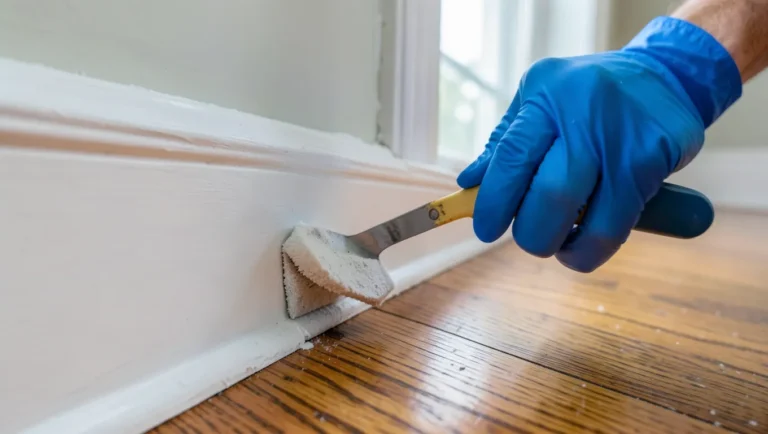
Mineral spirits still earns a spot on the shelf — just not in the paint can. It’s the right tool for wiping dried chalk paint residue off metal hardware, degreasing a surface before priming, or cleaning up if you’re switching between an oil-based stain and the chalk paint on the same project. Work in a ventilated area, wear gloves, and keep it away from open flames — it’s less volatile than lacquer thinner but still flammable.
Dispose of used mineral spirits through a local hazardous-waste facility rather than pouring it down a drain — check your city’s disposal rules, since many accept small quantities from residential DIYers for free. If you’re finishing the piece with a topcoat afterward, double check whether that topcoat is compatible with chalk paint before you apply it.
Frequently Asked Questions
Can you thin Dixie Belle Chalk Paint with mineral spirits?
No. Dixie Belle Chalk Paint is water-based, and mineral spirits is formulated for oil-based paints. Thin it with water for brushing or rolling, or water/Floetrol at roughly 4:1 for spray guns instead.
What can I use to thin chalk paint besides water?
Floetrol is the main alternative Dixie Belle names, mainly for spray-gun application, mixed at about 8 oz paint to 2 oz Floetrol. For brush and roller work, plain distilled water is simpler and works just as well.
Can I use mineral spirits to clean my chalk paint brushes?
Mineral spirits works better on oil-based paint residue than water-based chalk paint. For chalk paint brushes, warm water and mild soap usually clean them faster and more completely — save mineral spirits for oil-based stain or varnish brushes.
What happens if you over-thin chalk paint?
Over-thinned paint covers poorly, often needs an extra coat, dries with a flatter and less durable finish, and can run or drip on vertical surfaces. Mix small batches and add water gradually to avoid it.
Is Dixie Belle Chalk Paint the same as regular chalk paint?
Dixie Belle calls its line “chalk mineral paint” — it’s water-based like most chalk-style furniture paints, with minimal surface prep needed and a matte finish. Thinning rules for water-based chalk paints in general (water only, no oil solvents) apply the same way.
Mineral spirits is the wrong tool for thinning Dixie Belle Chalk Paint — water, or Floetrol for spraying, is what the manufacturer actually recommends, and it’s what keeps the finish smooth and the adhesion intact. Keep mineral spirits in the shop for brush cleanup and oil-based projects instead. Mix small test batches, use the ratio table above as a starting point, and adjust for your project’s humidity before committing to the whole piece.
Sponsored / affiliate links. As an Amazon Associate I earn from qualifying purchases. I may earn additional commission from eligible campaigns.