Acetone vs Paint Thinner: What’s the Difference?
Use acetone for fast, aggressive cleaning jobs, such as removing cured super glue, stripping lacquer, or degreasing bare metal and wood before finishing. Use paint thinner (typically mineral spirits) for gently thinning oil-based paints, stains, and varnishes, and for cleaning brushes and equipment used with those products. They are not interchangeable, and swapping one for the other on the wrong job usually costs you a ruined finish or a damaged brush.
Welcome to the workshop! I’m Md Meraj, and today we’re tackling a question that trips up so many new woodworkers and DIYers: should you grab the acetone or the paint thinner? You stand in the aisle looking at two cans that seem to do the same thing, but picking the wrong one can ruin your project. It’s a common frustration, but it’s much simpler than it looks once you know what each one is actually for.
Choosing the right solvent isn’t about which one is "better" – it’s about knowing which one is the right tool for your specific job. One is a powerful, single-chemical cleaner. The other is a milder, slower-acting reducer built for oil-based finishes. Below I’ll walk through what each one actually is, exactly when to reach for it in a wood shop, and how to handle both safely.
First Things First: What Exactly Is Acetone?
Think of acetone as a pure, highly potent chemical cleaner. It’s a specific organic compound (chemical name: propanone) that’s incredibly effective at dissolving things. It’s what gives nail polish remover its punch. In the workshop, it’s the go-to for tough cleaning jobs that need a fast, aggressive solution.
One of the most important things to know about acetone is that it evaporates extremely quickly – it’s highly "volatile." Wipe a surface with acetone and it disappears almost instantly, leaving no residue behind. That makes it useful for prepping a surface right before painting or gluing, since there’s no leftover film to interfere with adhesion.
Common Uses for Acetone in the Workshop:
- Cleaning super glue (cyanoacrylate): Acetone is one of the only commonly available solvents that effectively dissolves cured super glue.
- Degreasing metal: Before you paint or weld metal, you need a perfectly clean, oil-free surface. Acetone does this job beautifully.
- Stripping finishes: It’s very effective at stripping lacquer and some types of varnish quickly.
- Cleaning tools: It can clean uncured epoxy resin, fiberglass resin, and other tough gunk from your tools (but be careful with plastic handles).
- Prepping surfaces: A quick wipe with acetone on bare wood or metal leaves a clean slate for finishes or adhesives.
Best Paint Thinner Pick
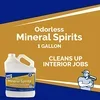 |
Klean-Strip Odorless Mineral Spirits, 1-Gallon – $21.98 This is the actual product behind most cans labeled "paint thinner" on the shelf – the standard choice this guide recommends for thinning oil-based stains and varnishes and cleaning your brushes afterward.
|
As an Amazon Associate we earn from qualifying purchases.
Understanding Paint Thinner: More Than Just One Thing
Now let’s talk about paint thinner. This is where most of the confusion starts. Unlike acetone, "paint thinner" isn’t one single chemical – it’s a general term for a category of solvents. Most of the time, when you buy a can labeled "Paint Thinner" at the hardware store, you’re buying mineral spirits. If you work with lacquer finishes instead of oil-based ones, note that neither acetone nor paint thinner is a full substitute for true lacquer thinner, which is its own, stronger solvent blend.
Paint thinner is much less aggressive than acetone. It works more slowly and evaporates much more slowly, and that slow evaporation is actually its biggest strength. Mixed into oil-based paint, it gives you a longer working time so the paint can level out smoothly without brush marks. It’s designed to reduce viscosity, not obliterate the coating.
Common Uses for Paint Thinner in the Workshop:
- Thinning oil-based products: This is its number one job – thinning oil-based paints, stains, varnishes, and polyurethanes to the right consistency for spraying or brushing.
- Cleaning brushes and tools: It’s the standard choice for cleaning brushes, rollers, and spray guns after using oil-based paints or finishes.
- General cleanup: Great for wiping up wet paint spills, cleaning greasy tools, or removing wax from a piece of wood before finishing.
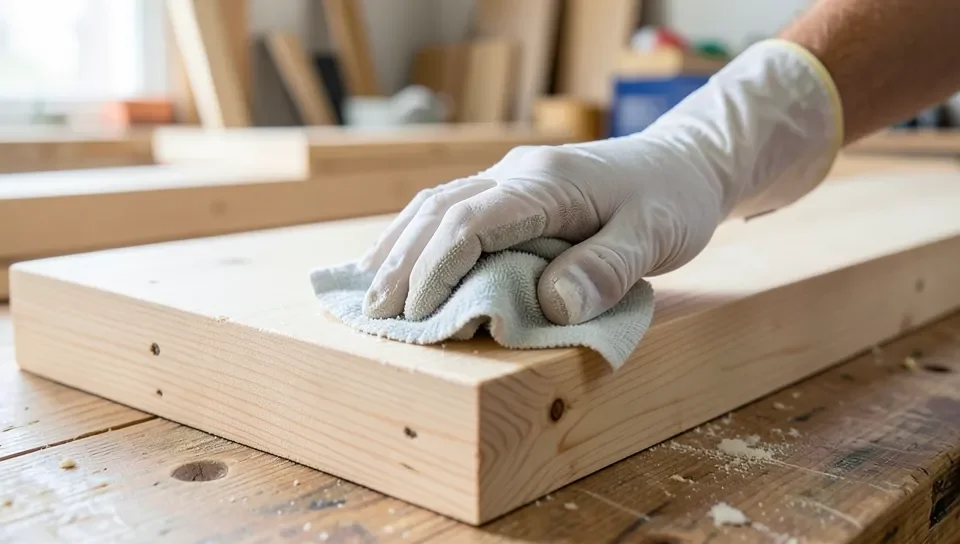
- Degreasing wood surfaces: It gently lifts oils and grime from wood without raising the grain or damaging the fibers the way a harsher solvent can.
The Head-to-Head Showdown: Acetone vs. Paint Thinner
To make it even clearer, here’s a side-by-side breakdown of the key differences so you can see at a glance which solvent fits your needs.
| Feature | Acetone | Paint Thinner (Mineral Spirits) |
|---|---|---|
| Chemical makeup | A pure, single chemical compound (propanone). | A mixture of petroleum distillates; most commonly mineral spirits. |
| Primary job | Fast-acting cleaner, degreaser, and powerful solvent. | Reducer for thinning oil-based coatings; gentle cleaner. |
| Evaporation rate | Extremely fast. Leaves no residue. | Slow. Can leave an oily film until fully evaporated. |
| Strength | Very strong and aggressive. Can damage plastics and many finished surfaces. | Milder and less aggressive. Safe for most cured finishes in small amounts. |
| Best for… | Removing super glue, cleaning epoxy resin, stripping lacquer, degreasing metal. | Thinning oil-based paint/stain, cleaning brushes, wiping up wet paint spills. |
When You Absolutely Should Choose Acetone
Think of acetone as your special-forces cleaner. When you have a tough, specific problem, this is the tool you reach for. Here are the perfect scenarios for using acetone:
- You glued something crooked with super glue: It happens to all of us. Apply a small amount with a cotton swab to the glue joint and it will soften the cyanoacrylate glue, letting you pull the pieces apart.
- You’re prepping metal for paint: If you’re painting metal, any trace of oil or grease will cause the paint to peel. A final wipe-down with an acetone-dampened rag leaves the surface perfectly clean and ready for primer.
- You need to strip an old lacquer finish: Acetone dissolves lacquer very quickly. It’s an effective, if fumy, way to strip small items – always test on an inconspicuous area first.
- You spilled epoxy or fiberglass resin: While the resin is still uncured, acetone can clean it up from tools and surfaces. Once cured, you’ll need to sand or scrape it off instead.
- Cleaning 3D-printed parts: For ABS plastic 3D prints, acetone vapor can be used to smooth the surface, creating a glossy finished look.
When Paint Thinner Is Your Proven Workshop Champion
Paint thinner is your everyday workhorse for anything related to oil-based finishes. It’s less dramatic than acetone, but it’s a tool you’ll reach for constantly. Here’s when to use it:
- Your oil-based paint is too thick: This is its classic use. If your paint is too thick to brush or spray smoothly, add a small amount of paint thinner and stir thoroughly until you reach the desired consistency. Check the can for the manufacturer’s recommended ratio.
- It’s time to clean your brushes: After a session with oil-based stain or varnish, skip the soap and water. Clean brushes thoroughly with paint thinner to dissolve the remaining finish and keep bristles soft for the next job.
- You dripped some varnish on the floor: A rag lightly dampened with paint thinner will clean up a wet oil-based paint, stain, or varnish spill from most surfaces without causing damage.
- Cleaning grimy, greasy tools: Got an old hand plane or wrench covered in gunk? A soak in paint thinner breaks down the grease and makes it easy to wipe clean.
Real Numbers: Flash Point and Brush Compatibility
Most articles on this topic stop at "both are flammable, be careful." Here’s the actual chemistry behind why acetone deserves more caution than paint thinner, and why the standard advice to clean oil-based brushes with paint thinner (not acetone) isn’t just tradition.
Acetone has a flash point of roughly -4°F (-20°C), which puts it in OSHA’s Class IB flammable liquid category – its vapors can ignite at normal room temperature from almost any spark, static charge, or pilot light nearby. Mineral spirits, the base of most paint thinner, has a flash point closer to 100-110°F for the regular grade, and often 140°F or higher for odorless/low-odor versions. That puts it in the Class II or Class IIIA combustible range instead of flammable – a real margin of safety, though not an excuse to skip ventilation or work near an open flame.
That same aggressiveness explains the brush rule. Acetone’s strength can dry out and crack natural hog-bristle brushes and can soften or dissolve some synthetic handle coatings and foam brush cores – it’s simply too hard on the materials brushes are made from. Mineral spirits dissolves cured and uncured oil-based finish without attacking the bristle or handle material itself, which is exactly why it’s the standard choice for cleaning brushes after oil-based polyurethane, stain, or varnish rather than a stronger solvent.
Quick Guide: Which Solvent for Which Task?
Still not sure? Here’s a simple cheat sheet to help you decide in a snap.
| Your Task | The Right Choice | Quick Reason Why |
|---|---|---|
| Thinning oil-based paint for a sprayer | Paint Thinner | Slow evaporation rate lets the paint flow and level out smoothly. |
| Removing a stubborn sticker from glass | Acetone | It quickly dissolves the adhesive residue left behind. |
| Cleaning your best natural-bristle brush after staining | Paint Thinner | Removes oil-based stain effectively without drying out or cracking the bristles. |
| Prepping a bare steel table leg for painting | Acetone | Aggressively removes all traces of machine oil and grease, leaving a pristine surface. |
| Wiping down bare wood to remove surface oils before gluing | Acetone | It cleans deeply and evaporates instantly, so you can apply glue right away. |
Safety First: How to Handle These Chemicals Like a Pro
Both acetone and paint thinner are powerful chemicals that deserve your respect. They’re flammable, or in mineral spirits’ case combustible, and their fumes can be harmful. Follow a few simple rules and you can use them with complete confidence.
Ventilation Is Your Best Friend
The number one rule is plenty of fresh air. Fumes from these solvents can build up quickly in an enclosed space.
- Work outdoors if possible: This is the ideal scenario – open air disperses fumes naturally.
- Open doors and windows: If you must work indoors, open all garage doors and windows to create a cross-breeze.
- Use a fan: Place a fan blowing out of a window or door to pull contaminated air out of your workspace. Don’t aim it across your project, since it can speed up drying too much.
Wear the Right Gear (PPE)
Protect yourself with the right personal protective equipment.
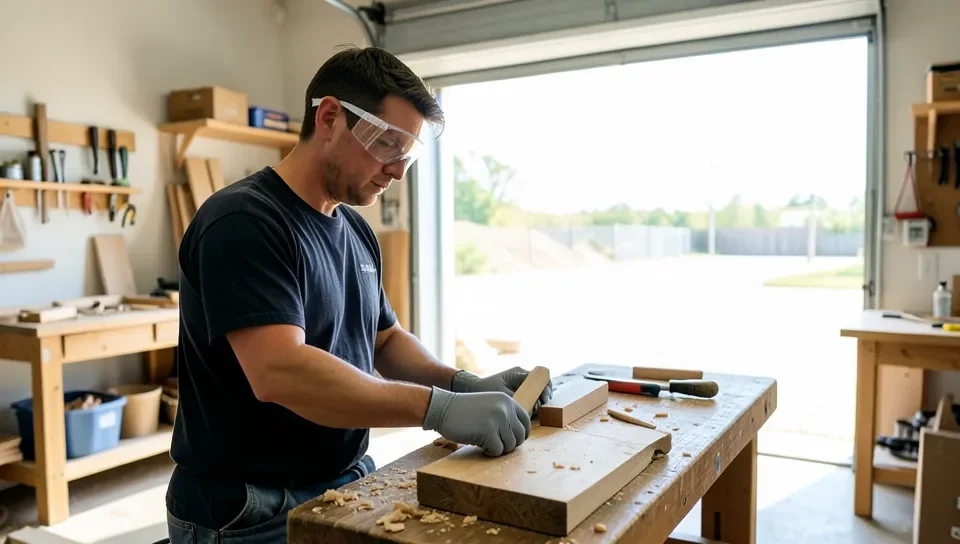
- Safety glasses or goggles: A splash to the eye is a serious medical emergency. Always wear eye protection.
- Chemical-resistant gloves: Standard latex or vinyl gloves dissolve quickly. Use gloves made of nitrile or butyl rubber to protect your skin.
- Respirator: For prolonged use, or less-than-perfect ventilation, a respirator with organic vapor cartridges is essential. A simple dust mask does nothing to stop chemical fumes. OSHA has detailed guidance on respirator selection.
Proper Storage and Disposal
How you store and dispose of these chemicals matters as much as how you use them.
- Keep them in their original containers: Store them in labeled, sealed metal cans. Never use glass jars or plastic bottles not designed for solvents.
- Store away from heat and flame: Both are flammable or combustible. Keep them far from water heaters, furnaces, pilot lights, and any spark or open flame source.
- Never pour them down the drain: This is illegal in most places and harmful to the environment.
- Dispose of rags properly: Rags soaked in either solvent, especially oil-based finishes, can spontaneously combust as they dry. Do not ball them up and throw them in the trash. Lay them flat on a concrete surface outdoors to dry completely before disposal, or seal them in a water-filled metal can. Check with your local waste management facility for hazardous waste drop-off days.
Frequently Asked Questions (FAQ)
1. Can I use acetone to thin oil-based paint?
No, you should never use acetone to thin paint. Acetone is too "hot" and evaporates far too quickly. Instead of smoothly thinning the paint, it can cause it to curdle or "break." The paint dries almost as it leaves the brush, leaving a rough, uneven finish. Stick to paint thinner (mineral spirits) for this job.
2. Which one is stronger, acetone or paint thinner?
Acetone is significantly stronger. It’s a more aggressive solvent that can dissolve a wider range of substances, including some plastics, glues, and cured finishes. Paint thinner is much milder, designed to reduce the viscosity of oil-based products without dissolving them completely.
3. Is acetone safe to use on wood?
Acetone is safe to use on bare, unfinished wood. It’s excellent for a final cleaning wipe before applying a finish because it removes oils and dust, then evaporates completely. However, it will damage or strip most existing finishes like lacquer, shellac, and varnish, so never use it to clean a finished piece of furniture unless your goal is to strip it.
4. Will paint thinner damage plastic?
Generally, paint thinner (mineral spirits) is much safer on most plastics than acetone is. It can still damage softer plastics like polystyrene, though. Acetone, on the other hand, will melt or warp many common plastics almost instantly. Test on a small, hidden area first either way.
5. How do I dispose of used acetone or paint thinner?
Treat both as hazardous waste. Never pour them down a drain or on the ground. Store the used liquid in a clearly labeled, sealed metal can, then contact your local municipality or waste management service to find a hazardous waste disposal facility or scheduled collection event.
6. What about denatured alcohol? Where does that fit in?
Denatured alcohol is another useful shop solvent. It’s the go-to choice for thinning and cleaning up shellac, which is an alcohol-based finish. It’s less aggressive than acetone but evaporates faster than paint thinner – another specialized tool for a specific job.
Conclusion: The Right Tool for the Right Job
So there you have it. "Acetone vs. paint thinner" isn’t really a competition – they’re two different tools built for different tasks in your workshop. You wouldn’t use a sledgehammer to drive a finishing nail, and you shouldn’t use aggressive acetone to gently thin a beautiful oil-based varnish.
Here’s the simple takeaway: reach for acetone for powerful, fast-acting cleaning and stripping tasks. Grab the paint thinner when you need to gently thin oil-based products or clean up after using them.
Understand their unique strengths and weaknesses, prioritize safety, and test on a scrap piece first, and you’re no longer guessing. Walk down that hardware store aisle with confidence, grab exactly what you need, and get back to building.
Sponsored / affiliate links. As an Amazon Associate I earn from qualifying purchases. I may earn additional commission from eligible campaigns.