How to Thin Rust-Oleum for a Spray Gun (Oil vs. Water Ratios)
Rust-Oleum oil-based paints thin with 10-25% mineral spirits or acetone for a spray gun, while water-based Rust-Oleum thins with water only, never a solvent. Mixing the wrong thinner into water-based paint causes curdling and clogs the gun. This guide covers oil vs. water-based ratios, HVLP vs. airless requirements, and the runoff test that dials in viscosity.
Quick Answer
For oil-based Rust-Oleum, mix 10-25% mineral spirits or acetone by volume, using the higher end for HVLP guns and less (often none) for airless sprayers. For water-based Rust-Oleum, add up to 10-30% water only. Confirm the mix with a runoff test before spraying the whole project.
Tools Needed
Best Rust-Oleum Thinner Pick
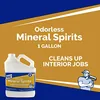
Klean-Strip Odorless Mineral Spirits 1 Gallon
Odorless mineral spirits formulated for thinning oil-based paints, varnishes, and stains – the correct thinner for oil-based Rust-Oleum in a spray gun.
- Best for: thinning oil-based Rust-Oleum Enamel and primers for HVLP guns
- Why we picked it: low-odor formula matches the mineral-spirits ratio this guide recommends
- Main drawback: not usable on water-based/acrylic Rust-Oleum – causes curdling
Compare more spray gun thinning options
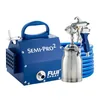 Option 1 Fuji Spray Semi-PRO 2 HVLP Spray System
|
 Option 2 TCP Global Ford 4 Viscosity Cup
|
 Option 3 2-Pack Paint Viscosity Cup for Spray Gun
|
As an Amazon Associate we earn from qualifying purchases.
Thinning Rust-Oleum for a spray gun takes a spray gun matched to your project, a mixing container, a stir stick, a paint strainer, and the correct thinner for your paint type – mineral spirits or acetone for oil-based, water for water-based.
- Spray gun: HVLP for fine finish work, airless for large surfaces – the type determines how much thinning you need.
- Mixing container: a lidded container sized to the batch, so leftover thinned paint can be stored briefly.
- Stir stick and strainer: a wood or plastic stick for mixing and a mesh strainer to catch skin or debris before it reaches the gun.
- Thinner matched to paint type: mineral spirits or acetone for oil-based Rustoleum paint, plain water for water-based – never cross the two.
If you’re specifically spraying polyurethane rather than Rust-Oleum paint, see our guide to spray guns for polyurethane for tip-size and air-requirement guidance by gun.
Oil-Based vs. Water-Based Rust-Oleum: Which Thinner Do You Need?
Rust-Oleum thinner choice is a solvent-versus-water decision that depends entirely on the paint’s base, not the project. Oil-based Rust-Oleum (most Enamel, Clean Metal Primer, and Rust Reformer lines) thins only with mineral spirits or acetone. Water-based Rust-Oleum (most 2X Ultra Cover, chalked, and acrylic lines) thins only with water. Check the can label under “Clean Up” – if it says soap and water, the paint is water-based; if it says mineral spirits, it’s oil-based.
What Happens If You Mix Water-Based Paint With a Solvent Thinner?
Adding mineral spirits or acetone to water-based Rust-Oleum causes the paint to curdle and separate almost immediately, since the acrylic resin is emulsified in water and solvent breaks that emulsion apart. The result is a lumpy, unsprayable mixture that clogs the gun’s nozzle and ruins the batch – there’s no fixing it once it separates, so the only remedy is testing a small amount before committing the full can.
| Paint Type | Correct Thinner | Typical Ratio | Sprayer Note |
|---|---|---|---|
| Oil-based (Enamel, Primer, Rust Reformer) | Mineral spirits or acetone | 10-25% by volume | HVLP needs the higher end; airless often needs none |
| Water-based (2X Ultra Cover, chalked, acrylic) | Water only | 10-30% by volume | Never add solvent – causes curdling |
| Lacquer-based (Turbo Spray systems) | Acetone or lacquer thinner | Up to 2 parts thinner per 1 part paint | Fast-drying, thin in a well-ventilated area |
Types of Rust-Oleum Paints
Rust-Oleum is one of the most common brands covered across our paint and finishing guides, and it sells oil-based, water-based, and lacquer-based product lines – each needing a different thinner. The three most common types you’ll thin for a spray gun are Enamel, Clean Metal Primer, and Turbo Spray systems.
Enamel
Enamel is oil-based and works on metal, wood, concrete, and masonry, drying to a durable high-gloss finish. To thin it for spraying, mix one part paint with one part mineral spirits or turpentine, then adjust with the runoff test below.
Clean Metal Primer
Clean Metal Primer is also oil-based and formulated for bare iron, steel, and aluminum. Thin it the same way as Enamel – one part primer to one part mineral spirits – before loading an HVLP gun.
Turbo Spray Paint
Turbo Spray Paint uses a fan tip and dries to the touch in about 20 minutes on metal, wood, plastic, and masonry. For spray gun use, thin it with one part paint to two parts acetone.
Do You Need To Thin Rustoleum Paint For Spray Gun?
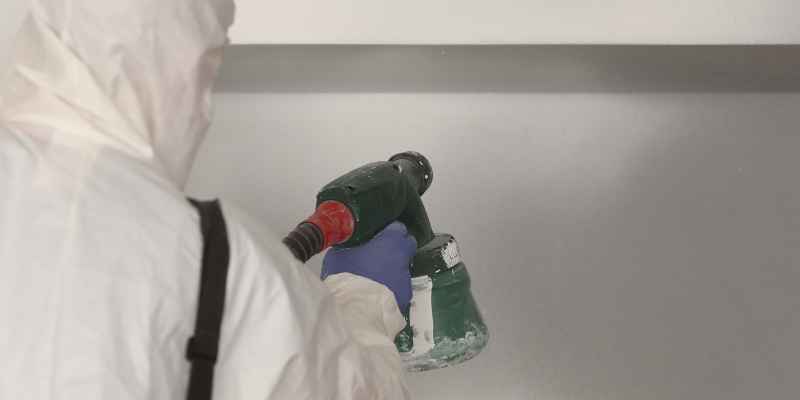
Whether you need to thin Rust-Oleum for a spray gun depends on the sprayer and the paint, not a fixed rule. Airless sprayers push paint at 3,000+ PSI, so they usually apply Rust-Oleum straight from the can. HVLP and gravity-feed guns run at much lower pressure and need the paint thinned – typically 10-25% for oil-based, up to 30% water for water-based – to atomize correctly and avoid clogging.
Instructions by Sprayer Manufacturer
Always check your specific sprayer’s manual before thinning – nozzle size and pump type change how much reduction is needed. Ignoring the manufacturer’s guidance is the most common cause of clogs and uneven coverage.
Importance of Stirring for Thicker Coating
Stir Rust-Oleum thoroughly before thinning, since pigment settles at the bottom of the can. A drill-mounted mixing attachment gets the paint fully homogenous faster than hand-stirring alone.
How Much Should You Thin Rustoleum Paint For Spray Gun?
For oil-based Rust-Oleum, start at 10% mineral spirits or acetone by volume and work up to 25% for HVLP guns; for water-based Rust-Oleum, start at 10% water and work up to 30%. The exact amount depends on gun type, nozzle size, and ambient temperature and humidity, which both thicken and thin paint as they change. The same mineral-spirits math applies when thinning oil-based polyurethane for a topcoat.
HVLP vs. Airless: How Sprayer Type Changes the Ratio
Sprayer type is the biggest factor in how much you thin. The table below gives a starting point for each.
| Sprayer Type | Typical Thinning | Best For |
|---|---|---|
| HVLP (gravity/siphon feed) | 15-25% by volume | Furniture, trim, cabinets, fine finish work |
| Airless | 0-10%, often none | Fences, siding, large flat surfaces |
| LVLP / fine-finish | 10-20% by volume | Detailed projects needing a smooth, low-overspray coat |
The Runoff Test: How to Check Viscosity Without Guessing
Humidity and temperature change how thick paint feels from one day to the next, so a fixed ratio is only a starting point. The runoff test confirms the actual mix is spray-ready.
- Dip the stick: submerge a stir stick or viscosity cup fully in the mixed paint, then lift it out.
- Start counting: begin timing the instant the stick clears the surface or the cup starts draining.
- Watch the stream: a steady stream that breaks into intermittent drips around 2-3 seconds after clearing is spray-ready for most HVLP guns.
- Adjust and retest: if the stream stays continuous past 3 seconds, stir in a small amount of thinner and test again; if it breaks apart almost instantly, add a little more paint.
📊 Airless sprayers run at 3,000+ PSI versus roughly 10 PSI at an HVLP nozzle, which is why airless guns typically need little to no thinning while HVLP guns need 15-25%. — Source: sprayer manufacturer pressure specifications
“This general-purpose solvent helps thin oil-based paints, varnishes, stains and polyurethanes.”
Mixing Rustoleum Paint For Spray Gun
Rust-Oleum can be applied by brush, roller, or spray, but spraying is the only method that requires thinning. Prepare, mix, and test the paint in that order to avoid wasting a batch.
Preparing the Paint
Confirm whether the paint is oil-based or water-based on the can’s clean-up instructions, then have the matching thinner on hand – mineral spirits or acetone for oil-based, water for water-based. Make sure the work surface is clean, dry, and free of debris.
Mixing the Paint
- Pour the Rust-Oleum into a mixing container sized for the amount you need – mixing more than you’ll use wastes paint.
- Add the starting-point thinner ratio for your paint and sprayer type from the table above.
- Stir thoroughly with a stir stick until fully blended, with no streaks of unthinned paint.
- Run the runoff test and adjust before loading the full batch into the gun.
Spraying Rustoleum Paint With Spray Gun
Spraying Rust-Oleum once it’s correctly thinned and strained comes down to safety, gun settings, and technique.
Safety Precautions
Wear a respirator rated for organic vapors, safety goggles, and gloves when spraying solvent-thinned oil-based paint, and work in a well-ventilated area away from open flame or sparks – mineral spirits and acetone vapors are flammable.
Adjusting the Spray Pattern and Pressure
Set the gun’s pressure and fan pattern for the paint you’re using, then confirm the pattern on scrap material first. Oil-based Rust-Oleum generally needs a wider fan and lower pressure than a thinner lacquer product.
Spraying Technique
Keep the gun a consistent 6-8 inches from the surface, move in even overlapping strokes, and apply thin coats rather than one heavy pass – heavy coats sag and take far longer to dry. See how long Rust-Oleum spray paint takes to dry before recoating.
Maintenance
Clean the spray gun immediately after use with the same thinner used to reduce the paint – mineral spirits for oil-based, water for water-based – since dried Rust-Oleum inside the gun is difficult to remove.
Frequently Asked Questions For How To Thin Rustoleum Paint For Spray Gun
How Do You Mix Rust-Oleum Paint for a Spray Gun?
Stir the paint thoroughly to resettle any pigment, then add the correct thinner for your paint type – mineral spirits or acetone for oil-based Rust-Oleum, water for water-based – starting at 10% and working up to 25-30% depending on your sprayer. Confirm the mix with a runoff test before spraying the whole project.
Do You Need to Thin Rust-Oleum Paint for a Spray Gun?
It depends on the sprayer. Airless sprayers run at high pressure and usually apply Rust-Oleum straight from the can without thinning. HVLP and gravity-feed guns run at much lower pressure and typically need 10-25% thinner (oil-based) or up to 30% water (water-based) to atomize correctly and avoid clogging.
What Is the Ratio of Enamel Paint to Thinner for a Spray Gun?
For Rust-Oleum Enamel, start with a 1:1 ratio of paint to mineral spirits and adjust from there – HVLP guns often need more, up to 25% total thinner, while airless sprayers usually need less. Always confirm with a runoff test since humidity and temperature shift viscosity.
How Do You Dilute Paint for a Spray Gun?
Stir the paint well, add thinner in small increments matched to the paint’s base – solvent for oil-based, water for water-based – and test after each addition with a stir stick runoff test. Stop adding thinner once the stream breaks into intermittent drips around 2-3 seconds after the stick clears the surface.
Can You Thin Water-Based Rust-Oleum Paint With Mineral Spirits?
No. Water-based Rust-Oleum paints, including most 2X Ultra Cover and chalked lines, are acrylic emulsions that only thin correctly with water. Adding mineral spirits or acetone breaks the emulsion and causes the paint to curdle and separate, clogging the spray gun.
What Happens If You Mix Water-Based Paint With a Solvent Thinner?
The paint curdles and separates almost immediately because the solvent breaks apart the water-based emulsion that holds the acrylic resin and pigment together. The mixture becomes lumpy and unsprayable, and there’s no way to recombine it once it separates – the batch has to be discarded.
Conclusion
Getting Rust-Oleum ready for a spray gun comes down to matching the thinner to the paint’s base – mineral spirits or acetone for oil-based, water only for water-based – and to your sprayer type, since HVLP guns need more reduction than airless. Skip the guesswork by running a quick runoff test before committing a full batch, and you’ll get a smooth, even finish without clogging the gun.
Sponsored / affiliate links. As an Amazon Associate I earn from qualifying purchases. I may earn additional commission from eligible campaigns.