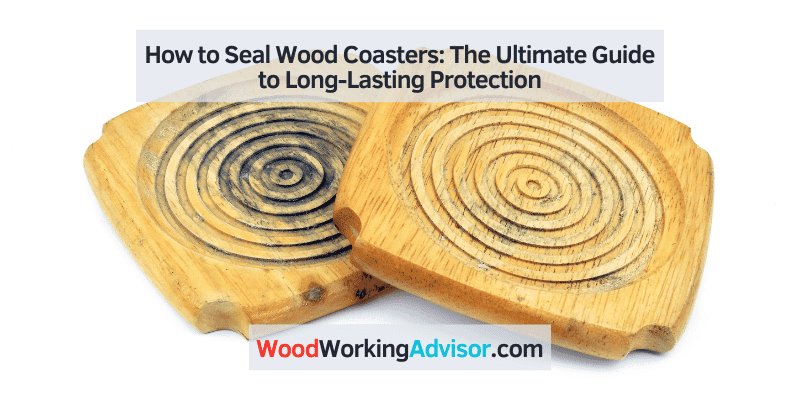
How to Seal Wood Coasters (Epoxy vs. Polyurethane vs. Oil)
Yes — seal wood coasters, or they will absorb condensation, stain from drinks, and warp within weeks. A polyurethane or epoxy resin topcoat creates a waterproof, heat-tolerant barrier that lasts for years, while food-safe mineral oil and beeswax are lower-maintenance but less water-resistant. Below: real cure times, heat ratings, and how to seal cork, plywood, and laser-engraved coasters specifically.
Quick Answer
- Best waterproof/glossy finish: epoxy resin (e.g. FGCI Superclear) — fully waterproof, food-safe once cured
- Best everyday finish: oil-based polyurethane — water- and heat-resistant, 3-4 coats
- Best low-maintenance/natural look: food-grade mineral oil + beeswax — water-resistant only, reapply every 2-4 weeks
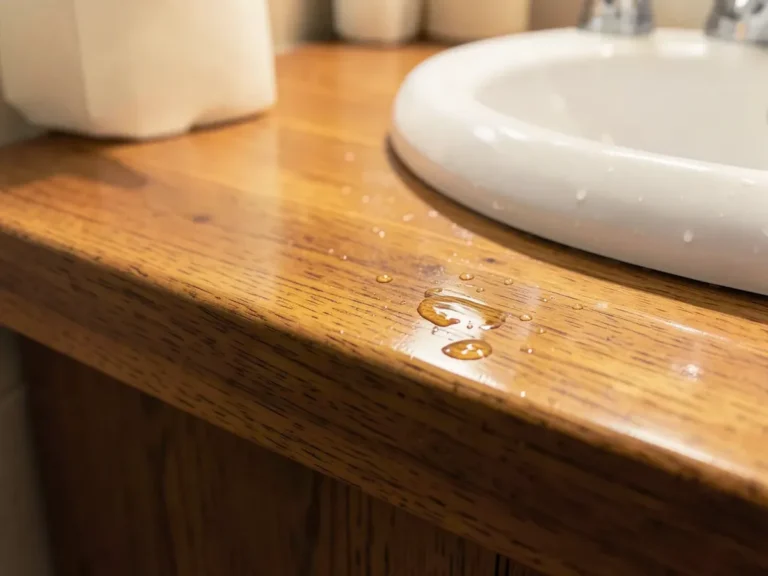
Wood coasters are not only functional for protecting surfaces from spills and water rings, but they can also add a touch of natural beauty to any decor. However, wood is a porous material that can absorb liquids and get damaged over time.
To prevent this, it is essential to seal the wood coasters properly. This will create a protective barrier that repels moisture and stains, ensuring that your coasters remain in excellent condition for years to come. We will guide you on how to seal wood coasters effectively, ensuring their durability and enhancing their aesthetic appeal.
Choosing The Right Wood Coasters
Choosing the perfect wood coasters involves considering the best method to seal them. Find out how to effectively seal wood coasters and protect them from damage with these helpful tips.
Importance Of Selecting The Right Type Of Wood:
Choosing the right type of wood for your coasters is crucial in ensuring their overall quality and durability. Here are some key points to consider when selecting wood coasters:
Durability and longevity of the wood:
- Opt for hardwoods like oak, cherry, or maple as they are more durable and less prone to damage.
- These hardwoods offer better resistance to wear and tear, ensuring your coasters last longer.
Resistance to moisture and heat:
- Look for wood species that have high resistance to moisture, such as teak or mahogany.
- Moisture-resistant wood coasters are less likely to warp or crack when exposed to drinks or condensation.
- Additionally, choose wood types that can withstand high temperatures to avoid damage from hot mugs or cups.
Aesthetics and style options:
- Select wood species that complement your overall decor and style preferences.
- Consider the natural color, grain pattern, and finish options available for each wood type.
- Some woods, like walnut or ash, have distinctive grain patterns that add visual appeal to your coasters.
Remember, the right wood selection ensures your coasters not only serve their functional purpose but also enhance the overall aesthetic of your space.

How To Seal Wood Coasters For Long-Lasting Protection
Learn how to seal wood coasters effectively to ensure they are protected for the long haul. Our step-by-step guide provides easy-to-follow instructions for achieving optimal durability and longevity. Say goodbye to damage and hello to beautifully preserved wood coasters!
Understanding The Benefits Of Sealing Wood Coasters
- Sealing wood coasters offers long-lasting protection against moisture, stains, and heat.
- It enhances the durability of the coasters, prolonging their lifespan.
- Sealing also prevents warping, cracking, and fading of the wood, ensuring that the coasters retain their original look for longer.
- It creates a waterproof barrier, making the coasters suitable for use with both hot and cold beverages.
- Sealed wood coasters are easier to clean and maintain, as spills can be wiped off without causing damage.
Credit: wood-2art.com
Step-By-Step Guide To Sealing Wood Coasters
To successfully seal your wood coasters, follow these steps:
Preparing the Wood Surface for Sealing:
- Sand the coasters using fine-grit sandpaper to achieve a smooth finish.
- Ensure that the surface is clean and free from dust and debris.
- Wipe the coasters with a damp cloth to remove any remaining particles.
- Allow the wood to dry completely before moving to the next step.
Choosing the Appropriate Sealer for Wood Coasters:
- Select a sealer specifically designed for wood, such as polyurethane, lacquer, or epoxy.
- Consider the type of wood and its intended use when choosing the sealer.
- Opt for water-based sealers for easy application and minimal odor.
- Check the sealer’s durability, resistance to heat and moisture, and compatibility with the wood type.
Applying the Sealer Correctly:
- Stir the sealer thoroughly to ensure even consistency.
- Use a natural bristle brush, foam brush, or rag to apply the sealer evenly on the coaster’s surface.
- Apply multiple thin coats, allowing sufficient drying time between each coat.
- Smooth out any bubbles or brush marks with a foam brush or cloth.
- Wipe off excess sealer to avoid drips or pooling.
- Apply the sealer to all sides of the coaster, including the bottom, to provide complete protection.
Curing and Drying Time for the Sealer:
- Follow the manufacturer’s instructions regarding curing and drying time.
- Allow the sealer to cure in a well-ventilated area, away from dust and humidity.
- It usually takes a few hours for the sealer to dry to the touch, but full curing may take up to 24-48 hours.
- Avoid using the coasters until the sealer is fully cured to prevent damage.
Sealing your wood coasters not only protects them from damage but also enhances their aesthetic appeal. By following these steps, you can ensure that your coasters remain in excellent condition, providing a durable and stylish way to protect your furniture.
Maintaining And Caring For Sealed Wood Coasters
Learn how to effectively seal wood coasters to maintain their durability and longevity. By following proper cleaning techniques and applying a sealant, you can protect your wood coasters from stains, spills, and damage, ensuring they stay looking brand new for years to come.
Importance Of Regular Maintenance For Sealed Wood Coasters:
- Sealed wood coasters require regular maintenance to ensure their longevity and effectiveness in protecting surfaces.
- Regular maintenance helps to prevent scratches, moisture damage, and other wear and tear.
- Proper care and maintenance can also enhance the natural beauty of the wood and keep your coasters looking their best.
- By establishing a routine maintenance schedule, you can prolong the lifespan of your sealed wood coasters and ensure their continued functionality.
Tips For Cleaning Sealed Wood Coasters:
- Cleaning your sealed wood coasters is a simple task that can be done with a few basic materials and techniques.
- To remove dust and debris, gently wipe the surface of the coasters with a soft, lint-free cloth.
- For more stubborn stains or spills, use a mild soap and water solution to gently clean the coasters.
- Avoid scrubbing the surface vigorously, as this can damage the sealer and the wood.
- After cleaning, make sure to dry the coasters thoroughly to prevent moisture from seeping into the wood.
Using Mild Soap And Water Solutions:
- Mild soap and water solutions are gentle yet effective for cleaning sealed wood coasters.
- Mix a small amount of mild dish soap with warm water to create a soapy solution.
- Dip a soft cloth into the solution and wring out any excess moisture.
- Gently wipe the surface of the coasters, focusing on any areas with stains or spills.
- Rinse the cloth with clean water and wipe away any soap residue.
- Finally, dry the coasters thoroughly with a clean, lint-free cloth.
Avoiding Harsh Chemicals That Can Damage The Sealer:
- Harsh chemicals can strip away the protective sealer on your wood coasters, compromising their effectiveness.
- Avoid using products such as bleach, ammonia-based cleaners, or abrasive cleaning agents.
- These chemicals can not only damage the sealer but also harm the wood surface, leading to discoloration or deterioration.
- Stick to mild soap and water solutions or specialized wood cleaner products recommended for sealed wood surfaces.
- Following this practice will help preserve the integrity of your wood coasters and maintain their protective qualities.
How To Reapply Sealer To Maintain Long-Lasting Protection:
- Over time, the sealer on your wood coasters may wear off, making it necessary to reapply a new layer.
- Regularly assessing the condition of your coasters is crucial in determining when resealing is required.
- Signs that your wood coasters need resealing include discoloration, water absorption, and a rough or dull surface.
- To reapply sealer, start by sanding the surface of the coasters to remove any existing sealer and smooth out imperfections.
- Once the surface is prepared, apply a new layer of sealer evenly using a clean brush or cloth.
- Allow sufficient curing and drying time as per the specific sealer instructions to ensure maximum protection and effectiveness.
Step-By-Step Process For Resealing Wood Coasters:
Sanding and Preparing the Surface for Resealing:
- Start by sanding the surface of the coasters using fine-grit sandpaper to remove any previous sealer and smooth out imperfections.
- Wipe away any dust or debris with a clean cloth or brush.
Applying a New Layer of Sealer:
- Using a clean brush or cloth, apply a thin and even layer of the chosen sealer to the surface of the coasters.
- Make sure to cover the entire surface, including the edges, with the sealer.
- Follow the specific instructions provided by the sealer manufacturer for the best application technique and drying time.
Allowing Sufficient Curing and Drying Time:
- After applying the sealer, allow the coasters to cure and dry according to the manufacturer’s instructions.
- This will ensure that the sealer properly adheres and provides long-lasting protection.
- Avoid using the coasters until the sealer has completely cured to avoid any potential damage or compromised effectiveness.
By following these simple maintenance and resealing techniques, you can keep your wood coasters in optimal condition, ensuring their durability and preventing any damage to the surfaces they protect.
Additional Tips For Wood Coaster Protection
Discover effective ways to protect your wood coasters by sealing them properly. These additional tips will ensure their longevity and keep them looking beautiful for years to come.
Wood coasters are not only practical but can also add a touch of rustic charm to any table setting. To ensure their longevity and protect them from moisture damage, it is important to seal them properly. In addition to using a sealer, there are several other tips to consider when it comes to wood coaster protection.
Let’s explore some additional measures you can take to keep your wood coasters looking their best:
Using Coasters With Cork Or Rubber Backing:
- Opt for wood coasters that come equipped with a cork or rubber backing. These backing materials provide an extra layer of protection for your furniture by preventing scratches and reducing the risk of moisture damage.
- Coasters with cork or rubber backing also have the added benefit of staying in place, reducing the chance of them sliding around or accidentally knocking over your drink.
Avoiding Prolonged Exposure To Direct Sunlight Or Extreme Temperatures:
- Direct sunlight can cause wood coasters to fade and lose their natural luster over time. To prevent this, avoid placing your coasters in areas where they will be exposed to prolonged sunlight.
- Extreme temperatures can also cause wood to expand or contract, leading to warping or cracking. Keep your coasters away from heat sources like stoves or radiators to maintain their integrity.
Storing Wood Coasters In A Dry And Clean Place:
- When not in use, store your wood coasters in a dry and clean place to minimize the risk of moisture damage or mold growth. A drawer or cabinet away from excessive humidity or moisture-prone areas is an ideal storage spot.
- Make sure to clean and dry the coasters thoroughly before storing them to remove any moisture or residue that may have accumulated from use.
Alternatives To Sealers For Wood Coasters:
- If you prefer a more natural look for your wood coasters, there are alternative options to traditional sealers. Wax and oil finishes are popular choices as they enhance the natural beauty of the wood while providing some degree of protection.
- Wax finishes create a smooth and lustrous surface, while oil finishes penetrate the wood to nourish and protect it from within. These finishes may require more frequent reapplication compared to sealers, but they allow the wood to breathe and maintain its natural appearance.
Varnishes And Polyurethane Coatings For Added Durability And Water Resistance:
- For optimal durability and water resistance, varnishes and polyurethane coatings are the go-to options. These sealers form a protective barrier over the wood, safeguarding it from spills and stains.
- Varnishes provide a glossy or satin finish, while polyurethane coatings offer a range of finishes, from matte to high-gloss. Both options ensure long-lasting protection for your wood coasters.
DIY Coasters Vs. Professionally Sealed Wood Coasters:
- If you enjoy crafting and want a personalized touch, making your own wood coasters can be a rewarding endeavor. However, keep in mind that DIY coasters may require a higher level of maintenance and may not offer the same level of durability as professionally sealed options.
- Professionally sealed wood coasters are typically more resistant to moisture and stains, making them a convenient and hassle-free choice. They are often designed with longevity in mind and come in various styles and finishes to match your preferences.
Pros And Cons Of Each Option:
Using coasters with cork or rubber backing:
Pros: Provides additional protection and stability, reduces the risk of scratches and sliding.
Cons: May limit the aesthetic choices available.
Avoiding prolonged exposure to direct sunlight or extreme temperatures:
Pros: Preserves the color and integrity of the wood, prevents warping or cracking.
Cons: Requires caution and awareness of the placement of coasters.
Storing wood coasters in a dry and clean place:
Pros: Minimizes the risk of moisture damage and mold growth.
Cons: Requires regular cleaning and maintenance.
Alternatives to sealers for wood coasters:
Pros: Provides a more natural and breathable option, enhances the wood’s natural beauty.
Cons: Requires more frequent reapplication and may offer less protection against moisture.
Wax and oil finishes for a more natural look:
Pros: Enhances the wood’s appearance, allows the wood to breathe.
Cons: Requires periodic reapplication, offers less water resistance compared to sealers.
Varnishes and polyurethane coatings for added durability and water resistance:
Pros: Offers superior protection against moisture and stains, provides a range of finishes.
Cons: May alter the natural appearance of the wood, requires careful application.
DIY coasters vs. Professionally sealed wood coasters:
Pros of DIY coasters: Personalized touch, creative satisfaction.
Pros of professionally sealed wood coasters: Convenient, higher durability and protection.
Factors To Consider When Making A Decision:
- Desired level of durability and moisture resistance
- Aesthetic preferences and desired level of natural appearance
- Time and effort available for maintenance and reapplication
- Budget and cost considerations
- Personal crafting abilities and willingness to undertake DIY projects
Remember, taking the time to properly seal and protect your wood coasters will extend their lifespan and ensure they continue to add beauty and functionality to your table setting for years to come.
Epoxy Resin vs. Polyurethane vs. Food-Safe Oil: Which Sealant Is Best?
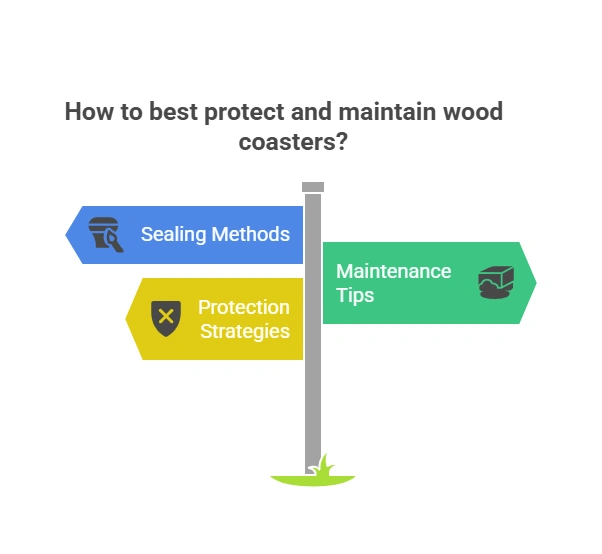
Not every sealer behaves the same once a cold, sweating glass sits on it for twenty minutes. Here is how the three main options for wood sealers actually compare on the things that matter for a coaster: water resistance, heat tolerance, real cure time, and food-contact safety.
| Sealant | Water Resistance | Heat Tolerance | Real Cure Time | Look |
|---|---|---|---|---|
| Epoxy resin (e.g. FGCI Superclear) | Fully waterproof, glass-like seal | Handles warm mugs; avoid pans straight off a stove/oven | Dry-to-touch ~24 hrs; full hardness up to 7 days | High-gloss, glass-like |
| Oil-based polyurethane | Water-resistant to waterproof (3-4 coats) | Handles hot mugs well; avoid direct high heat | Safe for light use in 24 hrs; full cure ~30 days | Amber warmth, highlights grain |
| Food-grade mineral oil + beeswax | Water-resistant only, not waterproof | Low — heat can soften/strip the finish | Dry to touch in hours; no true cure — reapply every 2-4 weeks | Natural matte, shows raw grain |
Per FDA regulation 21 CFR 175.300 (Resinous and Polymeric Coatings), food-contact coatings — including epoxy resins — must meet specific composition and extraction limits before they qualify as food-safe. FGCI’s Superclear Table Top Epoxy is independently certified to this standard, plus ASTM D-4236 for art-material safety, once fully cured. Source: FGCI product specifications.
For a glossy, waterproof coaster finish
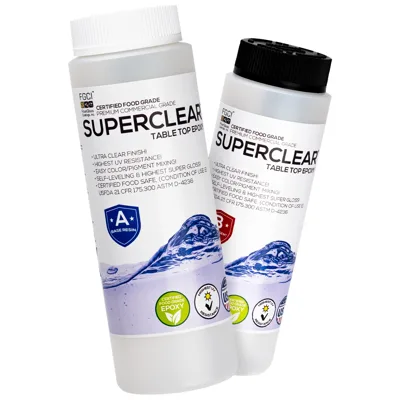
FGCI Superclear Table Top 1:1 Epoxy (1 Pint Kit)
Certified to FDA 21 CFR 175.300 and ASTM D-4236; 1-pint kits start around $29.99 and cover several coasters with a thin seal coat.
Check Price on Amazon“Material will feel well-cured after 24 hours, but full cure and maximum hardness can require up to 7 days depending upon the temperature.”
Fiberglass Coatings Inc. (FGCI), manufacturer instructions for Superclear Table Top Epoxy
Do Cork Coasters Need to Be Sealed?
Cork is naturally springy and somewhat water-resistant, but it is still porous — left bare, it will absorb spilled liquid and can stain or hold moisture over time. If cork is the top surface of your coaster, a light coat of food-safe mineral oil or a thin water-based polyurethane helps without making it feel plasticky; avoid a thick epoxy pour on cork, since the rigid shell can crack as the cork compresses under a glass. If cork is only the bottom backing (the more common setup), you generally do not need to seal it — just keep the top wood layer sealed and leave the cork bare so it keeps its grip and cushioning.
How to Seal Laser-Engraved Wood Coasters
Laser engraving leaves a charred, slightly textured surface, and the design holds up best under a build-up finish rather than a wipe-on oil. Brush a thin epoxy seal coat into the engraved lines first to lock in soot and prevent bubbling, then follow with a flood pour for a glossy, waterproof shell that keeps the design crisp. If you prefer a matte look, 2-3 light coats of wipe-on polyurethane also work — but skip mineral oil alone on engraved designs, since it tends to pool unevenly in the grooves and darken the burn marks blotchily.
Can You Seal Plywood Coasters?
Plywood can work for coasters, but its layered construction is the weak point: moisture that gets past the top coat can wick into the edge plies and cause delamination (the layers separating) faster than it would in solid hardwood. If you are sealing plywood, coat every edge, not just the face, and use a fully film-forming finish — epoxy resin or polyurethane — rather than a penetrating oil, which will not stop moisture from reaching the glue lines. For coasters that will regularly sit under a cold, sweating glass, solid hardwood holds up considerably longer than plywood.
Can You Use Hairspray to Seal Wood Coasters?
No. Hairspray is a temporary hold spray, not a wood sealant — it is not waterproof, will not tolerate heat, and gets sticky or dissolves the first time condensation sits on it. It is sometimes used as a quick, temporary fixative to keep a pencil or transfer design from smudging before a real sealant goes on, but it should never be the final protective layer on a coaster that will hold drinks.
Frequently Asked Questions Of How To Seal Wood Coasters
What Can I Use To Waterproof Wood Coasters?
To waterproof wood coasters, you can use sealants or polyurethane finishes.
What Should I Use To Seal My Coasters?
To seal your coasters, use a clear sealant such as polyurethane or varnish.
Can You Use Mod Podge To Seal Wood Coasters?
Not recommended. Mod Podge is a water-based craft glue/sealer, and it is not truly waterproof — it will soften, get tacky, or turn cloudy with regular condensation and moisture. It is fine for purely decorative pieces that never touch a drink, but for coasters, use polyurethane, epoxy resin, or a dedicated wood sealant instead.
What Do You Put On The Bottom Of Wood Coasters?
Wood coasters should have a protective layer applied to the bottom to prevent them from scratching surfaces.
Do You Need to Seal Cork Coasters?
Only if cork is the top surface. Cork used as bottom backing under sealed wood does not need sealing; cork used as the drinking surface benefits from a light coat of food-safe mineral oil or thin water-based polyurethane.
How Do You Seal Laser-Engraved Wood Coasters?
Brush a thin epoxy resin seal coat into the engraved lines first, then flood-pour over the top. This locks in soot from the burn and keeps the design crisp under a glossy, waterproof shell.
Can You Seal Plywood Coasters?
Yes, but seal every edge, not just the face. Use a fully waterproof film finish like epoxy resin or polyurethane, since plywood’s edge plies can delaminate if moisture reaches the glue lines.
Can You Use Hairspray to Seal Wood Coasters?
No. Hairspray is not waterproof or heat-tolerant and will get sticky or dissolve with condensation. Use it only as a temporary fixative before applying a real sealant, never as the final coat.
Conclusion
To ensure the longevity of your wood coasters, it is crucial to seal them properly. By following the steps outlined in this blog post, you can achieve a professional and durable finish that protects your coasters from moisture, stains, and wear.
Remember to choose the right type of sealer for your specific wood type, such as polyurethane for a glossy finish or oil-based sealers for a natural, matte look. Take the time to prepare your coasters properly by sanding and cleaning them thoroughly before applying the sealer.
Apply multiple thin coats, allowing each coat to dry completely before adding the next. Don’t forget to sand between coats for a smooth and flawless finish. With the right techniques and products, you can enjoy your beautifully sealed wood coasters for years to come.
So go ahead, get creative, and give your coasters the protection they deserve.
Sponsored / affiliate links. As an Amazon Associate I earn from qualifying purchases. I may earn additional commission from eligible campaigns.