How to Sharpen Wood Scraper: Quick & Easy Guide
To sharpen a wood scraper, use a fine file or sharpening stone at a 30-degree angle. Ensure to maintain a consistent angle for an even edge.
A well-maintained wood scraper is essential for achieving smooth surfaces in woodworking projects. Sharpening the scraper regularly enhances its effectiveness and extends its lifespan. Many woodworkers overlook this simple maintenance task, leading to frustration and subpar results. Using the right tools and techniques can make the sharpening process quick and easy.
Whether you’re a beginner or an experienced craftsman, knowing how to sharpen your wood scraper will improve your overall woodworking skills. This guide provides straightforward steps to help you keep your scraper in peak condition, ensuring it performs optimally for your projects.
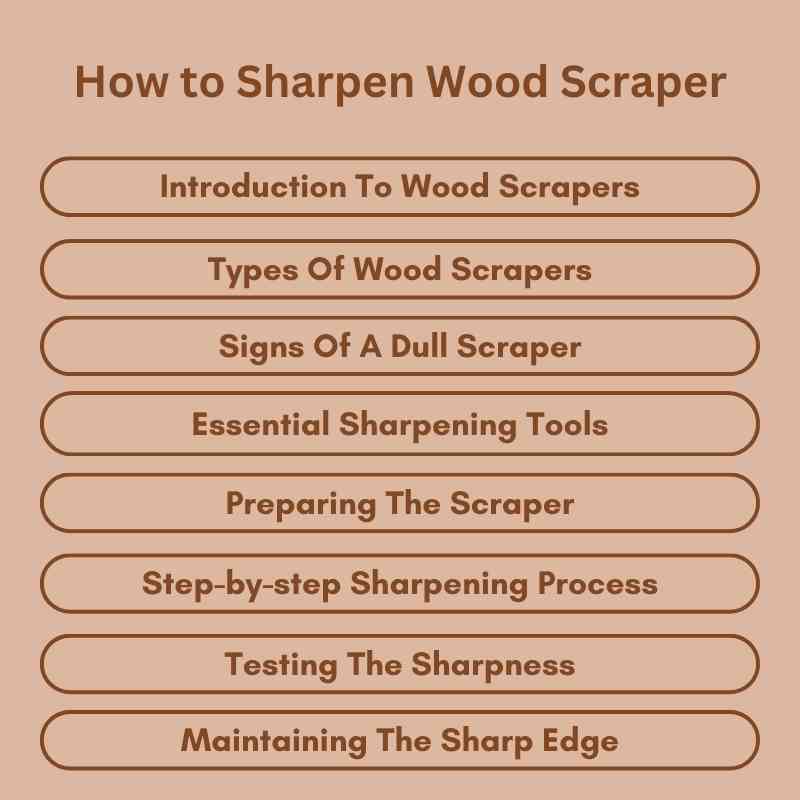
Introduction To Wood Scrapers
Wood scrapers are essential tools in woodworking. They help create a smooth surface on wood. A sharp scraper removes material easily. This saves time and effort in projects.
Benefits of a sharp scraper include:
- Efficiency: Sharp scrapers work faster and require less force.
- Quality: A sharp edge gives a smoother finish.
- Control: Better control leads to fewer mistakes.
- Durability: A well-maintained scraper lasts longer.
Types Of Wood Scrapers
Flat scrapers are simple tools with a straight edge. They work well on flat surfaces. Use them for smoothing and shaping wood. These scrapers are great for creating a fine finish.
Curved scrapers have a rounded edge. They are perfect for detailed work on curved surfaces. Use them to refine shapes and remove small imperfections. They help in achieving a smooth, polished look.
| Type of Scraper | Best Use |
|---|---|
| Flat Scrapers | Smoothing flat surfaces |
| Curved Scrapers | Detailing curved surfaces |
Signs Of A Dull Scraper
A dull scraper will produce ineffective shavings. The wood may tear instead of shaving smoothly. This makes the surface uneven. It can be frustrating to use.
Another sign is increased physical effort. You may find yourself pressing harder. A sharp scraper needs less force to cut. If it feels heavy, it likely needs sharpening.
Essential Sharpening Tools
To sharpen a wood scraper, use essential tools. Each tool has a specific purpose.
Burnishing Tools help create a smooth edge. They are easy to use and effective.
Sharpening Stones come in different grits. Use coarse stones for initial sharpening and fine stones for finishing. This gives a sharp edge.
Files are useful for shaping the scraper. They remove material quickly. Choose the right file for your needs.
| Tool | Purpose |
|---|---|
| Burnishing Tool | Smooths the edge |
| Sharpening Stones | Sharpens to desired edge |
| Files | Shapes the scraper |
Preparing The Scraper
Start by cleaning the surface of the wood scraper. Use a damp cloth to remove dust and dirt. This makes it easier to see any flaws.
Next, inspect the scraper closely. Look for nicks, cracks, or bends. These flaws can affect performance. If flaws are found, they may need repair before sharpening.
Keep the scraper’s handle clean, too. A clean handle provides better grip and control. Proper care ensures longer tool life and better results.
Step-by-step Sharpening Process
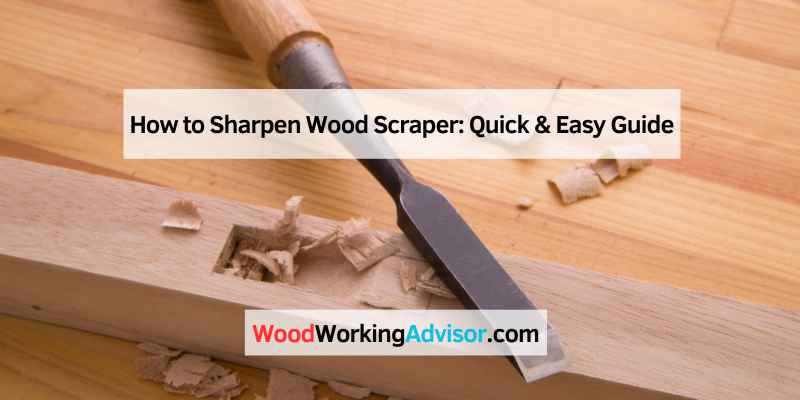
Start by flattening the edges of your wood scraper. Use a flat file or a sharpening stone. Work in a consistent motion to achieve a smooth surface.
Next, focus on refining the edge. Hold the scraper at a slight angle. Use a finer grit stone to sharpen the edge carefully.
Finally, burnishing the burr is essential. Use a burnishing tool to create a sharp, polished edge. This step makes scraping easier and more effective.
Testing The Sharpness
To ensure your wood scraper is sharp, perform a scraping test. Use a piece of wood and apply slight pressure. A sharp scraper will remove thin layers easily. If it struggles, sharpening is needed.
Next, conduct a visual inspection. Look for any nicks or dull areas on the blade. A shiny, smooth edge indicates good sharpness. If the edge appears rough or uneven, it requires attention.
Maintaining The Sharp Edge
Proper storage keeps your wood scraper in top shape. Always store the scraper in a dry place. Avoid damp areas to prevent rust. Use a protective cover or sheath for safety.
Regular honing is key for a sharp edge. Use a fine stone or honing tool. Hone the scraper at a consistent angle. This helps maintain the sharpness.
Check the edge often for wear. A dull scraper can damage wood. Keeping the edge sharp makes scraping easier and cleaner.
Troubleshooting Common Issues
Uneven burnishing can happen for several reasons. Check the angle of the scraper. Adjusting this angle can lead to better results. Use a consistent pressure while burnishing. This helps achieve a smooth surface.
Overheating the metal is another common issue. Excessive heat can soften the blade. This makes it hard to sharpen effectively. Keep your metal cool during the sharpening process. Use water or oil to reduce heat buildup.
Always test your scraper after adjustments. Look for smoothness on the wood surface. If problems persist, repeat the process. Patience is key to effective sharpening.
Frequently Asked Questions
How Often Should I Sharpen My Wood Scraper?
You should sharpen your wood scraper whenever you notice it becoming dull. A sharp scraper provides better control and smoother finishes. Regular maintenance, ideally after every few uses, ensures optimal performance. This practice extends the life of your tool and improves your woodworking results.
What Tools Are Needed To Sharpen A Wood Scraper?
To sharpen a wood scraper, you typically need a burnisher, a sharpening stone, and a vise. A burnisher helps create a hook on the scraper edge. A sharpening stone allows for precise sharpening. Using a vise securely holds the scraper during sharpening, enhancing safety and effectiveness.
Can I Use A File To Sharpen A Wood Scraper?
Yes, you can use a file to sharpen a wood scraper. Choose a fine-toothed file for better results. Start by filing the edge to remove any nicks or damage. Following this, use a burnisher to create a hook. This method is effective for maintaining sharpness.
What Is The Best Angle To Sharpen A Wood Scraper?
The best angle to sharpen a wood scraper is typically around 45 degrees. This angle promotes a sharp edge while maintaining durability. Ensure that the edge is consistent throughout the length of the scraper. Experimenting with slight variations can help you find what works best for your projects.
Conclusion
Sharpening a wood scraper is essential for effective woodworking. Regular maintenance ensures clean cuts and smooth surfaces. Follow the techniques outlined in this guide for best results. With practice, you’ll master the art of sharpening. Enjoy your woodworking projects with a well-prepared scraper, and watch your skills improve dramatically.