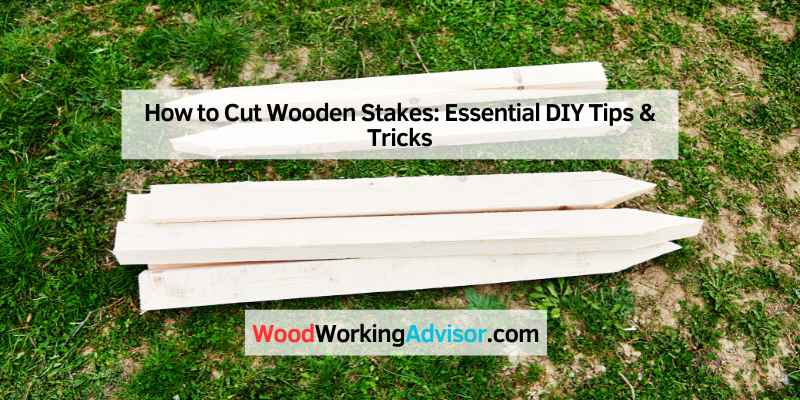
How to Cut Wooden Stakes (Including the Point)
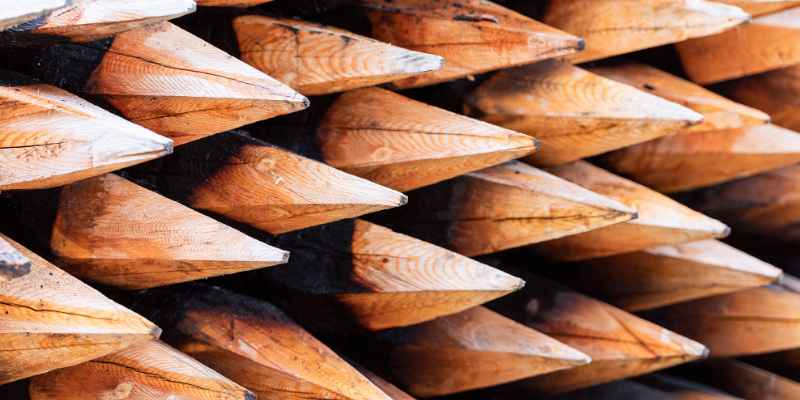
Cutting a wooden stake is really two separate cuts: a square cut to length, and an angled point cut so the stake actually drives into the ground — most guides only cover the first one. The point is 2 to 4 angled faces meeting at a tip, cut with a miter saw and a jig, a hand saw, or a hatchet. Never cut a taper freehand on a power miter saw; the workpiece can bind and kick back. This guide covers both cuts, the safe jig method, and wood selection for stakes that survive being driven into ground.
Cutting the Point (the Step Most Guides Skip)
Best No-Power-Tool Stake Pointer
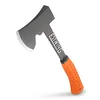
Estwing Camper’s Axe with Stake Puller – $39.99
Matches the hatchet method above for pointing stakes in the field with no power tool, and the built-in stake puller pulls the same stakes back out later without prying them with a screwdriver.
- Best for: pointing and later removing garden or survey stakes with one tool
- Why we picked it: forged one-piece steel construction and a stake puller most camp hatchets don’t include
- Main drawback: a hatchet-cut point is less uniform than a jig-cut point on a miter saw
As an Amazon Associate we earn from qualifying purchases.
A stake needs a point to drive into soil without splitting or mushrooming at the tip. There are three practical ways to cut one:
- Miter saw with a jig (fastest, most consistent): set the miter saw to 45°, clamp the stake in a simple plywood jig that holds it at a fixed angle away from the blade, make one angled cut, flip the stake, and make the second cut on the opposite face to form a wedge point. For a 4-sided pyramid point, rotate the stake 90° and repeat both cuts on the other two faces.
- Hand saw: mark the angled cut lines on all faces first, then saw each face by hand — slower, but no power-tool taper-cut risk at all.
- Hatchet or camp axe: hold the stake against a chopping block (never in your other hand) and shave angled cuts from each face working away from your body, rotating as you go. This is the traditional method for field-cutting stakes with no power tool on hand.
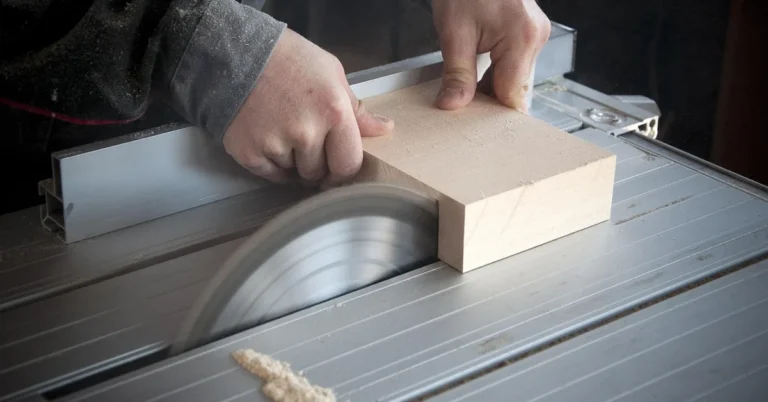
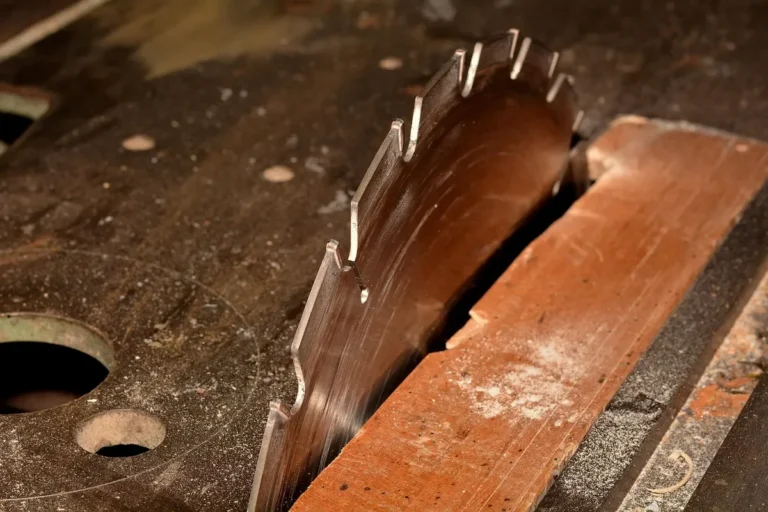
Safety rule that matters here: never attempt a taper or point cut freehand on a miter saw or table saw — without a jig holding the workpiece at a fixed angle, the thin tapered offcut can catch the blade and kick back. A simple jig (a plywood base with a fence at the cutting angle) takes a few minutes to build and removes that risk entirely; the video below shows the jig method in practice.
Selecting the Right Wood
- Pine or spruce — lightweight, easy to cut and point, best for temporary garden stakes and marking.
- Cedar — naturally rot- and insect-resistant, worth the extra cost for stakes left in the ground season after season.
- Oak — strong and durable but harder to point by hand; best reserved for permanent structural stakes rather than garden markers.
Match the wood to the job: a tomato stake left out all summer benefits from cedar’s rot resistance, while a one-day survey marking stake doesn’t need anything beyond cheap pine.
Cutting to Length
- Measure and mark the finished length with a pencil and square — mark on two adjacent faces so the line is visible no matter which side faces the blade.
- Secure the wood with a clamp or vise; never hold a workpiece by hand for a saw cut.
- Cut square through the marked line with a hand saw, circular saw, or miter saw.
- Sand the cut end lightly if it will be handled — a square-cut end is more prone to splintering than the pointed end will be once shaped.
Common Mistakes
- Cutting a taper freehand on a power miter saw. Covered above — always use a jig.
- Only marking one face. If the line isn’t visible from the angle you end up cutting from, the cut drifts off-square.
- Ignoring grain direction on the point. Pointing with the grain (along the length) sheds material cleanly; cutting across the grain near the tip is what causes splitting when the stake is driven.
- Skipping sanding on the square-cut end. The pointed end rarely splinters in use, but a rough square-cut top edge (the part you’ll be hammering or handling) often does.
Finishing and Protecting the Stake
Sand the top edge smooth (start around 80-120 grit, finish at 220 if the stake will be handled often), then apply a wood sealant, exterior paint, or spar varnish if the stake will spend more than a season outdoors — this matters far more for pine or spruce than for naturally rot-resistant cedar. Let any coating cure fully before driving the stake, since a wet finish picks up soil and grit on the way in.
Uses for Cut Stakes
- Garden support: staking tomatoes, beans, and other climbing plants, or marking planting rows.
- Survey and layout marking: temporary boundary or grade markers for a construction or landscaping layout.
- Temporary structures: securing tent corners, tarps, or a temporary fence line.
- Craft projects: painted plant labels, small trellises, or simple picture-frame builds.
Frequently Asked Questions
How do I choose the right wood for stakes?
Match the wood to how long the stake needs to last: pine or spruce for cheap, temporary marking stakes; cedar for anything left in the ground for a full growing season or longer, since it resists rot and insects naturally; oak only for permanent structural stakes, since it’s harder to point by hand.
What tools are needed to cut wooden stakes?
A saw (hand saw, circular saw, or miter saw) for the length cut, a pencil and square for marking, a clamp to secure the wood, and either a miter-saw jig or a hatchet for the angled point cut. Never point a stake freehand on a power miter saw.
How long should wooden stakes be cut?
Length depends on use: garden plant stakes typically run 12-48 inches depending on the plant, survey marking stakes are often 12-18 inches, and tent or tarp stakes are usually 8-12 inches. As a rule of thumb, plan for roughly one-third of the stake’s length to go into the ground.
Can I reuse wooden stakes?
Yes, as long as the point isn’t split or crushed and the wood hasn’t started rotting. Pull the stake straight up rather than prying it sideways to avoid splitting the point, re-sharpen the tip with a knife or hatchet if it’s worn round, and store stakes dry between uses.
For the saw itself, see our right-handed circular saw picks if you need one for the length cuts.
Conclusion
Cutting a usable wooden stake means two cuts, not one: a square cut to length, then an angled point cut using a jig on a miter saw, a hand saw, or a hatchet — never freehand a taper cut on a power tool. Match the wood to how long the stake needs to last, and a few minutes of sanding and sealing at the end makes the difference between a stake that lasts one season and one that survives several.
Sponsored / affiliate links. As an Amazon Associate I earn from qualifying purchases. I may earn additional commission from eligible campaigns.