
How to Store Firewood Indoors: Smart & Safe Tips
To store firewood indoors, choose a shed or a trunk, and protect it from moisture to ensure effective burning when needed. Proper airflow behind the wood is crucial for storage.
Storing firewood indoors is a convenient option for keeping it dry and easily accessible during the colder months. Whether it’s for a fireplace, wood stove, or other heating purposes, having firewood readily available indoors can be a practical solution. However, it’s essential to understand the best practices for indoor firewood storage to maintain its quality and ensure safety.
By following some key guidelines, you can effectively store firewood indoors while keeping it in optimal condition for later use.
Choosing The Right Firewood
When it comes to storing firewood indoors, choosing the right type of firewood is crucial for ensuring a safe and efficient storage solution. Let’s explore the key aspects of selecting the right firewood to store indoors.
Identifying Seasoned Wood
Seasoned wood, also known as dry wood, is the most suitable option for indoor firewood storage. It has been left to dry for at least 6-12 months after being cut, allowing it to reach a moisture content of around 20%. This low moisture level makes seasoned wood easier to ignite and produces less smoke and creosote when burned. Look for these signs to identify seasoned wood:
- Grayish or faded color
- Cracks or splits on the ends
- Lightweight feel compared to green wood
Benefits Of Kiln-dried Logs
Kiln-dried logs are an excellent option for indoor storage due to their low moisture content, typically below 20%. Kiln-drying involves placing the wood in a high-temperature kiln, which accelerates the drying process and eradicates any pests or fungi. The benefits of using kiln-dried logs for indoor storage include:
- Consistent low moisture content
- Minimal smoke and creosote production
- Reduced risk of pest infestation
Pre-storage Preparation
When it comes to storing firewood indoors, there are a few steps you can take to ensure proper pre-storage preparation. First, make sure the firewood is dry and seasoned before bringing it inside. Next, stack the firewood in a well-ventilated area, leaving some space between the wood and the wall for airflow.
Finally, protect the firewood from moisture by keeping it off the ground and away from any potential sources of water. By following these guidelines, you can store firewood indoors effectively and safely.
Inspecting Wood For Pests
Before storing firewood indoors, it is important to inspect it for pests. Wood-boring insects like termites and carpenter ants can quickly infest your home if you bring in infested firewood. Look for signs of insect activity like small holes or sawdust near the ends of the logs. If you suspect that your firewood is infested, it is best to burn it outside or dispose of it properly.
Proper Wood Splitting Techniques
Splitting firewood is an essential part of pre-storage preparation. Proper wood splitting techniques can help you produce firewood that is uniform in size and easy to store. When splitting wood, it is important to use a sharp axe or maul, and to wear protective gear like gloves and safety glasses. Always split wood on a flat, stable surface, and aim for logs that are no more than 18 inches in length.
Storing Firewood Indoors
Once you have inspected and split your firewood, it is time to store it indoors. When choosing a storage location, look for a dry, well-ventilated area that is away from walls and other flammable materials. You can stack firewood in a woodshed, on a rack, or in a firewood box. Make sure to leave space between the logs to allow for air circulation, and avoid stacking wood too high, as it can become unstable and dangerous.
Proper pre-storage preparation is essential for storing firewood indoors. Inspecting wood for pests, using proper wood splitting techniques, and choosing the right storage location can help you keep your home warm and safe during the winter months. With these tips in mind, you can enjoy a cozy fire without worrying about pests or other hazards.
Indoor Storage Strategies
When it comes to storing firewood indoors, there are a few key strategies you can follow to ensure that your firewood stays dry and ready to burn. In this section, we will explore two important aspects of indoor firewood storage: selecting an ideal location and creating a dedicated storage space.
Selecting An Ideal Location
The first step in storing firewood indoors is to choose an ideal location. This will help prevent moisture buildup and ensure that your firewood remains in good condition. Here are a few tips to consider:
- Elevate the firewood: Keep your firewood off the ground by using a sturdy rack or pallet. This will help prevent moisture from seeping into the wood and reduce the risk of pests.
- Allow for airflow: Ensure that there is enough space between the wall and the firewood stack to allow for proper airflow. This will help the wood dry out and prevent mold or mildew growth.
- Keep it away from the elements: Avoid placing your firewood storage near windows or doors that are frequently opened. Direct exposure to rain or snow can make the wood damp and difficult to burn.
Creating A Dedicated Storage Space
Creating a dedicated storage space for your firewood is essential for organization and ease of access. Here are a few strategies to consider:
- Use a firewood rack: Invest in a sturdy firewood rack that can hold a significant amount of wood. This will keep your firewood neatly stacked and prevent it from falling over.
- Keep it dry: Ensure that your storage space is well-ventilated and protected from moisture. This can be achieved by using a shed, garage, or covered area to store your firewood.
- Consider a firewood shed: If you have a large amount of firewood to store, you may want to consider building or purchasing a firewood shed. This dedicated structure will provide optimal protection from the elements and keep your firewood dry and ready to use.
By following these indoor storage strategies, you can ensure that your firewood remains in excellent condition and ready to provide warmth during the colder months. Remember to regularly inspect your firewood for any signs of pests or moisture and make adjustments to your storage setup as needed.
Moisture Control Tips
Proper moisture control is crucial when it comes to storing firewood indoors. Excess moisture can lead to mold and rot, making the firewood difficult to ignite and burn efficiently. To ensure your firewood stays dry and ready to use, follow these moisture control tips:
Ensuring Adequate Airflow
One of the key factors in preventing moisture buildup is to ensure adequate airflow around the stored firewood. When stacking firewood indoors, it’s important to leave a bit of space between the woodpile and the wall to allow for proper ventilation. This will help promote air circulation and prevent moisture from accumulating.
Additionally, consider using a firewood rack or pallets to elevate the firewood off the ground. This helps to prevent moisture absorption from the floor and allows air to circulate underneath the stack. Remember to place a barrier, such as a tarp or plastic sheet, between the firewood and the ground to further protect it from moisture.
Using Dehumidifying Methods
Another effective way to control moisture is by using dehumidifying methods. Here are a few options to consider:
- Dehumidifier: Investing in a dehumidifier for the storage area can help remove excess moisture from the air. This can be particularly beneficial if you live in a humid climate or have a basement storage area.
- Silica Gel Packets: Placing silica gel packets among the firewood stack can help absorb moisture and keep the wood dry. These packets are readily available and can be reused by drying them out in the sun.
- Mildew Control Products: Using mildew control products, such as moisture absorbers or desiccant bags, can also help keep the stored firewood free from excess moisture.
Remember to regularly check and replace any dehumidifying agents to ensure their effectiveness in controlling moisture.
By following these moisture control tips, you can ensure that your indoor firewood remains dry and ready to provide warmth and comfort during the colder months. Proper moisture control not only helps with efficient burning but also prevents the growth of mold and preserves the quality of the firewood.

Firewood Access And Rotation
One important aspect of storing firewood indoors is ensuring proper access and rotation. By organizing your firewood supply and regularly using the oldest logs first, you can maintain a steady supply of dry and seasoned firewood for efficient and effective burning during the colder months.
Easy Retrieval Systems
When storing firewood indoors, it’s important to consider how you’ll access it. You don’t want to have to move a stack of logs every time you need to add to the fire. One solution is to use an easy retrieval system, such as a wood rack or a log holder. These systems keep firewood off the ground and organized, making it easy to grab a log or two when you need them.
Implementing A First-in, First-out Policy
To ensure that your firewood stays dry and ready to burn, it’s important to rotate your stock regularly. This means using a first-in, first-out (FIFO) policy, where you use the oldest wood first and add new wood to the back of the stack. This helps prevent moisture buildup and ensures that you always have dry firewood on hand.
Protecting Your Firewood
No matter what system you use to store your firewood, it’s important to protect it from moisture. This means keeping it off the ground, away from walls, and covered with a tarp or other waterproof material. You should also avoid storing firewood too close to your home, as this can attract pests like termites and rodents.
By implementing an easy retrieval system and a FIFO policy, you can ensure that your firewood stays dry and ready to burn all winter long. Just remember to protect it from moisture and pests, and you’ll be able to enjoy a cozy fire whenever you want.
Pest Prevention Techniques
To store firewood indoors, it is important to choose the right type of firewood and ensure it is dry before bringing it inside. Storing firewood in a shed or trunk with protection from moisture and good airflow will help it burn effectively when needed.
Avoid storing firewood inside unless it is kiln-dried to prevent potential pest problems.
Keeping Firewood Off The Ground
Elevate firewood to deter moisture-loving termites and prevent easy access to cellulose sources.
Regular Wood Inspection Routines
Inspect firewood frequently to catch any pest infestations early and prevent further damage.
Storage Aids And Accessories
To store firewood indoors, consider using storage aids and accessories such as firewood racks, log holders, or firewood baskets to keep the wood neatly organized and off the ground. Properly storing firewood indoors helps to prevent moisture buildup and pest infestations, ensuring that the wood remains dry and ready for use.
When it comes to storing firewood indoors, using the right storage aids and accessories can make a significant difference. Proper storage not only keeps your firewood organized but also helps maintain its quality for optimal burning efficiency.
Using Racks And Shelves
One effective way to store firewood indoors is by using racks and shelves. These storage solutions keep your firewood off the ground, preventing moisture buildup and potential pest infestations. Racks and shelves also help in proper air circulation around the firewood, aiding in the drying process.
Firewood Carriers And Totes
Firewood carriers and totes are convenient accessories for transporting firewood from your outdoor storage to indoors. These sturdy carriers not only make it easier to move firewood but also help contain any debris or dirt, keeping your indoor space clean.
– Firewood carriers and totes are designed with durable materials to withstand the weight of firewood.
– They come in various sizes and styles to suit different storage needs.
– Using a carrier or tote can prevent scratches or damage to your floors when moving firewood indoors.
By incorporating these storage aids and accessories into your firewood storage routine, you can ensure a more organized and efficient indoor firewood storage setup.
Safety Considerations
Safety Considerations are paramount when storing firewood indoors to ensure a safe environment. It’s essential to follow specific guidelines to prevent accidents and hazards.
Safe Distance From Heat Sources
When storing firewood indoors, ensure it’s kept at a safe distance from any heat sources such as fireplaces, stoves, or heaters to prevent the risk of fire.
Avoiding Overstocking
Avoid overstocking your indoor firewood storage area to prevent overcrowding, which can lead to poor ventilation and potential mold growth.
Aesthetics Of Indoor Firewood Storage
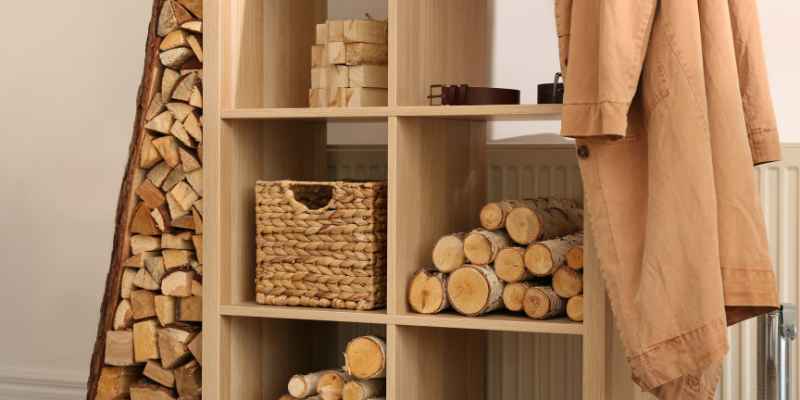
Keep your indoor firewood storage both practical and visually appealing by using stylish log racks, decorative baskets, or sleek storage boxes. These options not only keep the firewood organized and easily accessible but also add a touch of rustic charm or modern elegance to your interior space.
When it comes to indoor firewood storage, blending functionality with aesthetics is essential for a visually appealing space. The way you store your firewood can serve as a decorative element in your home.
Blending Storage With Decor
Incorporate firewood storage into your interior design to enhance the overall look of your space. Choose storage solutions that complement your existing decor style.
Creative Display Ideas
Explore creative ways to display your firewood indoors. Consider using stylish baskets, decorative crates, or sleek wall-mounted racks to add a touch of elegance to your space.
Legal And Insurance Implications
When storing firewood indoors, it is important to consider the legal and insurance implications. Ensure that the firewood is properly stored in a safe location, such as a shed or trunk, to prevent any potential fire hazards. Additionally, protect the firewood from moisture to ensure it burns effectively when needed.
Understanding Local Fire Codes
Storing firewood indoors can be a great way to ensure you have a ready supply of fuel for your fireplace or wood stove. However, it’s important to understand local fire codes before you begin storing wood inside your home. Many areas have specific regulations regarding indoor firewood storage, such as minimum clearance distances from walls and other combustible materials. Failure to comply with these codes could result in fines or other legal penalties. Be sure to check with your local fire department or building code enforcement agency before you start storing firewood indoors.
Impact On Homeowners Insurance
In addition to complying with local fire codes, it’s important to consider the impact that storing firewood indoors could have on your homeowners insurance. Some insurance policies may require that firewood be stored a certain distance from your home or that you maintain a minimum amount of clearance around the wood. Failure to comply with these requirements could result in your insurance policy being voided, leaving you without coverage in the event of a fire. Be sure to review your policy carefully and talk to your insurance agent if you have any questions or concerns about storing firewood indoors.
When storing firewood indoors, it’s important to take steps to minimize the risk of fire and ensure that your home and family are safe. This includes choosing the right type of firewood, storing it in a dry, well-ventilated area, and complying with local fire codes and insurance requirements. By following these guidelines, you can enjoy the warmth and comfort of a wood fire without putting your home or loved ones at risk.
Frequently Asked Questions
Is It Okay To Store Firewood In A House?
Storing firewood indoors is okay if it’s kiln-dried. Green and seasoned firewood should be stored outdoors.
How To Store Firewood To Avoid Termites?
To avoid termites, store firewood off the ground to deter moisture-loving termites. Choose a shed or trunk for indoor storage, and ensure good airflow to prevent mold. Keep firewood at least five feet from your home’s foundation and avoid stacking it against wooden walls.
Is It Ok To Store Firewood In Your Garage?
Storing firewood in your garage is generally not recommended. Firewood can attract pests and insects, and it may also introduce moisture and mold into your garage. It’s best to store firewood outdoors, elevated off the ground and protected from rain and snow.
How To Store Firewood Inside For Winter?
To store firewood inside for winter, choose a shed or keep it in a trunk in your home. Protect it from moisture to ensure it burns effectively.
Conclusion
Storing firewood indoors requires careful consideration to ensure it remains dry and pest-free. By choosing the right type of firewood and keeping it elevated off the ground, you can protect it from termites and moisture. Additionally, storing firewood in a well-ventilated area, such as a shed or trunk, will help maintain its quality for efficient burning.
Remember to leave space for airflow and avoid stacking it against wooden walls. By following these guidelines, you can store firewood indoors effectively and enjoy cozy fires throughout the winter.