How to Remove Spray Paint From Wood: 4 Methods Compared
Mineral spirits and citrus-based paint strippers lift spray paint from finished wood without harming the stain or clear coat underneath — but raw, unfinished wood should be sanded instead, since liquid solvents soak into open grain and leave dark blotches. Using the wrong method, like scrubbing bare wood with acetone or a harsh stripper, can strip the wood’s own finish along with the paint. This guide compares mineral spirits, citrus stripper, sanding, and household options like WD-40 so you can pick the one that won’t damage your wood.
Quick Answer
Finished wood: wipe with mineral spirits or a citrus paint stripper, let it sit, then scrape with a plastic putty knife. Raw, unfinished wood: skip liquids entirely and sand with 120-grit paper, since solvents soak in and stain the open grain. Never use WD-40 or Goo Gone on bare wood — both leave an oily film that blocks stain and finish from soaking in later.
What You’ll Need
Best Spray Paint Remover Pick
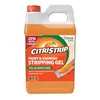
Citristrip Stripping Gel, 40 oz
A citrus-scented gel stripper that clings to vertical surfaces and stays workable for hours, so it can sit longer on stubborn spray paint without drying out.
- Best for: Thick or multiple layers of dried spray paint on finished wood
- Why we picked it: Low odor compared to methylene-chloride strippers, safe for indoor use with ventilation
- Main drawback: Slower than harsher solvent strippers on very old, hardened paint
Compare more spray paint removal options
 Option 1 Klean-Strip Odorless Mineral Spirits, 1 Gal
|
 Option 2 3M Pro Grade 120 Grit Sandpaper, 20-Pack
|
 Option 3 5-Piece Putty Knife & Scraper Set
|
As an Amazon Associate we earn from qualifying purchases.
- Mineral spirits or a citrus-based paint stripper
- 120-grit sandpaper (for raw, unfinished wood)
- A plastic putty knife or scraper — metal can gouge softer woods
- Clean cotton rags or sponges
- Rubber gloves, safety goggles, and a dust mask or respirator
- A well-ventilated work area or a drop cloth if working outdoors
Compare the 4 Ways to Remove Spray Paint From Wood
| Method | Wait Time | Approx. Cost | Best For |
|---|---|---|---|
| Mineral spirits | 5–10 min | ~$18–$23/gal | Finished wood, light overspray |
| Citrus paint stripper | 15 min–several hrs | ~$17–$25 | Finished wood, thick or multiple coats |
| Sanding (120-grit) | N/A — mechanical | ~$8–$20/pack | Raw, unfinished wood |
| WD-40 / Goo Gone | 5–10 min | ~$8–$10 | Quick spot removal on finished wood ONLY — avoid on raw wood, leaves oily residue |
Remove Spray Paint From Finished Wood With Mineral Spirits
Mineral spirits work best on finished wood — furniture, trim, or cabinets that already have a stain, paint, or clear coat protecting the surface — because the solvent dissolves fresh or lightly dried spray paint without soaking into bare grain.
- Ventilate the area and put on rubber gloves and safety goggles.
- Dampen a clean cloth with mineral spirits — don’t soak it.
- Rub the painted area with light, even pressure until the paint begins to lift.
- Wipe the spot with a dry cloth to remove any leftover solvent and paint residue.
If the paint hasn’t fully softened after two passes, move on to a stronger paint stripper instead of scrubbing harder — excess rubbing can dull or scratch the existing finish.
Strip Stubborn or Multiple Layers With a Citrus Paint Stripper
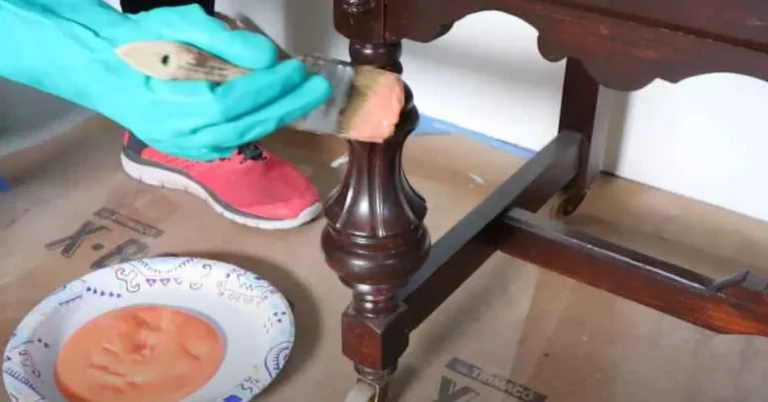
When mineral spirits aren’t enough — old, dried-on overspray or several layers of paint — a citrus-based paint and varnish remover gel does the heavy lifting with a much lower odor than traditional chemical strippers, so it’s safe to use indoors.
- Ventilate the space and wear gloves, goggles, and a mask.
- Brush or sponge a liberal, even coat of stripper over the entire painted area.
- Let it sit per the label — usually 15–20 minutes for a single coat, up to several hours for heavy buildup.
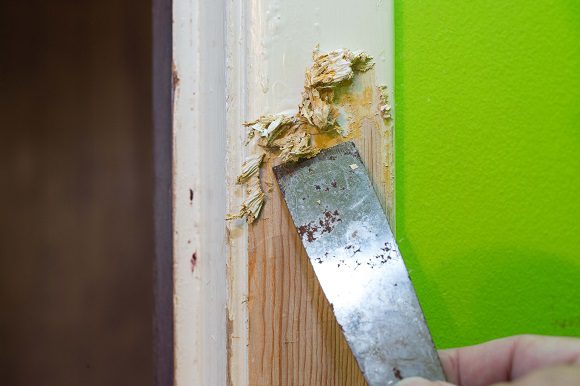
- Scrape off the softened paint with a plastic putty knife, working with the wood grain.
- Wipe the area with a damp cloth to remove any leftover residue before it dries.
Sand Spray Paint Off Raw or Unfinished Wood
On bare, unfinished wood, skip liquid solvents entirely. Mineral spirits and strippers soak into open grain and leave dark, uneven blotches that show through later stain or paint. Sanding is slower but keeps the surface even.
- Start with 120-grit sandpaper — coarser grits remove wood faster than they remove paint.
- Sand in the direction of the wood grain using firm, even pressure.
- Check your progress every few passes so you don’t remove more wood than necessary.
- Wipe the surface with a damp cloth and inspect for any remaining flecks of paint before refinishing.
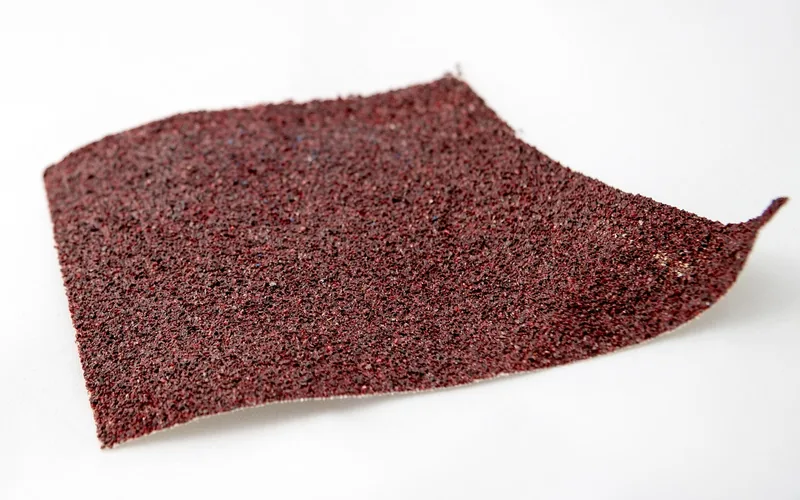
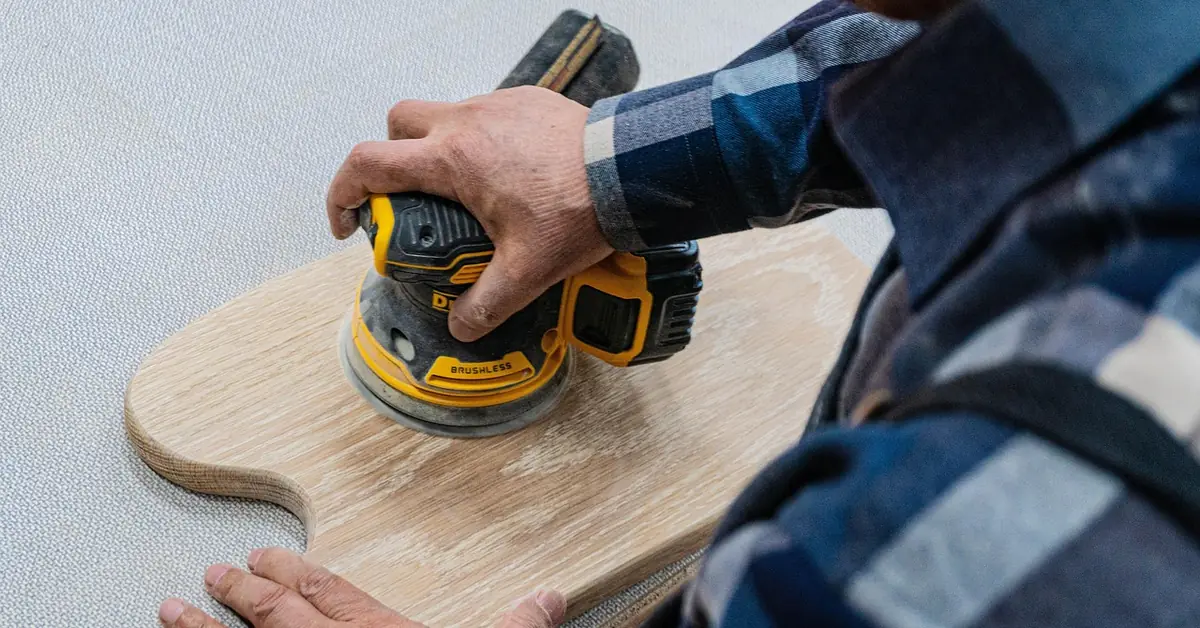
If the spray paint has soaked deep into the grain, a random orbital sander speeds up the job significantly compared to sanding by hand.
Common Mistakes That Damage the Wood
- Using acetone on a finished surface. Acetone dissolves lacquer, shellac, and many polyurethane finishes, so it strips the paint and the finish underneath together.
- Reaching for WD-40 or Goo Gone on raw wood. Both work on sealed surfaces, but on bare wood they soak in and leave a greasy stain that blocks future stain or finish from absorbing.
- Scraping with a metal putty knife. Metal edges can gouge softwoods like pine. Use the plastic edge first and only switch to metal on the hardest, most stubborn spots.
- Skipping the spot test. Always test any solvent on a hidden corner first — some stains and finishes react unpredictably to mineral spirits or citrus strippers.
FAQ
Does WD-40 remove spray paint from wood?
Yes, WD-40 can loosen dried spray paint after 5–10 minutes of soaking and wiping, but only use it on wood that already has a sealed finish. On raw or unfinished wood it soaks into the grain and leaves an oily film that blocks stain and finish from absorbing later. Always test an inconspicuous spot first.
Does acetone damage wood finish?
Yes. Acetone dissolves lacquer, shellac, and many polyurethane finishes on contact, so it strips the paint and the finish underneath at the same time. Reserve acetone for raw wood, or for pieces you already plan to fully refinish.
How do you remove spray paint from wood without sanding?
On finished wood, apply mineral spirits or a citrus-based paint stripper with a cloth, let it sit 15–20 minutes, then lift the softened paint with a plastic scraper. Sanding is only necessary once paint has soaked into bare, unfinished wood grain.
How long should paint stripper sit before scraping?
Most gel and liquid strippers need 15–20 minutes for a single thin coat of spray paint, though citrus-based strippers can sit for several hours on heavy or multiple layers. Check the product label — scraping too early leaves paint behind, and letting it dry out means reapplying.
Will rubbing alcohol remove spray paint from wood?
Rubbing alcohol softens newly dried latex or water-based spray paint, but has little effect on oil-based spray paint, which is what most aerosol cans use. If a cotton swab test with alcohol doesn’t loosen the paint within a minute, switch to mineral spirits or a paint stripper instead. For spray paint on cars, walls, or furniture rather than wood, see our guide on removing spray paint without damaging the paint underneath.
Conclusion
Match the method to the wood: mineral spirits or a citrus stripper for finished surfaces, sandpaper for raw wood, and steer clear of WD-40 or Goo Gone on anything unsealed. Test on a hidden spot first, work patiently, and you’ll lift the paint without damaging the wood underneath.
Sponsored / affiliate links. As an Amazon Associate I earn from qualifying purchases. I may earn additional commission from eligible campaigns.