How to Make Spray Paint Dry Faster (Safely, With Real Times)
Spray paint dries to the touch in 10 to 30 minutes and fully cures in 24 to 48 hours — thin coats and steady airflow at 70°F cut that time the most, while a heat gun held too close to still-wet paint can ignite the fumes. This guide covers safe drying methods, real dry times by paint type, and the heat-gun mistakes that ruin a finish or start a fire.
Affiliate disclosure: This post contains Amazon affiliate links. As an Amazon Associate we earn from qualifying purchases.
How Long Does Spray Paint Really Take to Dry?
Best Fast-Dry Spray Paint Pick
Rust-Oleum Painter’s Touch 2X Ultra Cover Spray Paint, Flat Black
A true quick-dry formula — dry to the touch in about 20 minutes with thin coats, so you’re not waiting around or relying on a heat gun to finish the job.
- Best for: small furniture, metal, and wood projects that need a fast, even coat
- Why we picked it: formulated specifically for faster dry-to-touch time without added heat
- Main drawback: full 24-hour cure still applies before heavy handling
Compare more spray paint drying options
 Option 1 Amazon Basics 20-Inch 3-Speed Box Fan
|
 Option 2 TODOKI Large Spray Paint Tent
|
 Option 3 WORDFUN Lazy Susan Swivel Turntable
|
As an Amazon Associate we earn from qualifying purchases.
Dry to the touch and fully cured are two different things — a coat can look and feel dry within 30 minutes while the layers underneath are still hardening for another day or more. Recoating, stacking, or handling roughly before the paint has actually cured is what causes wrinkling, tackiness, and fingerprints weeks later. Painting outdoors changes these numbers too — see whether spray paint really dries faster in direct sun before you set a piece outside.
More wood paint and finish guides cover primer selection, topcoats, and cure times in more depth if you’re working on a full project rather than a quick touch-up.
Real Drying Times by Spray Paint Type
| Paint Type | Dry to Touch | Safe to Recoat | Full Cure |
|---|---|---|---|
| Lacquer | 10-30 min | 1 hour | 24 hours |
| Acrylic enamel | 2-4 hours | 1 hour, or wait 48 hours | 24-48 hours |
| Oil-based enamel | 1-2 hours | 24 hours | 24 hours-7 days |
| Metal-rated spray paint | 10 min | 1 hour | 24 hours |
Times assume ~70°F, ~50% humidity, and thin coats. Cold, humid, or thick-coated conditions can double or triple every number above.
Choose the Right Paint and Prep the Surface
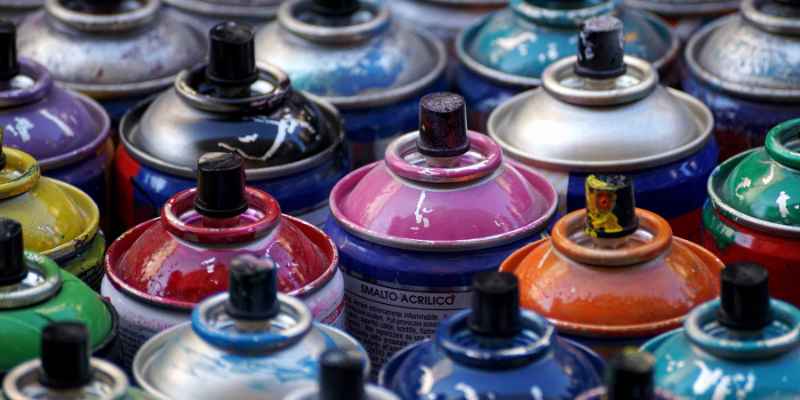
The fastest-drying can of paint still won’t dry quickly on a dirty, unprimed, or humid surface. Two things matter more than any accelerant: the paint’s own drying formula, and how the surface was prepped before you sprayed it.
Pick a Fast-Dry Formula
Look for “quick-dry” or “fast-cure” on the label — these formulas use additives that let solvents evaporate faster, so the paint is dry to the touch within 10 to 30 minutes instead of the 1-2 hours a standard oil-based can takes.
Clean, Sand, and Prime First
Wipe off dust and grease with a mild detergent and water, then scuff the surface with fine-grit sandpaper so the paint has something to grip. A light coat of compatible primer creates a bond that dries faster and more evenly than paint applied directly to bare wood or metal — skip this step on porous wood and the first coat can stay tacky twice as long while it soaks into the grain.
Spray in Thin, Even Coats
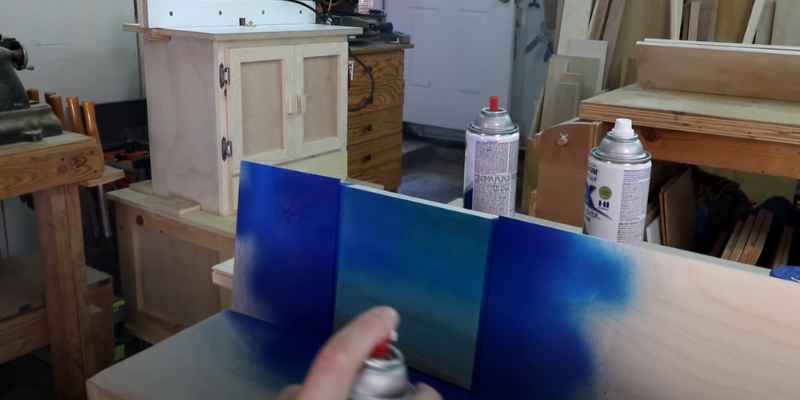
Hold the can 8 to 12 inches from the surface and use light, sweeping passes. A single thick coat traps solvent underneath a skin that looks dry on top, which is exactly what causes wrinkling later — two or three thin coats, each allowed to flash off for a few minutes, will always dry faster and more reliably than one heavy coat.
Safe Ways to Speed Up Drying
Once the paint is applied, three things speed up drying without any risk: warm air, steady airflow, and low humidity. A fourth — direct heat from a heat gun or space heater — works, but only if you understand what makes it dangerous.
Warm, Dry, Moving Air
A room around 70°F (21°C) with roughly 50% humidity is the sweet spot — cold air thickens the paint and slows evaporation, while humid air keeps the solvent from leaving at all. Point a fan across the painted surface (never directly at it from close range) to keep fresh air moving without disturbing the wet finish, and avoid painting on rainy or heavily humid days if you can wait. If you’re painting a wood piece, the wood itself matters too — check what moisture level is acceptable in wood before spraying, since damp wood slows drying from underneath no matter how good the airflow is on top.
Is It Safe to Use a Heat Gun or Space Heater on Spray Paint?
⚠️ Fire risk: Spray paint solvent and propellant are flammable, and they’re most concentrated in the air during application and the first few minutes after. A heat gun run close to still-wet paint in an enclosed space can ignite those fumes. Never use an open flame, torch, or oven to speed-dry spray paint, and never run a heat gun or space heater over paint that is still wet or tacky — wait until it’s dry to the touch first.
If you do use a heat gun or hair dryer on already-dry-to-the-touch paint: work in a well-ventilated area away from other aerosol cans and flammable material, set it to low or medium heat only, keep it moving continuously 10-12 inches from the surface, and never leave it aimed at one spot. A beginner mistake worth knowing: holding the heat source still for even a few seconds is enough to blister or ripple the finish — keep your hand moving in slow sweeps the entire time.
Used this way — low heat, constant motion, only on paint that’s already dry to the touch, in a ventilated space — a heat gun or hair dryer is a normal and safe way to shave time off the cure. What turns it dangerous is skipping any one of those conditions: high heat, a fixed position, or use on paint that’s still wet.
Ventilation Beats Heat for Most Projects
For most DIY and shop projects, a well-ventilated area with a box fan moving air across the piece cuts drying time nearly as much as a heat gun, with none of the fire risk or blistering risk. Set up in a garage with the door open or a shop with cross-breeze, keep the object elevated so air reaches the underside, and let the fan run until the piece is fully cured — not just dry to the touch.
Common Mistakes That Slow Drying (or Ruin the Finish)
- Spraying one thick coat instead of several thin ones — traps solvent underneath a surface skin that looks dry but isn’t.
- Painting in high humidity or below 50°F — both can stretch a normal 1-hour dry time out to several hours or more.
- Holding a heat gun in one spot — blisters and ripples the finish in seconds, even on paint that’s already dry to the touch.
- Applying heat to paint that’s still wet or tacky — the real fire-risk window, since solvent fumes are still concentrated near the surface.
- Recoating too soon — adding a second coat before the first has flashed off can lift or wrinkle both layers.
- Skipping primer on bare wood — the first coat soaks into open grain and stays tacky far longer than it should.
Overspray happens even with careful technique — if paint lands somewhere it shouldn’t, see how to get spray paint off a wood floor before it has a chance to fully cure, since dried overspray is far harder to remove than a fresh spot.
Frequently Asked Questions
How long does spray paint take to dry?
Most spray paint is dry to the touch in 10 to 30 minutes and safe to recoat within an hour, but full cure — the point where the finish is fully hardened — takes 24 to 48 hours, and up to 7 days for some oil-based formulas. Cold or humid conditions can roughly double every number.
Will heat make spray paint dry faster?
Yes. Warm, moving air speeds up solvent evaporation, which is why a room around 70°F with a fan running dries paint faster than a cold, still garage. Direct heat from a heat gun works too, but only on paint that’s already dry to the touch — applying it to wet paint risks igniting the solvent fumes.
Is it safe to use a heat gun to dry spray paint?
It’s safe on paint that is already dry to the touch, used on a low setting, kept moving 10-12 inches from the surface, in a ventilated area away from other aerosols. It is not safe on paint that is still wet or tacky, since the concentrated solvent fumes near a fresh coat can ignite from the heat gun’s element.
Can you use a hair dryer on spray paint?
Yes, a hair dryer on its lowest heat setting is a gentler option than a heat gun and works the same way — only use it on paint that’s already dry to the touch, and keep it moving continuously to avoid blistering the surface.
How long before spray paint is safe to touch or handle?
Dry to the touch usually means safe for light handling within 10 to 30 minutes, but wait the full 24 to 48 hour cure time before stacking, wrapping, or using the item roughly — touch-dry paint can still scratch, dent, or stay slightly soft underneath.
Conclusion
Thin coats, warm dry air, and steady airflow will cut most spray paint jobs down to a 10 to 30 minute dry-to-touch window without any added risk. A heat gun or hair dryer can shave off more time, but only once the paint is already dry to the touch — used on wet paint or held in one spot, it’s a fire and blistering risk instead of a shortcut. Either way, give the full 24 to 48 hour cure before handling the piece hard.
Sponsored / affiliate links. As an Amazon Associate I earn from qualifying purchases. I may earn additional commission from eligible campaigns.