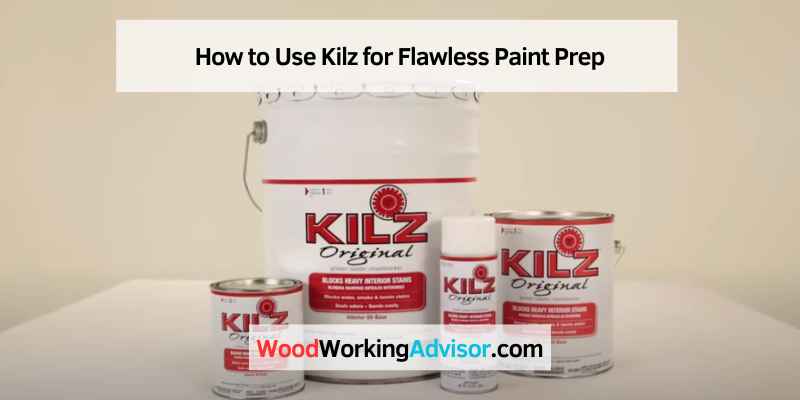
How to Use Kilz for Flawless Paint Prep
To use Kilz, first clean the surface, apply the primer with a brush or roller, and allow it to dry completely before applying paint. Kilz is a popular primer that helps to seal and cover stains, providing a smooth and even base for paint application.
It is commonly used on interior and exterior surfaces such as walls, ceilings, and woodwork. By following the proper steps and using Kilz as directed, you can achieve a professional and long-lasting finish for your painting projects. Whether you are looking to cover up water stains, smoke damage, or simply want to ensure a durable paint job, Kilz is a reliable choice.
Introduction To Kilz Primer
Discover how to effectively apply Kilz Primer for optimal results. Prepare surfaces by cleaning thoroughly before priming. Apply Kilz evenly and allow proper drying time for a flawless finish.
If you’re planning on painting a room or surface, you may have heard of Kilz primer. Kilz is a brand of primer that helps prepare surfaces for painting by providing a smooth, even base. In this article, we’ll explore the role of primer in paint prep and what sets Kilz apart from other primers.
The Role Of Primer In Paint Prep
Before you start painting, it’s important to prep the surface you’ll be painting on. This process includes cleaning the surface, filling in any holes or cracks, and applying primer. Primer is essential because it helps the paint adhere better to the surface, provides a more even coverage, and can even help prevent stains or odors from bleeding through the paint.
What Sets Kilz Apart
Kilz primer is known for being a top-quality primer that helps achieve a professional-looking finish. Here are some of the features that set Kilz apart from other primers:
- Kilz can be used on a wide variety of surfaces, including drywall, wood, brick, and metal.
- Kilz can help prevent stains from seeping through the paint, making it ideal for surfaces with water damage or smoke damage.
- Kilz has a fast-drying formula, allowing you to paint over it within an hour or two.
- Kilz comes in a variety of formulas, including oil-based, water-based, and spray-on versions.
In conclusion, Kilz primer is an excellent choice for anyone looking to achieve a professional-looking paint job. By using Kilz primer, you can ensure that your surface is properly prepped and that your paint will adhere evenly and last longer.
Types Of Kilz Primers
Kilz offers a range of primers suitable for various surfaces, including wood, metal, and masonry. To use Kilz primers effectively, start by preparing the surface, applying the primer evenly, and allowing it to dry thoroughly before adding a topcoat for a smooth and durable finish.
Choosing The Right Kilz Primer
When it comes to using Kilz primers, it’s important to choose the right one for your specific project. Kilz offers a range of primers designed to tackle different surfaces and issues. By selecting the appropriate Kilz primer, you can ensure the best possible results for your painting project.
Oil-based Vs. Water-based Options
One of the key decisions you’ll need to make when using Kilz primers is whether to go with an oil-based or water-based option. Both have their advantages and it’s important to understand the differences to make an informed choice.
Oil-based primers, such as Kilz Original, are known for their superior stain-blocking abilities. They are ideal for covering tough stains like water damage, smoke damage, and nicotine stains. Oil-based primers also provide excellent adhesion, making them suitable for use on slick or glossy surfaces. However, they do have a strong odor, longer drying time, and require mineral spirits for cleanup.
On the other hand, water-based primers like Kilz 2 Latex are easier to use and offer a quick drying time. They are low in odor and can be cleaned up with soap and water, making them more convenient. Water-based primers are great for general surface preparation and can be used on various surfaces like drywall, wood, and masonry. However, they may not have the same level of stain-blocking capabilities as oil-based primers.
To summarize:
| Oil-Based Primers | Water-Based Primers |
|---|---|
| Better stain-blocking | Quick drying time |
| Excellent adhesion | Low odor |
| Strong odor | Easy cleanup with soap and water |
| Longer drying time | Suitable for general surface preparation |
| Require mineral spirits for cleanup |
Ultimately, the choice between oil-based and water-based Kilz primers will depend on the specific requirements of your project. Consider factors such as the surface you’re priming, the type of stains you need to cover, and your preference for odor and cleanup. By understanding the differences between these options, you can select the right Kilz primer to achieve a successful paint job.
Surface Preparation Before Priming
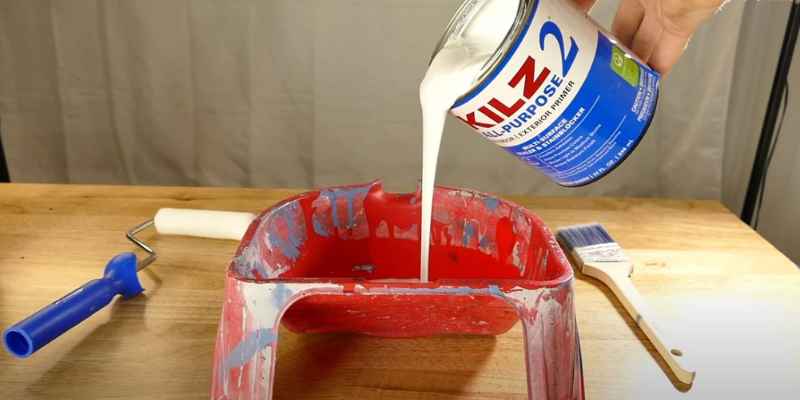
Before applying Kilz primer to any surface, it is essential to prepare the area properly. Proper surface preparation ensures the best adhesion and long-lasting results. This article will guide you through the necessary steps to follow for surface preparation before priming with Kilz.
Cleaning And Sanding Surfaces
First and foremost, it is crucial to clean the surfaces thoroughly. Remove any dust, dirt, grease, or other contaminants that may affect the adhesion of the primer. Use a mild detergent and water solution to wash the surfaces, and rinse them thoroughly. Allow the surfaces to dry completely before proceeding.
Next, sand the surfaces to create a smooth and even texture. Sanding helps remove any rough patches, imperfections, or old paint that may be present. Use medium-grit sandpaper and sand in a circular motion. Be sure to wear protective eyewear and a dust mask to prevent any inhalation of dust particles.
If the surface has a glossy finish or is heavily stained, it may require additional sanding or the use of a deglosser or stain-blocking primer.
Addressing Holes And Cracks
Before priming, it is essential to address any holes or cracks present on the surface. Fill any small holes or cracks with a suitable filler, such as spackling compound or wood filler. Apply the filler using a putty knife, ensuring it is spread evenly and flush with the surface. Allow the filler to dry completely, and then sand it smooth using fine-grit sandpaper.
If there are larger holes or damaged areas, it may be necessary to use a patching compound or joint compound. Follow the manufacturer’s instructions for proper application and drying time.
Once the holes and cracks are repaired, inspect the surfaces for any remaining imperfections. Sand any rough spots or high areas until the surfaces are smooth and even.
By thoroughly cleaning the surfaces and addressing any holes or cracks, you are ensuring that your Kilz primer will adhere properly and provide the best results. Following these surface preparation steps will help you achieve a professional-looking finish and enhance the durability of your painted surfaces.
Applying Kilz Primer
When applying Kilz primer, it is essential to follow a precise process to ensure optimal results. The application of Kilz primer is a crucial step in any painting project, as it helps to prepare the surface for painting and ensures better adhesion of the paint.
Tools And Materials Needed
- Kilz primer
- Paintbrush or roller
- Painter’s tape
- Drop cloths
- Sandpaper
- Clean cloth
Step-by-step Application Process
- Prepare the surface by cleaning and sanding it.
- Apply painter’s tape to protect areas you don’t want to prime.
- Stir the Kilz primer thoroughly before application.
- Use a paintbrush or roller to apply the primer evenly.
- Allow the primer to dry as per the manufacturer’s instructions.
- Inspect the primed surface for any missed spots or imperfections.
- Touch up any areas that require additional primer.
- Clean your tools with soap and water after use.
Drying Time And Re-coating
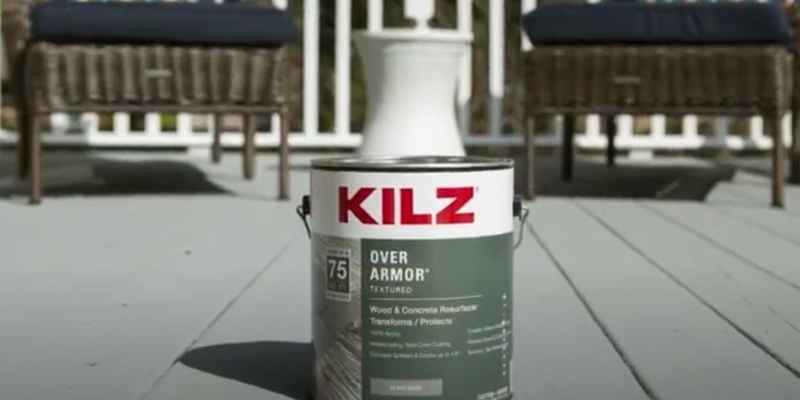
To ensure proper drying time and re-coating when using Kilz, it’s important to follow the manufacturer’s instructions. Generally, Kilz primer requires 1 hour of dry time before re-coating, while Kilz paint requires 2 hours. Make sure the surface is completely dry before applying additional coats.
Kilz is a popular primer that helps to prepare surfaces for painting. Understanding how to use Kilz correctly is essential to ensure that you achieve the desired results. One important aspect of using Kilz is understanding its drying time and re-coating process. This article will provide you with all the information you need to know about drying time and re-coating when using Kilz.
Understanding Drying Times
The drying time for Kilz varies depending on the type of surface you are working on and the environmental conditions. On average, Kilz takes about 30 minutes to dry to the touch and 1 hour to re-coat. However, it is essential to remember that Kilz needs 24 hours to cure completely before adding a topcoat.
It is important to follow the manufacturer’s instructions regarding drying time to avoid any issues. If you apply a topcoat too early, it may lead to problems such as peeling or cracking of the paint. Therefore, it is crucial to wait the recommended time before adding a topcoat.
When To Apply Second Coat
Knowing when to apply a second coat of Kilz is essential to achieve the desired results. It is recommended to apply a second coat of Kilz if the first coat does not provide enough coverage. You can also apply a second coat of Kilz if you are working with a porous surface, or if the first coat is not completely dry.
It is important to remember that you need to wait for the first coat to dry before applying the second coat. Applying the second coat too early can cause the Kilz to lift, leading to an uneven surface.
In conclusion, understanding the drying time and re-coating process when using Kilz is essential to achieve the desired results. By following the manufacturer’s instructions, you can ensure that you use Kilz correctly and avoid any issues. Remember to wait for Kilz to dry completely before applying a topcoat or a second coat to achieve a smooth and even surface.
Tips For A Smooth Finish
When it comes to achieving a professional-looking finish with Kilz, following a few key tips can make all the difference. Whether you’re embarking on a painting project for the first time or you’re a seasoned DIY enthusiast, these strategies can help you achieve a smooth, flawless result.
Avoiding Streaks And Brush Marks
One of the most common challenges when using Kilz is the formation of streaks and brush marks on the painted surface. To prevent this, it’s essential to use high-quality brushes and rollers specifically designed for the type of Kilz you’re using. Quality brushes and rollers ensure a smooth application, minimizing the risk of unsightly marks.
Maintaining A Wet Edge
For a seamless and uniform finish, it’s crucial to maintain a wet edge while applying Kilz. This means working in manageable sections and avoiding allowing the paint to dry between strokes. By keeping a wet edge, you can blend each section smoothly, creating a consistent appearance across the entire surface.
Safety Precautions
When using Kilz, it is crucial to follow safety precautions to protect yourself. Here are some important guidelines:
Proper Ventilation
Ensure the area is well-ventilated before using Kilz to prevent inhalation of fumes.
Using Protective Gear
Always wear protective gear such as gloves and a mask when applying Kilz to shield yourself from chemicals.
Common Mistakes To Avoid
Avoid common mistakes when using Kilz by ensuring proper surface preparation, adequate ventilation during application, and following manufacturer’s instructions diligently. Prevent over-application, skipping primer, or neglecting to wear protective gear for a flawless finish and optimal results.
Skipping Surface Prep
Forgetting to prepare the surface properly can lead to adhesion issues.
Ensure the surface is clean, dry, and free of debris before applying Kilz primer.
Rushing Between Coats
Allow each coat of Kilz primer to dry completely before applying the next one.
Rushing between coats can result in an uneven finish and poor coverage.
Final Touches And Cleanup
As you near the end of your project, it’s crucial to focus on the final touches and cleanup to ensure a polished finish. By following proper procedures for inspecting the primed surface and disposing of materials, you can complete your project with success.
Inspecting The Primed Surface
After applying Kilz primer, visually inspect the surface for any missed spots or imperfections. Use a flashlight to check for any areas that may need additional priming.
Proper Disposal Of Materials
Dispose of used brushes, rollers, and any leftover primer according to local regulations. Avoid pouring excess primer down the drain to prevent environmental harm.
Frequently Asked Questions
What Is Kilz Used For?
Kilz is used as a primer to seal and cover stains, smoke, and water damage on interior and exterior surfaces. It also provides adhesion for paint and creates a smooth, even finish.
How Do I Apply Kilz Primer?
Before applying Kilz primer, ensure the surface is clean and free of dust. Use a brush or roller to apply a thin, even coat. Allow it to dry completely before applying paint.
Can Kilz Be Used To Cover Mold?
Yes, Kilz can be used to cover mold and mildew stains. It effectively blocks and seals odors and stains, providing a sound surface for repainting. Ensure proper ventilation when using Kilz to cover mold.
Conclusion
Incorporating Kilz into your home improvement projects can make a significant difference in the overall outcome. Its versatility and effectiveness make it a valuable tool for tackling various issues. Whether you’re dealing with stains, odors, or surface imperfections, Kilz has got you covered.
Make it a staple in your toolkit for professional-quality results.