How Long to Clamp Titebond III: 30 Minutes vs. 24-Hour Cure
Titebond III’s official minimum clamp time is 30 minutes for unstressed joints – but that is not the same as full strength. Full cure takes 24 hours, and a joint that gets loaded or stressed right after the clamps come off is the single most common reason a “properly glued” project fails later.
Titebond III Clamp Time vs. Full Cure Time
Best Titebond III Size For Most Shops
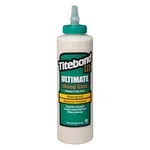 |
Titebond III Ultimate Wood Glue, 16-Ounces – $9.58 This is the actual glue the 30-minute clamp time and 24-hour cure numbers in this guide come from.
|
Titebond’s own technical data sheet splits the timeline in two, and mixing them up is the most common mistake we see reported in woodworking forums. Clamp time is how long the joint needs mechanical pressure while the glue tacks up – 30 minutes minimum for a light, unstressed joint (a picture frame corner, a small box). Cure time is how long the bond takes to reach full strength – 24 hours, regardless of how long you clamped it. A chair leg, table apron, or anything that will be sat on, leaned on, or carried counts as a stressed joint and needs the full 24 hours before it sees any load, even though you can safely pull the clamps at 30 minutes.
Franklin International (Titebond’s manufacturer) also lists a longer window for bigger or heavier assemblies: an hour or more of clamp time for large panel glue-ups, simply because there is more surface area and more wood movement to hold flat while the glue sets. The 30-minute figure is a floor, not a universal number.
The Real Minimum Application Temperature
A lot of guides repeat 55°F as Titebond III’s minimum working temperature. Franklin International’s own technical data sheet actually lists it lower: 45°F for the glue, the wood, and the room itself – below that, the resin will not form a proper film and the bond stays weak no matter how long you leave the clamps on. If your shop or garage regularly sits colder than that in winter, warm the glue bottle and the workpieces before gluing, not just the air.
Humidity works the other direction. Titebond III cures by water evaporating out of the glue line, so a damp shop slows the whole process down – both the 30-minute clamp window and the 24-hour cure can run longer on a humid day. A warm, dry shop gets you to full strength fastest; a cold or humid one can push real cure time well past 24 hours even if the glue looks dry on the surface.
How Much Clamp Pressure Is Too Much
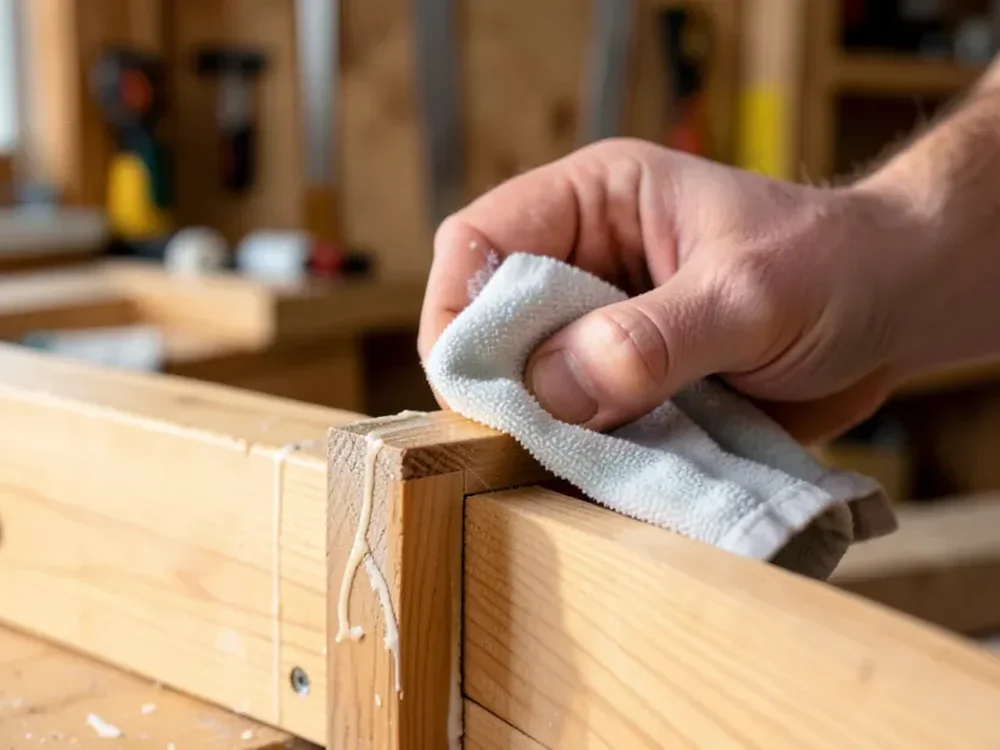
More pressure is not automatically a stronger joint. Wood glue needs a thin, even glue line to bond well – clamp too hard and you squeeze most of the adhesive out of the joint, leaving a “starved” bond that is weaker than a properly pressured one. The visual cue you want is a small, steady bead of squeeze-out along the seam, not glue running down the workpiece in sheets.
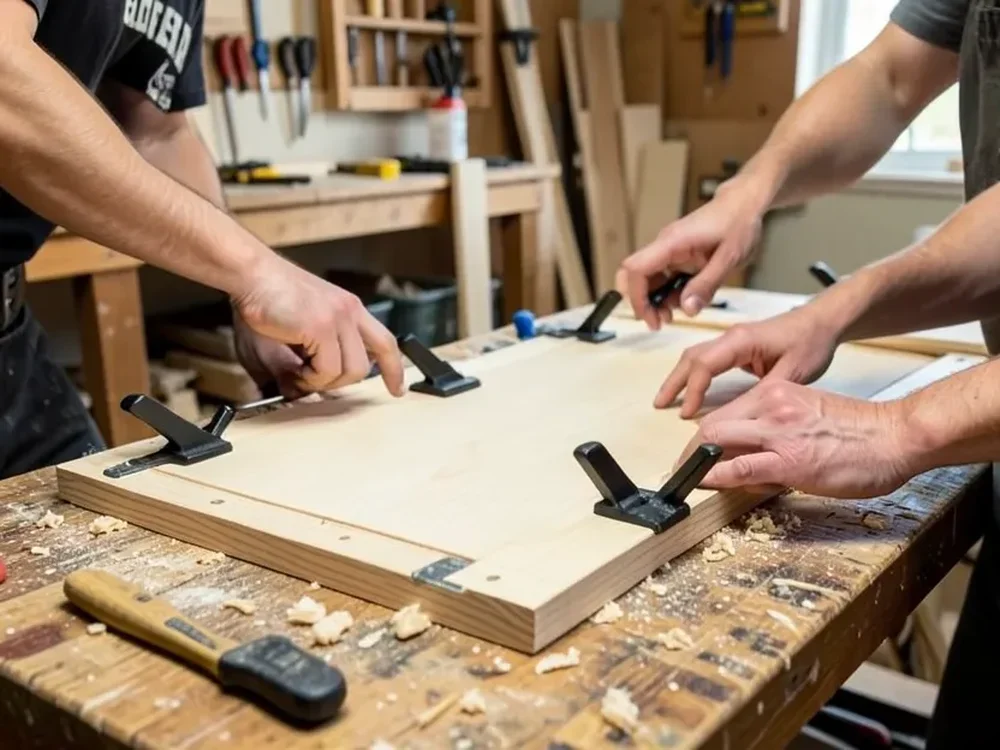
The fix is simple: snug the clamps until the joint closes fully and squeeze-out appears, then stop turning. Adding more clamps spread evenly along the joint controls pressure better than cranking down harder on fewer clamps, and it prevents the classic bowed-board problem where the middle of a long glue-up stays open while the ends are crushed tight.
Clamp Time By Project Type
| Project Type | Minimum Clamp Time | Safe To Stress/Load |
|---|---|---|
| Small, unstressed joint (box, frame corner) | 30 minutes | After 24 hours |
| Large panel or edge glue-up | 1 hour or more | After 24 hours |
| Structural/stressed joint (chair, table leg) | 30-60 minutes clamped, but do not load | After 24 hours, no exceptions |
Why Titebond III Specifically (Not Original Or II)
All three Titebond wood glues share the same basic clamp time and 24-hour cure window, but they are not interchangeable once water gets involved. Titebond Original is a standard interior PVA – strong, but it breaks down with sustained moisture exposure. Titebond II adds cross-linking agents that make it water-resistant, which is enough for a project that might get rained on occasionally. Titebond III goes further: it passes the ANSI/HPVA Type I standard, the same water-resistance rating required of exterior-grade wood adhesives, which is why it is the one specified for outdoor furniture, cutting boards, and anything that sees regular water contact. If your project stays dry and indoors, Titebond II is often enough and costs less. If it will see moisture, humidity swings, or food and water contact, Titebond III is the correct choice – and the clamp time and temperature rules in this guide apply to it specifically.
How To Tell If A Joint Has Actually Cured
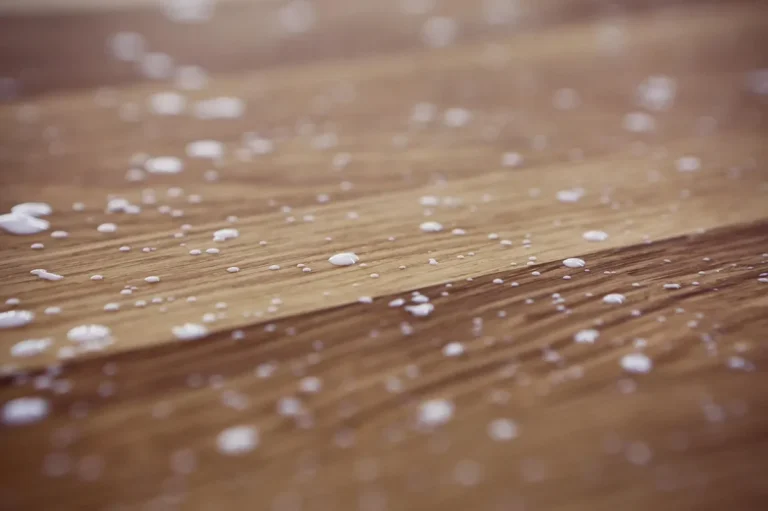
Titebond glues cure translucent – wet glue looks white to pale yellow, and a fully cured glue line dries to a clear or light amber color. That color change is a rough visual cue, but it is not proof of full strength by itself; a joint can look dry on the surface well before 24 hours while the wood fibers deeper in the glue line are still curing. The more reliable test is time, not appearance: if it has been less than 24 hours since gluing, treat the joint as not yet at full strength regardless of how it looks or feels to the touch.
A quick way to check clamp pressure was adequate, once the piece is fully cured, is the “wood failure” test cabinetmakers use on scrap: break a test joint apart and look at where it separated. A correctly glued, fully cured joint should tear through the wood fibers themselves rather than cleanly along the glue line – that is the sign the bond is stronger than the wood around it, which is the entire point of using Titebond III in the first place.
Common Titebond III Clamping Mistakes
- Unclamping and immediately using the piece. Thirty minutes gets you a joint that will hold its shape out of the clamps, not one that can take a load. That distinction is where most reported “glue failures” actually come from.
- Gluing below 45°F. Cold glue and cold wood do not bond properly even with a full 24-hour wait – warm the shop or the parts first.
- Over-tightening clamps. Squeezing out too much glue starves the joint. Snug is enough; you are not trying to crush the wood.
- Skipping dry-fit and cleanup. Dust, oils, and old finish on the mating surfaces weaken adhesion no matter how correct the clamp time is – always dry-fit and clean bare wood before applying glue.
Is Titebond III Safe For Food-Contact Projects?
Yes. Titebond III is FDA-approved for indirect food contact, which is why it is a common choice for cutting boards and butcher blocks. That approval covers the cured glue, though – give the joint the full 24 hours before the piece goes anywhere near food prep, for the same reason you would not put a piece under load early: the bond simply is not at final strength yet.
Frequently Asked Questions
How long do I need to clamp Titebond III?
A minimum of 30 minutes for a small, unstressed joint. Large panel glue-ups do better with an hour or more of clamp time. Either way, wait the full 24 hours before stressing or loading the joint.
Is Titebond III fully cured after 30 minutes?
No. Thirty minutes is the clamp time, not the cure time. The joint reaches full strength after 24 hours – unclamping at 30 minutes is fine, but the piece should not be loaded or stressed until the full cure window passes.
What is the minimum temperature for gluing with Titebond III?
Franklin International’s technical data sheet lists 45°F as the minimum for the glue, the wood, and the room. Below that, the glue will not form a proper bond even with extra clamp time.
Is Titebond III safe for cutting boards and food contact?
Yes, Titebond III is FDA-approved for indirect food contact once cured, which is why it is commonly used for cutting boards and butcher blocks. Let it reach full 24-hour cure before the piece is used with food.
Conclusion
The number that matters most is 24 hours, not 30 minutes. Clamp long enough for the joint to hold its shape – 30 minutes for small work, longer for large glue-ups – then leave it alone for a full day before it takes any real load. Keep the shop above 45°F, use enough clamps to get even pressure without starving the joint, and Titebond III will do exactly what its data sheet promises. For the general cure-time chart across wood glue types (not just Titebond III), see our wood glue cure time guide.
Sponsored / affiliate links. As an Amazon Associate I earn from qualifying purchases. I may earn additional commission from eligible campaigns.