White vs Yellow Beeswax: Key Differences (+ Best for Wood)
White beeswax is yellow beeswax that’s been filtered through activated carbon and bleached in sunlight, stripping out the pollen color and honey scent — both share the same 144–147°F melting point and chemical makeup. Pick the wrong one and a furniture wax can leave streaks on pale maple or wash out the scent crafters want in candles. This guide covers how each performs on wood, skin, and candles, and how to mix your own beeswax wood conditioner.
This post contains affiliate links. As an Amazon Associate, woodworkingadvisor.com earns from qualifying purchases.
Where Beeswax Color Comes From
Best Beeswax Wood Conditioner Pick
Howard Feed-N-Wax Wood Polish and Conditioner 16oz
A pre-mixed beeswax-and-orange-oil blend that skips the double-boiler step for furniture, cutting boards, and butcher block.
- Best for: furniture, butcher block, and cutting boards in one product
- Why we picked it: ready to use straight from the can, no melting or mixing required
- Main drawback: orange oil scent is noticeable until it cures
Compare more beeswax wood-care options
 Option 1 Howard Butcher Block Conditioner 12oz
|
 Option 2 Premium Natural Beeswax Polish for Wood and Furniture 3.5oz
|
 Option 3 CLARKS Cutting Board Wax 2-in-1 6oz
|
As an Amazon Associate we earn from qualifying purchases.
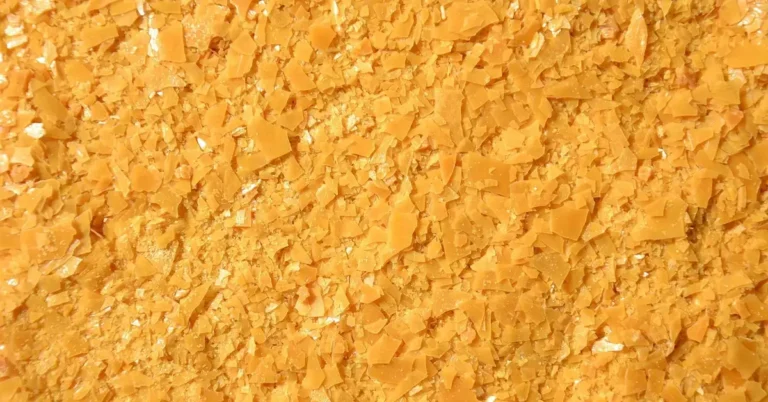
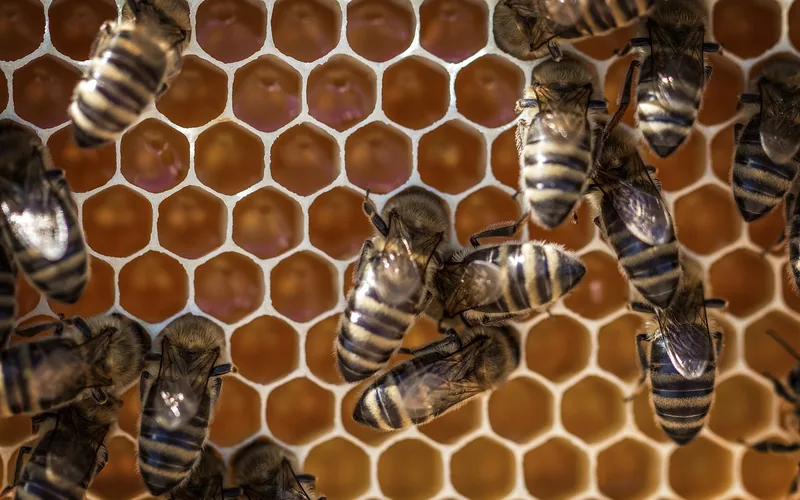
Bees secrete wax from glands on their abdomen and use it to build honeycomb. Fresh from the hive, that wax is nearly clear — it picks up its color from the pollen and propolis bees track into the comb, along with residue from the honey stored around it. Yellow (raw) beeswax is this comb wax melted down and strained, nothing else. White beeswax is the same raw wax run through an activated-carbon filter and, often, a stretch of sunlight bleaching — a process that strips out the color and most of the honey scent but changes nothing about how the wax performs.
White Beeswax vs Yellow Beeswax: Key Differences
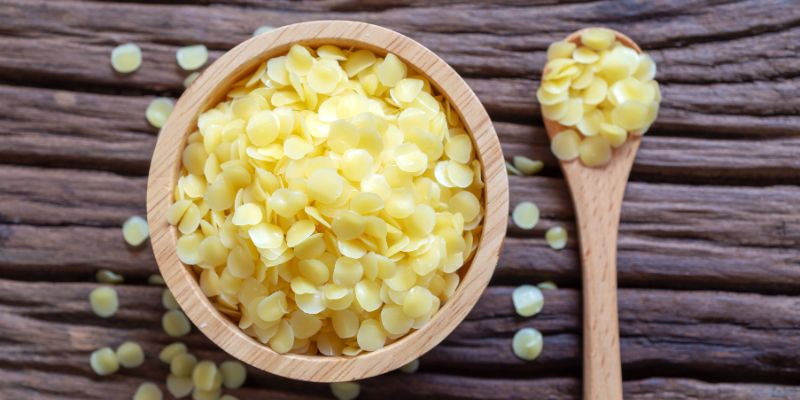
White beeswax is filtered, bleached, and nearly scentless — it stays neutral in creams, lotions, and pale-wood finishes. Yellow beeswax keeps its honey scent and golden color, which is why crafters reach for it in candles and furniture wax. Chemically, the two are identical: same esters, same fatty acids, same melting point. The only real difference is filtration.
| Trait | White Beeswax | Yellow Beeswax | Best For |
|---|---|---|---|
| Color & scent | Pale, virtually no scent | Golden, natural honey scent | Yellow for scented candles |
| Processing | Carbon-filtered & sun-bleached | Raw, strained from the comb | — |
| On wood | Keeps pale wood (maple, birch, ash) neutral | Adds warm amber patina to oak, walnut, cherry | Match to wood tone |
| Melting point | 144–147°F (62–64°C) | 144–147°F (62–64°C) | Identical in both |
| Typical cost | Higher (extra processing) | Lower, less refined | Yellow for budget crafts |
📊 Both white and yellow beeswax melt at 144–147°F (62–64°C) — well below the flash point of most cooking and finishing oils, which is why double-boiler melting (not direct heat) is the standard method for both.
Beeswax for Wood Finishing: Which Color Should You Use?
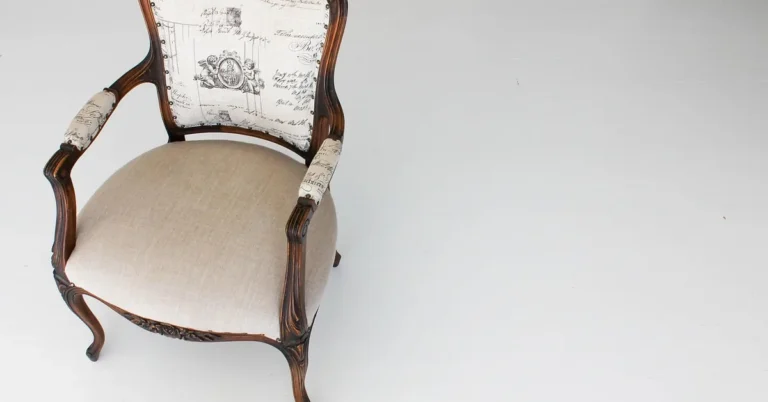
For wood, the color choice comes down to the wood itself. White beeswax keeps pale species like maple, birch, and ash looking neutral instead of adding an amber cast. Yellow beeswax deepens the existing tone of oak, walnut, and cherry and leaves behind a faint honey smell that most woodworkers consider a plus, not a downside. Either one works as a light topcoat over bare wood — see our full wood finishing guide for how wax compares to oil, shellac, and film finishes. If you’re planning to add a polyurethane topcoat down the road, apply that first: polyurethane won’t bond over a wax layer without sanding it back off first.
Straight beeswax on its own dries too hard to spread evenly on a cutting board or tabletop. Blending it with a food-safe oil is what actually makes a usable wood conditioner:
- Melt the wax: Combine 1 part beeswax pellets with 4 parts food-safe oil (mineral, walnut, or jojoba) in a double boiler over low heat until the wax fully melts.
- Stir and pour: Stir until combined, then pour the warm mixture into a small jar and let it cool to a soft, spreadable paste.
- Apply thin: Scoop about a tablespoon onto a clean, soft cloth and rub it into the wood in small circular motions, working with the grain.
- Buff dry: Let it sit 10–15 minutes, then buff with a dry cloth until the surface feels smooth, not tacky.
“Straight beeswax alone clumps and drags on end-grain cutting boards — roughly one part wax to four parts oil by volume is what actually rubs in smooth without leaving a waxy film.”
Other Everyday Uses: Candles, Skincare & Crafts
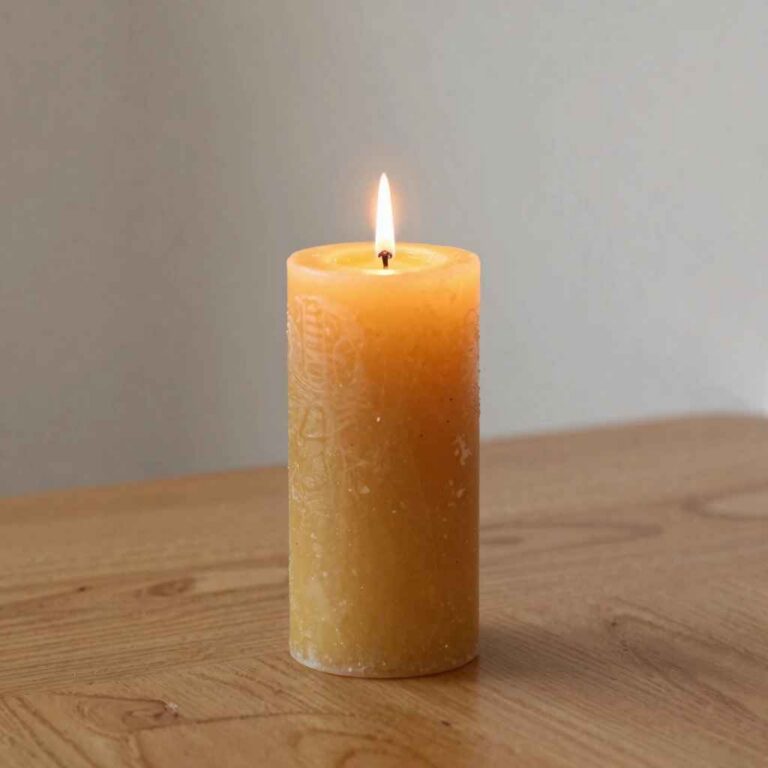
Outside the workshop, the same color rule applies. Yellow beeswax is the standard choice for candle making because the honey scent and warm color are part of the appeal, and it holds a wick and burns cleanly with minimal smoke. White beeswax is favored for skincare — lip balms, lotions, and creams — because it’s hypoallergenic, less likely to trigger a skin reaction than raw wax, and won’t tint a pale cream yellow. Both types are non-toxic, biodegradable, and safe for sensitive skin — the color difference is cosmetic, not a purity difference.
Market and Price Differences
White beeswax typically costs more per pound than yellow because filtering and bleaching add a processing step that raw wax skips. Yellow beeswax stays cheaper since it goes straight from the comb to the block. Beauty and skincare buyers tend to pay the premium for white’s purity, while candle makers and woodworkers usually stick with yellow for the scent, color, and lower cost — and because most wood-finishing recipes never need the extra filtration in the first place.
Frequently Asked Questions
What are the main uses of white beeswax?
White beeswax is mainly used in cosmetics and skincare — lip balms, lotions, and creams — because it’s hypoallergenic and virtually scentless. It also works in candle making, since it burns cleanly, and in wood finishes where you don’t want to add any yellow tint.
How is yellow beeswax different from white?
Yellow beeswax is raw and unfiltered, so it keeps its natural honey scent and golden color. White beeswax has been carbon-filtered and sun-bleached to remove that color and scent. Chemically the two are identical — same melting point, same esters and acids.
Is white beeswax better for skincare?
White beeswax is generally preferred for skincare because its filtration process removes pollen and propolis residue, which lowers the chance of an allergic reaction. Its neutral color and scent also make it easier to blend into lotions and creams without altering their look or smell.
Can yellow beeswax be used for candles?
Yes — yellow beeswax is the standard choice for candle making. It burns cleanly, produces minimal smoke, and its natural honey scent is part of why crafters prefer it over white beeswax for candles.
Can you use beeswax to finish wood?
Yes. Beeswax works as a light, low-protection topcoat for bare or oiled wood. Yellow beeswax adds a warm amber tone that suits oak, walnut, and cherry; white beeswax keeps pale woods like maple and birch neutral. Blend it with a food-safe oil first — straight wax alone is too hard to spread evenly.
How long does a beeswax wood finish last?
A beeswax finish on furniture or a cutting board typically needs reapplying every 1–3 months, sooner for cutting boards that get washed often, since washing strips the wax layer faster than dusting a tabletop does.
Conclusion
White and yellow beeswax are the same material at different stages of filtration — neither is “better” quality, just better suited to different jobs. Reach for yellow when you want scent, color, and a lower price tag: candles, furniture wax, and warm-toned wood. Reach for white when you need a neutral, low-allergy base: skincare, pale wood, and unscented crafts.
Sponsored / affiliate links. As an Amazon Associate I earn from qualifying purchases. I may earn additional commission from eligible campaigns.