How to Remove Wax from a Wood Table (No Sanding Needed)
Melt wax off a wood table with a hairdryer, or harden it first with an ice-filled bag, then lift it away with a plastic scraper. Never sand a wax spot: friction heat melts paraffin and beeswax deeper into the grain instead of removing it. This guide covers the heat, cold, and solvent methods, the exact vinegar and cream-of-tartar ratios that work, and how to treat unfinished wood.
The Quick 5-Step Process
Best Wax & Residue Remover Pick

Klean-Strip Odorless Mineral Spirits, 1-Gallon – $18.22
The exact solvent type this guide recommends in the Solvent Method above — the odorless formula dissolves stubborn wax without leaving a strong chemical smell in the room.
- Best for: dissolving stubborn candle or furniture wax buildup on finished wood
- Why we picked it: matches the mineral-spirits method covered in this guide, and it’s widely available
- Main drawback: still needs good ventilation and gloves — not the gentlest option for antique finishes
Compare more wax-removal options
 Option 1 Orange-Sol De-Solv-it Solvent Spray – $36.97
|
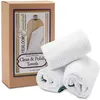 Option 2 Heirloom Essentials Microfiber 3-Pack – $29.99
|
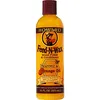 Option 3 Howard Feed-N-Wax Beeswax Polish – $10.88
|
As an Amazon Associate we earn from qualifying purchases.
- Identify the wax type: Check whether it’s candle wax (softer, often colored) or furniture wax (harder, protective coating), since that determines whether heat or freezing works faster.
- Harden or melt the wax: Place an ice-filled bag over the spot for 5 to 15 minutes to harden it, or warm it with a hairdryer or low-heat iron over a paper towel to melt it.
- Lift the wax off: Scrape hardened wax with a plastic scraper or credit card, or wipe melted wax away with a paper towel, always moving with the wood grain.
- Dissolve any leftover residue: Wipe stubborn spots with mineral spirits, denatured alcohol, or a vinegar-and-water solution on a soft cloth.
- Clean and restore the finish: Wipe the area with a damp cloth, dry it, and apply a wood polish or fresh coat of wax to restore the shine.
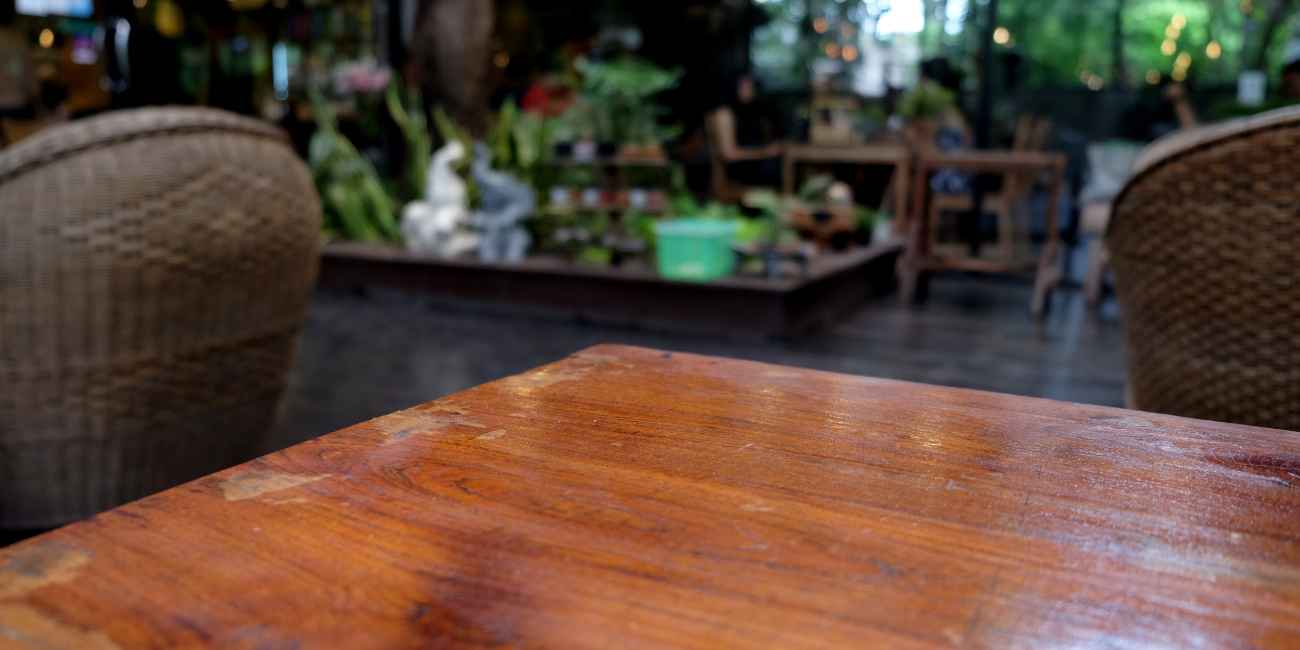
Identify Your Wax First: Candle Wax vs. Furniture Wax
Candle wax and furniture wax both end up on wooden tables, and it’s worth telling them apart before you start — different types of wood wax respond differently to heat and cold. Candle wax is usually softer and may contain dyes or scent oils, while furniture wax is a harder protective coating meant to stay put.
The type of wax changes the removal technique. Candle wax usually lifts with a gentle heating method, while a built-up layer of furniture wax may need a solvent instead, since heat alone can just push it further into the finish.
📊 Beeswax (used in furniture polish) melts at 144–147°F, while paraffin wax (common in candles) melts anywhere from 115–154°F. That overlap is why furniture wax often needs a longer heat or freeze cycle than a fresh candle drip. Source: Hywax, Wax Melting Point Guide
What You’ll Need
Lay an old cloth under the work area to catch drips before you start, then gather a short list of household items:
- Soft cloths or paper towels
- A hairdryer or a low-heat iron
- A sealable plastic bag and ice cubes
- Distilled white vinegar, water, and baking soda
- A plastic scraper or an old credit card
- Household gloves
Cold Method: Freeze the Wax, Then Scrape It Off
Seal a handful of ice cubes in a plastic bag and set it over the wax for 5 to 15 minutes — a short candle drip hardens in about 5 minutes, while a thicker buildup of furniture wax can take closer to 15. The cold makes the wax brittle and contract, so it lifts instead of smearing.
Slide a plastic scraper or credit card gently under the hardened wax, always moving in the direction of the wood grain, and lift it off in small pieces. A metal scraper can scratch the finish, so stick with plastic.
Heat Method: Melt Wax With a Hairdryer or Iron
Set a hairdryer to low or medium heat and hold it a few inches from the wax, moving it constantly and checking the spot every 30 seconds so you don’t overheat the finish. Once the wax softens, wipe it away immediately with a paper towel, working with the wood grain.
For wax that won’t budge with a hairdryer, lay a few layers of paper towel or a brown paper bag over the spot and press a low-heat iron on top for about 5 seconds at a time. The wax transfers into the paper — swap in a clean section and repeat until it’s gone. Keep the iron moving and never touch its hot plate to the bare wood.
Solvent Method: Dissolve Stubborn Wax With the Right Ratio
When heat and cold leave a hazy residue behind, a solvent will finish the job. Pick the mildest option that works for your table’s finish, test it on a hidden spot first, and always work in a ventilated room.
| Solvent | Description | Best For |
|---|---|---|
| Distilled white vinegar (1:1 with water) | A mild, food-safe option that dissolves light wax film without stripping most finishes. | Light residue, everyday cleanup |
| Vinegar + cream of tartar paste | 1 cup vinegar mixed with 1 tablespoon cream of tartar makes a slightly abrasive paste for hardened buildup. | Stubborn, thick wax spots |
| Mineral spirits | A petroleum-based solvent that dissolves wax and evaporates quickly with minimal residue. | Finished wood, furniture wax buildup |
| Denatured alcohol | An ethanol-based solvent commonly used in furniture refinishing. | Finished wood, general wax removal |
Apply your chosen solvent to a soft cloth rather than pouring it directly on the table, then work it into the wax following the wood grain. Let it sit for a minute or two, wipe away the dissolved wax with a clean section of cloth, and finish with a mild wood cleaner once the spot is clear. Wear gloves and keep the room ventilated.
The One Mistake That Makes Wax Worse: Sanding
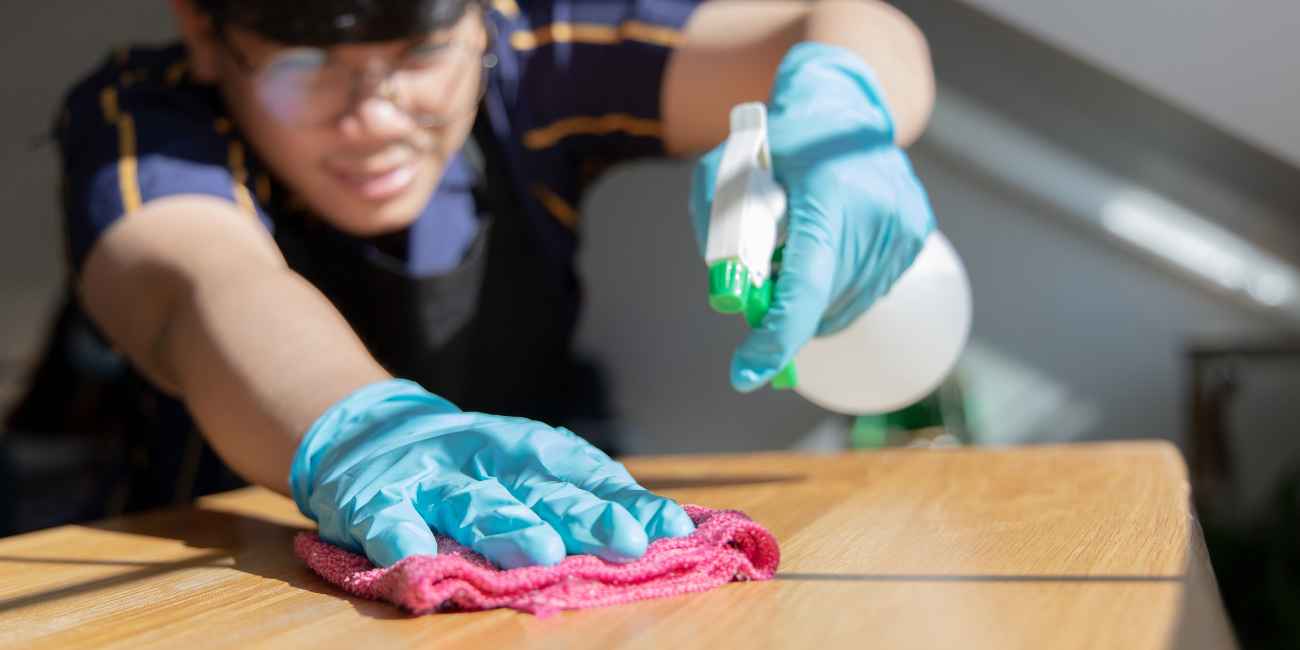
A wax spot on a wood table only gets worse under sandpaper. Sanding creates friction heat, and that heat melts the wax rather than abrading it away, driving it deeper into the wood grain and any small cracks in the finish.
Once wax is pushed below the surface this way, the only fix left is stripping the finish and refinishing the section, turning a five-minute cleanup into a weekend project. Skip the sander and use one of the heat, cold, or solvent methods above instead.
📊 Sanding generates enough frictional heat to re-melt nearby wax and even scorch wood surfaces. Source: Benchmark Abrasives, What Causes Burn Marks During Sanding
Cleaning and Restoring the Wood After Wax Removal
Once the wax is gone, rub a mixture of one part white vinegar to two parts water over the area with a soft cloth to neutralize any leftover residue, then dry it completely.
Finish with a wood polish or a fresh coat of furniture wax to bring back the shine and protect the surface. For a broader routine beyond spot cleanup, see our full wood furniture care guide. The same scraping and solvent principles work on other finished wood surfaces too — see our guide on removing wax from a wood floor for floor-specific tips.
Special Cases
How Do You Remove Wax From Unfinished Wood Without Sanding?
Yes, but skip sanding and harsh solvents on raw wood, since both can raise the grain or leave a residue. Mix hot water with a cupful of baking soda, pour it over the wax, and scrub gently with a stiff-bristle brush along the grain, then dry the wood thoroughly to prevent swelling.
How Do You Remove Colored Wax Stains From a Light Wood Table?
Mix one part distilled white vinegar with two parts water, dampen a soft cloth (not soaking wet), and wipe following the wood grain. The vinegar breaks down the dye along with the wax, so the stain lifts along with the residue instead of smearing further.
How to Prevent Wax Spills in the Future
Always set candles on stable holders placed away from the table’s edges, so a tip or a draft can’t send hot wax onto the wood.
A protective coat of furniture wax or sealant also makes future spills easier to wipe up before they soak in — see our wood care and maintenance guide for a full seasonal routine.
Professional Help vs. DIY
Most wax spots are a DIY job — a hairdryer, a paper towel, and a bit of patience handle the majority of cases at no cost. Call a professional instead if the wax has soaked deep into the wood, the table is an antique or has sentimental value, or your own attempts haven’t worked and you’re worried about the finish. If you do want to try refinishing after wax removal, our guide on applying polyurethane over wax covers what to check first.
Frequently Asked Questions
What Is the Best Way to Remove Wax From a Wood Table?
Harden the wax first with an ice-filled bag for 5 to 15 minutes, then scrape it off with a plastic scraper or credit card. For melted wax, use a hairdryer on low heat and wipe it away with a paper towel, always moving with the wood grain.
Does Vinegar Remove Wax From Wood?
Yes. Mix one part distilled white vinegar with two parts water and wipe the surface with a damp cloth, following the wood grain. For stubborn, hardened wax, mix 1 cup of vinegar with 1 tablespoon of cream of tartar into a paste instead.
How Do You Remove Wax From Wood Without Sanding It?
Harden the wax with ice, then lift it off with a plastic scraper, or melt it with a hairdryer or low-heat iron over a paper towel. Never sand a wax spot: the friction heat melts wax deeper into the wood grain instead of removing it.
How to Get Wax off Hardwood?
Melt the wax with a hairdryer on low heat and wipe it away with a paper towel, or harden it first with a plastic bag of ice so it scrapes off cleanly. Finish with a cloth dampened in mineral spirits for any leftover residue.
Conclusion
Wax comes off a wood table with nothing more than ice, heat, or a mild solvent — the one method to avoid is sandpaper, since friction heat only drives the wax deeper into the grain. Work with the wood grain, test on a hidden spot first, and finish with a wipe-down and fresh polish to bring the shine back.
Sponsored / affiliate links. As an Amazon Associate I earn from qualifying purchases. I may earn additional commission from eligible campaigns.