Waxed vs Dewaxed Shellac: Which Goes Under Polyurethane?
Waxed shellac still contains its natural lac wax, roughly 3% to 6% of the flakes, while dewaxed shellac has the wax filtered out (commercial dewaxed grades run around 0.2%). That single ingredient decides compatibility: use dewaxed under polyurethane, varnish, water-based finish or paint, because manufacturers warn wax weakens adhesion. This guide covers the numbers, what a real test showed, how to identify your can, and a decision table.
The Short Answer: Which Shellac to Buy
Best Dewaxed Sealer Pick
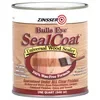 |
Zinsser Bulls Eye SealCoat Universal Sanding Sealer (1 Quart) A ready-mixed dewaxed shellac made for one job: a seal coat that any clear topcoat can bond to.
|
If anything at all will go on top of the shellac, buy dewaxed. If the shellac is the final coat and you want the traditional look, either type works, and waxed is usually the one sitting on the shelf. When you are unsure, dewaxed is the safe default, because it bonds to bare wood and accepts every common topcoat, while waxed shellac is the one with a conditional warning label.
The price gap is small, so the risk-versus-savings math favors dewaxed for anything that will get a second finish. For a deeper look at the dewaxed side, see what dewaxed shellac is and how it behaves.
What Is the Wax in Shellac?
Shellac comes from the lac insect, and the raw resin (sticklac) carries a small amount of natural wax, reported at around 6% to 7% before processing. Processing into flakes leaves roughly 3% to 5% wax in ordinary orange shellac, and canned products are commonly reported at about 3% to 6%. That is a small fraction of a film that is mostly resin, but wax is slick, and a slick surface is exactly what a later coat struggles to grip.
The wax also shows up visually. In the jar, waxed shellac looks slightly hazy or cloudy, and over a few days the wax settles into a milky layer on the bottom. Dewaxed shellac is filtered so it stays clear of that haze. Dewaxed does not mean colorless, though: the color comes from the resin grade (blonde, orange, garnet), not the wax.
Waxed vs Dewaxed Shellac: Side by Side
| Feature | Waxed shellac | Dewaxed shellac |
|---|---|---|
| Wax content | About 3% to 6% | Around 0.2% (commercial grades) |
| In the jar | Slightly hazy; wax settles out over days | Clear, no settling layer |
| Under oil-based polyurethane or varnish | Manufacturers warn against it | Recommended |
| Under water-based finish | Manufacturers warn against it | Recommended |
| As a final, stand-alone finish | Works well | Works well |
| Under paste wax or more shellac | Fine | Fine |
| Shelf life (canned, per Zinsser) | Bulls Eye is guaranteed 3 years from manufacture | SealCoat is rated 5 years, made with a long-life resin |
| Typical product | Zinsser Bulls Eye Clear and Amber; most flakes sold as plain orange or amber | Zinsser SealCoat; flakes labeled dewaxed or “blonde dewaxed” |
One correction worth making: many guides call Bulls Eye “Clear” the dewaxed choice because of the name. It is not. Both the Clear and Amber cans of Bulls Eye contain natural wax, and only SealCoat is sold wax-free. Our page on whether Zinsser shellac is dewaxed goes through each can in the line.
Does Wax Really Ruin the Topcoat?
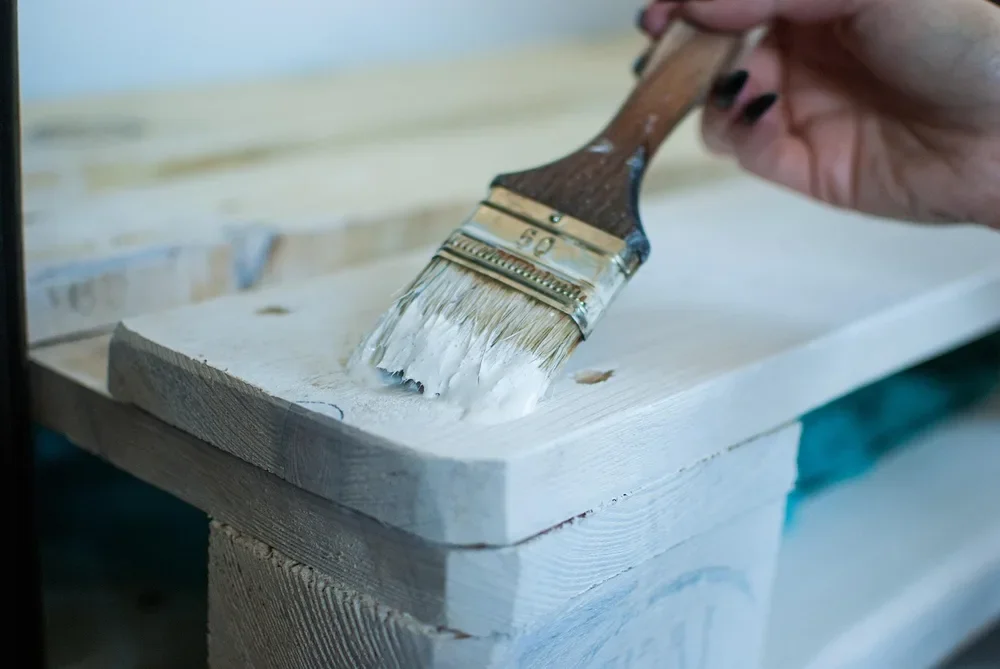
The blanket rule you read everywhere, “never put poly over waxed shellac,” is a manufacturer warning, and it is worth understanding what is behind it and what is not. Woodworkers who tried polyurethane over waxed shellac have reported weaker adhesion, and several polyurethane and shellac makers advise against the combination. Water-based finishes usually carry the same caution.
The evidence for a guaranteed failure is thinner than the warning suggests. In a simple test on The Wood Whisperer, Marc Spagnuolo put polyurethane over both waxed and dewaxed shellac and ran tape-lift and epoxy-drop checks. He saw no lifting on any board and concluded that for a sealer coat at a 2 lb cut or thinner he would use whatever shellac he had on hand. He was also clear that the test was non-scientific and only showed no immediate failure.
So the honest picture is this: wax is a real adhesion risk that manufacturers will not stand behind, thin waxed coats often get away with it, and nobody can tell you your can’s wax level because it is not controlled or printed on the label. The risk grows with thicker shellac films and with finishes that are tough to re-key, such as a hard varnish. Because dewaxed costs about the same, gambling on a thin coat saves almost nothing.
How to Tell Which Kind You Have
- Read the can for the word “dewaxed” or “wax-free.” If it says only “shellac,” “clear” or “amber,” assume it contains wax.
- Know the Zinsser line. Bulls Eye Clear and Amber are waxed. SealCoat is the dewaxed version.
- Check flakes by the label. Flakes sold as plain orange, amber or garnet are normally waxed unless the seller says dewaxed. Blonde dewaxed is a separate listing.
- Look for the settle. A cloudy layer at the bottom of a jar that has stood for a few days is wax coming out of solution.
Can You Dewax Shellac at Home?
Yes, at least partly, and this is where a lot of older advice is wrong. Because wax settles out of alcohol-based shellac over several days, you can let a mixed batch stand in a tall jar and carefully pour off the clear shellac without disturbing the waxy layer at the bottom. Commercial dewaxing uses filtration and gets closer to zero, so treat home decanting as a good improvement rather than a guarantee. Our step-by-step comparison of the DIY dewaxing method versus buying pre-dewaxed covers the process.
When Waxed Shellac Is the Better Pick
- The shellac is the final finish and nothing but paste wax or more shellac will follow.
- You are finishing a small decorative piece, a box or a repair-friendly antique-style item where a traditional look matters.
- You already have a can or a batch of flakes and the shellac will be a thin sealer under a finish where the manufacturer does not object.
Even then, keep the coats thin. A thick film of any shellac dries slowly and stays soft. See how to use shellac on wood for application, and how long shellac takes to dry before you recoat.
Which Shellac for Which Job
| Job | Use | Why |
|---|---|---|
| Seal coat under oil-based polyurethane | Dewaxed | Removes the wax adhesion question; see polyurethane over shellac |
| Barrier between oil stain and water-based finish | Dewaxed | A dewaxed coat bonds to both; see staining over shellac |
| Sealing pine knots before paint | Dewaxed | Blocks resin bleed and holds primer; see shellac and paint |
| Stand-alone final finish | Either | No topcoat, so wax has nothing to interfere with |
| Under paste wax | Either | Wax bonds to wax without trouble |
| Unknown topcoat plan | Dewaxed | Keeps every later option open |
Mixing Shellac From Flakes
Flakes give you fresh shellac and let you choose the wax level by buying dewaxed or waxed flakes. The “cut” is pounds of flakes per gallon of denatured alcohol, so one ounce of flakes in one cup (8 fluid ounces) of alcohol is a 1 lb cut.
| Cut | Flakes (by weight) | Denatured alcohol | Typical use |
|---|---|---|---|
| 1 lb cut | 1 oz | 8 fl oz | Thin seal coat |
| 2 lb cut | 2 oz | 8 fl oz | General purpose and sealer |
| 3 lb cut | 3 oz | 8 fl oz | Heavier finishing coats |
Shake the jar every few hours until the flakes dissolve, usually within a day. A mixed 2 lb cut or thinner keeps only about six months, so mix small batches. Our guide to thinning shellac covers adjusting a batch that is too thick.
Common Mistakes
- Assuming “clear” means dewaxed. Clear is a color. Check for the word dewaxed or wax-free.
- Skipping the sealer coat over oily woods. Rosewood, teak and cocobolo can interfere with finish curing; a dewaxed coat is the usual barrier.
- Using old shellac. If it stays tacky, it is past its life. Dab a little on glass; it should harden, not stay sticky.
- Building thick coats. Several thin coats beat one heavy one every time.
- Confusing shellac with a hardware-store primer. Sealer and primer products are a different category; see sanding sealer versus shellac and our shellac-based primer roundup.
Frequently Asked Questions
Is Bulls Eye Clear shellac dewaxed?
No. Both Bulls Eye Clear and Bulls Eye Amber contain natural wax. Zinsser sells its dewaxed version as SealCoat.
Can you put polyurethane over waxed shellac?
Manufacturers advise against it because wax can weaken adhesion, and results with thin coats vary. Dewaxed shellac removes the question, so use it under polyurethane when you can.
How much wax is in shellac?
Ordinary shellac is commonly reported at about 3% to 6% wax, while commercially dewaxed shellac has around 0.2%. Manufacturers do not print an exact figure on the can.
Can I use waxed shellac as a final finish?
Yes. Waxed shellac makes a good stand-alone finish when nothing other than more shellac or paste wax will go on top.
How long does shellac last once mixed?
A 2 lb cut or thinner lasts about six months. Zinsser rates Bulls Eye at 3 years and SealCoat at 5 years from the manufacturing date, stored cool and sealed.
For most shops the rule is simple: dewaxed whenever a second finish might follow, and waxed only when shellac is the last thing on the wood. Cleanup for either type is with denatured alcohol, or a 50/50 ammonia and water mix, since shellac will not clean up with water or mineral spirits.
Sponsored / affiliate links. As an Amazon Associate I earn from qualifying purchases. I may earn additional commission from eligible campaigns.