How to Use Wood Ash for Plants: Boost Growth Naturally
Imagine turning what you might consider waste into a secret weapon for your garden. If you’ve been burning wood in your fireplace or fire pit, you’ve got a treasure trove of wood ash waiting to breathe life into your plants.
You might be wondering how something as simple as wood ash can make such a difference. Well, it’s packed with nutrients like potassium, calcium, and magnesium that can enrich your soil and help your garden thrive. But before you sprinkle it around, there are some important things you need to know to make the most of this natural resource.
What if you could harness this power without spending a dime? Wouldn’t it feel amazing to watch your garden flourish with something you created? Dive into this guide on how to use wood ash for plants and discover the secrets to a greener, more vibrant garden. You’ll learn the best practices, tips, and tricks that will make you reconsider what you toss away. Are you ready to uncover the potential of wood ash and transform your garden into a lush paradise? Let’s get started!
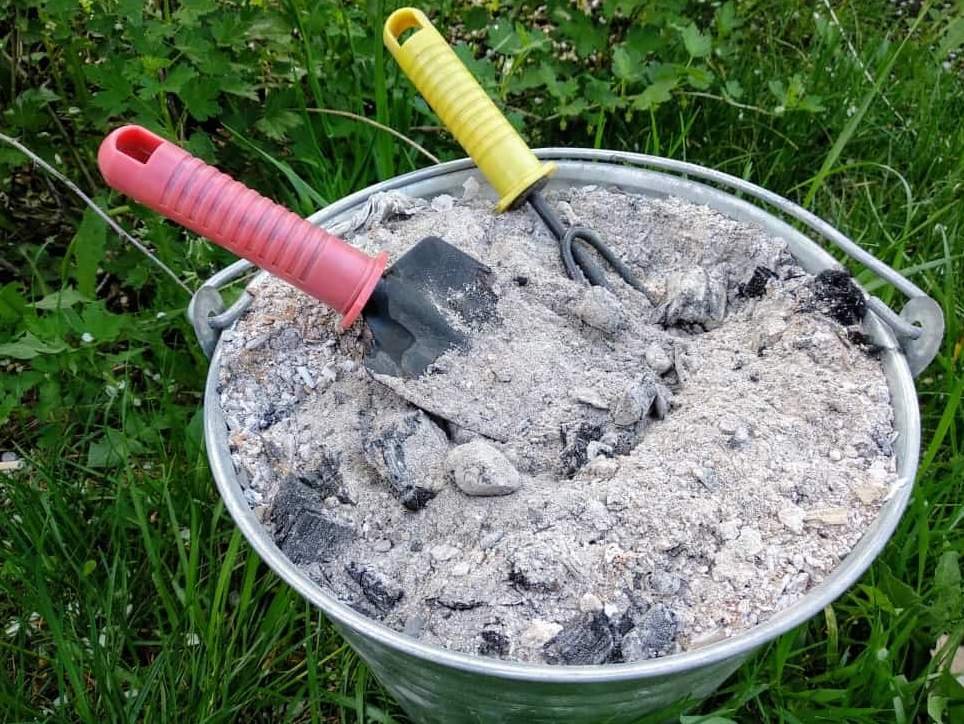
Credit: gardeningtheme.com
Benefits Of Wood Ash For Plants
Wood ash can help your garden in many ways. It makes the soil less acidic. This helps plants grow better. Calcium, found in wood ash, is good for plant health. It builds strong cell walls. This means healthier plants.
Wood ash also has potassium. Potassium helps plants make flowers and fruits. It is like food for your plants. Spreading wood ash over your garden gives nutrients. Plants use these nutrients to grow and thrive.
Keep in mind, too much ash can harm plants. Use it sparingly to avoid damage. Mix it into the soil well. This ensures even distribution. Your garden will thank you!
Nutrient Composition Of Wood Ash
Wood ash is rich in important minerals. It contains potassium, which helps plants grow. It also has calcium carbonate. This helps strengthen plant cells. Magnesium and phosphorus are other key minerals. They help plants make food. These minerals make wood ash useful for gardens.
Wood ash can change soil pH. It makes soil less acidic. This helps plants absorb more nutrients. Adding ash to soil is like giving plants a vitamin. But, too much ash can harm plants. Use a little bit at a time. This keeps plants safe and healthy.
Choosing The Right Wood Ash
Wood ash can help plants grow. Hardwood ash has more nutrients. Softwood ash has fewer nutrients. Most people use hardwood ash. It gives plants more strength.
Not all ash is safe. Avoid ash from treated wood. It can harm plants. Painted wood ash is not good. Choose clean wood. Natural wood is best. It keeps plants healthy. Check your wood before burning it. This makes sure your plants stay safe.
Preparation And Storage
Wood ash must be cooled completely before use. Hot ash can cause fires. Spread it on a metal tray. Let it rest until cool. Keep it away from flammable items. Stir it occasionally to speed up cooling. This ensures safety for you and your plants.
Store wood ash in a dry place. Moisture makes it clump and lose effectiveness. Use a metal container with a lid. This prevents water from getting in. Keep it out of reach from children and pets. Label the container clearly. Proper storage keeps ash ready for use.
Methods Of Application
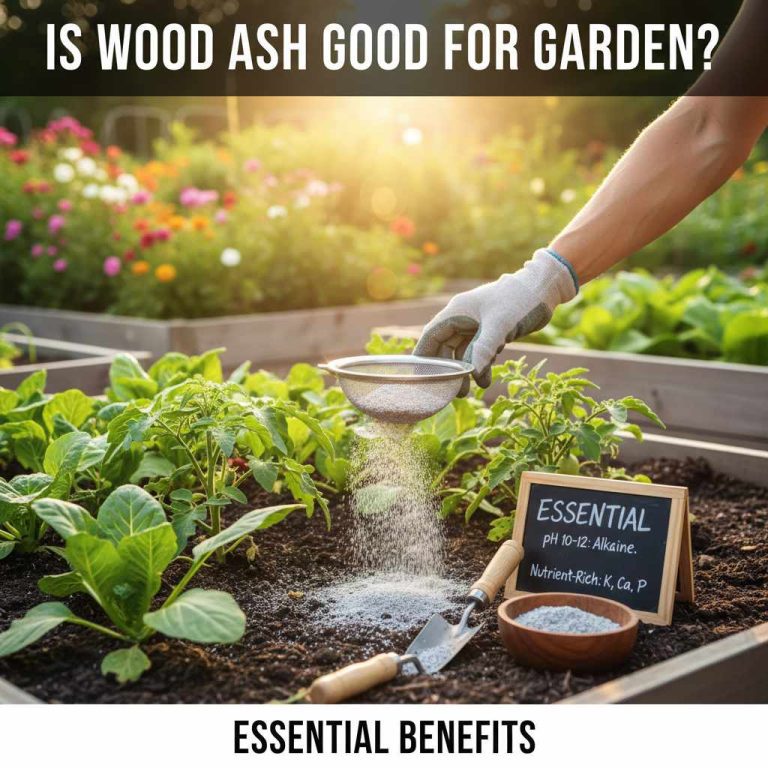
Wood ash can be sprinkled directly onto soil. It helps balance soil pH. Make sure to spread evenly. Avoid adding too much ash. Excess ash can harm plants. Mix ash into the soil well. This helps nutrients spread. Always check soil needs first.
Adding wood ash to compost is helpful. It provides valuable nutrients. Ash speeds up composting. Remember to add small amounts. Too much ash might cause problems. Balance ash with other compost materials. This ensures healthy compost. Mix ash with leaves and grass.
Wood ash can be turned into a liquid solution. Mix ash with water. Stir until dissolved. Use the solution as a plant feed. It enriches soil with minerals. Avoid using it on acid-loving plants. Always test the solution first. Make sure it is safe for plants.
Amount And Frequency
Wood ash can be good for plants. It has important nutrients. Use small amounts for best results. About one cup per square yard is enough. You can use it once a year. Too much can hurt the plants. Balance is important.
Not all plants need the same amount. Test your soil first. Some plants like more ash. Others need less. Be careful with plants that like acid soil. Wood ash can change soil pH levels. It makes the soil less acidic.
Spring is a good time to add ash. Plants start to grow then. Avoid using ash in winter. It can wash away with rain. Summer is okay, but not too much. Keep an eye on your plants. Watch how they react to the ash.
Plants That Benefit Most
Wood ash is great for reducing soil acidity. Roses and hydrangeas love this. They grow better with less acid. Blueberries and azaleas do not like wood ash. They need more acid, not less. Always check your soil’s pH first. This helps avoid plant damage.
Wood ash helps tomatoes grow strong. It gives them calcium. Carrots and beets also like wood ash. They grow better with the minerals. Apple trees and pear trees benefit too. They get more nutrients this way. But not all plants like it. Avoid using it for potatoes. They can develop scab with too much ash.
Potential Risks And Precautions
Using too much wood ash can harm plants. It might change soil pH levels. This makes soil too basic. Plants may struggle to grow well. Their leaves could turn yellow. Some plants even might die. Be careful not to overdo it.
Wood ash can hurt plant roots. It may burn them. This happens when ash is too close to roots. Keep ash away from roots. Mix it well with soil. Water the plants after using ash. This will help keep roots safe.
Complementary Soil Amendments
Wood ash can work well with organic matter. Mix it with compost or leaves. This makes soil rich and full of nutrients. Plants will grow strong and healthy. The mix helps keep the soil moist. This is good for roots. Healthy soil means healthy plants.
Wood ash adds alkalinity to soil. Lime also adds alkalinity. Use them together carefully. Too much can harm plants. Balance is key. Check the soil pH often. Keep it just right for plants. This helps them grow well and strong.
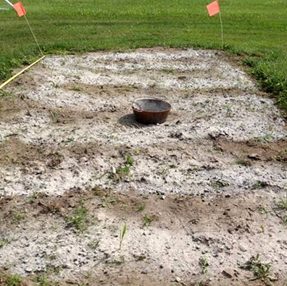
Credit: hort.extension.wisc.edu
Sustainable Practices
Using wood ash can be a smart way to recycle. It is important to dispose of ash properly. This prevents harm to the environment. Wood ash is rich in nutrients. These nutrients help plants grow strong. Sprinkle ash lightly around your garden. Avoid dumping large piles of ash. Large piles can hurt plants.
Wood ash can be a natural fertilizer. It improves soil health. This reduces the need for chemical fertilizers. Chemical fertilizers can harm wildlife. Wood ash is safe for most plants. Avoid using ash on acid-loving plants. Examples are blueberries and azaleas. These plants prefer acidic soil.
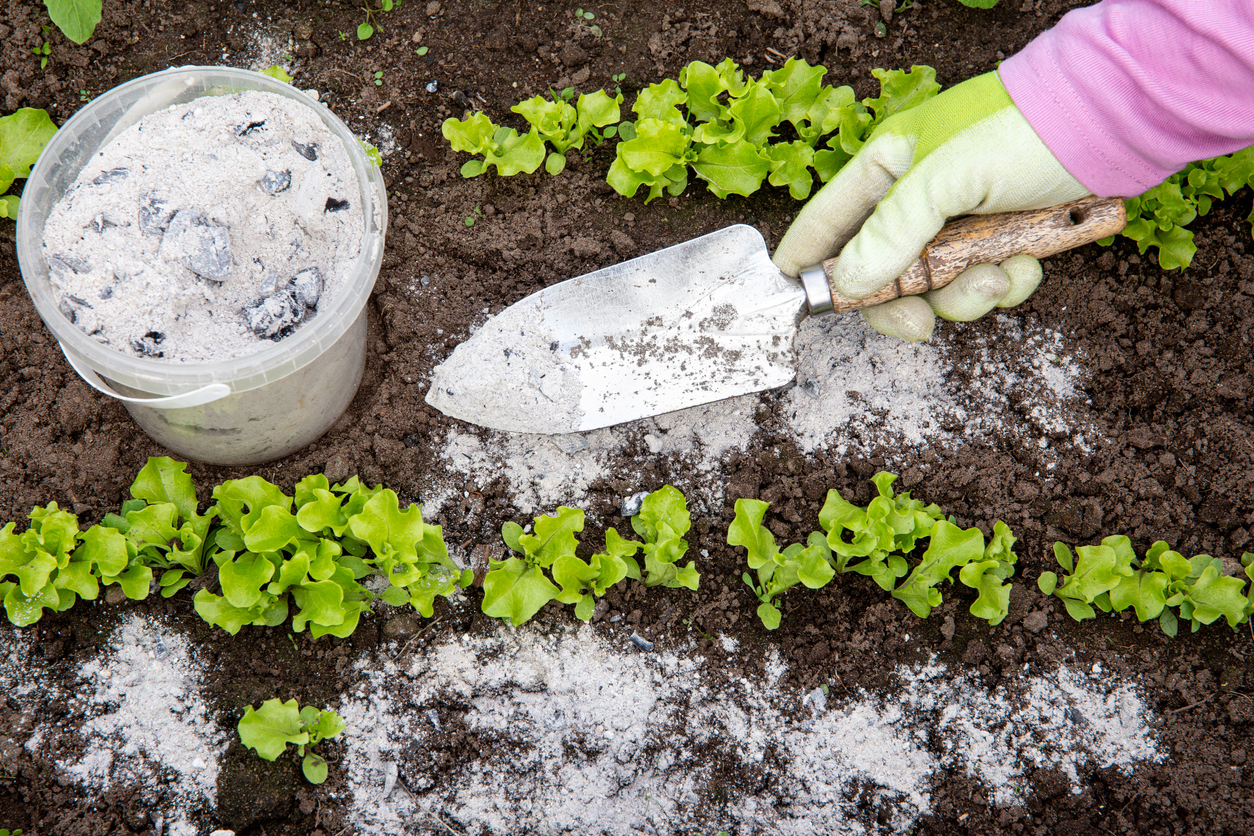
Credit: gardening.usask.ca
Frequently Asked Questions
What Plants Do Not Like Wood Ash?
Plants like blueberries, azaleas, and rhododendrons dislike wood ash. Wood ash raises soil pH, affecting acid-loving plants. Avoid using wood ash near potatoes and other root vegetables as it can lead to scab disease. Always test soil pH before applying wood ash to ensure compatibility with plant needs.
How To Apply Wood Ash To Plants?
Apply wood ash by sprinkling it evenly around the base of plants. Mix it into the soil gently. Avoid contact with plant leaves. Use it sparingly to prevent altering soil pH. Ideal for alkaline-loving plants like tomatoes and peas. Store ash in a dry place before use.
What Plants Benefit Most From Wood Ash?
Wood ash benefits plants like tomatoes, carrots, and roses. It enriches the soil with potassium and calcium. Use it to raise soil pH levels for alkaline-loving plants. Apply sparingly to avoid nutrient imbalances and maintain optimal plant health.
Which Pests Can Be Controlled By Wood Ash?
Wood ash effectively controls pests like slugs, snails, and ants. It deters these pests by creating a barrier. Sprinkle it around plants to protect them. Wood ash also repels soft-bodied insects due to its alkaline nature. Use it sparingly to avoid soil imbalances.
Conclusion
Wood ash can enrich your garden soil. It provides essential nutrients. Plants need these nutrients to grow strong. Sprinkle ash lightly around your plants. Avoid using too much ash. Excess ash can harm your plants. Always test your soil first.
This helps balance its pH levels. Protect young plants from direct ash contact. Ash works best on mature plants. Composting with ash enhances its benefits. Consider adding it to your compost pile. Use wood ash wisely for healthy plants. Your garden will thank you with lush growth.
Enjoy nurturing your plants with nature’s gift.