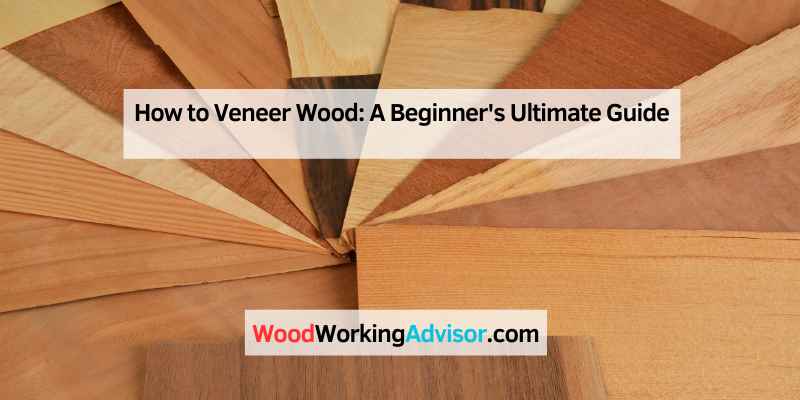
How to Veneer Wood: A Beginner’s Ultimate Guide
To veneer wood, clean the surface and apply adhesive evenly. Lay the veneer flat, then press it down firmly.
Veneering wood is a popular technique that enhances the appearance of furniture and cabinetry. It involves applying a thin layer of high-quality wood over a less attractive substrate. This process allows for beautiful finishes without the expense of solid wood.
Veneering can transform ordinary pieces into stunning works of art, offering an array of designs and patterns. Whether you’re a DIY enthusiast or a professional woodworker, mastering this skill can elevate your projects. Understanding the right tools and methods is essential for achieving a seamless finish. With proper techniques, anyone can create stunning wood surfaces that impress and endure.
Introduction To Wood Veneering
Wood veneering is a beautiful craft. It involves applying thin layers of wood. These layers enhance the look of furniture and other items. Many people choose veneering for its unique beauty.
The benefits of using veneer are numerous. Veneer is often more affordable than solid wood. It allows for greater design flexibility. This technique can create stunning patterns and textures. Veneer is also lighter, making it easier to handle.
Another advantage is sustainability. Veneer uses less wood than solid pieces. This helps to conserve valuable resources. The result is a gorgeous finish that looks like solid wood.
Materials And Tools Required
For successful wood veneering, specific materials are essential. Here’s a list of key supplies:
- Wood Veneer: Choose high-quality veneer that suits your project.
- Adhesive: Use a strong wood glue or contact cement.
- Backing Material: A thin plywood or MDF can provide support.
- Clamps: They help press the veneer flat while drying.
- Utility Knife: A sharp knife is vital for cutting veneer.
- Sandpaper: Fine-grit paper smooths the surface after application.
Choosing the right wood veneer is crucial. Select a veneer that matches your desired look. Different types of wood offer various colors and patterns. Consider the grain direction for a cohesive appearance.
Preparation Steps
Preparing the workspace is very important for veneering wood. Clear all clutter from the surface. Ensure good lighting to see details clearly. Use a flat, sturdy table for best results.
Acclimatizing your veneer helps it adjust to the environment. Place the veneer in the room where you will work. Let it sit for at least 24 hours. This prevents warping or shrinking during the process.
Check the humidity and temperature levels. They should be stable for best results. Use a hygrometer to monitor these levels. An ideal range is between 40% and 60% humidity.
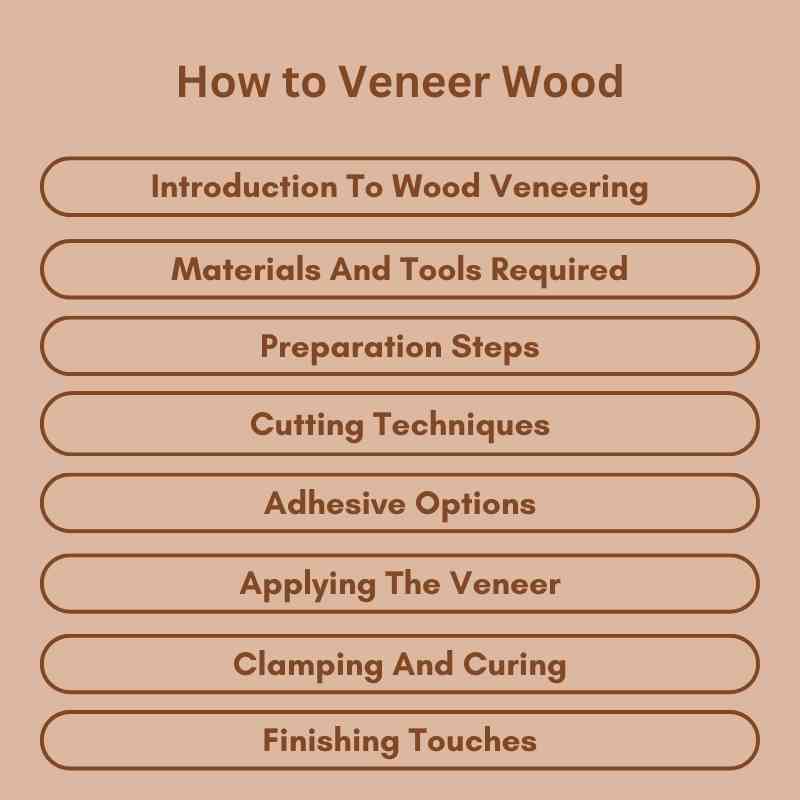
Cutting Techniques
Measuring and marking wood accurately is very important for great results. Use a tape measure to get the correct length. Mark the measurements with a pencil or a marker. This helps you see where to cut clearly.
For precision cutting, follow these methods:
- Use a straight edge for straight cuts.
- For curves, a jigsaw works well.
- Check your cuts with a square to ensure they are even.
- Practice on scrap wood to improve your skills.
Taking your time while measuring and marking will lead to better cuts. Always double-check your measurements before cutting.
Adhesive Options
Choosing the right adhesive is key for a strong veneer bond. PVA glue is a popular option. It dries clear and is easy to use. Contact cement provides a strong hold for larger surfaces. Hide glue is traditional and allows for easy repairs.
For the best results, follow these application tips:
- Ensure both surfaces are clean and dry.
- Apply an even coat of glue on one surface.
- Press the veneer firmly into place.
- Use clamps to hold the veneer while it dries.
- Allow adequate drying time as per glue instructions.
Applying The Veneer
Align the veneer carefully on the wood surface. Ensure that the grain matches the wood underneath. Place it evenly, avoiding any gaps. Use a straight edge for a perfect fit.
To smooth out bubbles and wrinkles, start from the center. Gently press outward to release air. A roller or a soft cloth can help in this process. If bubbles remain, puncture them with a pin. Press the area down firmly to flatten.
Clamping And Curing
Effective clamping is crucial for a good veneer job. Use multiple clamps to distribute pressure evenly. Edge clamps work well for flat surfaces. Make sure to apply firm, even pressure. Avoid over-tightening, which can damage the veneer.
For curing, let the adhesive set properly. Most adhesives require a minimum curing time of 24 hours. Keep the temperature between 65°F and 75°F for best results. High humidity can affect adhesion negatively.
| Curing Conditions | Recommended Range |
|---|---|
| Temperature | 65°F – 75°F |
| Humidity | Below 50% |
| Curing Time | At least 24 hours |
Finishing Touches
Start by trimming any excess veneer that hangs over the edges. Use a sharp utility knife for a clean cut. Carefully score the veneer before removing it. This helps avoid damage to the wood underneath.
Next, sand the edges to smooth them out. Use fine-grit sandpaper for the best results. Sanding ensures a seamless look between the veneer and the wood. Take your time to achieve a perfect finish.
After sanding, consider applying a finish to protect the veneer. Choose a product that suits your project. A good finish enhances the wood’s natural beauty and adds durability.
Troubleshooting Common Issues
Splitting or cracking can happen during the veneering process. To fix this issue, apply a strong wood glue to the split area. Use clamps to hold the veneer together until the glue dries. Sand the area gently after it has dried.
For loose edges, a similar approach works well. Add wood glue underneath the loose veneer. Press it down firmly and secure it with tape or clamps. Allow the glue to dry completely. Once dry, trim any excess veneer carefully.
Advanced Veneering Techniques
Book-matching veneer sheets creates beautiful designs. This technique aligns two sheets of veneer. It produces a mirror effect. Start by cutting the veneer into equal sizes. Then, flip one sheet over. This method enhances the natural grain of the wood.
Creating inlays and patterns adds character to your projects. Use contrasting wood types for striking designs. Start by sketching your pattern on paper. Cut the veneer according to your design. Carefully fit the pieces into the base wood. This adds depth and interest to your woodwork.
Maintaining Your Veneered Pieces
To keep your veneered pieces in great shape, regular cleaning is essential. Use a soft, dry cloth for dusting. Avoid harsh chemicals that can damage the veneer finish.
For stains, use a slightly damp cloth. Wipe gently and dry immediately. Never soak the veneer, as excess moisture can cause warping.
For long-term preservation, place items away from direct sunlight. Extreme temperatures can harm the veneer. Use coasters and mats to prevent scratches.
| Tip | Action |
|---|---|
| Dust Regularly | Use a soft, dry cloth |
| Clean Stains | Use a damp cloth, then dry |
| Avoid Sunlight | Keep away from direct light |
| Protect Surfaces | Use coasters and mats |
Frequently Asked Questions
How Do You Prepare Wood For Veneering?
Preparing wood for veneering involves cleaning and sanding the surface. Start by removing any dust or debris. Use sandpaper to create a smooth, even surface. Ensure the wood is dry and free from oils. This preparation will help the veneer adhere better and result in a flawless finish.
What Tools Do I Need For Veneering?
For veneering, you’ll need a few essential tools. A sharp utility knife is crucial for cutting veneer. Additionally, use a veneer saw for precision cuts. A roller or press will help ensure proper adhesion. Don’t forget wood glue and clamps to secure your work during the drying process.
How Do You Apply Veneer To Wood?
To apply veneer, start by spreading wood glue evenly on the substrate. Carefully lay the veneer on the glued surface, aligning it properly. Use a roller to eliminate air bubbles and ensure contact. Clamp the assembly and let it dry according to the glue manufacturer’s instructions for best results.
Can You Veneer Over Stained Wood?
Yes, you can veneer over stained wood, but preparation is key. Ensure the stained surface is clean and dry. Lightly sand the stained area to help the veneer adhere better. Test a small piece first to ensure compatibility between the stain and the adhesive used for veneering.
Conclusion
Veneering wood can transform your projects and elevate their aesthetic appeal. With the right tools and techniques, anyone can master this skill. Remember to practice patience and precision for the best results. Embrace your creativity and enjoy the rewarding process of crafting beautiful wooden surfaces.
Your projects will thank you!