Reviving Your Hardwood Floors with Hydrogen Peroxide: A Game-Changer for Homeowners
Hey there! If you’re like me, your hardwood floors are the pride of your home. They add warmth, elegance, and a touch of timeless charm. But let’s be real—keeping them spotless can feel like a never-ending battle. Spills, pet accidents, and stubborn stains can dull their shine. That’s where hydrogen peroxide comes in. I’ve spent years experimenting with cleaning solutions, and I’m excited to share how this simple household staple can transform your hardwood floors. In this article, I’ll walk you through everything I’ve learned about using hydrogen peroxide to clean, disinfect, and restore your floors. Let’s dive into this surprisingly effective method and bring back that showroom glow!
Why Hydrogen Peroxide for Hardwood Floors?
Let me tell you a quick story. A few years ago, my dog had an accident on our oak floors. The dark stain and lingering odor were a nightmare. I tried every cleaner under the sun, but nothing worked. Then, I stumbled across hydrogen peroxide. It’s not just for cuts and scrapes—it’s a powerhouse for cleaning wood. Why? Because it’s a mild oxidizer that breaks down organic stains like pet urine, wine, or food spills. It also has antibacterial properties, which means it can sanitize your floors without harsh chemicals.
Hydrogen peroxide is affordable, eco-friendly, and safe for most hardwood finishes when used correctly. Unlike bleach, it won’t strip your floor’s sealant or leave a toxic residue. But there’s a catch—you need to know how to use it properly to avoid damage. Over the years, I’ve fine-tuned my approach, and I’m here to share the dos and don’ts so you can get the same results I did.
Understanding Your Hardwood Floors: Types and Finishes
Before we get to the cleaning part, let’s talk about your floors. Not all hardwood is the same, and knowing what you’re working with is key. I learned this the hard way when I used the wrong cleaner on my unsealed floors and ended up with a warped mess.
Here’s a quick breakdown of hardwood floor types and finishes:
| Floor Type | Description | Hydrogen Peroxide Suitability |
|---|---|---|
| Solid Hardwood | Made from a single piece of wood, durable but sensitive to moisture. | Safe if sealed; test on unsealed floors. |
| Engineered Hardwood | Thin hardwood layer over plywood, less durable but more moisture-resistant. | Safe with proper dilution; avoid over-application. |
| Unsealed Floors | No protective coating, highly absorbent, prone to warping. | Use sparingly; test in a hidden area first. |
| Sealed Floors | Coated with polyurethane or polyacrylic, water- and stain-resistant. | Safe with dilution; ideal for hydrogen peroxide. |
| Oil-Finished Floors | Matte finish, absorbs liquids slowly, needs special care. | Use cautiously; test to avoid discoloration. |
Most modern homes have sealed hardwood floors, which are the easiest to clean with hydrogen peroxide. If you’re unsure about your floor type, check with the manufacturer or test a small, hidden area first. I once skipped this step and ended up with a slightly lightened patch—lesson learned!
The Science Behind Hydrogen Peroxide’s Cleaning Power
Let’s get a little nerdy for a moment. Hydrogen peroxide, or H₂O₂, is water with an extra oxygen molecule. That extra oxygen is what makes it so effective. When it comes into contact with organic material—like pet urine or spilled coffee—it releases oxygen radicals. These radicals break down the stain’s chemical bonds, lifting it from the wood. It’s like a mini science experiment happening on your floor!
The bleaching effect is another perk. Hydrogen peroxide can lighten dark stains, but it’s gentler than chlorine bleach. I’ve used it to tackle everything from watermarks to ink stains. Plus, it kills bacteria and neutralizes odors, which is a lifesaver if you have pets or kids. The best part? It breaks down into water and oxygen, leaving no harmful residue.
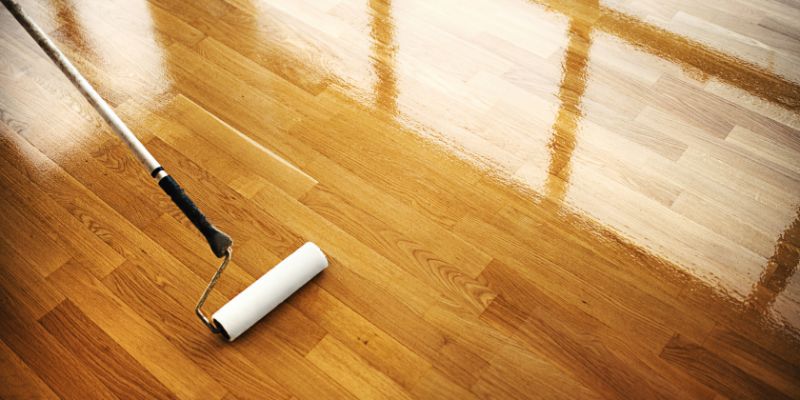
How to Safely Use Hydrogen Peroxide on Hardwood Floors
Now, let’s get to the good stuff—how to actually use hydrogen peroxide. I’ve tried a bunch of methods, and this is the approach that’s worked best for me. Follow these steps, and you’ll be amazed at the results.
Step 1: Gather Your Supplies
You don’t need much, which is why I love this method. Here’s what you’ll need:
- 3% hydrogen peroxide (available at any drugstore)
- A spray bottle
- Microfiber cloths or a microfiber mop
- Rubber gloves (to protect your hands)
- A bucket of warm water
- A vacuum or broom
For deeper cleaning, you can use 12% hydrogen peroxide, but it’s harder to find. I usually stick with 3% for routine maintenance and spot cleaning.
Step 2: Prep Your Floor
Before you start, sweep or vacuum your floor to remove dust, hair, or debris. I made the mistake of skipping this once, and the dirt got smeared around, making things worse. If you’re dealing with a specific stain, identify its type—organic stains like pet urine or food respond best to hydrogen peroxide.
Step 3: Test a Small Area
This is crucial. I can’t stress it enough. Apply a small amount of hydrogen peroxide to a hidden spot, like under furniture. Let it sit for a few minutes, then wipe it away and check for discoloration. If the finish looks cloudy or the wood lightens too much, dilute the peroxide with water (1 part peroxide to 10 parts water) and test again.
Step 4: Spot Cleaning Stains
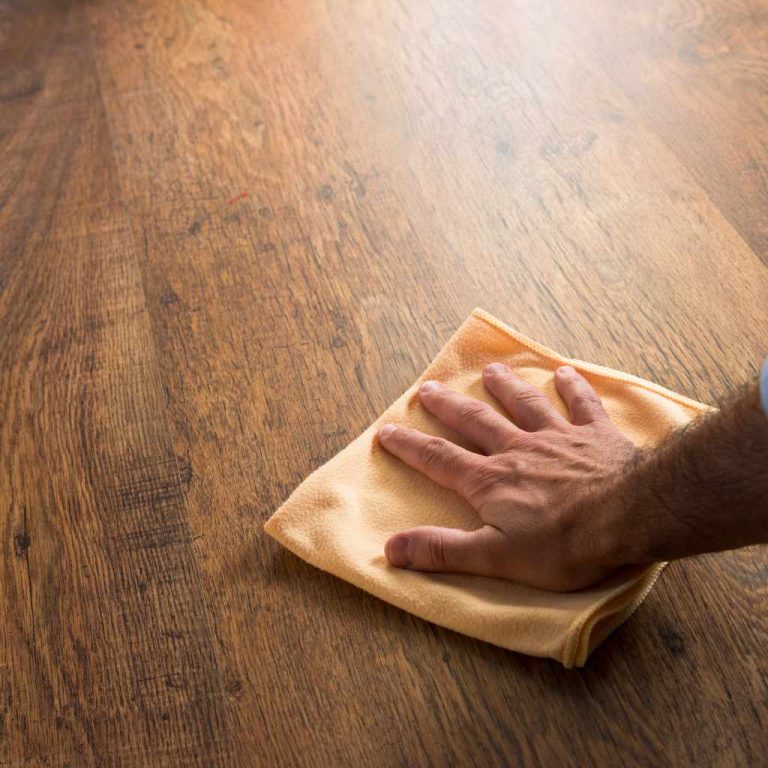
For stubborn stains, pour 3% hydrogen peroxide into a spray bottle. Lightly mist the stained area—don’t soak it. Let it sit for 3-5 minutes. Then, use a microfiber cloth to gently scrub the spot. Wipe away any excess liquid and dry the area immediately with a clean cloth. I’ve found this works wonders on pet stains. For extra stubborn marks, I soak a paper towel in peroxide, lay it over the stain, and leave it for a few hours, checking periodically.
Step 5: General Floor Cleaning
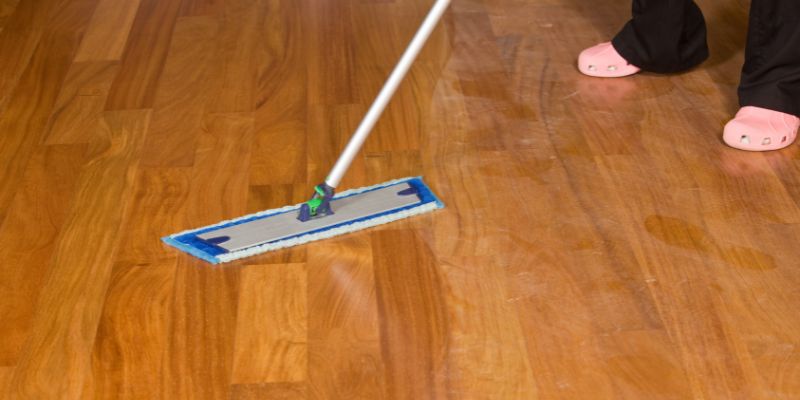
For a full-floor clean, dilute 1 cup of 3% hydrogen peroxide with a gallon of warm water. Dip your microfiber mop or cloth into the solution, wring it out until it’s just damp, and mop in small sections. Dry each section with a clean cloth before moving on. Too much water can seep into the wood and cause damage, so keep it light. I usually work in 3×3-foot sections to stay in control.
Step 6: Tackle Odors with Baking Soda
Pet odors can be tricky. After treating a stain with hydrogen peroxide, I sprinkle baking soda over the area and let it sit until it dries. Then, I vacuum it up. This combo has saved my floors from lingering smells more times than I can count.
Benefits of Using Hydrogen Peroxide on Hardwood Floors
Why do I keep coming back to hydrogen peroxide? Here are the reasons it’s become my go-to:
- Cost-Effective: A bottle of 3% hydrogen peroxide costs less than $2, compared to $10-$20 for specialty wood cleaners.
- Eco-Friendly: It breaks down into water and oxygen, so it’s safe for the environment.
- Versatile: It works on hardwood, engineered wood, and even laminate (with caution).
- Disinfects: It kills germs and bacteria, which is great for homes with kids or pets.
- Stain Removal: It lifts organic stains without harsh chemicals.
I’ve saved hundreds of dollars by skipping fancy cleaners and sticking with this method. Plus, it’s satisfying to see those stains disappear!
Risks and Precautions to Keep in Mind
I’ll be honest—hydrogen peroxide isn’t perfect. If you’re not careful, you can run into trouble. Here are some pitfalls I’ve learned to avoid:
- Overuse: Too much peroxide or leaving it on too long can lighten your wood or damage the finish. I once left a soaked towel on for too long and ended up with a pale patch.
- High Concentrations: Stick to 3% for most tasks. Higher strengths (like 12% or 35%) are riskier and should be diluted.
- Unsealed Floors: These are super absorbent, so peroxide can cause warping. Always test first.
- Mixing Chemicals: Never mix hydrogen peroxide with bleach, ammonia, or vinegar. It can create toxic fumes.
If you’re unsure, consult a professional. I had to call in a flooring expert once when a deep pet stain damaged the finish beyond repair. They sanded and refinished the area, and it blended perfectly.
When to Call a Professional
Sometimes, hydrogen peroxide isn’t enough. If a stain has penetrated deep into the wood or the finish is damaged, you might need to sand and refinish. This happened to me with an old wine stain that had set in for years. Sanding costs $3-$6 per square foot, but it’s worth it for severe damage. For large areas or if you’re renting (like I was once), a pro can ensure the repair matches the rest of your floor. Look for local flooring experts with good reviews—I found mine through a quick online search.
Alternative Cleaning Methods for Hardwood Floors
While hydrogen peroxide is my favorite, it’s not the only option. Here are a few alternatives I’ve tried:
- Bona Hardwood Floor Cleaner: A pH-neutral cleaner that’s safe for sealed floors. It’s pricier but effective for routine cleaning.
- Murphy’s Oil Soap: Great for sealed floors, but it can leave a residue if not diluted properly.
- Vinegar and Water: Good for light cleaning, but I avoid it on unsealed floors since it’s acidic.
- Baking Soda Paste: Works for surface stains but can be abrasive, so I use it sparingly.
I usually alternate between hydrogen peroxide and Bona for variety. It keeps my floors happy and prevents buildup.
Maintaining Your Hardwood Floors for the Long Haul
Cleaning is just one part of the equation. To keep your floors looking great, I follow these habits:
- Sweep Daily: Dust and debris can scratch the finish, so I sweep or vacuum regularly.
- Use Mats: Place rugs at entrances to trap dirt. I also use felt pads under furniture to prevent scratches.
- Control Humidity: Wood expands and contracts with moisture. I keep my home’s humidity between 30-50% with a humidifier.
- Avoid Harsh Chemicals: Stick to pH-neutral or wood-safe cleaners to protect the finish.
These small steps have kept my floors looking brand-new for years. Trust me, a little prevention goes a long way.
My Personal Success Story
Let me share one last story. Last summer, I noticed dark water stains under a plant pot in my living room. I panicked, thinking I’d need to replace the boards. But I tried the hydrogen peroxide trick—soaking a cotton rag with 3% peroxide and leaving it on the stain overnight. The next morning, the stain was gone, and the finish was intact. I was thrilled! It’s moments like these that make me love this method. It’s simple, effective, and budget-friendly.
Conclusion: Transform Your Floors with Confidence
I hope you’re as excited about hydrogen peroxide as I am! It’s been a game-changer for keeping my hardwood floors clean, stain-free, and smelling fresh. Whether you’re tackling pet accidents, watermarks, or just want a deep clean, this household staple can do wonders when used correctly. Just remember to test first, dilute when needed, and dry thoroughly to avoid damage. With a little care, your floors will stay gorgeous for years to come. So grab that bottle of peroxide, roll up your sleeves, and give your hardwood floors the love they deserve. You’ll be amazed at the results, just like I was!
Frequently Asked Questions
Can I Use Hydrogen Peroxide on All Hardwood Floors?
Not all floors are the same. Sealed hardwood floors handle hydrogen peroxide well, especially with a 3% solution. Unsealed or oil-finished floors are trickier—they’re more absorbent and can warp or discolor. Always test in a hidden spot first. If you see clouding or lightening, dilute the peroxide or skip it altogether.
How Often Should I Clean My Floors with Hydrogen Peroxide?
For routine cleaning, I use hydrogen peroxide every 1-2 weeks, depending on foot traffic. High-traffic areas might need it more often. For spot cleaning, I use it as needed for stains or odors. Just don’t overdo it—too much can dull the finish over time.
Will Hydrogen Peroxide Remove Pet Stains?
Yes, it’s fantastic for pet stains! I’ve used 3% hydrogen peroxide to lift dark urine stains and neutralize odors. Spray it on, let it sit for a few minutes, and wipe it away. For tough stains, soak a paper towel and leave it for a few hours, then follow with baking soda for odor control.
Can Hydrogen Peroxide Damage My Floor’s Finish?
If used correctly, it’s safe for most sealed floors. But high concentrations or prolonged exposure can cloud or strip the finish. I stick to 3% peroxide and dry the area quickly. If you’re worried, dilute it with water and test first.
What’s the Best Way to Dilute Hydrogen Peroxide for Cleaning?
For general cleaning, I mix 1 cup of 3% hydrogen peroxide with a gallon of warm water. For tougher stains, I use 3% straight from the bottle. If you have 12% or 35% peroxide, dilute it to about 3% (1 part peroxide to 10 parts water) to be safe.
Is Hydrogen Peroxide Better Than Commercial Cleaners?
It depends. I love hydrogen peroxide because it’s cheap, eco-friendly, and great for stains. But commercial cleaners like Bona are formulated for routine maintenance and can be gentler on finishes. I use both—peroxide for tough jobs and Bona for weekly cleaning.
Can I Mix Hydrogen Peroxide with Other Cleaners?
No way! I learned this the hard way. Mixing hydrogen peroxide with bleach, ammonia, or vinegar can create toxic fumes. Stick to using it alone or with water. If you want to add a scent, a drop of lemon essential oil is safe and smells great.