Best Floor Sweepers for Hardwood Floors
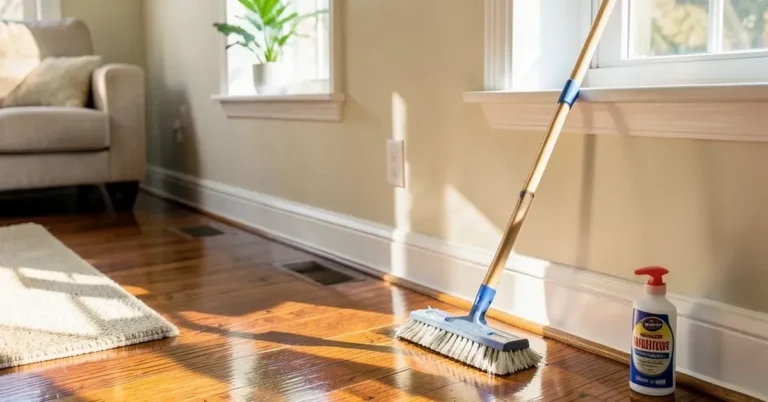
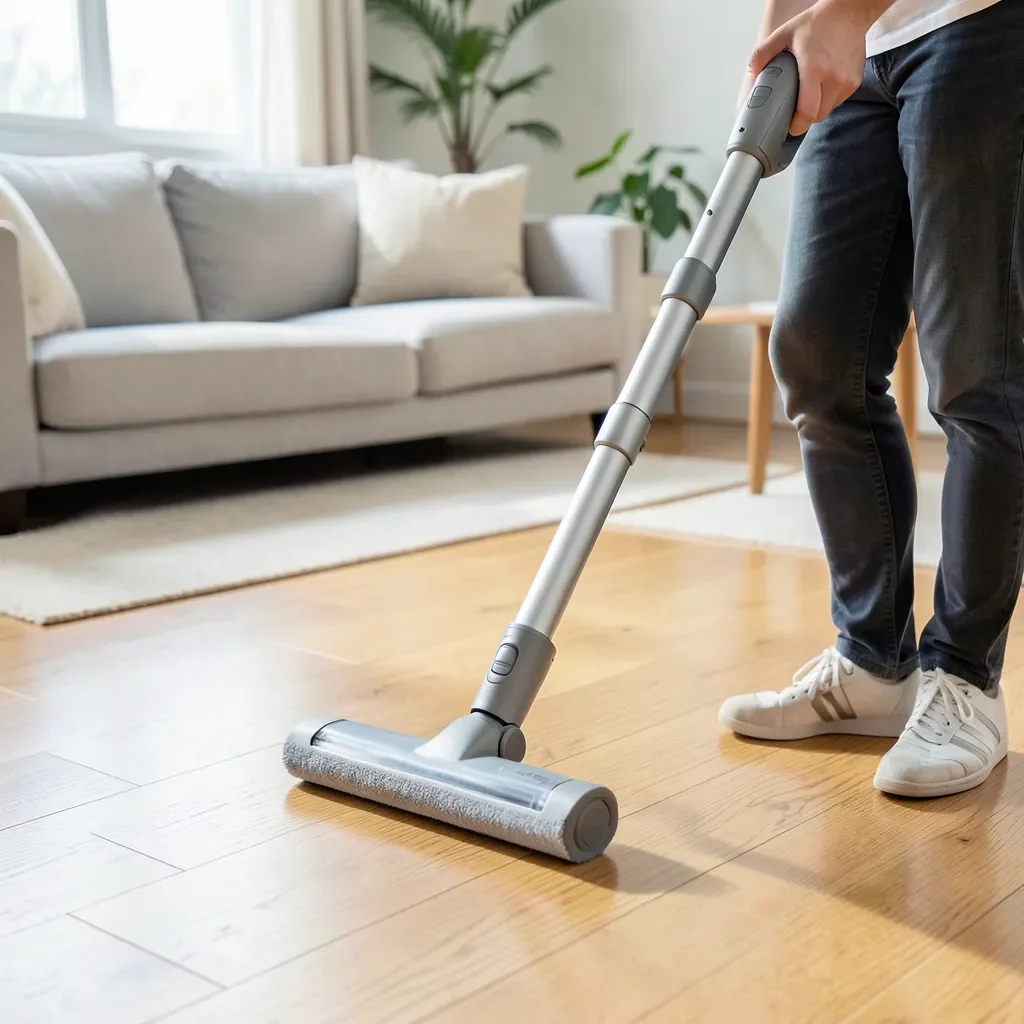
The safest floor sweepers for hardwood use soft rollers, microfiber pads, or brushes instead of a rigid beater bar – a standard vacuum’s spinning beater bar is the single most common cause of hairline scratches on finished wood. This guide covers the real differences between manual, cordless, corded, and robot sweepers, the features that actually protect a hardwood finish, and one budget pick worth starting with.
Why Hardwood Floors Need Special Care
Best Budget Floor Sweeper Pick
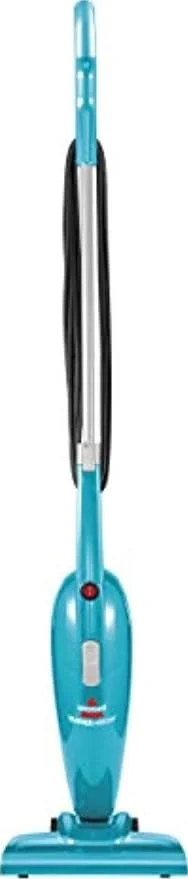 |
Bissell Featherweight Stick Vacuum & Electric Broom – $37.99 A corded “electric broom” built with a soft brush roll for hard floors instead of a carpet-style beater bar, exactly the feature this guide flags as the one that matters most for protecting a hardwood finish.
|
As an Amazon Associate we earn from qualifying purchases.
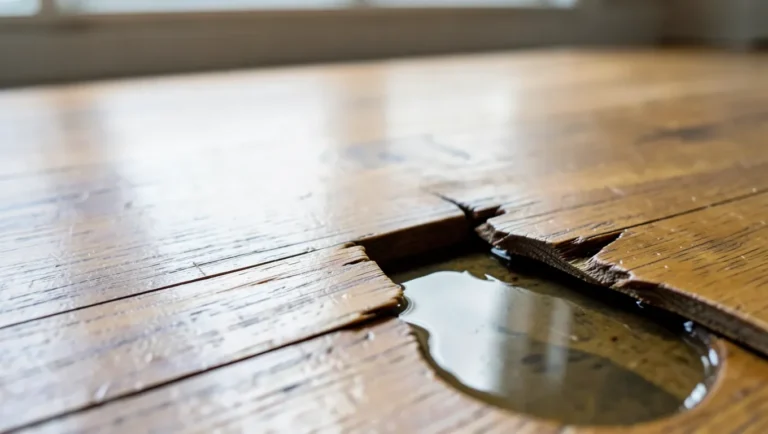
Hardwood floors aren’t just any surface – whether it’s oak, maple, or cherry, the finish is what protects the wood, and that finish is what a harsh cleaning tool damages first. Unlike carpet or tile, hardwood needs a gentle touch: a rigid beater bar or stiff bristle can leave hairline scratches that dull the finish over time, even if the wood underneath is untouched.
A sweeper designed for hardwood floors uses soft bristles or rubberized/microfiber rollers to pick up dust, hair, and debris without the scratching risk of a standard vacuum’s beater bar. They’re also lighter and easier to maneuver for quick daily cleanups than a full vacuum.
Types of Floor Sweepers for Hardwood Floors
There are four main categories, each with real tradeoffs:
Manual Sweepers
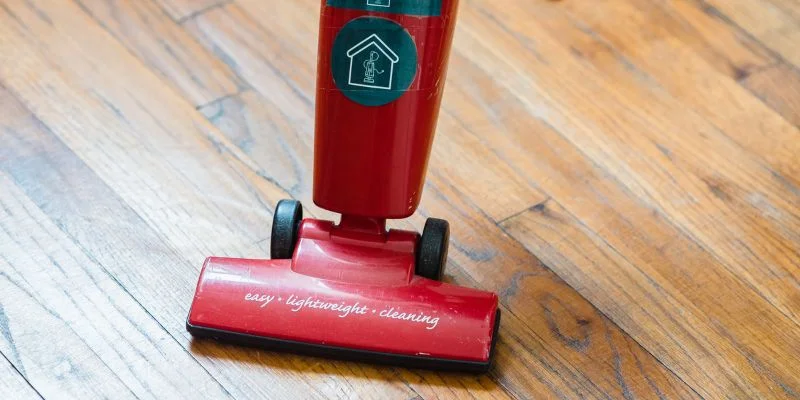
Manual sweepers use rotating brushes driven by the wheels as you push them, with no electricity needed. They’re quiet, affordable, and good for daily touch-ups in a workshop or kitchen, but they struggle with larger debris like wood chips.
Cordless Electric Sweepers
Cordless stick vacuums are battery-powered, easy to glide around furniture, and often use soft rollers or microfiber pads gentle on hardwood. The main tradeoff is battery life, typically 20-40 minutes per charge, which is enough for most homes but not ideal for very large spaces.
Corded Electric Sweepers
Corded models trade convenience for unlimited runtime and typically stronger suction, which helps with pet hair and dust bunnies in larger homes. The cord itself is the main downside when moving between rooms.
Robot Sweepers
Robot vacuums roam the home on a schedule, and many models are designed with hardwood-safe brushes and furniture-avoidance sensors. They cost more upfront and need their small dustbins emptied regularly, but they handle daily maintenance with no manual effort.
Quick comparison:
| Type | Pros | Cons | Best For |
|---|---|---|---|
| Manual Sweeper | Affordable, quiet, no power needed | Limited to small debris, less powerful | Small spaces, quick cleanups |
| Cordless Electric Sweeper | Lightweight, cord-free, hardwood-safe | Limited battery life, pricier | Medium-sized homes, daily use |
| Corded Electric Sweeper | Powerful, unlimited runtime | Cord can be inconvenient, heavier | Large homes, deep cleaning |
| Robot Sweeper | Hands-free, smart navigation | Expensive, small dustbin | Busy households |
Key Features to Look for in a Hardwood Floor Sweeper
Soft Brushes or Rollers
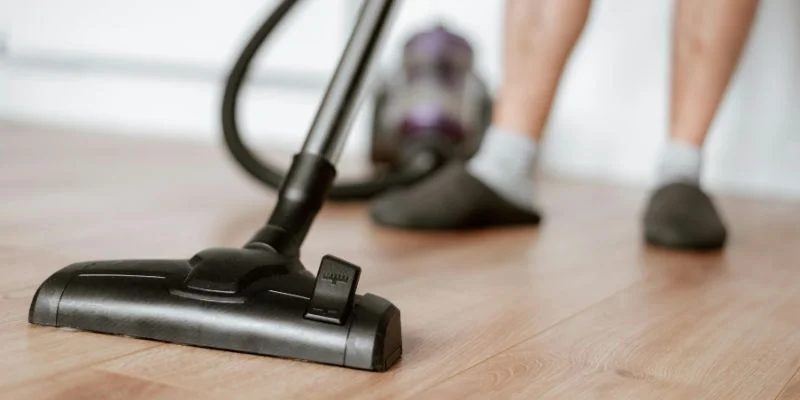
The biggest concern with hardwood floors is scratches, so look for soft bristles, microfiber pads, or rubber/felt rollers rather than a stiff bristle brush roll. Several major brands market “fluffy” or soft-roller heads specifically for hard floors.
Adjustable Suction
Too much suction makes a sweeper hard to push across a polished floor; too little won’t pick up debris effectively. Adjustable suction settings, common on corded and cordless electric models, let you dial power down for bare hardwood and up for area rugs.
Lightweight Design
A sweeper under about 10 pounds is far easier to maneuver around table legs and up stairs. Cordless stick and manual sweepers tend to be the lightest options.
HEPA Filtration
A HEPA filter traps fine dust and allergens rather than recirculating them into the air, which matters most for households with allergies or a workshop nearby that generates fine sawdust.
Easy-to-Empty Dustbin
A one-touch release or bottom-emptying dustbin keeps cleanup less messy. Robot sweepers and many cordless models make this easy, though their bins run smaller and need emptying more often.
Maneuverability
A swivel head or low-profile design that slides under furniture matters more on hardwood, where you’re navigating around exposed table and chair legs rather than carpet edges.
Well-Known Hardwood-Safe Models by Category
A few widely available models illustrate what each sweeper category looks like in practice:
- Bissell Featherweight Stick Vacuum – a budget corded “electric broom” (roughly $38) with a soft brush roll, under 3 lbs, positioned specifically for hard floors.
- Dyson V12 Detect Slim – a cordless stick vacuum with a soft “Fluffy” roller head built for hard floors and a laser that highlights fine dust; roughly 40 minutes of runtime per charge.
- Shark Pet Plus Cordless Stick Vacuum – a cordless model with a self-cleaning brush roll marketed for pet hair on mixed flooring, including a HEPA filter on several versions.
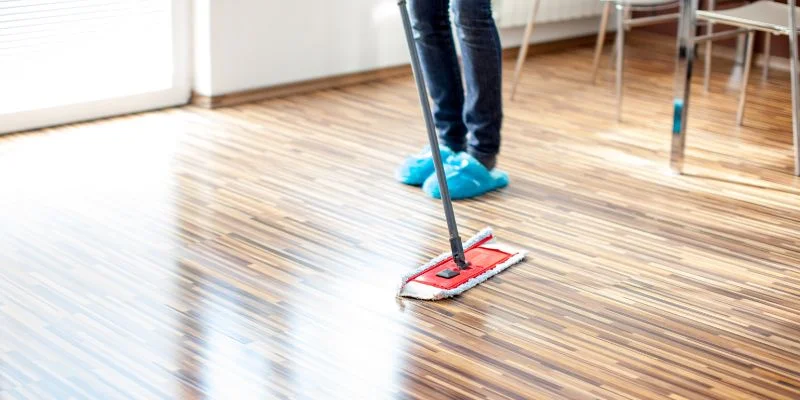
- O-Cedar Dual-Action Microfiber Sweeper Dust Mop – a true manual dust-mop-style sweeper (not the EasyWring spin mop, which is a wet mop, not a dry sweeper) with a microfiber head designed for daily dry dusting on hardwood.
- iRobot Roomba (S9-series and newer) – a robot vacuum line with hardwood-safe rubber rollers and furniture-avoidance sensors, positioned as a hands-off daily-maintenance option for larger homes.
Actual prices and exact models change over time, so verify current specs and reviews before buying – the pick above is the one we’d start with for most hardwood-owning households on a budget.
How to Use a Floor Sweeper Safely on Hardwood Floors
- Empty the dustbin regularly: a full bin reduces suction and can spill debris back onto the floor.
- Avoid over-wetting: if a sweeper has a mopping function, use as little water as possible – excess moisture can warp hardwood over time.
- Check for large debris first: pick up wood shavings, pebbles, or other hard debris before sweeping so it doesn’t get caught in the brush and scratch the floor.
- Adjust suction for the surface: use the lowest setting on polished floors and increase only for rugs.
- Clean the sweeper itself regularly: built-up dust and hair in the brushes or filter reduces performance over time.
“The one habit that actually matters is checking for hard debris before you sweep – a single trapped wood chip or piece of grit dragged under a roller head will scratch a hardwood floor faster than the wrong sweeper ever would.”
Maintaining Your Hardwood Floors Alongside Sweeping
- Dust regularly to prevent grit buildup that can grind into the finish underfoot.
- Add felt pads to furniture legs to prevent scratches when moving chairs or tables.
- Avoid harsh chemicals when mopping – stick to hardwood-safe cleaners, since harsh chemicals can strip the finish.
- Reapply finish as needed – a fresh coat of polyurethane or wax every few years keeps the surface protected.
Common Mistakes to Avoid
- Using a vacuum with a beater bar: stick to sweepers with soft rollers or brushes instead – a beater bar is the single most common cause of fine hardwood scratches from cleaning.
- Overlooking maintenance: a sweeper with clogged filters or brushes loses suction and can spread dust instead of collecting it.
- Sweeping too aggressively: pushing too hard can scuff the floor – let the sweeper’s roller or brush do the work with light, steady strokes.
Frequently Asked Questions
What’s the Difference Between a Floor Sweeper and a Vacuum?
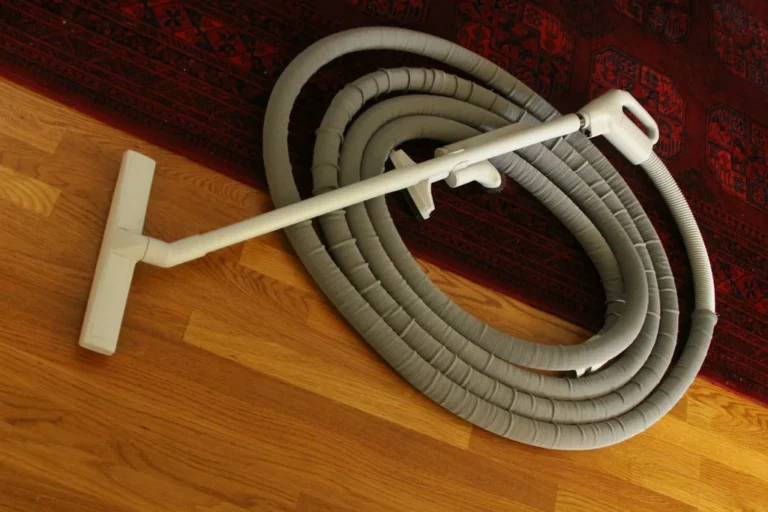
A floor sweeper is built for light cleaning, using soft brushes or rollers to pick up dust and small debris. A standard vacuum has stronger suction and often a beater bar, which can be too aggressive for a hardwood finish. Most households use a sweeper for daily upkeep and save a full vacuum for rugs.
Can I Use a Regular Vacuum on Hardwood Floors?
You can, but it’s riskier. Many vacuums have a beater bar or stiff bristles that can scratch hardwood. Check for a brush-roll shutoff switch or a dedicated soft-roller hard-floor attachment before running any standard vacuum on a hardwood floor.
How Often Should I Sweep My Hardwood Floors?
Daily light sweeping in high-traffic areas prevents grit from grinding into the finish. A deeper clean with stronger suction once or twice a week is usually enough for most households.
Are Robot Sweepers Worth the Price for Hardwood Floors?
For larger homes or busy households, yes – a robot vacuum with hardwood-safe rollers handles daily maintenance with no manual effort, though the higher upfront cost only pays off if you’ll actually use the hands-free schedule.
How Do I Prevent Scratches When Using a Floor Sweeper?
Stick to sweepers with soft brushes or rollers, pick up any large or hard debris before sweeping, and avoid pushing the sweeper too hard against the floor.
Conclusion
Choosing the right floor sweeper for hardwood comes down to one rule: avoid anything with a rigid beater bar, and pick the format – manual, cordless, corded, or robot – that matches how often you actually clean and how large your space is. A soft roller, adjustable suction, and a lightweight frame will do more for your floor’s finish than any single brand name.
Sponsored / affiliate links. As an Amazon Associate I earn from qualifying purchases. I may earn additional commission from eligible campaigns.