Best Hardwood Floor Color: How to Choose for Any Room
Natural oak in honey and wheat tones leads 2026’s hardwood floor colors, but the right shade for your home depends on room size, natural light, and the undertone of your cabinets and trim — not just what’s trending. Picking a color that fights your room’s light or clashes with existing wood can make a space feel smaller or dated fast. This guide covers 2026’s top colors, how to match undertones correctly, and which shades hold resale value.
Insert your Affiliate Disclosure reusable block here
Quick Answer
Warm natural oak (honey to wheat tones) is the most popular hardwood floor color for 2026, followed by softened greige and whitewashed finishes. The best choice for your space isn’t the trendiest one — match the floor’s undertone to whatever wood or stone you’re keeping (cabinets, trim, countertops), and go lighter in small or low-light rooms to avoid a cramped look.
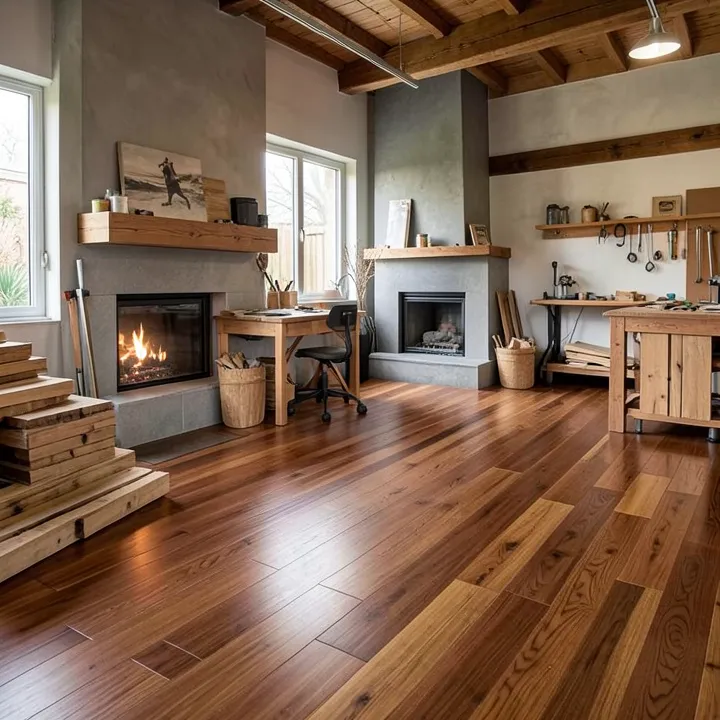
Match Your Floor Color to What You’re NOT Changing
Best Hardwood Floor Color Test Pick
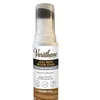
Varathane Less Mess Wood Stain, Golden Oak
A pre-loaded applicator that lets you test 2026’s most popular hardwood floor color on a real offcut or hidden corner before committing a whole room.
- Best for: testing the natural-oak trend on unfinished or bare wood
- Why we picked it: no separate rag or brush needed, so a test patch takes minutes
- Main drawback: the built-in applicator holds less stain than a can, so buy a second bottle for anything larger than a sample board
Compare more 2026 hardwood floor color options
 Option 1 Varathane Dark Walnut Wood Stain
|
 Option 2 Varathane Gray Wood Stain
|
 Option 3 Varathane Whitewash Wood Stain
|
As an Amazon Associate we earn from qualifying purchases.
The single biggest mistake in choosing a hardwood floor color is picking it in isolation. Before you look at a single stain swatch, identify the wood, stone, or paint color you’re keeping — cabinets, trim, countertops — and match your floor’s undertone to it. Undertone (whether a color reads warm/gold or cool/gray) matters more than the shade name on the sample card.
| What You’re Keeping | Its Undertone | Best-Matching Floor Family | Colors to Avoid |
|---|---|---|---|
| White or cream cabinets | Neutral to warm | Natural oak, honey, warm greige | Cool blue-gray (reads sterile against warm white) |
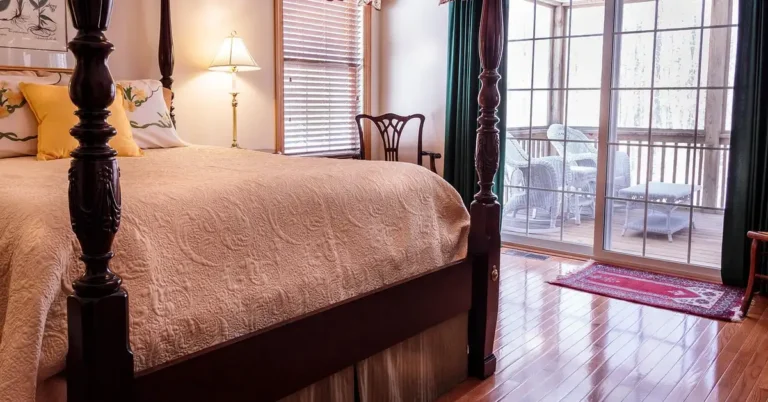
| Dark espresso or walnut cabinets | Cool-leaning brown | Light-to-mid natural oak for contrast, or a matching walnut stain | Reddish-orange oak — see our full guide to floor colors that pair with dark cabinets for the exact undertone chart |
| Gray or greige cabinets | Cool | Greige, whitewash, light gray-oak | Warm honey or gold (fights the cool undertone) |
| Natural wood trim or doors | Usually warm | A floor within one shade family of the trim | Mixing two or more unrelated wood tones in the same sightline |
| Granite or quartz counters with warm veining | Warm | Honey, chestnut, mid-brown | Stark cool gray (clashes with warm veining) |
If you’re renovating a kitchen with hardwood floors and cabinets at the same time, choose the cabinet color first, then match the floor to it — reversing that order is what causes most of the “why does this look off” complaints after installation.
Top Hardwood Floor Colors Trending in 2026
Design forecasters agree on the direction for 2026: warm and earthy is replacing the cool grays that dominated the last decade. Here’s what’s actually selling.
- Natural oak (honey/wheat): The dominant color of 2026 — warm without reading orange, light without looking washed out. Works with almost any cabinet color.
- Warm mid-browns (chestnut, light walnut): Adds warmth without the maintenance of very dark floors; hides everyday scuffs better than either extreme.
- Whitewashed and coastal finishes: A pickled, low-pigment look that keeps the wood grain visible while lightening the overall tone — strong in small or low-light rooms.
- Softened greige: A warmer, browner take on the old cool-gray trend; grounds a room without feeling clinical.
- Dark walnut/espresso: Still requested for formal spaces, but it’s the color most likely to need refinishing before a sale — see the resale section below.
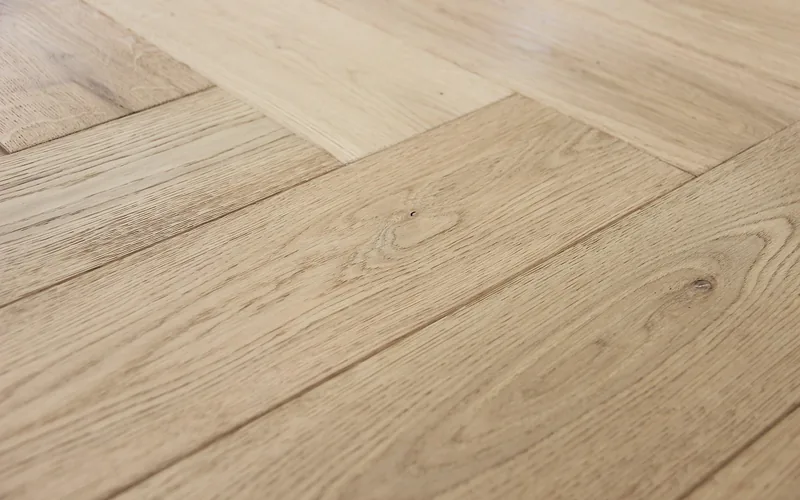
What Popular Hardwood Floor Colors Actually Are (Definition)
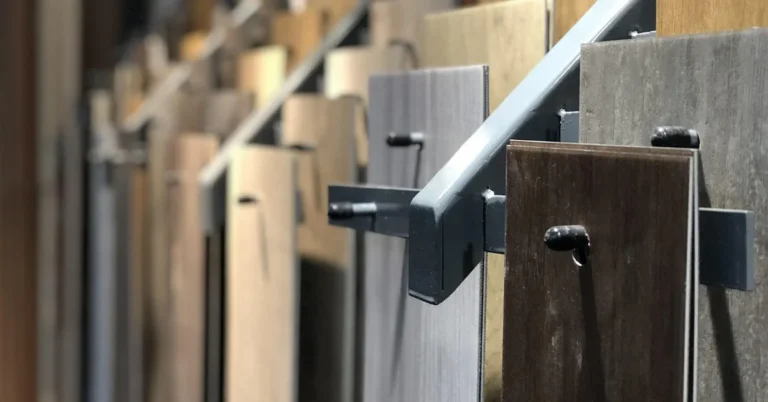
A hardwood floor color is the finished shade produced by a combination of the wood species’ natural tone and any stain applied over it — not the stain color alone. The same “golden oak” stain looks different on red oak than on white oak because the underlying wood grain and pigment absorption differ. Always test a stain on an offcut of your actual floor species before committing, not just the manufacturer’s sample chip. For the full range of species, finishes, and costs beyond just color, see our complete wood flooring guide.
How Room Size and Natural Light Change the Right Color
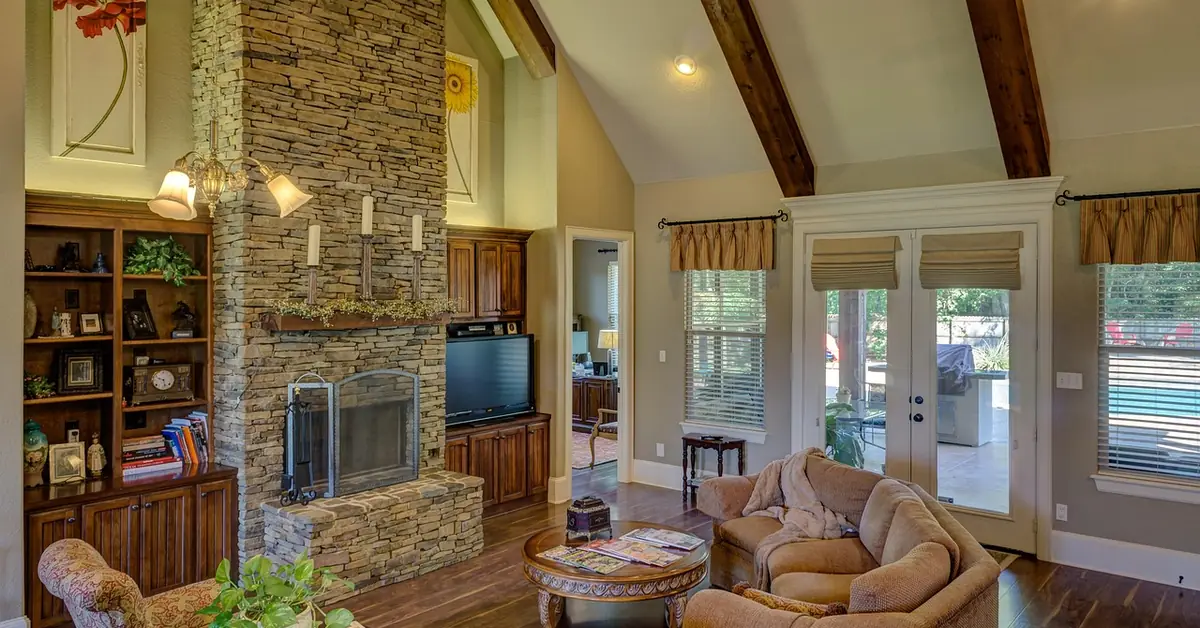
The same floor color reads differently depending on the room. In small or north-facing rooms with limited daylight, lighter tones (whitewash, blonde oak) bounce more light around and keep the space from feeling boxed in; dark floors in the same room absorb light and can make the walls feel closer together. In large, bright, south-facing rooms, mid-to-dark tones read grounded instead of heavy, because there’s enough natural light to keep the room from feeling closed off.
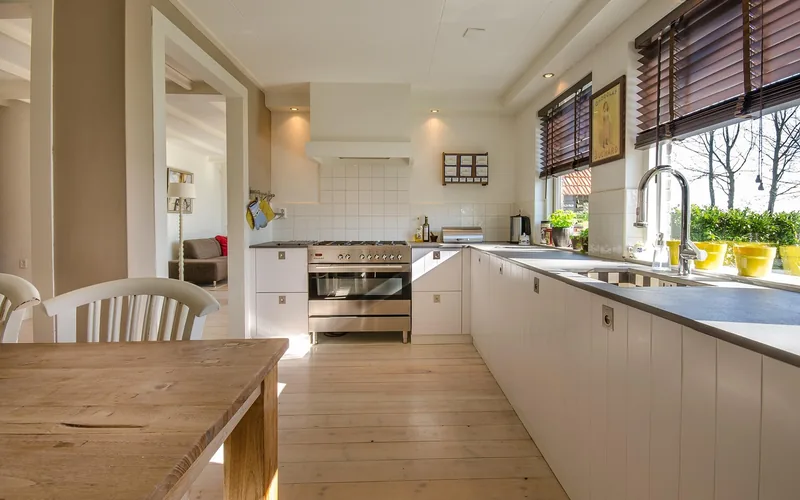
If you’re deciding between hardwood and laminate or solid versus engineered hardwood for a smaller room specifically because of budget, color performs the same light-bouncing trick regardless of which product you choose — a light engineered floor opens up a small room just as well as light solid oak.
Best Hardwood Floor Colors for Resale Value
Light and medium natural tones — blonde, honey, and light brown oak — have the widest buyer appeal because they read as neutral in listing photos and don’t fight a buyer’s own furniture or cabinet plans. Very dark espresso floors and stark cool-gray extremes narrow the buyer pool; they photograph well in a styled listing but can feel heavy or dated to the next buyer, which sometimes means a refinish before sale.
📊 Refinishing a hardwood floor to a more neutral color for resale typically runs $3–$8 per square foot, or roughly $1,200–$2,400 for a 300 sq ft room — factor that into whether a bold color trend is worth chasing versus a timeless neutral. Source: 2026 flooring-industry cost data.
If cost is the deciding factor either way, our full breakdown of hardwood installation cost by square foot and our note on the most affordable hardwood species both cover pricing in more depth than a color decision alone should.
Common Hardwood Floor Color Mistakes to Avoid
- Choosing the floor before the cabinets or trim. Undertone clashes are almost always caused by picking the floor color first, in isolation from the rest of the room.
- Trusting a stain sample chip over a real test. The same stain looks different on red oak, white oak, maple, or pine — always test on an offcut of your actual species.
- Chasing a bold trend in a small resale-focused home. A striking dark or high-contrast floor can shrink your buyer pool if you plan to sell within a few years.
- Ignoring existing warm or cool undertones already in the room. Warm granite veining under a cool-gray floor (or vice versa) reads as a mistake even when both colors are individually “on trend.”
How to Test a Hardwood Floor Color Before You Commit
- Get an offcut of your actual floor species: a scrap from the same install, or a sample board from your supplier — never test on a different wood than what’s going down.
- Apply a pre-stain conditioner if the wood is pine, birch, or maple: these species blotch without one; oak and walnut generally don’t need it.
- Test the stain in the room’s actual light, not a showroom: view the sample at midday and again under your evening lighting, since color temperature shifts both.
- Hold the sample against your cabinet door, trim, or countertop sample: undertone mismatches are far easier to catch side-by-side than from memory.
- Let the test patch cure fully before deciding: most stains darken slightly as they cure, so a same-day judgment can be misleading.
Frequently Asked Questions
What is the most popular hardwood floor color in 2026?
Natural oak in honey and wheat tones is the most popular hardwood floor color for 2026, favored because it reads warm without looking orange and light without looking washed out. Softened greige and whitewashed finishes follow closely behind for buyers who want a cooler or lighter look.
Does hardwood floor color affect home resale value?
Yes. Light-to-medium natural tones have the widest buyer appeal and rarely need updating before a sale. Very dark or extreme cool-gray floors can narrow your buyer pool and sometimes require a $3–$8 per square foot refinish to neutralize before listing.
Should hardwood floors match or contrast with cabinets?
Neither has to match exactly — what matters is undertone. A floor and cabinets can be different shades and still work as long as both read warm or both read cool. Mixing a warm floor with cool-toned cabinets (or the reverse) is what causes a room to feel visually off.
Are dark hardwood floors going out of style in 2026?
Dark espresso and walnut floors aren’t gone, but they’re no longer the default choice — the broader 2026 trend has moved toward warm naturals, greige, and whitewashed finishes. Dark floors still work well in large, bright rooms; they’re a harder sell in small or low-light spaces.
Can you change hardwood floor color without replacing the floor?
Yes, as long as the existing floor has enough wear layer left to sand. A professional refinish strips the old finish and stain, then applies a new color and topcoat — typically $3–$8 per square foot depending on the floor’s condition.
Conclusion
Warm natural oak is the safest and most popular hardwood floor color heading into 2026, but “popular” isn’t the same as “right for your room.” Match the undertone to whatever you’re keeping — cabinets, trim, or countertops — go lighter in small or dim spaces, and test any stain on your actual wood species before committing a whole floor to it.
Sponsored / affiliate links. As an Amazon Associate I earn from qualifying purchases. I may earn additional commission from eligible campaigns.