Ideal Wood Stove Flue Temperature Explained
Many people wonder about the best heat for their wood stove’s chimney pipe. It can feel confusing when you’re starting out with a wood stove. You want to be safe and burn wood well, but what’s the right temperature?
This guide makes it simple. We will walk through the Ideal Wood Stove Flue Temperature Explained step by step. You’ll learn exactly what to aim for to get the most from your stove.
Why Flue Temperature Matters
The temperature of your wood stove’s flue pipe is super important for how well your stove works. It affects how much heat you get into your room and also how safe your home is. If the flue is too cool, you might get creosote buildup.
Creosote is a sticky, flammable substance that can cause chimney fires. If it’s too hot, you could be wasting energy and potentially damaging your stove or chimney. Getting this right means your stove runs better and is safer.
Understanding Flue Gas
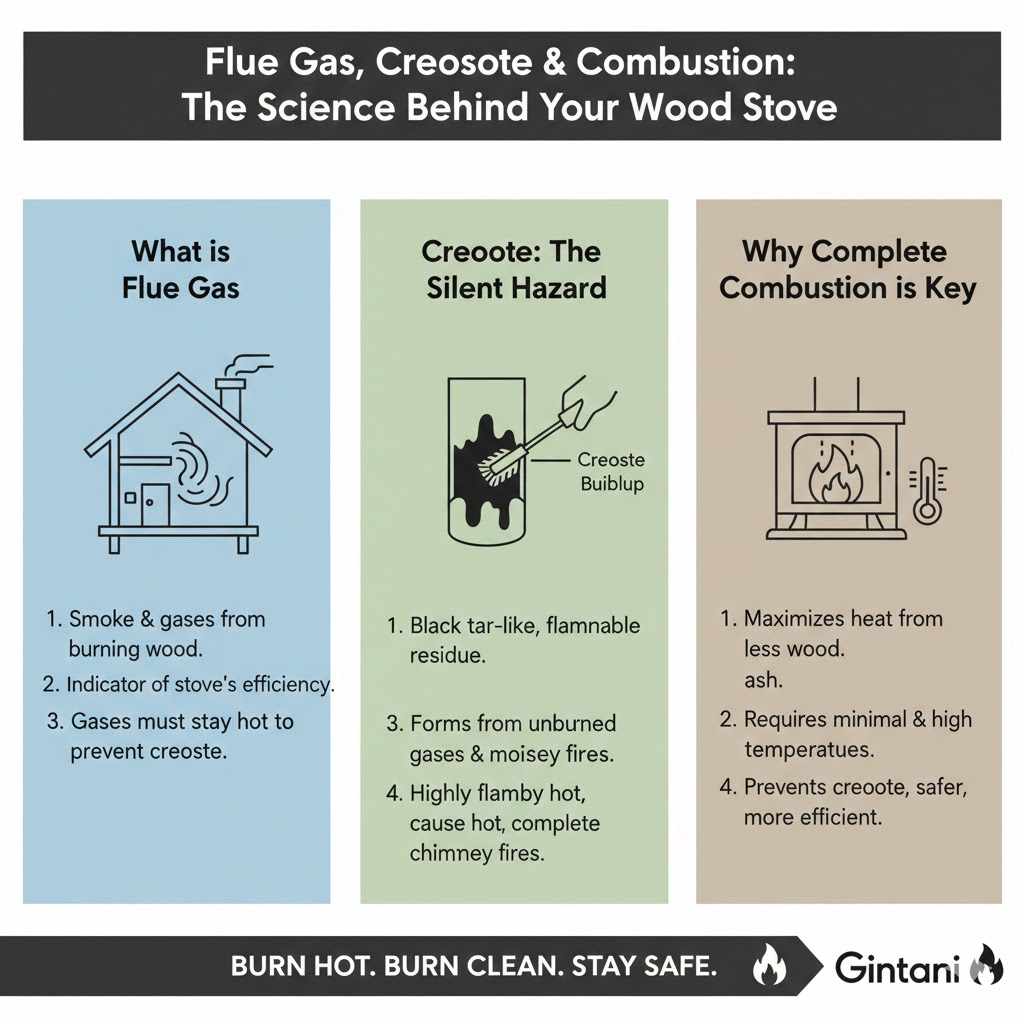
Flue gas is simply the smoke and other gases that come out of your wood stove when you burn wood. Think of it like the exhaust from a car. This gas travels up your chimney and out into the air.
The temperature of these gases is a key indicator of how efficiently your stove is burning. When wood burns, it releases various gases, some of which are combustible. If these gases cool down too much in the flue, they can condense and form creosote.
Ideal flue temperatures ensure these gases stay hot enough to exit the chimney without condensing.
What is Creosote
Creosote is a black, tar-like residue that forms when wood doesn’t burn completely. It’s made up of unburned gases and moisture from the wood. When these escape the fire and cool down, they stick to the inside of your chimney.
Over time, creosote can build up significantly. It’s very flammable, and if a spark or ember reaches a thick layer of creosote, it can cause a dangerous chimney fire. Keeping your flue temperature in the optimal range helps prevent this buildup by ensuring complete combustion and keeping the gases hot enough to exit.
Why Complete Combustion is Key
Complete combustion means that the wood is burning fully, using up most of its fuel content and producing minimal smoke. This results in more heat output for your room and fewer unburned byproducts that can turn into creosote. When wood burns completely, you get cleaner emissions and a more efficient burn.
This process requires enough oxygen and sufficient heat. If the temperature in the firebox or flue drops too low, combustion becomes incomplete. This leads to more smoke, less heat, and faster creosote formation.
Aiming for the right flue temperature supports this complete burning process.
The Ideal Temperature Range
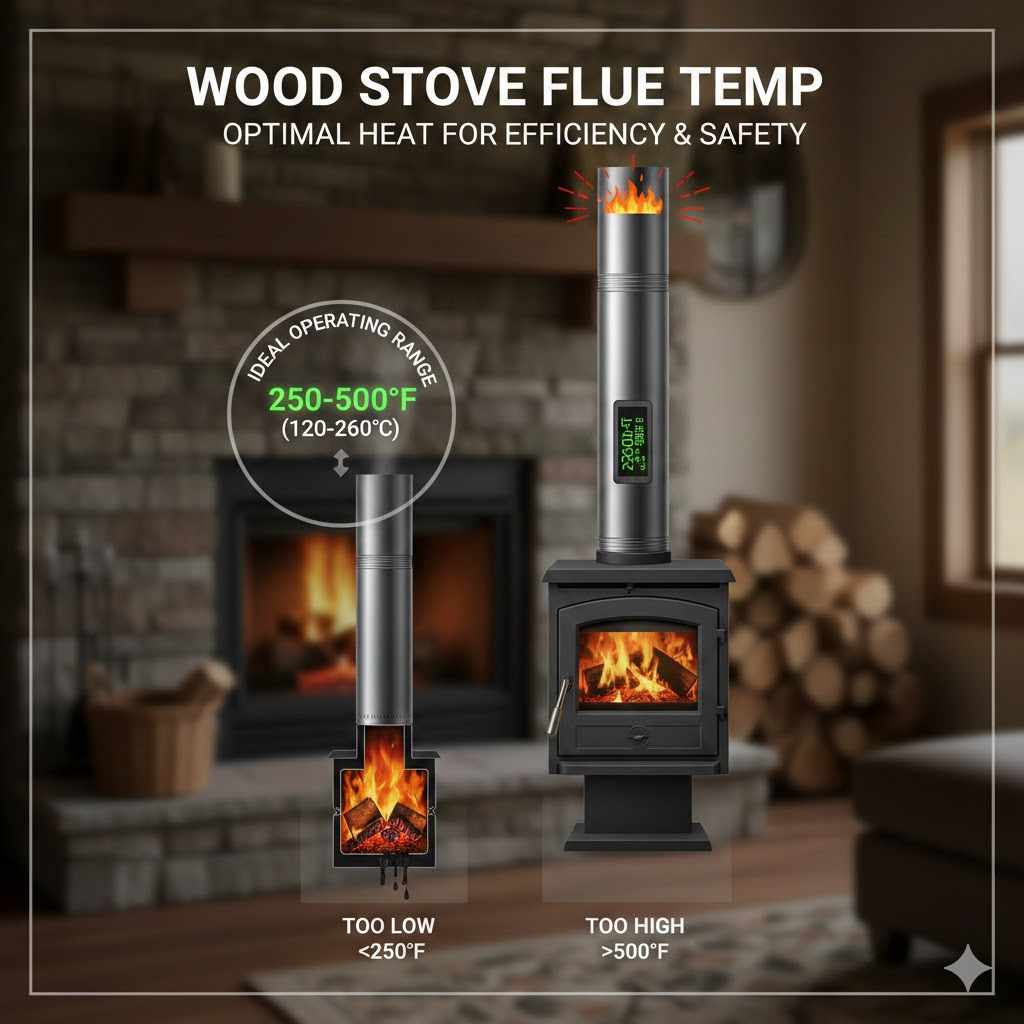
The sweet spot for your wood stove’s flue temperature is generally between 400°F and 600°F (200°C to 315°C). This range is often cited by stove manufacturers and chimney safety experts. Within this range, you’re getting good heat output into your home while minimizing the risk of creosote buildup.
It’s a balance between burning hot enough for efficiency and not so hot that it’s wasteful or damaging. Different stoves might have slightly different recommendations, so always check your stove’s manual.
Using a Stove Thermometer
A stove thermometer is your best friend for keeping track of flue temperature. These are small, magnetic devices that attach to your stovepipe, usually a few feet above the stove. They have a dial that shows you the temperature.
It’s a simple tool that provides valuable information. You can easily see if your stove is running too cool, too hot, or just right. Investing in one is a small step that makes a big difference in how safely and efficiently you use your wood stove.
- Placement is Important The best place for your thermometer is on the stovepipe, not directly on the stove body. This is because the pipe is where the flue gases are hottest and most representative of what’s happening in the chimney. Attaching it a few feet above the stove helps avoid immediate temperature fluctuations from opening the door or adding wood.
- Reading the Dial Most stove thermometers have colored zones. Green usually indicates the ideal operating range. Yellow might suggest it’s getting a bit too hot or could be hotter for better efficiency. Red often means it’s too hot, and you should reduce the fuel or air supply. Always refer to your thermometer’s specific guide for accurate readings.
- Regular Checks Don’t just put it on and forget it. Check the thermometer regularly, especially when you’re learning your stove’s behavior. As you add wood, adjust the air vents, or burn down a load, the temperature will change. Consistent monitoring helps you learn how to control your stove to stay within the desired range.
Factors Affecting Flue Temperature
Several things can influence the temperature of your flue pipe. The type and dryness of your wood play a huge role. Wet wood burns at a lower temperature and produces more smoke.
The amount of air you let into the stove also makes a difference. More air generally means a hotter fire. The design of your stove and chimney system also matters.
Some stoves are designed for hotter burns than others.
Dry Wood: Wood that has been seasoned for at least six months to a year will burn hotter and cleaner. It has less moisture content, allowing for more efficient combustion. Wet wood wastes energy by boiling off the water before it can burn.
This results in cooler fires and increased creosote. Always use dry, seasoned firewood.
Airflow Control: The air vents on your wood stove control how much oxygen reaches the fire. Opening the vents wider allows more air in, leading to a hotter, faster burn. Closing them down restricts airflow, resulting in a slower, cooler burn.
Finding the right balance is key to maintaining an optimal flue temperature.
Stove and Chimney Design: Modern stoves often have secondary combustion systems that burn off gases for more efficiency and cleaner emissions. The size and design of your chimney also affect draft, which is the flow of air up the chimney. A good draft helps pull smoke away efficiently.
Benefits of Optimal Flue Temperature
When you maintain the ideal flue temperature, you gain several advantages. Your wood stove becomes more efficient, meaning you get more heat from less wood. This saves you money and reduces how often you need to refuel.
More importantly, you significantly lower the risk of a chimney fire by preventing excessive creosote buildup. A properly managed flue temperature also means cleaner emissions, which is better for the environment.
Increased Efficiency and Heat Output
A wood stove running at its ideal temperature converts more of the wood’s potential energy into usable heat for your home. This is because the combustion process is more complete. When the flue gas is in the 400°F to 600°F range, it indicates that the fire is hot and clean.
This means you are getting the maximum possible heat out of each log you burn. Less heat is wasted going up the chimney as unburned gases or smoke.
Think of it like cooking. If your oven isn’t hot enough, your food won’t cook properly and might end up soggy. Similarly, if your wood stove isn’t hot enough, the wood won’t burn efficiently, and you won’t get much warmth.
Maintaining that ideal flue temperature ensures your stove is performing at its best, warming your home effectively and economically. This means fewer trips to the woodpile and a warmer living space.
Reduced Risk of Chimney Fires
Creosote is the main culprit behind most chimney fires. It’s highly flammable. When the flue temperature is too low, unburned particles and moisture condense on the chimney walls.
These particles form creosote. Over time, a thick layer can build up. A hot fire inside the stove can ignite this creosote, causing a fast-burning fire that travels up the chimney.
By keeping your flue temperature in the ideal range, you ensure that most of these combustible byproducts are burned up and sent out the top of the chimney as gas, not sticky residue on the walls.
A study by the Hearth, Patio & Barbecue Association (HPBA) indicated that a significant percentage of house fires are caused by chimneys. Proper maintenance, including monitoring flue temperature, is a primary preventative measure. When you see your stove thermometer consistently in the green zone, you know you are burning efficiently and minimizing the conditions that lead to dangerous creosote buildup.
This peace of mind is invaluable.
Environmental Benefits
Burning wood efficiently at the right temperature also has environmental advantages. Complete combustion means fewer particulate emissions are released into the atmosphere. Modern wood stoves, when operated correctly, can be quite clean.
Achieving the ideal flue temperature contributes to this cleaner burning. It means less smoke and fewer harmful pollutants escaping your chimney. This is better for local air quality and the planet.
When wood burns completely, the main products are carbon dioxide and water vapor, which are naturally part of the carbon cycle. Incomplete combustion, however, produces carbon monoxide, soot, and other volatile organic compounds. These can be harmful to human health and contribute to air pollution.
By focusing on the Ideal Wood Stove Flue Temperature Explained and maintaining it, you are actively contributing to a cleaner environment through more responsible wood burning practices.
Troubleshooting Common Temperature Issues
What if your stove thermometer consistently shows temperatures that are too low or too high? Don’t worry, these are common issues that can usually be fixed with a few simple adjustments. Understanding why the temperature is off is the first step to correcting it.
This section will help you diagnose and resolve temperature problems so you can enjoy a safe and efficient burn.
Stove Running Too Cool
If your stove thermometer is mostly in the yellow or below the green zone, your fire is likely running too cool. This means incomplete combustion and a higher risk of creosote. The most common causes are using wet wood or not enough airflow.
You might also need to load more wood or build a hotter fire to get it started.
- Check Your Wood The first thing to check is the dryness of your firewood. If it cracks when you try to break it, it’s likely dry. If it feels heavy, has a musty smell, or you can easily peel off the bark, it might still be too wet. Aim for wood with a moisture content of 15-20%. You can use a moisture meter to check.
- Increase Airflow Make sure the air intake vents on your stove are open enough. If they are partially closed, not enough oxygen is reaching the fire. Open them up a bit more to let the fire burn hotter. Listen to the sound of the fire; a hotter fire will often roar more than a smoldering one.
- Load More Wood Sometimes, you simply don’t have enough fuel in the firebox to generate sufficient heat. Try adding another log or two, or building a larger coal bed before adding new wood. A good bed of hot coals helps ignite new wood quickly and efficiently.
Stove Running Too Hot
If your thermometer is consistently in the red zone, your stove is running too hot. This can waste wood, create excessive heat, and potentially damage your stove or chimney. It’s important to reduce the heat output.
The main culprits here are too much airflow or too much fuel.
- Reduce Airflow This is the primary way to control the heat from your stove. Gradually close down the air intake vents. You want to find the point where the fire is still burning well but not excessively. Listen to the fire and watch the flames. They should be active but not roaring uncontrollably.
- Burn Smaller Loads If you’re putting too much wood in the stove, it will burn hotter. Try using smaller pieces of wood or burning fewer logs at a time. This will help regulate the heat output. Make sure the wood you are burning is also properly seasoned, as wet wood can burn erratically.
- Check Stove Settings Some stoves have different burn settings or modes. Ensure you are using the correct settings for normal operation. If your stove has a thermostat, make sure it’s set appropriately and functioning correctly. Overfiring can be dangerous, so address high temperatures promptly.
Monitoring and Maintenance for Longevity
Regular monitoring and proper maintenance are crucial for both the safety and the longevity of your wood stove and chimney system. Keeping an eye on the flue temperature is part of this. It’s not just about burning wood; it’s about taking care of the equipment that heats your home.
Consistent attention will pay off in fewer problems and a more reliable heating source for years to come.
Regular Chimney Sweeping
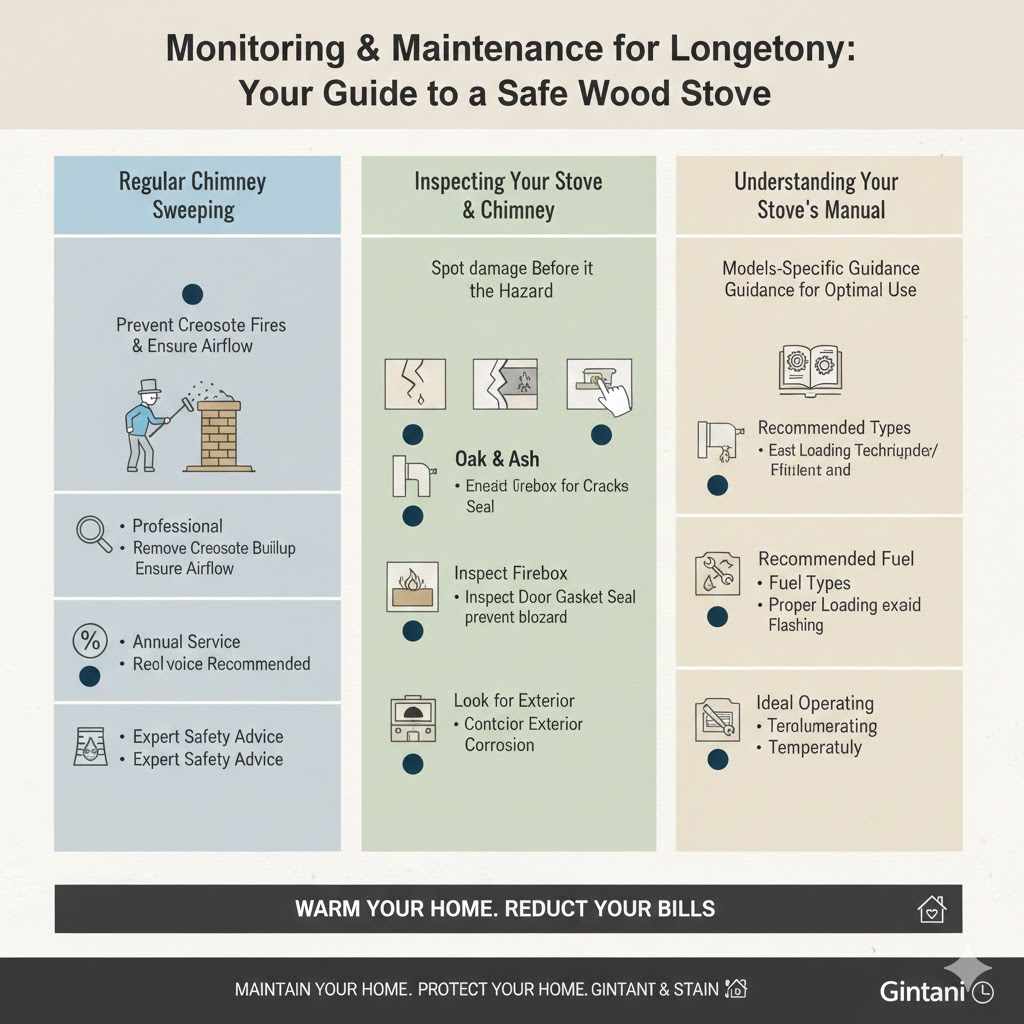
Even with careful temperature management, some creosote buildup is inevitable over time. This is why regular chimney sweeping is essential. A professional chimney sweep can inspect your chimney for damage, remove accumulated creosote, and ensure everything is functioning correctly.
They can also advise you on the best practices for your specific stove and chimney setup. Most experts recommend having your chimney swept at least once a year, or more often if you use your stove heavily.
Inspecting Your Stove and Chimney
Beyond sweeping, you should periodically inspect your stove and chimney for any signs of wear or damage. Look for cracks in the firebox lining, damage to the door gasket, or any corrosion on the stove exterior. For the chimney, check the cap for damage, look for loose bricks or tiles, and inspect the flashing where the chimney meets the roof.
Any issues found should be addressed by a qualified professional promptly to prevent further damage or safety hazards.
Understanding Your Stove’s Manual
Every wood stove is a bit different. Your stove’s owner’s manual is a treasure trove of information specific to your model. It will tell you the recommended fuel types, how to load the stove, how to adjust the air controls, and often, the ideal operating temperature range for that particular stove.
Always refer to your manual for the most accurate and specific advice regarding your wood burning appliance. It’s the best resource for ensuring optimal performance and safety.
Frequently Asked Questions
Question: What is the difference between stovepipe temperature and flue gas temperature
Answer: Stovepipe temperature refers to the heat of the metal pipe carrying the smoke away. Flue gas temperature is the actual temperature of the smoke and gases within that pipe. While related, flue gas temperature is the more accurate measure for combustion efficiency and creosote prevention.
A stove thermometer measures the stovepipe temperature, which is a good indicator of the flue gas temperature.
Question: Can I use a laser thermometer to check my flue temperature
Answer: Laser thermometers measure surface temperature. While they can give you a reading of your stovepipe’s exterior heat, they are not as accurate or reliable for monitoring the internal flue gas temperature as a dedicated stove thermometer designed for magnetic attachment to the pipe. Stove thermometers are calibrated to provide readings relevant to combustion efficiency and safety.
Question: How often should I check my stove thermometer
Answer: You should check your stove thermometer every time you operate the stove, especially when you are first getting used to it. Monitor it as you add wood and adjust the air controls. Consistent monitoring helps you learn how your stove responds and how to maintain the ideal temperature range for optimal performance and safety.
Question: What happens if my flue temperature is too low for too long
Answer: If your flue temperature remains too low for extended periods, unburned particles and moisture will condense inside your chimney, forming creosote. This buildup is flammable and greatly increases the risk of a dangerous chimney fire. It also means your stove is not burning efficiently, producing less heat and wasting fuel.
Question: Is it okay for my flue temperature to reach 700 degrees Fahrenheit
Answer: Generally, it is not ideal for your flue temperature to consistently reach or exceed 700°F (370°C). While occasional spikes might occur, prolonged operation at this high temperature can indicate overfiring, potentially leading to damage to your stove, chimney liner, or surrounding structures. It also means you are likely wasting a lot of heat.
It is best to reduce the heat by adjusting airflow or fuel load if you see the thermometer consistently in this range.
Conclusion
Maintaining the Ideal Wood Stove Flue Temperature Explained is key to efficient, safe, and reliable home heating. Aiming for 400°F to 600°F ensures good heat output while preventing dangerous creosote buildup. Use a stove thermometer to monitor your system, check your wood’s dryness, and adjust airflow accordingly.
Regular cleaning and inspection further protect your investment. Enjoy a warm, safe home.