LA Wood Burning Ban: Rule 445 No-Burn Days Explained
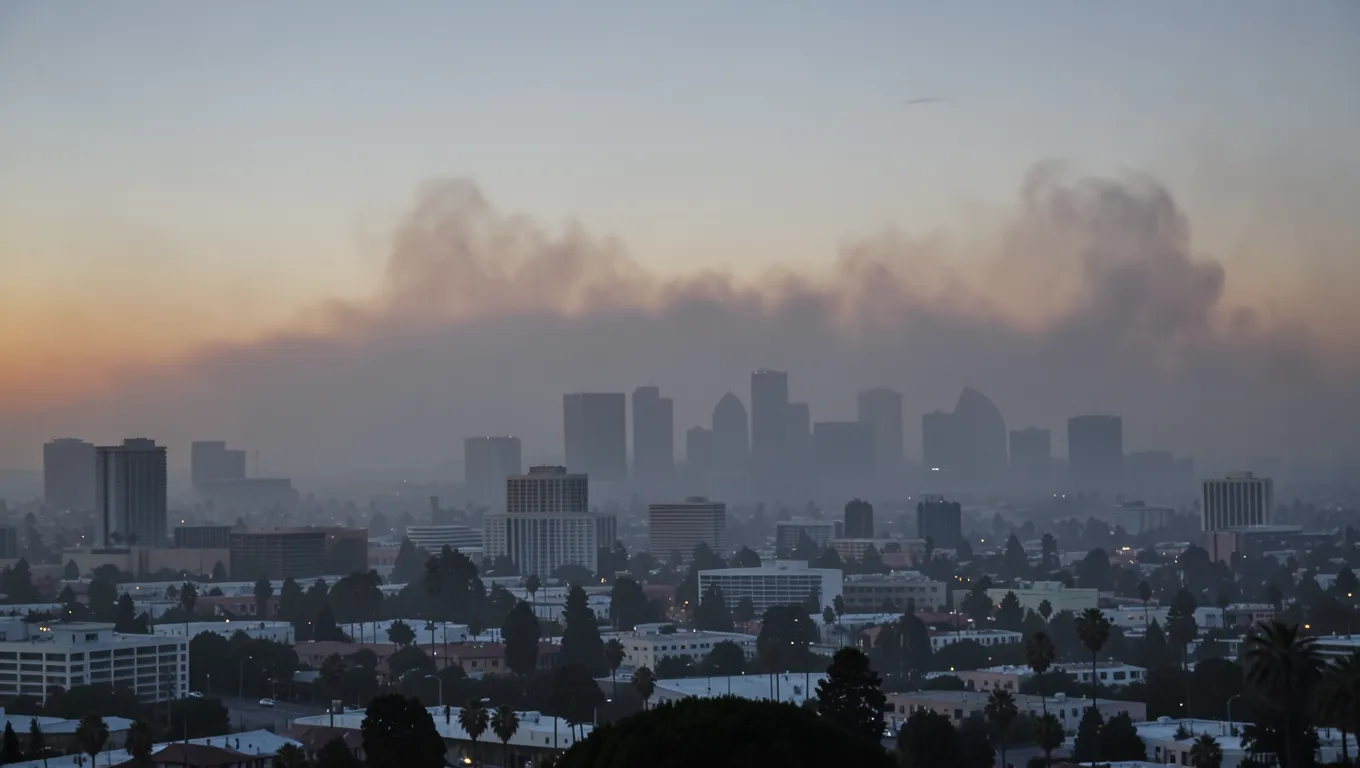
The wood burning restriction covering the Los Angeles area isn’t a city ordinance — it’s South Coast AQMD Rule 445, enforced regionally across the South Coast Air Basin (LA, Orange, and the non-desert parts of Riverside and San Bernardino counties). Under the rule’s “Check Before You Burn” program, wood-burning fireplaces and stoves are restricted on days when fine particle pollution (PM2.5) is forecast to be high, mainly from November through February. Here’s how the rule actually works, who’s exempt, and how to check whether today is a no-burn day before lighting a fire. (Live outside the South Coast basin? See our guide to California’s other air district burn rules.)
How Rule 445 Works
Best For Indoor Smoke & Particulate
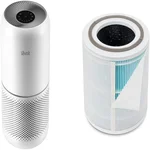 |
LEVOIT Core 300 HEPA Air Purifier – $124.98 On a no-burn day, or during a wildfire smoke event, a HEPA purifier addresses the same PM2.5 exposure Rule 445 is designed to reduce, indoors.
|
South Coast AQMD issues a mandatory no-burn day when PM2.5 (fine particulate) levels are forecast to exceed a set threshold, currently around 29 micrograms per cubic meter, in a given zone within the district. On those days, using a wood-burning fireplace or wood stove is prohibited in that zone, regardless of the weather being cold enough to want one. No-burn alerts run from roughly September through April for ozone-related concerns and more specifically November through February for the fine-particle season, and the district typically issues around half a dozen to a dozen no-burn alerts each winter.
Gas fireplaces, gas log inserts, and other non-wood-burning appliances are not restricted by Rule 445 — the rule specifically targets wood combustion.
Why the Rule Exists
Wood smoke is a major source of PM2.5, fine particulate small enough to lodge deep in the lungs and, in some studies, pass into the bloodstream. On still winter nights, smoke from wood fires across a densely populated basin can push local PM2.5 well past healthy levels, which is a particular risk for people with asthma, COPD, heart conditions, children, and older adults. The rule is a targeted way to cut a spike in emissions on the specific days when the atmosphere is least able to disperse them, rather than restricting wood burning outright year-round.
Who Is Exempt
Rule 445 includes several standing exemptions:
- Sole source of heat: Households where a wood-burning device is the only source of heat in the home.
- No natural gas service: Homes not connected to natural gas service.
- Qualifying low-income households: Income-qualified households have historically had an exemption, though this has been proposed for removal in recent rule amendments — check the current rule text on aqmd.gov before assuming it still applies.
Exemptions and thresholds are subject to periodic rule amendments, so if you rely on one of these exemptions, it’s worth checking the current version of Rule 445 directly on the South Coast AQMD site each burn season rather than assuming last year’s rules still apply.
How to Check Before You Burn
- South Coast AQMD’s website: The district posts current no-burn day status by zone.
- Local news and social media: No-burn alerts are typically announced through local TV news and the district’s social accounts during winter.
- Check your specific zone: No-burn days are sometimes declared for only part of the district, so a status for one area doesn’t necessarily apply basin-wide.
Enforcement
Violations of a mandatory no-burn day can result in a citation from South Coast AQMD. As with most first-time environmental violations, an initial infraction commonly results in a warning or a relatively modest fine, with penalties escalating for repeat violations. Because specific penalty amounts change with rule updates, check aqmd.gov for the current fine schedule rather than relying on a fixed number.
Alternatives to Wood Heat
- Gas fireplace inserts: Rule 445 doesn’t apply to gas combustion, and it produces far less particulate than wood.
- Electric fireplaces and heaters: No combustion emissions at all, though electricity cost varies by usage.
- Heat pumps: Efficient for whole-home heating and increasingly common in rebate programs.
- EPA-certified wood stoves: If wood heat is your only option, a newer EPA-certified stove burns significantly cleaner than an older, uncertified model, though it may still be restricted on the highest-pollution no-burn days depending on the current rule tier.
Utility and state programs periodically offer rebates for heat pump and appliance upgrades — check current offerings through your utility provider or the California Energy Commission before assuming a specific incentive is still active, since these programs change year to year.
Frequently Asked Questions
What is the Los Angeles wood burning ban?
It’s South Coast AQMD’s Rule 445, which restricts wood-burning fireplaces and stoves on days when fine particle (PM2.5) pollution is forecast to be high across the South Coast Air Basin, mainly November through February.
Why was the wood burning ban implemented?
Wood smoke is a major source of PM2.5, fine particulate linked to respiratory and cardiovascular health problems. The rule targets the specific high-risk days when still winter air traps smoke close to the ground.
When does the wood burning ban apply?
Mandatory no-burn days are declared when PM2.5 is forecast to exceed the district’s threshold, mostly during the November-to-February fine-particle season. Check South Coast AQMD’s website for current no-burn day status in your specific zone.
Are there exemptions to the ban?
Households where wood is the sole heat source, and homes without natural gas service, are commonly exempt. A low-income exemption has existed historically but has been proposed for removal in recent rule updates, so check the current rule text before relying on it.
Does the ban affect gas fireplaces?
No. The rule specifically targets wood combustion, so gas-burning appliances and electric units fall outside its scope entirely.
Rule 445 isn’t a blanket ban on wood fires, it’s a forecast-triggered restriction on the specific days when PM2.5 is expected to spike. Check South Coast AQMD’s no-burn status for your zone before lighting a wood fire in winter, know whether you qualify for an exemption, and consider a gas or electric alternative if wood is your primary heat source in an area that sees frequent no-burn alerts.
Sponsored / affiliate links. As an Amazon Associate I earn from qualifying purchases. I may earn additional commission from eligible campaigns.