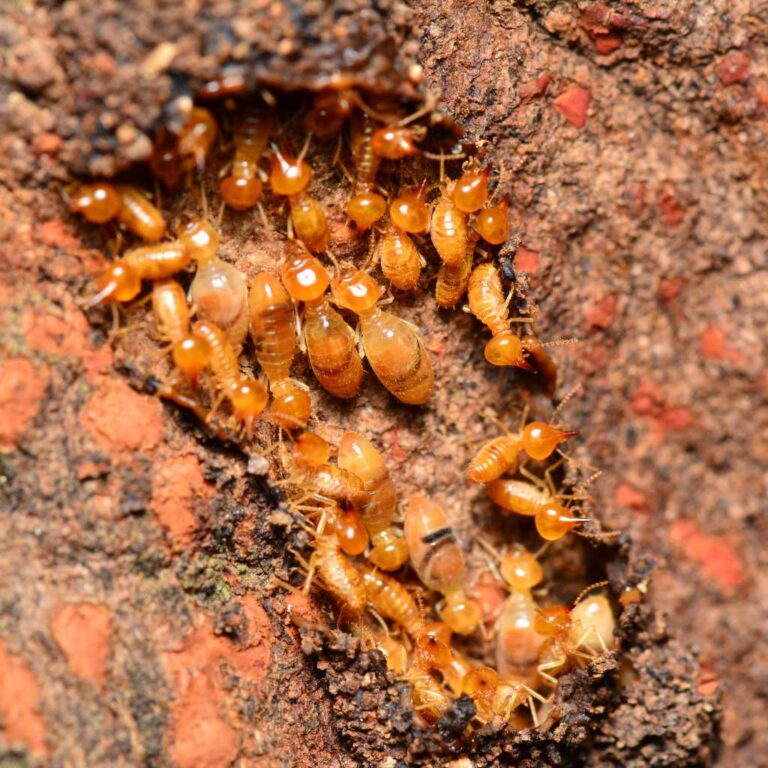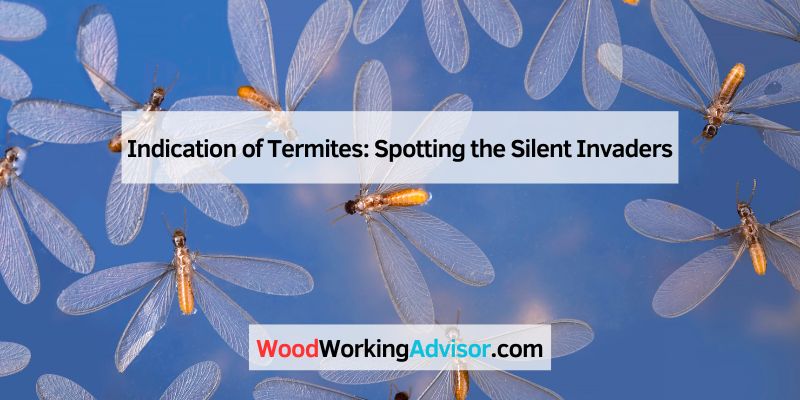
Indication of Termites: Spotting the Silent Invaders
Imagine you’re lounging in your cozy home, sipping your favorite drink, and suddenly, you notice something unusual – a tiny pile of what looks like sawdust or a faint clicking noise coming from your walls. These subtle signs might not seem alarming at first, but they could indicate a much bigger problem lurking beneath the surface.
Yes, we’re talking about termites. These silent destroyers can wreak havoc on your home’s structure before you even realize they’re there. But don’t worry, recognizing the signs early can save you from costly repairs and sleepless nights. Stick around, because you’re about to uncover the telltale signs of termites and how to protect your sanctuary from becoming their next meal.
Signs Of Termite Infestation
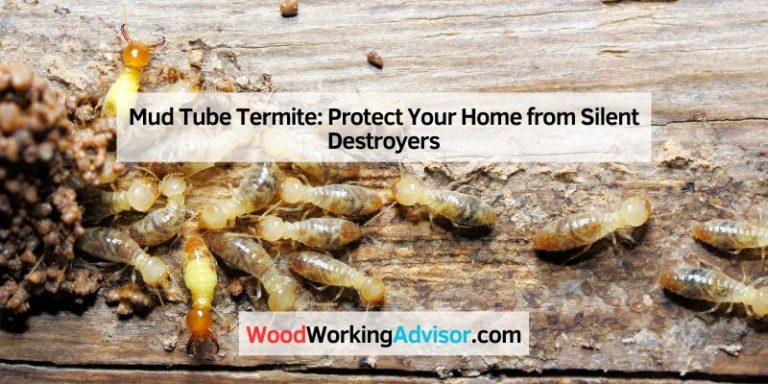
Termites build mud tubes to travel safely. These tubes are often found on walls. They are brown and about the size of a pencil. Mud tubes help termites stay moist and safe. Finding these tubes is a clear sign of termites.
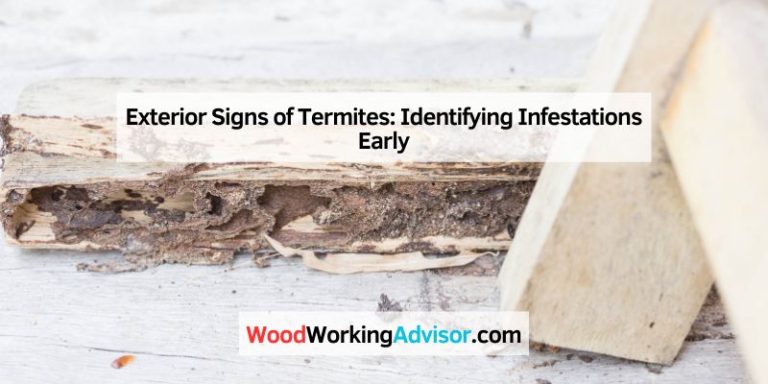
Wood that sounds hollow is a bad sign. Knock on the wood and listen carefully. Termites eat wood from inside. This makes the wood weak and hollow. Hollow wood can break easily.
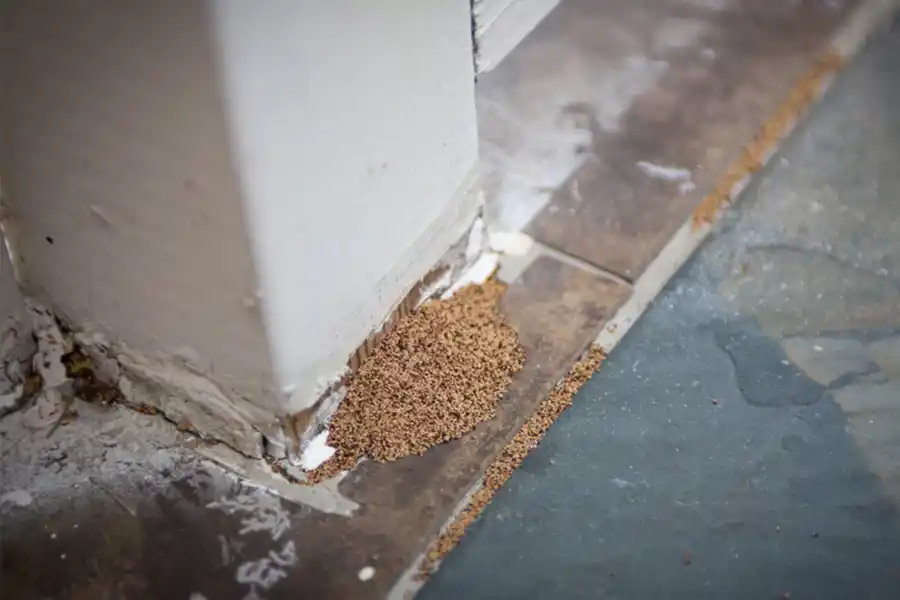
Termites leave behind frass, which looks like small wood pellets. These droppings are usually found near termite nests. Frass is a clear sign of termite activity. It is important to check for these droppings.
Credit: www.flapest.com
Common Termite Types
Subterranean termites live in the soil. They build large colonies. These termites create mud tubes. The tubes protect them from air and light. Their tubes connect the nest to wood sources. They eat wood from the inside out. Houses with wood contact are at risk. Always check for mud tubes.
Drywood termites do not need soil. They live inside wood. They eat dry wood. No moisture needed. They build colonies in furniture and walls. Small piles of wood dust are a sign. Check furniture and walls for dust.
Dampwood termites love moisture. They live in wet wood. Often found in decaying wood. Wet areas attract them. Look for signs of decay. Damaged wood signals their presence. Keep your home dry.
Damage Caused By Termites
Termites eat wood. They weaken structures. Walls can crack. Ceilings might sag. Floors become unsafe. Repairs cost a lot. Buildings can fall down. Termites work silently. Damage grows over time. Early detection is key. Protect your home. Check often.
Termites love wooden furniture. Tables and chairs get holes. Bookshelves collapse. Sofas lose strength. Termites are hungry. They munch all day. Wooden fixtures are not safe. Cabinets fall apart. Prevention saves furniture. Look for signs. Act fast.
Termite damage lowers value. Buyers get worried. Selling a home becomes hard. Inspection reports show issues. Repair costs are high. Value drops quickly. Timely treatment is important. Keep property value up. Protect your investment.
Inspection Techniques
Experts know where termites hide. They check walls, floors, and ceilings.
They use special tools. Moisture meters help find wet areas. Termites love
moisture. Infrared cameras show heat. This can reveal termite nests.
Professionals look for mud tubes. Termites build them to travel. Damaged wood
is a big clue. Experts see tiny holes and tracks.
Start by tapping on wood. Hollow sounds mean trouble. Check for mud tubes on
walls. These tubes are tunnels. Look for wings near windows. Termites leave
wings behind. Use a flashlight to see droppings. They look like tiny pellets.
Check cracks in the foundation. Termites sneak in through small spaces.
Moisture meters help find damp spots. Termites love wet places. Infrared
cameras can see heat patterns. They find hidden nests. There are termite
detectors that make noise. They beep when termites are near. Smartphone apps
can guide you. They show termite signs and tips.
Prevention Methods
Signs of termites include mud tubes on walls, discarded wings, and hollow-sounding wood. Regular inspections help detect early warnings. Keeping wood away from soil, ensuring proper ventilation, and sealing cracks can prevent infestations.
Chemical Barriers
Chemical barriers protect homes from termites. These barriers stop termites from entering. Experts apply chemicals around buildings. These chemicals repel termites. They make the soil toxic for termites. Use professionals for safety. Chemicals must be applied correctly. Incorrect application can cause harm. Chemicals should be safe for humans and pets.
Physical Barriers
Physical barriers keep termites away. They block termite entry. Use steel mesh or sand. Place them under foundations. Termites cannot chew steel. Sand is too hard for them. Barriers must be installed properly. Professional help is best. Ensure no gaps in barriers. Gaps let termites in. Regular checks are essential.
Regular Maintenance And Monitoring
Regular maintenance prevents termite problems. Check wooden items often. Look for termite signs. Signs include mud tubes and damage. Fix leaks quickly. Termites love moist wood. Trim plants near buildings. Plants give termites shelter. Monitor homes each season. Call experts for inspections. Early detection saves money. Protect homes with care.
Treatment Options
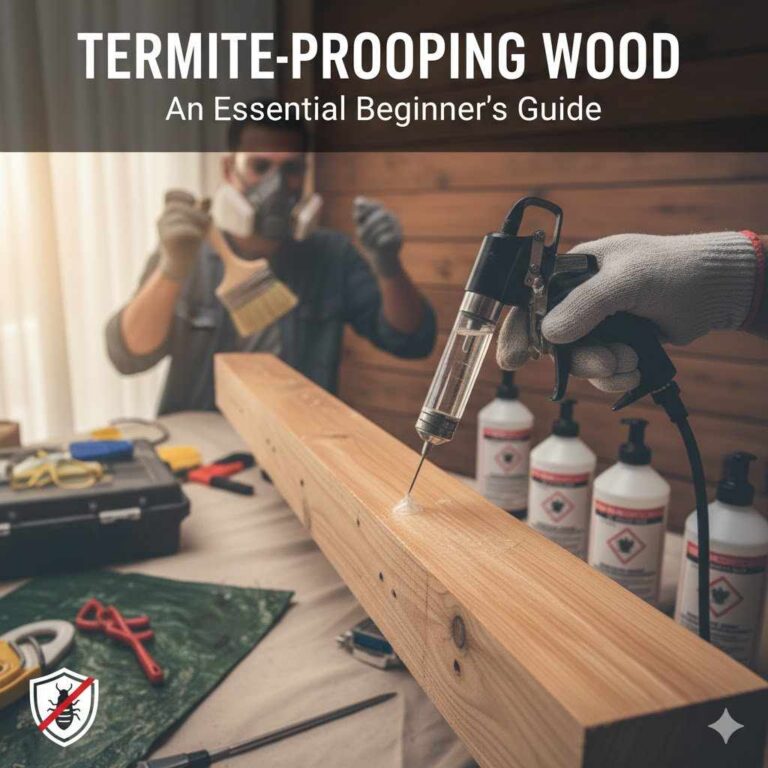
Chemical methods are popular for killing termites. These treatments include liquid termiticides and bait systems. Liquid termiticides create a barrier around the house. This stops termites from entering. Bait systems use poison in strategic spots. Termites eat the bait and die slowly. Both methods aim to protect your home from damage.
Non-chemical methods can be safer and eco-friendly. These include using heat or cold treatments. Heat treatments raise the temperature to kill termites. Cold treatments lower the temperature, freezing them. Another option is electrocution, which uses electricity to eliminate pests. These methods are safe for pets and humans.
Pick a service that knows termites. Check their experience and reviews. Make sure they offer both chemical and non-chemical treatments. Ask about their guarantees and follow-up services. A good service will have trained professionals. They should provide a detailed plan for treatment. Keep your home safe and termite-free.
Impact On Health And Safety
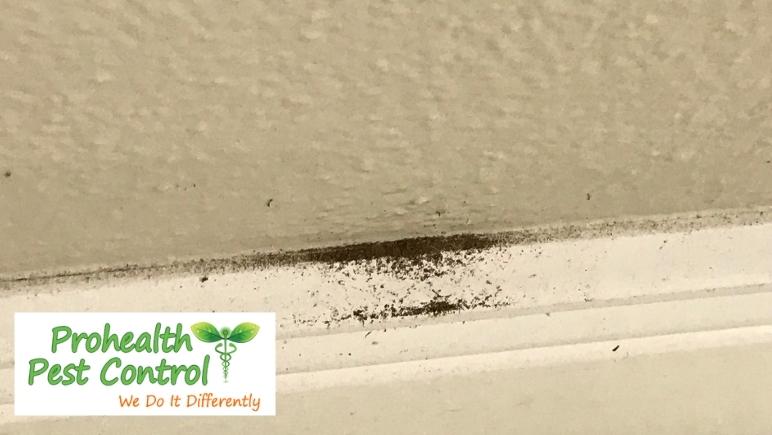
Termites can cause allergic reactions in some people. Their saliva and droppings can make it hard to breathe. Some people may feel itchy or get a rash. Dust from termite nests can also be a problem. It can make asthma worse. It is important to keep homes clean and watch for signs of termites.
Termites eat wood and weaken buildings. This can be dangerous for people inside. Floors might sag. Walls may crack. Ceilings could fall. Termites can cause big problems if not fixed. Always check for signs of termites to stay safe.
Living with termites can lead to long-term health issues. Mold can grow from termite damage. Breathing mold is not healthy. It can make you sick over time. Protect your home to protect your health.
Credit: www.prohealthpestcontrol.com
Frequently Asked Questions
How Do You Tell If You Have Termites?
Check for mud tubes on walls or foundations. Look for damaged or hollow-sounding wood. Spot discarded wings near windows or doors. Notice small piles of termite droppings resembling sawdust. Listen for faint tapping sounds within walls.
What Bug Can Be Mistaken For Termites?
Carpenter ants can be mistaken for termites due to similar appearance. Both insects damage wood structures. Carpenter ants have narrow waists and elbowed antennae, while termites have straight antennae and equal-sized wings. Identifying these differences helps in proper pest management and prevention strategies.
Is It Safe To Live In A House With Termites?
Living in a house with termites isn’t immediately dangerous, but structural damage can pose safety risks over time. Address termite infestations promptly to prevent costly repairs and potential hazards. Regular inspections and treatments can ensure your home remains safe and secure.
Act quickly to protect your property and health.
What Time Of Year Are Termites Most Active?
Termites are most active during spring and summer. Warm temperatures and moisture boost their activity. They swarm and reproduce in these seasons, making infestations more likely. Regular inspections help prevent damage during peak activity periods.
Conclusion
Termites can cause serious damage to your home. Spotting them early is key. Look for mud tubes, discarded wings, and hollow wood sounds. These are signs of a termite problem. Regular inspections can help protect your home. Keep areas dry and seal cracks to prevent infestations.
Act promptly if you notice any signs. This can save you from costly repairs later. Protect your home by staying vigilant and informed. Always seek professional help if needed. Your home’s safety is worth it.