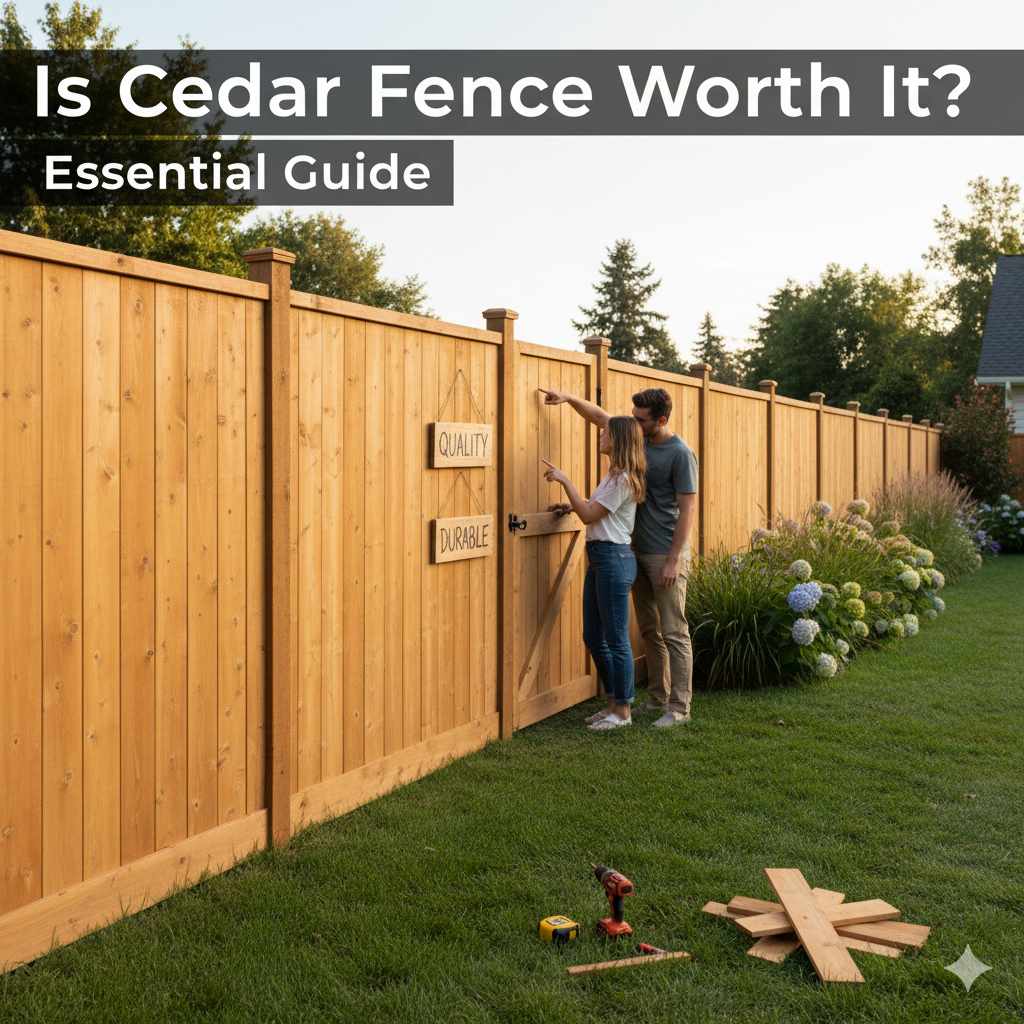
Is Cedar Fence Worth It? Essential Guide
Yes, a cedar fence is generally worth the investment due to its natural beauty, durability, and resistance to pests and rot. While it can have a higher upfront cost than some alternatives, its longevity and low maintenance often make it a cost-effective and aesthetically pleasing choice for homeowners.
Deciding on a fence for your home can feel like a big step. You want something that looks great, lasts a long time, and adds value to your property. Wood fences are popular, and among them, cedar stands out. But you might be wondering, “Is cedar fence worth it?” It’s a common question, and understanding the pros and cons will help you make the best choice for your yard and your budget. This guide will break down everything you need to know about cedar fencing, from its natural benefits to its long-term value, so you can feel confident in your decision. Let’s find out if cedar is the right fit for your home!
Why Cedar Fences Are a Popular Choice
Cedar has been a go-to material for fence building for a long time, and for good reason. It’s a natural wood that brings a lot of fantastic qualities to the table, making it a standout option compared to many synthetic or treated materials. Its warm, natural color and appealing grain patterns add a beautiful touch to any landscape, improving your home’s curb appeal instantly.
Beyond just looking good, cedar is naturally resilient. Woodpeckers and termites often pass it by, and its natural oils help it resist decay and rot, even when exposed to the elements. This means less worry about costly repairs and replacements down the line. We’ll explore these benefits more deeply to help you see why many homeowners choose cedar for their fencing needs.
The Natural Advantages of Cedar Wood
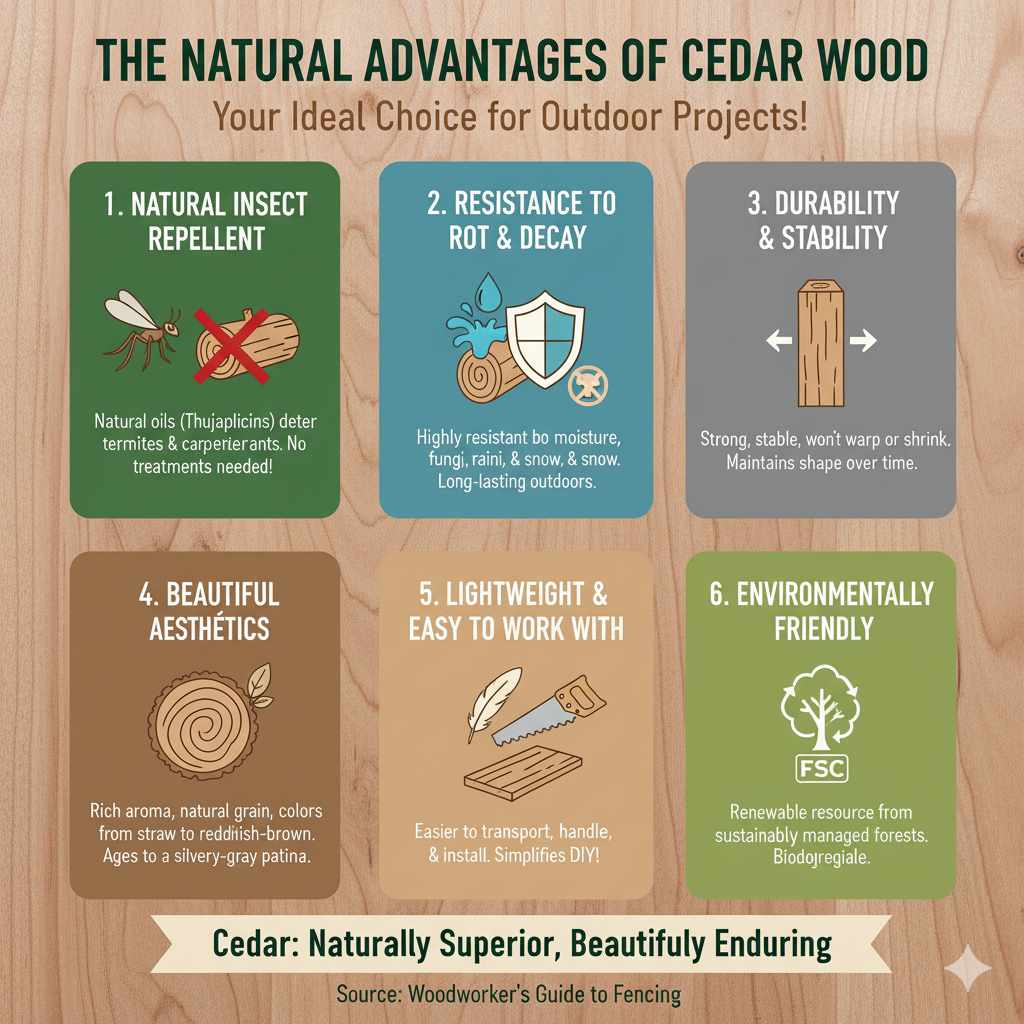
Cedar isn’t just any wood; it’s packed with natural benefits that make it an excellent choice for outdoor projects like fencing. These advantages are key to understanding its value.
- Natural Insect Repellent: Cedar contains natural oils and compounds, like thujaplicins, that are toxic to many common wood-boring insects, such as termites and carpenter ants. This means your fence is less likely to be damaged by these pests, extending its lifespan without the need for chemical treatments.
- Resistance to Rot and Decay: The same natural oils that deter insects also make cedar highly resistant to moisture, rot, and fungal growth. This is crucial for a structure that lives outdoors, constantly exposed to rain, snow, and humidity. Cedar can withstand these conditions far better than many other types of wood.
- Durability and Stability: Cedar is a softwood, but it’s surprisingly strong and stable. It doesn’t warp, twist, or shrink as much as other woods when exposed to changes in temperature and humidity. This means your fence will maintain its shape and structural integrity for years to come.
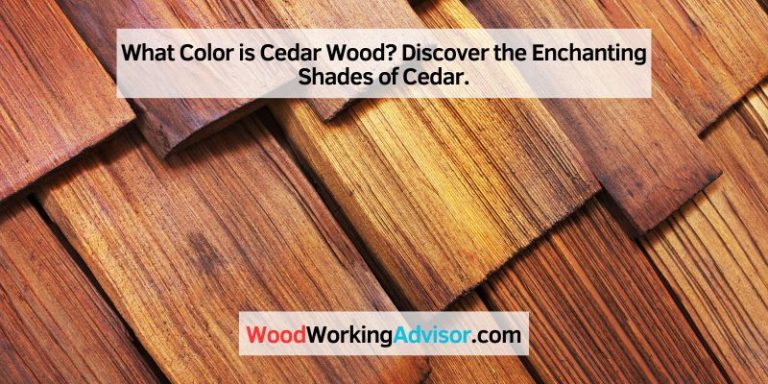
- Beautiful Aesthetics: Cedar has a distinct, rich aroma and a beautiful, natural grain pattern. Its natural color ranges from a light straw to a reddish-brown, adding warmth and elegance to your property. It ages gracefully, often developing a lovely silvery-gray patina over time if left untreated.
- Lightweight and Easy to Work With: Despite its strength, cedar is relatively lightweight. This makes it easier to transport, handle, and install, which can potentially reduce labor costs if you’re hiring professionals or simplify the DIY process.
- Environmentally Friendly: Cedar is a renewable resource when harvested from responsibly managed forests. Many cedar products are also biodegradable, making them a more environmentally conscious choice compared to plastic or metal fencing. You can often find Forest Stewardship Council (FSC) certified cedar, ensuring it comes from sustainable sources.
Comparing Cedar to Other Fence Materials
To truly understand if cedar fence is worth it, it helps to see how it stacks up against common alternatives. Each material has its own set of pros and cons!
Cedar vs. Pressure-Treated Pine
Pressure-treated pine is often the most budget-friendly wood option. It undergoes a chemical treatment process to resist rot and insects. However, the chemicals used can be a concern for some homeowners, and the wood can be prone to warping and cracking as it dries. Cedar, while more expensive upfront, offers natural resistance and a more premium look without chemical treatments.
| Feature | Cedar Fencing | Pressure-Treated Pine Fencing |
|---|---|---|
| Upfront Cost | Higher | Lower |
| Durability | Excellent (natural resistance) | Good (chemical treatment) |
| Pest/Rot | Naturally resistant | Treated to be resistant |
| Appearance | Natural beauty, rich grain, pleasant aroma | Uniform color, can have greenish tint initially |
| Maintenance | Low (sealing recommended for color) | Moderate (staining/sealing important) |
| Longevity | 15-30+ years | 10-20+ years |
| Workability | Lighter, easier to cut and handle | Heavier, can be rougher on tools |
| Environment | Renewable, natural biodegradability | Chemical treatment, less eco-friendly |
Cedar vs. Vinyl Fencing
Vinyl fences are a very low-maintenance option. They don’t rot, warp, or need painting. However, they can be more expensive than wood upfront, and some people find they lack the natural warmth and charm of real wood. Vinyl can also become brittle in extreme cold, and damage can be difficult to repair seamlessly.
| Feature | Cedar Fencing | Vinyl Fencing |
|---|---|---|
| Upfront Cost | Moderate to High | High |
| Durability | Excellent (natural resistance) | Good (can crack/fade over time) |
| Pest/Rot | Naturally resistant | Impervious |
| Appearance | Natural beauty, warm tones, real wood feel | Can look artificial, limited styles, color fading |
| Maintenance | Low (sealing/staining optional) | Very Low (cleaning only) |
| Longevity | 15-30+ years | 20-50+ years |
| Repairability | Easy to replace individual boards | Can be difficult to match color/texture if damaged |
| Environment | Renewable, biodegradable | Not biodegradable, manufacturing process intensive |
Cedar vs. Other Woods (Redwood, Cypress)
Redwood and Cypress are also naturally durable woods, often comparable to cedar in terms of resistance to rot and insects. Redwood can be exceptionally beautiful and durable but is typically the most expensive option. Cypress is also a great choice, especially in humid southern climates, but may be harder to find depending on your region.
Cedar often strikes a good balance between these premium options, offering excellent performance and aesthetics at a typically more accessible price point than, say, high-grade redwood. The availability and local pricing of these woods can also play a significant role in the final decision.
The Cost Factor: Is Cedar Fence Worth the Price?
Let’s talk about the elephant in the room: cost. Cedar fencing generally has a higher upfront price tag compared to pressure-treated pine. This is because cedar wood itself is more expensive, and it takes longer to grow, making it a more premium material.
However, “worth it” isn’t just about the initial price. It’s about the long-term value. When you consider how long a cedar fence can last—often 15 to 30 years or even longer with proper care—its cost per year can actually be quite competitive. The natural resistance to rot and insects means you’re less likely to face expensive repairs or premature replacement. Think of it as an investment in your home’s security and appearance that pays dividends over time.
For DIY enthusiasts, while the material cost is higher, the ease of working with cedar can sometimes offset labor costs you might incur with heavier or more difficult materials. It’s a balance of initial outlay versus sustained performance and aesthetics.
Maintaining Your Cedar Fence for Longevity
Even though cedar is naturally resistant, a little care goes a long way in maximizing its lifespan and keeping it looking beautiful. The good news is that cedar fence maintenance is generally straightforward and doesn’t require a lot of specialized tools or skills.
Sealing and Staining
Cedar has a beautiful natural tone. If you want to keep that rich, warm color, applying a clear water-repellent sealer or a stain with UV protection is a great idea. This will help prevent the wood from turning gray and also offer an extra layer of defense against moisture and sun damage.
- Frequency: Typically, you’ll want to reseal or restain every 2-5 years, depending on the product used and your local climate.
- Preparation: Ensure the fence is clean and dry before applying any product. A gentle washing with a mild detergent and brush is usually sufficient.
- Application: Use a brush, roller, or sprayer to apply the sealer or stain evenly. Follow the manufacturer’s instructions carefully.
If you prefer the natural weathered look, you can simply leave the cedar to age into a silvery gray patina. This is perfectly fine and doesn’t compromise the structural integrity of the wood, as its natural resistances are still at play.
Cleaning and Inspections
Regularly clean your fence to remove dirt, mold, or mildew. A simple hose-down can work for light cleaning. For tougher spots, a mild soap solution and a soft brush can do the trick. Avoid using high-pressure washers, as they can damage the wood grain.
Periodically inspect your fence for any signs of damage, such as loose pickets, wobbly posts, or significant warping. Addressing small issues early can prevent them from becoming bigger, more expensive problems.
DIY Installation: Can You Build a Cedar Fence Yourself?
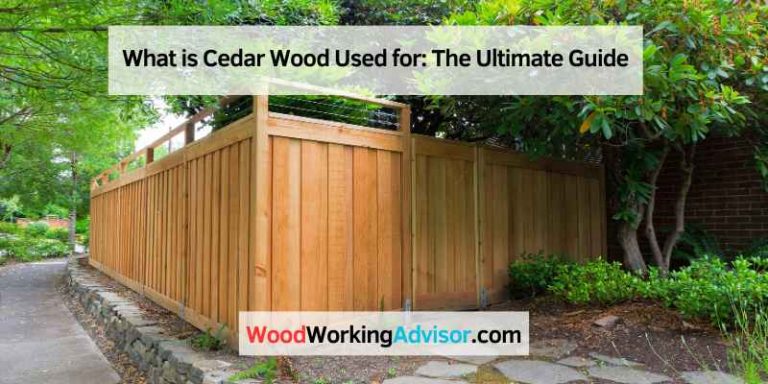
For many DIYers, building a cedar fence is an achievable and rewarding project. Cedar’s lightweight nature makes it easier to handle than many other fencing materials. However, it still requires careful planning and execution to ensure a sturdy and attractive result.
Essential Tools and Materials
Before you begin, gather your tools and materials. Here’s a basic list to get you started. It’s always a good idea to check local building codes and any homeowner association rules before starting your project.
- Materials: Cedar fence pickets, cedar posts, cedar rails, concrete mix (for setting posts), gravel (for drainage), screws or nails (stainless steel or galvanized are best for outdoor use).
- Tools: Measuring tape, pencil, shovel or post-hole digger, level, saw (miter saw or circular saw), drill/driver, hammer, string line, safety glasses, work gloves.
You can find detailed guides and resources on fence installation from organizations like the This Old House website, which offers practical, home-focused advice.
Key Steps in Building a Cedar Fence
While a full tutorial could fill a book, here are the core steps to give you an idea of the process:
- Plan and Layout: Mark the fence line, dig post holes to the correct depth (usually below the frost line), and ensure proper spacing between posts.
- Set Posts: Place gravel at the bottom of the holes for drainage, insert posts, and use a level to ensure they are plumb. Fill holes with concrete, bracing posts until the concrete sets.
- Attach Rails: Once posts are secure, attach horizontal rails (usually 2 or 3) to the posts. Ensure they are level.
- Install Pickets: Begin attaching the cedar pickets to the rails, using a level to keep them straight and consistent spacing between them.
- Add a Cap Rail (Optional): For a finished look and extra protection, a cap rail can be installed along the top of the pickets.
Remember, safety is paramount. Always wear safety glasses and gloves, and be mindful of your posture when digging and lifting. If you’re unsure about any step, consulting a seasoned woodworker or looking for detailed video tutorials can be incredibly helpful.
Pros and Cons: A Quick Look
Let’s summarize the good and the not-so-good points of cedar fencing to help you make a quick decision.
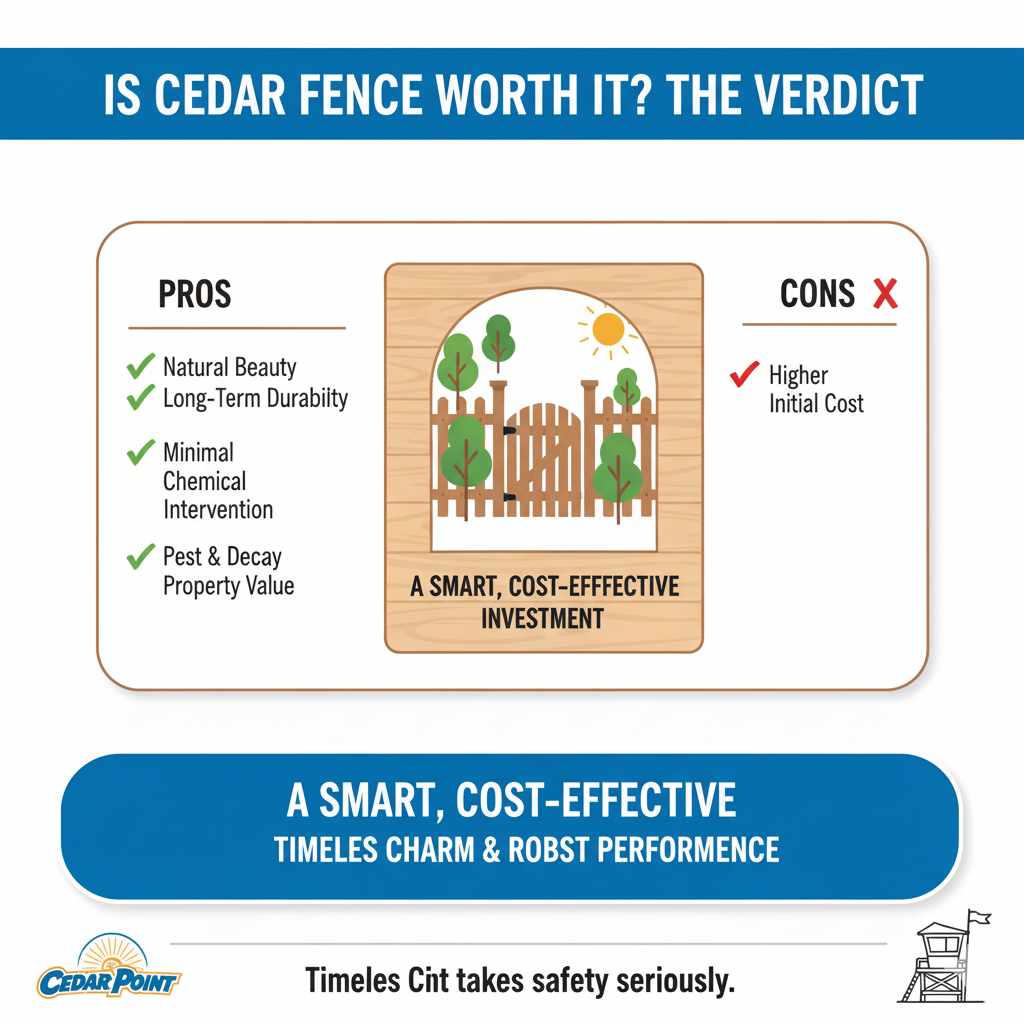
Pros of Cedar Fencing
- Naturally resistant to insects, rot, and decay.
- Beautiful, natural appearance with rich grain and aroma.
- Durable and stable, resistant to warping.
- Relatively lightweight and easy to work with.
- Environmentally friendly and sustainable if sourced responsibly.
- Adds significant curb appeal and property value.
- Ages gracefully to a silver-gray patina.
Cons of Cedar Fencing
- Higher upfront cost compared to treated pine.
- Requires periodic sealing or staining to maintain color (optional).
- Can be damaged by very strong impacts.
- Softwood can be susceptible to dents or scratches if not careful.
- Availability might vary by region.
Is Cedar Fence Worth It? The Verdict
So, is a cedar fence worth it? For many homeowners, the answer is a resounding yes. If you value natural beauty, long-term durability, and a fence that requires minimal chemical intervention, cedar is an excellent choice. Its natural resistance to pests and decay means you’re investing in a fence that will stand strong and look good for decades.
While the initial cost might be higher than some alternatives, the longevity, low maintenance, and aesthetic appeal often make cedar a smart, cost-effective investment over the life of the fence. It enhances your property’s value and creates a beautiful, secure boundary. Whether you’re a seasoned DIYer or hiring professionals, a cedar fence offers a timeless charm and robust performance that is hard to beat.
Frequently Asked Questions About Cedar Fencing
Q1: How long does a cedar fence typically last?
A cedar fence can last anywhere from 15 to 30 years, and sometimes even longer. This lifespan depends heavily on the quality of the wood, installation practices, and the level of maintenance it receives.
Q2: Does cedar fence need to be sealed or painted?
Sealing or staining cedar is not strictly necessary for its durability, as it’s naturally resistant. However, applying a water-repellent sealer or UV-protective stain can help maintain its natural warm color and prevent it from graying over time due to sun exposure.
Q3: Is cedar fence more expensive than pine?
Yes, cedar fence typically has a higher upfront cost per linear foot than pressure-treated pine fencing. However, its longer lifespan and natural resistance can make it more cost-effective in the long run.
Q4: Will insects damage a cedar fence?
Cedar is naturally resistant to many common wood-boring insects, such as termites and carpenter ants, due to its natural oils. While no wood is completely impervious, cedar offers excellent protection compared to untreated softwoods.
Q5: Can a cedar fence rot underwater?
While cedar is highly resistant to rot, prolonged submersion in water can still lead to decay over time. It performs best when allowed to dry out between periods of wetness. Post installation often involves concrete to keep the wood from direct, constant contact with un-drained soil.
Q6: Is cedar a good choice for privacy fences?
Absolutely. Cedar is a popular choice for privacy fences because it holds its shape well, preventing warping and gaps. Its beautiful appearance also makes it a desirable material for the most visible sections of a property.
Q7: How often should I clean a cedar fence?
It’s a good practice to clean your cedar fence at least once a year to remove dirt, debris, mildew, or algae. A gentle washing with mild soap and water is usually sufficient. Avoid harsh chemicals or power washing, which can damage the wood.
This concludes our guide on cedar fencing! We’ve covered its natural advantages, cost considerations, maintenance tips, and compared it to other popular options. We hope this information empowers you to make an informed decision that best suits your needs and budget, bringing beauty and durability to your outdoor space for years to come.