Does Sherwin-Williams Cashmere Need Primer? Direct Answer
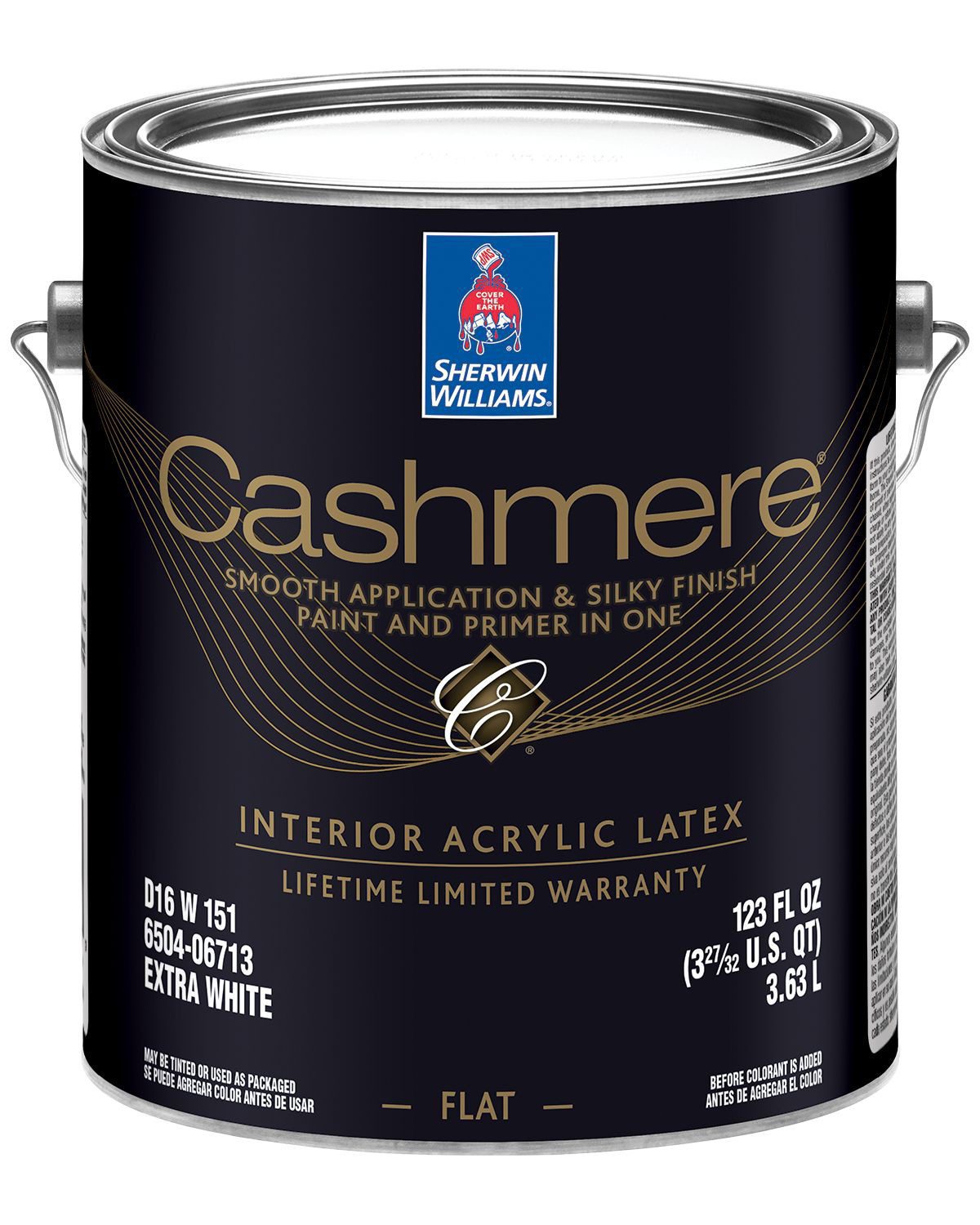
No — not always. Sherwin-Williams Cashmere is a paint-and-primer-in-one, so most previously painted walls in sound condition don’t need a separate primer coat. But bare wood, new drywall, water/smoke stains, and dramatic color shifts (dark-to-light or the reverse) still need a dedicated primer first, or you risk patchy coverage, early peeling, or stains bleeding through.
Below: exactly when Cashmere can skip primer, when it can’t, which primer to use, and how many coats to plan for.
Quick Answer
Sherwin-Williams Cashmere is formulated as a paint-and-primer-in-one for repaints. Skip primer only on sound, previously painted surfaces in a similar color. Use a dedicated primer on bare wood/trim, new or patched drywall, stained surfaces, glossy old paint, and big color changes.
Sherwin-Williams Cashmere Paint Overview
Recommended Primer for Bare Wood, Drywall & Stains
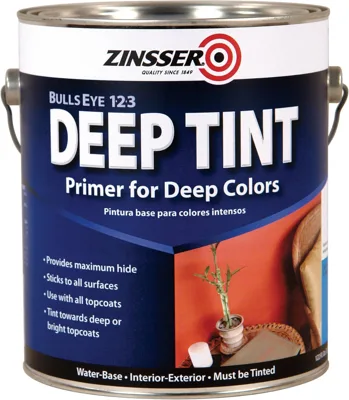
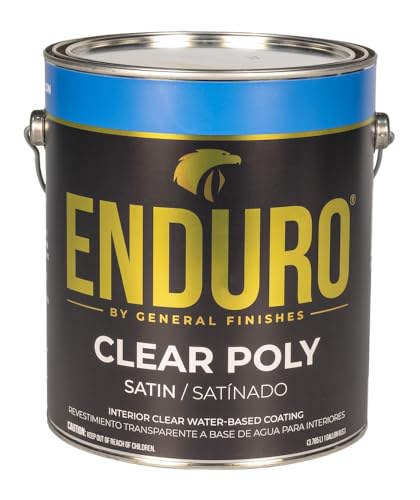
Zinsser Bulls Eye 1-2-3 All-Surface Primer
Water-based stain-blocking primer that seals bare wood, drywall, and water stains before a Cashmere topcoat; runs roughly $15-$30/gallon depending on size.
Check Price on AmazonSherwin-Williams Cashmere is the brand’s premium interior acrylic latex line, sold in flat, low lustre, medium lustre, and pearl finishes exclusively through Sherwin-Williams stores. It’s marketed as an ultra-smooth, high-hiding paint built for residential repaint work, and it includes primer-like adhesion and stain resistance built into the formula — which is why many rooms only need a single coat of paint with no separate primer step.
It’s a popular pick for living rooms and bedrooms because it covers old paint well and levels out brush and roller marks better than budget paints. That self-priming reputation is also exactly why so many homeowners ask whether they can skip primer entirely — the answer depends on the surface, not just the paint can.
When Cashmere Can Skip Primer
Cashmere can go straight over a wall with no primer coat when all of these are true:
- The wall was already painted and the existing paint is sound — no peeling, cracking, or chalking.
- You’re staying in a similar color family (light-to-light or a close shade shift).
- The surface is clean, dry, and free of grease, dust, or mildew.
- The old paint has a matching or lower sheen (Cashmere bonds well to flat and eg-shel finishes).
In these cases, primer mostly adds an extra step and cost without meaningfully improving the result — two coats of Cashmere alone will usually give you full, even coverage.
When You Still Need a Primer With Cashmere
Cashmere’s “paint and primer in one” marketing only holds up on surfaces that are already painted and stable. On these surfaces, skip the primer at your own risk:
- Bare wood, trim, and doors — raw wood is porous and will drink paint unevenly without a wood primer sealing it first.
- New or patched drywall — bare drywall and joint compound absorb paint differently than the surrounding wall, leaving flat, dull patches (“photographing”) if you skip primer.
- Water, smoke, or crayon/marker stains — Cashmere is not a stain-blocking formula; stains will bleed through one or even several topcoats without a stain-blocking primer.
- Big color changes — going from a dark wall to a light color (or the reverse) usually needs a tinted primer, or you’ll fight ghosting and need 3+ coats of Cashmere to fully hide the old color.
- Glossy or semi-gloss old paint — Cashmere needs some “tooth” to grip; a bonding primer (or a thorough sanding) prevents peeling on slick surfaces.
Sherwin-Williams’ own product data for its Premium Wall & Wood Primer confirms this: the primer is listed as “ideal for use under ProClassic® and Cashmere® topcoats” for wood trim, doors, and other decorative surfaces — direct evidence from the manufacturer that even this self-priming-capable paint benefits from a dedicated primer on wood.
Which Primer To Use With Cashmere
For wood trim and doors under Cashmere, Sherwin-Williams recommends its own Premium Wall & Wood Primer. If you’d rather grab something at a hardware store or online, a general stain-blocking, all-surface primer works well as a substitute on drywall, wood, and stained patches alike — see the recommendation below.
Does Cashmere Need Two Coats?
Plan on two coats of Cashmere for most jobs, primed or not. One coat can work on a light-to-light repaint over a sound surface, but two coats give you the even sheen and full hide the paint is known for — especially over any patched, primed, or previously stained area.
Step-by-Step: Prepping a Surface Before Cashmere
- Clean the surface — remove dust, grease, and any mildew.
- Scrape and sand any peeling or flaking paint, then spot-patch holes and cracks.
- Sand glossy areas lightly to give the primer or paint something to grip.
- If the surface is bare wood, new drywall, stained, or a big color change — prime first and let it dry fully.
- Calculate how much paint you need, then apply two coats of Cashmere with a quality brush or roller.
FAQs
Does Sherwin-Williams Cashmere require primer?
Not on sound, previously painted walls in a similar color — Cashmere is designed to self-prime there. On bare wood, new drywall, stains, or major color changes, a dedicated primer is still recommended.
Do I need to prime before using any Sherwin-Williams paint?
It depends on the specific paint line and the surface. Porous surfaces like bare wood or plywood, and stained or repaired surfaces, generally need a primer regardless of which Sherwin-Williams paint you use.
Does Cashmere need two coats?
Usually, yes. Two coats give the most even sheen and full color hide, though one coat can work on a light-to-light repaint over a sound, previously painted surface.
What is Sherwin-Williams Cashmere paint used for?
It’s an interior wall paint built for living rooms, bedrooms, and other everyday spaces, prized for its smooth, low-sheen finish, easy application, and washability.
Bottom Line
Sherwin-Williams Cashmere often works well without primer on a sound, previously painted wall in a similar color. But bare wood and trim, new drywall, stains, and dramatic color changes are all situations where skipping primer costs you more time and paint than it saves. When in doubt, a $15-$30 can of stain-blocking primer is cheap insurance against a redo.
Sponsored / affiliate links. As an Amazon Associate I earn from qualifying purchases. I may earn additional commission from eligible campaigns.