Is Heat-Treated Wood Safe to Burn? (HT vs MB Pallet Stamps)
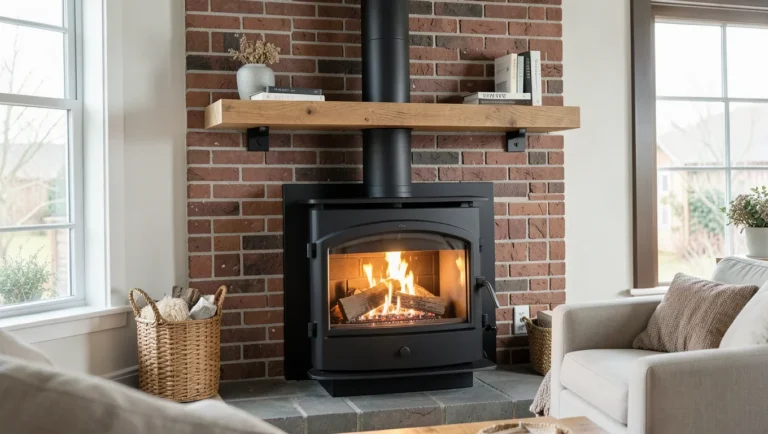
Heat-treated wood (stamped “HT” under ISPM-15) is safe to burn — the process uses only heat, no chemicals, to kill pests. Pressure-treated lumber and MB (methyl bromide) pallets are a different product entirely and the EPA classifies burning them as hazardous. This guide covers how to read pallet stamps, why the two get confused, and the exact safety steps for burning heat-treated wood.
Insert your Affiliate Disclosure reusable block here.
Quick Answer
Yes, genuinely heat-treated (HT) wood is safe to burn — it reaches 133°F for 30+ minutes with no chemicals added, so it burns the same as any untreated firewood. It is NOT the same thing as pressure-treated lumber (CCA/ACQ) or MB-stamped pallets, both of which release toxic compounds when burned and should never go in a fireplace, wood stove, or fire pit.
What Is Heat-Treated Wood, Exactly?
Best Firewood Moisture Meter Pick
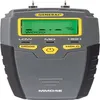
General Tools MMD4E Moisture Meter for Wood
Pin-type meter that reads wood, wall, and building-material moisture on a backlit LCD.
- Best for: Checking pallet wood or firewood before it goes in the stove
- Why we picked it: 5–50% wood range covers green pallet scrap through fully seasoned cordwood
- Main drawback: Pins need occasional recalibration on rough, splintery pallet wood
Compare more heat-treated wood burning gear
 Option 1 Relaxdays Ash Bucket with Insert Shovel
|
 Option 2 AugFir 48in Pallet Buster Pry Bar
|
 Option 3 AMAGABELI 5-Piece Fireplace Tool Set, 31-Inch
|
As an Amazon Associate we earn from qualifying purchases.
Heat-treated wood is lumber or pallet timber that has been heated in a kiln to an internal core temperature of at least 133°F (56°C) for a minimum of 30 minutes, under the international ISPM-15 standard. The heat kills insects, larvae, and fungal spores hiding inside the wood — no pesticides, preservatives, or chemical fumigants are involved at any point.
This is the process most international shipping pallets go through before they’re allowed to cross a border, since untreated wood packaging can carry invasive pests like the emerald ash borer. A pallet that passed this process is stamped with the letters “HT” inside the IPPC wheat-stalk logo, usually branded (not painted) into the wood block.
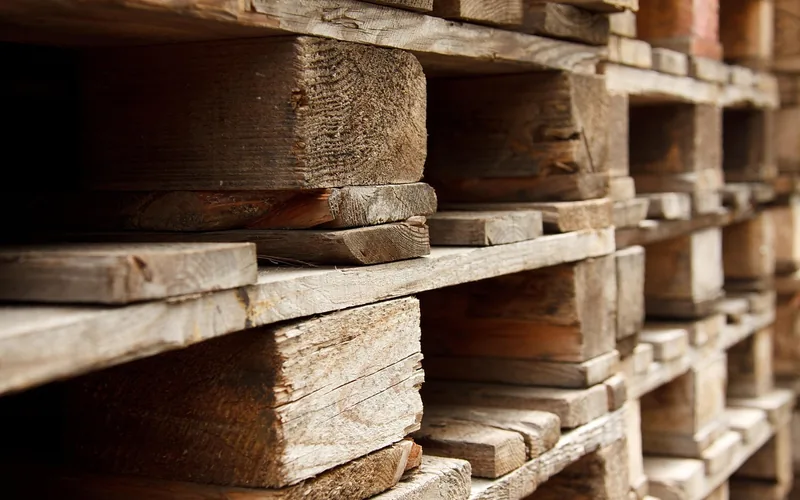
Heat-Treated vs. Pressure-Treated Wood: What’s the Real Difference?
This is the mix-up that causes most of the confusion, and the safety difference is not small. Heat treatment and pressure treatment are two unrelated processes that happen to both get called “treated wood.”
| Heat-Treated (HT) | Pressure-Treated (CCA / ACQ) | Safe to Burn? |
|---|---|---|
| Heated to 133°F / 30 min, no chemicals | Chemical preservatives forced into the wood under pressure | HT: Yes | CCA/ACQ: No |
| Marked “HT” | Marked “PT,” “CCA,” or an end-tag with a treatment retailer name (e.g., Wolmanized, MicroPro) | Always check the stamp before burning |
| Used for shipping pallets, crates, dunnage | Used for decks, fence posts, ground-contact framing | Different use case, different risk |
| Ash: same as regular firewood ash | Ash from pre-2004 CCA lumber can carry a lethal dose of arsenic per tablespoon | EPA: never burn pressure-treated wood, per its Burn Wise program |
Modern pressure-treated lumber sold since 2004 uses alkaline copper quaternary (ACQ) or copper azole instead of the older chromated copper arsenate (CCA), so it’s arsenic-free — but it still isn’t safe to burn. Burning it releases concentrated copper compounds and fungicide residue into the smoke and ash, which is why the EPA and most state agencies treat any pressure-treated scrap as hazardous waste for disposal, not fuel.
Reading Pallet Stamps: HT, KD, MB, and DB
Not every pallet stamp means the same thing, and mixing them up is the single most common way people accidentally burn something they shouldn’t. Look for the branded stamp on the pallet’s center block before you ever consider it for firewood or kindling.
| Stamp | Meaning | Burn It? |
|---|---|---|
| HT | Heat-treated — 133°F for 30+ min, no chemicals | Yes |
| KD | Kiln-dried — moisture reduced, but not automatically pest-treated unless paired with HT | Only if also stamped HT |
| DB | Debarked — bark removed, a supplementary mark, not a treatment on its own | Check for HT too |
| MB | Methyl bromide fumigation — an EPA-listed hazardous air pollutant | No, never |
| Unmarked / painted / stained | Origin and treatment unknown | No — don’t guess |
A closer look at pallet stamps and what they legally require covers the full IPPC marking format if you want to verify a specific pallet before breaking it down. If you can’t find a stamp at all, treat the wood as unknown and don’t burn it — it may have been repainted, repurposed, or simply too weathered to read.
Verify Before You Burn: Moisture and Stamp Check
Even genuinely HT-stamped wood should be reasonably dry before it goes in a stove or fireplace — wet or green pallet wood burns dirty, smokes heavily, and builds creosote in a chimney flue. A basic pin-type moisture meter (aim for under 20% moisture content, same target as seasoned firewood) takes the guesswork out, especially for reclaimed pallet wood that’s been sitting outside.
Is Burning Pressure-Treated Wood Actually Illegal?
In most U.S. states and municipalities, yes — open burning of pressure-treated or otherwise chemically treated wood is restricted or banned outright under state air-quality and solid-waste rules, and the EPA’s own guidance is that it should never be burned in any appliance, indoors or out. Pre-2004 CCA lumber is the worst case: burning it concentrates arsenic in the ash, and a documented 1984 case saw a family develop seasonal hair loss, nosebleeds, and headaches after years of burning treated scraps in a wood stove.
The safe path for pressure-treated scrap is disposal, not fuel: small offcuts go in household trash, larger amounts to a landfill or construction-debris site. It should never be used for mulch, compost, animal bedding, or garden beds either — the same preservatives that make it rot-resistant in the ground are the problem.
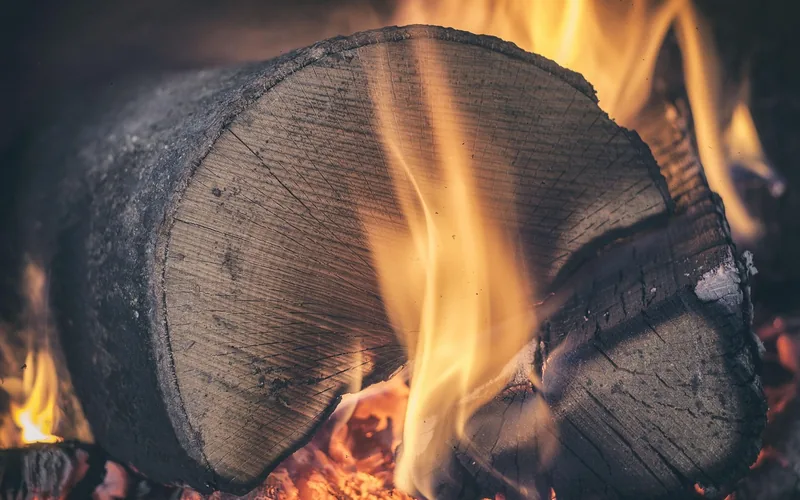
How to Burn Heat-Treated Pallet Wood Safely
- Check the stamp: confirm “HT” is present and there’s no “MB” mark anywhere on the pallet.
- Skip anything painted, stained, or unmarked: if you can’t confirm treatment, don’t burn it.
- Pull nails and metal fasteners: loose fasteners are a fire-tending hazard and can damage a stove’s firebox.
- Check moisture content: aim for under 20% with a moisture meter before it goes in the stove.
- Ventilate properly: pallet wood burns hot and fast, so keep dampers and flues clear and never overload the firebox.
- Never use it for cooking: even safe HT pallet wood isn’t food-grade lumber — reserve it for heating, not grilling or smoking.
According to the EPA’s Burn Wise program, the safest firewood is always wood you can positively identify — for heat-treated pallets, that means a legible HT stamp and no signs of paint, chemical staining, or an MB mark. If you’re new to reading a load of firewood for safety in general (not just pallets), our wood-burning safety basics guide covers stove setup, ventilation, and species selection in more depth. And if you’re unsure whether a batch of wood has dried enough to burn cleanly, see how long wood actually takes to season before you stack it near the stove.
Local open-burning rules add another layer regardless of stamp — some regions restrict wood burning entirely on poor air-quality days, which is worth checking before a fire pit session; see current wood-burning restrictions by region for an example of how these bans work.
Frequently Asked Questions
Are there chemicals in heat-treated wood?
No. Heat-treated (HT) wood is processed using only heat — a minimum core temperature of 133°F for 30 minutes under ISPM-15 — with no pesticides, preservatives, or fumigants added at any stage. That’s what makes it safe to burn.
Is heat-treated pine safe to burn?
Yes, if it’s genuinely heat-treated and stamped HT. Wood species doesn’t determine whether burning is safe — the treatment method does. Pine, oak, or any other species that went through the HT process (not chemical pressure treatment) burns the same as untreated firewood of that species.
Is burning pressure-treated wood toxic?
Yes. Pressure-treated wood contains chemical preservatives (historically arsenic-based CCA, now copper-based ACQ or copper azole) that release toxic compounds into smoke and ash when burned. The EPA treats it as hazardous waste and its Burn Wise guidance says never to burn it, indoors or out.
Can I burn pallets in my wood burner?
Only if they’re stamped HT with no MB mark, no paint, and no chemical staining. Pull any nails first, keep the firebox ventilated since pallet wood burns hot and fast, and skip unmarked pallets you can’t verify.
How do I know if a pallet was chemically fumigated instead of heat-treated?
Look for an “MB” stamp, which means methyl bromide fumigation — an EPA-listed hazardous air pollutant. If the stamp shows HT with no MB, and the wood isn’t painted or stained, it was heat-treated only and is safe to burn.
Bottom line: check the stamp, not the wood type. An HT stamp with no MB mark means safe firewood; anything pressure-treated, chemically fumigated, painted, or unmarked belongs in the trash, not the stove.
Sponsored / affiliate links. As an Amazon Associate I earn from qualifying purchases. I may earn additional commission from eligible campaigns.