Is Japanese Maple Evergreen or Deciduous
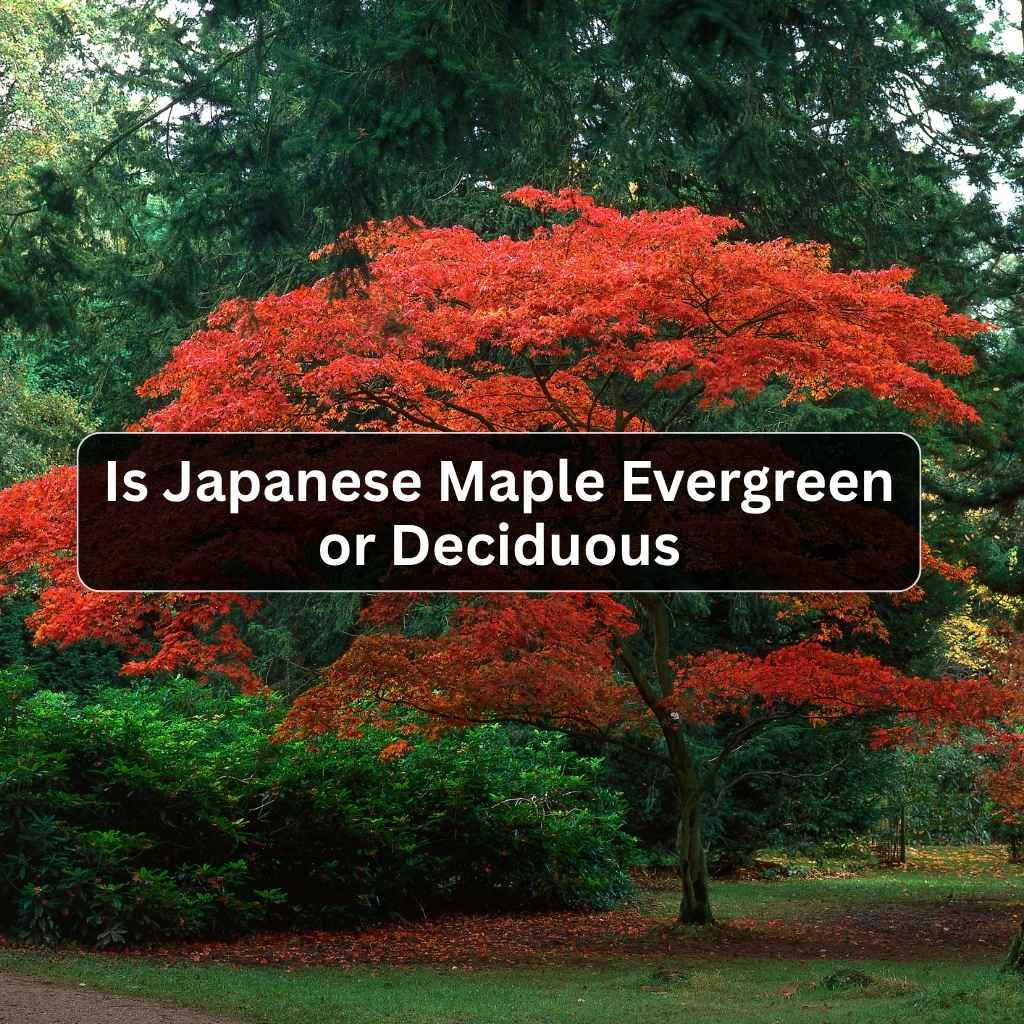
Many plant lovers wonder Is Japanese Maple Evergreen or Deciduous? It can be a bit tricky for new gardeners because not all Japanese maples behave the same way. Some might seem like they keep their leaves all year, while others drop them completely.
This often causes confusion when people are planning their gardens. Don’t worry, though. We’ll break down this common question simply so you’ll know exactly what to expect from your Japanese maple.
Let’s find out the clear answer together.
Understanding Japanese Maple Leaf Cycles
This section will help you understand why there’s often a question about whether Japanese maples lose their leaves or not. We will look at the normal behavior of these beautiful trees and why this question is so common among gardeners, especially those just starting out with these special plants. We’ll cover the basics of how they change with the seasons.
Deciduous Nature of Japanese Maples
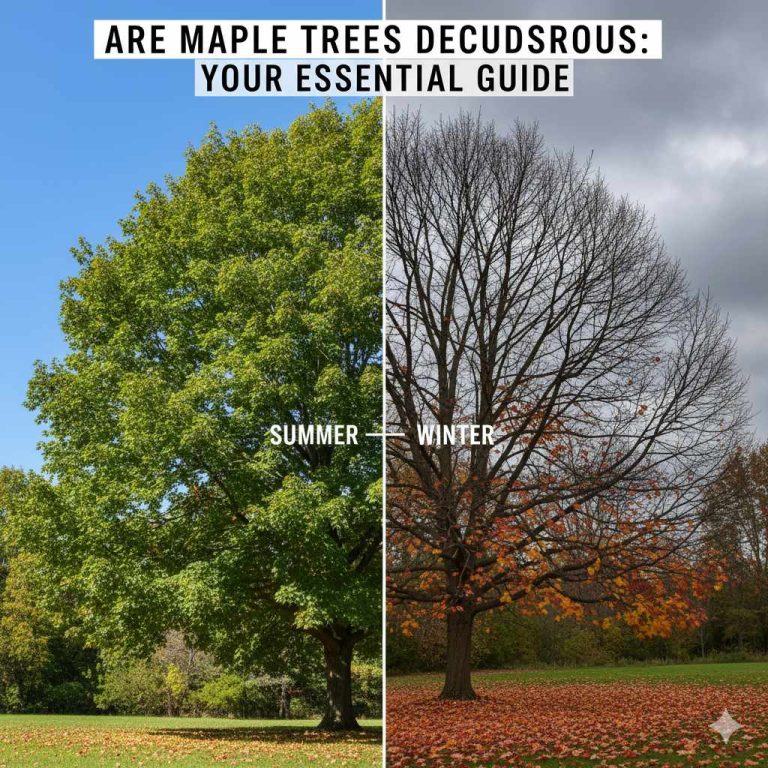
The simple truth is that most Japanese maples are deciduous trees. This means they naturally shed their leaves at a certain time of year, usually in the fall. This shedding is a normal part of their life cycle, helping them survive through colder months when water is less available and sunlight is weaker.
It’s a way for the tree to conserve energy.
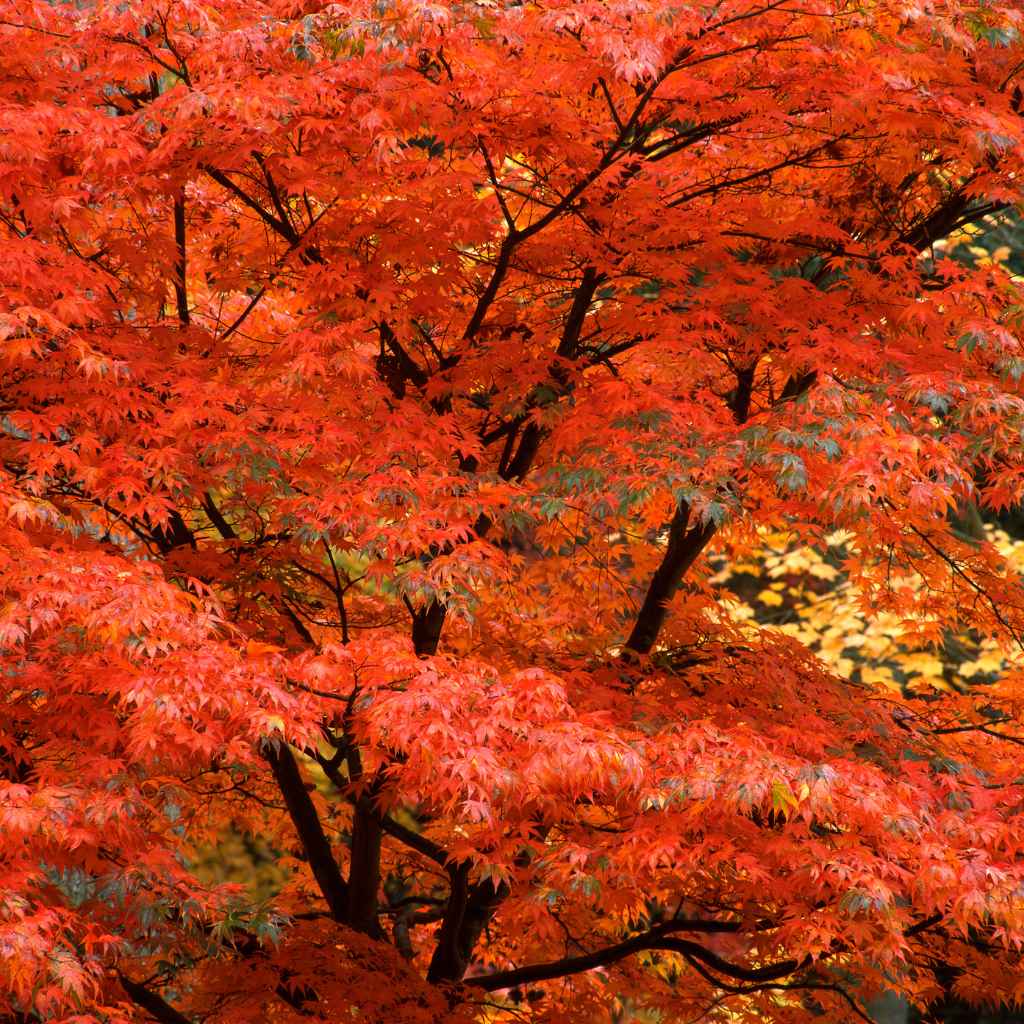
When fall arrives, the leaves change color to vibrant reds, oranges, and yellows before they fall. This colorful display is one of the main reasons people love Japanese maples so much. The tree prepares for winter by letting go of its leaves, much like many other trees in temperate climates.
This shedding process is a key characteristic of deciduous trees. It’s an adaptation that allows them to thrive in environments with distinct seasons. Without shedding leaves, the tree would face more challenges during winter.
Seasonal Leaf Drop Explained
The shedding of leaves, known as abscission, is a biological process. As days get shorter and temperatures drop, the tree stops producing chlorophyll, the green pigment in leaves. This allows other pigments to show, creating the fall colors.
Eventually, a special layer of cells forms at the base of the leaf stem. This layer weakens the connection between the leaf and the branch. Wind or rain then easily causes the leaves to fall off.
This process is crucial for the tree’s survival. It prevents water loss through the leaves during freezing temperatures and reduces the risk of snow damage to the branches.
Why the Confusion?
The confusion often arises because some varieties of Japanese maples hold onto their leaves longer than others, or may retain dead leaves through winter. Also, in warmer climates, their leaf drop might not be as dramatic. The sheer variety of Japanese maple cultivars also plays a role, with some exhibiting slightly different behaviors.
Additionally, very young trees or those under stress might not shed leaves as predictably as mature, healthy specimens. This variation can lead beginners to believe they are evergreen, especially if they see leaves on the tree for most of the year.
It’s important to remember that the primary classification for the vast majority of Japanese maples is deciduous. Any apparent evergreen tendencies are usually exceptions or temporary conditions.
The Deciduous Cycle in Detail
Let’s explore the yearly journey of a typical Japanese maple’s leaves. This cycle is a beautiful display of nature’s rhythm, from the fresh growth of spring to the colorful farewell of autumn. Understanding this cycle helps appreciate the tree’s resilience and seasonal beauty.
Spring Awakening and Bud Break
As winter ends and warmer weather arrives, Japanese maples begin their growth cycle. Tiny buds that have been dormant on the branches start to swell. These buds contain the new leaves and shoots that will emerge.
The process of bud break is triggered by increasing day length and warmer temperatures. Sap begins to flow more vigorously within the tree, fueling this new growth. It’s a sign that the tree is waking up after its winter rest.
The emerging leaves are often a vibrant green or sometimes a reddish hue, depending on the variety. They unfurl slowly, revealing the delicate structures that will soon become mature leaves.
Summer Foliage and Growth
Throughout the summer months, the leaves of the Japanese maple reach their full size and deep color. The tree is actively photosynthesizing, converting sunlight into energy to support its growth and store reserves for the future. This is the period of peak foliage density.
The lush canopy provides shade and adds a significant aesthetic appeal to any landscape. Many gardeners enjoy the tree’s beauty during this time, noting its elegant form and the texture of its leaves.
During summer, the tree focuses on developing its structure and preparing for the next season. While the leaves are the primary focus of our discussion, the overall health and growth of the tree are supported by this essential summer phase.
Autumn Transformation and Leaf Drop
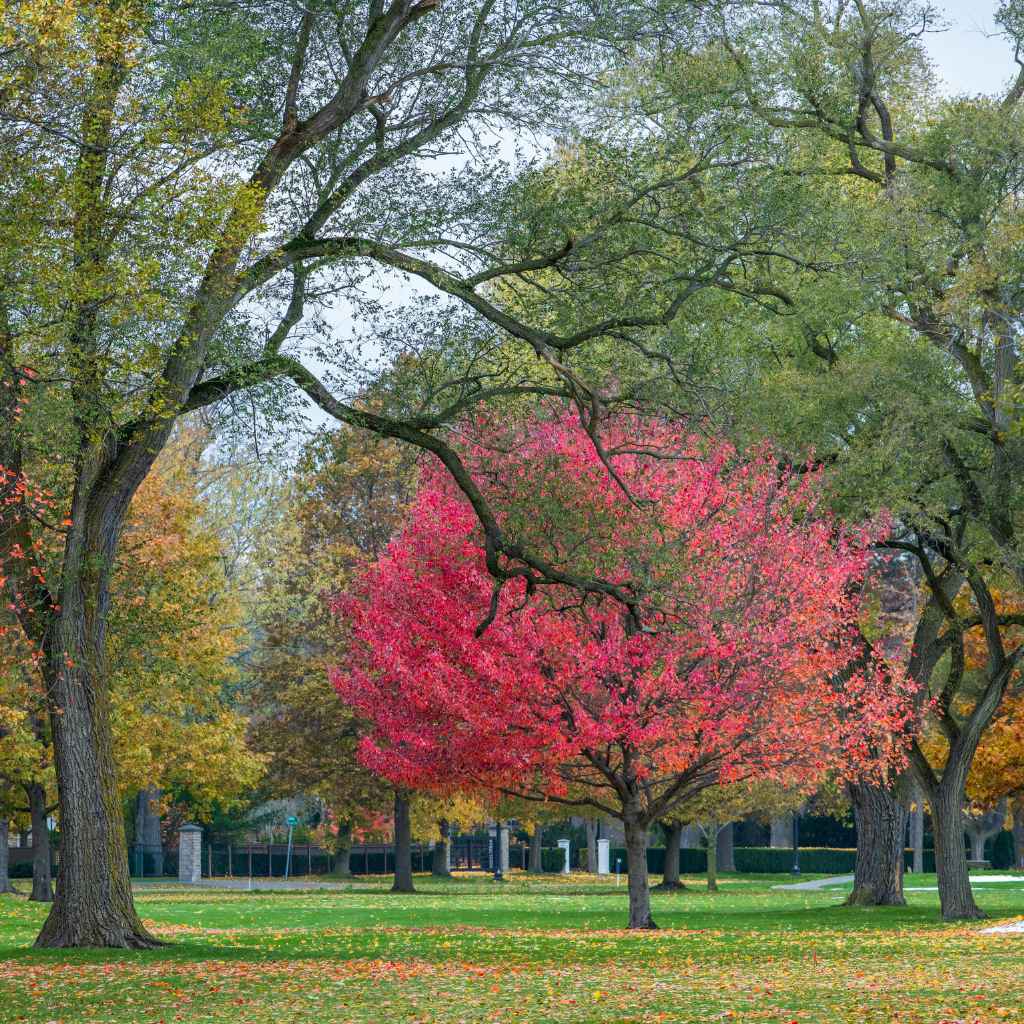
As summer transitions into fall, the most dramatic visual change occurs. The chlorophyll in the leaves begins to break down, revealing other pigments like carotenoids (yellows and oranges) and anthocyanins (reds). This is when Japanese maples put on their spectacular show of fall colors.
The timing and intensity of these colors can vary based on the specific cultivar, weather conditions, and the tree’s overall health. Cool nights and sunny days often lead to the most brilliant displays.
Following the color change, the leaves begin to detach from the branches. This deciduous process is complete by the time winter fully sets in, leaving the tree bare and showing off its intricate branch structure.
Winter Dormancy
Once the leaves have fallen, the Japanese maple enters a period of dormancy. This is a resting phase where the tree conserves energy and protects itself from the harsh winter conditions. The bare branches create a starkly beautiful silhouette against the winter sky.
During dormancy, the tree is not dead; it is simply inactive. Its roots continue to anchor it, and its vital systems are preserved, ready for the resurgence of life in spring. This rest period is essential for the tree’s long-term health and vigor.
Identifying Evergreen Maple Varieties
While the vast majority of Japanese maples are deciduous, there are some rare exceptions or confusion with other types of maples that might appear evergreen. It’s important to distinguish these cases to avoid misinformation. True evergreen maples are not typically what people refer to when they say “Japanese maple.”
Some plants may be mistakenly identified as evergreen Japanese maples. These are often other tree species or cultivars that retain their leaves longer into the fall or are slow to shed them. Understanding these differences is key to accurate identification.
We will clarify what a true evergreen maple might be and how it differs from the typical Japanese maple you find in nurseries.
Are There Any True Evergreen Japanese Maples
In horticultural terms, true evergreen Japanese maples (Acer palmatum) are extremely rare, if they exist at all in common cultivation. The defining characteristic of the species Acer palmatum is its deciduous nature. When you purchase a Japanese maple, it is almost certainly a deciduous variety.
Any appearance of “evergreen” qualities in a Japanese maple is usually a result of it holding its leaves much later into the fall or winter, or a cultivar that has a very prolonged leaf retention period. This can happen, especially in milder climates or with certain cultivars that are slower to shed.
The term “evergreen” typically applies to trees that retain their foliage year-round, like pines, firs, or hollies. Japanese maples, by species definition, do not fit this description. Their beauty lies in their seasonal changes, including their vibrant fall colors and elegant bare winter structure.
Confusion with Other Maple Species
Sometimes, people might confuse Japanese maples with other types of maples that have different leaf behaviors. For example, some desert maples or specific cultivars of other Acer species might retain leaves for a longer period, leading to confusion. However, these are not true Japanese maples.
The most common confusion comes from the sheer diversity of Acer palmatum cultivars. With hundreds of named varieties, each with slightly different growth habits, leaf shapes, and colors, it’s easy for variations to occur in their seasonal leaf drop. Some might lose leaves earlier, others later.
It is crucial to look at the scientific name, Acer palmatum, to identify a true Japanese maple. If a tree is identified as an Acer palmatum cultivar, it will be deciduous.
Cultivars with Extended Leaf Retention
Within the Acer palmatum species, certain cultivars are known for their ability to hold onto their leaves for an extended period. These varieties might retain green or even reddish-brown leaves well into winter, especially in warmer regions.
For instance, some cultivars might keep their leaves until the new buds are ready to break in spring. This creates an impression of being evergreen, even though the tree is still undergoing its natural deciduous cycle. The leaves are often dead or dry by this point, but they remain attached.
This extended retention is a characteristic of the specific cultivar, not a change in its fundamental deciduous nature. It’s a fascinating variation that adds to the diverse appeal of Japanese maples.
Care Tips for Your Japanese Maple
Understanding whether your Japanese maple is deciduous or not is the first step. Now, let’s talk about how to keep it healthy and beautiful throughout its natural cycle. Proper care ensures your tree thrives, whether it’s showing off its spring buds, summer shade, or fall colors.
Caring for these trees involves paying attention to their specific needs regarding sunlight, water, and soil. By providing the right environment, you can help your Japanese maple reach its full potential and enjoy its beauty for years to come.
Sunlight Requirements
Japanese maples generally prefer partial shade, especially in hotter climates. Direct, intense afternoon sun can scorch their delicate leaves, leading to browning or wilting. Morning sun is usually ideal.
In cooler regions, some varieties can tolerate full sun, but it’s always wise to observe the tree’s response. If the leaves look stressed or burnt, it’s a sign that it needs more shade during the hottest part of the day.
The amount of sunlight directly impacts leaf color and retention. Too much sun can cause premature leaf drop or fading of fall colors. Too little sun might result in less vibrant colors and a more open growth habit.
Watering and Soil Needs
Consistent moisture is key for Japanese maples. They prefer well-draining soil that stays slightly moist but is not waterlogged. Soggy soil can lead to root rot, a common problem.
When watering, aim to moisten the soil deeply. Avoid frequent, shallow watering, which encourages shallow root growth. The frequency of watering will depend on your climate, soil type, and the season.
A layer of mulch around the base of the tree (but not touching the trunk) helps retain soil moisture and regulate soil temperature. This is especially beneficial during hot, dry periods.
Pruning and Maintenance
Pruning is important for shaping your Japanese maple and maintaining its health. The best time to prune is typically during the dormant season, after the leaves have fallen. Light pruning can also be done in summer to manage size or remove unwanted branches.
When pruning, use clean, sharp tools to make precise cuts. Remove any dead, damaged, or crossing branches. The goal is often to enhance the tree’s natural graceful form, not to force it into an unnatural shape.
Over-pruning can stress the tree, leading to reduced vigor. It’s best to prune conservatively, allowing the tree’s inherent beauty to shine through. Focus on improving air circulation within the canopy and maintaining a pleasing aesthetic.
Fertilizing Considerations
Japanese maples generally do not require heavy fertilization. In fact, over-fertilizing can be harmful, leading to weak growth and increased susceptibility to pests and diseases.
If your soil is poor, a light application of a balanced, slow-release fertilizer in early spring can be beneficial. Follow the product’s instructions carefully, and it’s often better to err on the side of too little fertilizer than too much.
A good soil amendment with compost can often provide sufficient nutrients. Observing your tree’s growth and overall health is the best guide for deciding if fertilization is necessary.
Common Japanese Maple Misconceptions
It’s easy for gardeners to get confused about various aspects of Japanese maples. One of the most frequent points of confusion revolves around their leaf cycle. This section addresses those common misunderstandings and provides clear, simple answers to help you become more confident in caring for your tree.
We will tackle common myths and provide factual information so you can enjoy your Japanese maple without worry. Let’s clear up any doubts you might have.
Addressing the Evergreen Debate
The core of the debate is whether Japanese maples retain their leaves year-round like evergreens or shed them seasonally like deciduous trees. The overwhelming consensus in horticulture is that Acer palmatum, the species commonly known as the Japanese maple, is deciduous.
Any notion of them being evergreen usually stems from observing them in milder climates where they might hold their foliage longer, or from confusion with other, less common maple species. It is crucial to understand that the natural state of the Japanese maple is to lose its leaves.
This deciduous trait is a fundamental characteristic that defines the species and influences its seasonal beauty. Recognizing this helps in proper care and anticipation of its yearly changes.
Misunderstanding Leaf Retention
A common misconception is that if a Japanese maple still has leaves in late fall or early winter, it must be an evergreen. This overlooks the variability within deciduous species. Some cultivars are bred or naturally occur with traits that cause them to hold their leaves longer.
These retained leaves might be dry, brown, or reddish, and they often persist until new growth begins in spring. This extended leaf retention can create an illusion of evergreen status, especially to the casual observer. However, the tree is still going through its dormancy period.
It’s like a human holding onto an old coat longer than usual; the coat is still an old coat, not a new one. The leaves, while present, are no longer photosynthesizing actively and will eventually fall.
The Role of Climate
Climate plays a significant role in how a deciduous tree behaves. In regions with mild winters, Japanese maples may experience a much shorter dormancy period. Their leaves might fall later in the season and break bud earlier in the spring.
This can lead to a longer period where the tree appears to have foliage, blurring the lines between deciduous and evergreen for some observers. For example, a Japanese maple in Southern California might look fuller for more of the year than one in Canada.
However, regardless of the climate, the fundamental biological process is still deciduous shedding. The timing and duration of leaf retention are influenced by environmental factors, but the underlying nature of the tree remains the same.
Identifying True Evergreen Trees
To avoid confusion, it’s helpful to know what a true evergreen tree looks like. Evergreens, such as pines, firs, spruces, and hollies, have needles or leaves that stay on the tree throughout the year. They may shed older needles or leaves, but this happens gradually, and the tree always appears covered in foliage.
Their leaf structure is adapted to withstand cold and conserve moisture, allowing them to remain green year-round. Japanese maples, with their broad, lobed leaves, have a structure designed for active growth during the warm season and shedding during dormancy.
Comparing the typical appearance of a pine tree versus a Japanese maple in winter makes the distinction clear. One is covered in needles, the other exhibits a delicate, bare branching pattern.
Case Studies and Examples
Seeing how Japanese maples behave in real-world gardens can be very instructive. These examples illustrate the typical deciduous nature of these trees and address common observations that might lead to questions about their evergreen status.
We will look at a few scenarios that highlight the seasonal changes of Japanese maples in different settings. This will further clarify their natural cycle.
Scenario 1 A Maple in Four Seasons
Consider a popular Japanese maple cultivar like ‘Crimson Queen’, known for its deeply dissected, red leaves. In spring, this maple bursts forth with vibrant, bright red foliage. By summer, the color deepens to a rich burgundy, providing a striking accent in the garden.
As autumn approaches, the leaves often turn brilliant shades of crimson and scarlet before eventually detaching from the branches.
By late fall or early winter, the tree is typically bare, revealing its intricate, lace-like branching structure. This bare structure is a key characteristic of its deciduous nature, allowing it to display a different kind of beauty during the colder months. The cycle then repeats with new growth in spring.
This clear progression through spring, summer, autumn colors, and winter dormancy is typical for ‘Crimson Queen’ and most other Japanese maples, emphasizing their deciduous identity.
Scenario 2 Late Leaf Retention in Mild Climate
In a garden located in a mild climate, such as coastal California, a Japanese maple might exhibit delayed leaf drop. For instance, a cultivar like ‘Shaina’, which typically has a compact, upright growth habit and deep red foliage, might retain some of its leaves well into December or even January.
These retained leaves might be a duller red or even brown, looking somewhat withered. However, they are still attached to the branches. As spring approaches, these old leaves will be pushed off by the new buds emerging.
This observation can lead some to believe the tree is evergreen.
This behavior is simply an extended retention due to favorable, non-freezing temperatures. The tree is still preparing for its active growing season and will shed the old foliage to make way for new growth, confirming its deciduous classification.
Scenario 3 The Effect of Stress on Leaf Drop
A Japanese maple experiencing stress, such as drought or transplant shock, might show unusual leaf behavior. For example, a tree newly planted in summer might drop many of its leaves prematurely to conserve energy and water. This shedding might happen all at once, making it seem like a sudden loss.
Conversely, a stressed tree might struggle to drop its leaves in the fall, holding onto them longer in a weakened state. This can also contribute to the misconception of it being evergreen. The tree is essentially trying to survive by altering its normal cycle.
Once the stress is managed and the tree becomes established and healthy, it will resume its natural deciduous cycle, displaying predictable seasonal leaf drop and color change. This highlights that behavior can vary based on the tree’s condition.
Frequently Asked Questions
Question: Is my Japanese maple supposed to lose all its leaves
Answer: Yes, typically Japanese maples are deciduous trees, meaning they naturally shed all their leaves each year, usually in the fall. This is a normal part of their life cycle.
Question: My Japanese maple still has leaves in winter is it not a Japanese maple
Answer: Not necessarily. Some Japanese maple varieties hold onto their leaves longer, especially in milder climates. While they are deciduous, they may retain dead or dry leaves until spring growth begins.
Question: When should I expect my Japanese maple to lose its leaves
Answer: Most Japanese maples start to lose their leaves in the fall, typically from October through November in many regions. The exact timing can vary based on the specific cultivar and local weather conditions.
Question: Do all Japanese maples turn red in the fall
Answer: No, not all Japanese maples turn red. While many varieties are famous for their stunning red, orange, or yellow fall colors, others might turn shades of brown, or their green leaves may simply drop without significant color change.
Question: What is the difference between deciduous and evergreen trees
Answer: Deciduous trees shed their leaves seasonally, usually in the fall, and are bare in winter. Evergreen trees keep their foliage year-round, shedding old leaves gradually and slowly.
Final Thoughts
Japanese maples are deciduous trees. They shed their leaves each year, showing off beautiful fall colors before winter. This natural cycle is what makes them so unique and lovely throughout the seasons.
Enjoy your tree’s changes.