How to Stop Tree Sap From Ruining Your Car and Patio Furniture
Tree sap turns from a sticky nuisance into permanent damage fast — UV exposure can bake it into car clear coat and patio finishes within a few days, though cooler weather buys you closer to a week. Left alone, it etches paint and stains wood, metal, and fabric. This woodworking and yard-care guide covers which trees drip the most sap, how to protect your car, patio furniture, and driveway before it happens, and the safest way to remove sap stuck to each surface.
Insert your Affiliate Disclosure reusable block here.
Which Trees Drip the Most Sap?
Best Tree Sap Remover Pick
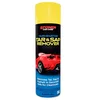
Stoner Car Care Tarminator Tar & Sap Remover
A fast-acting spray built specifically to break down sap and tar without attacking clear coat, chrome, or wheels.
- Best for: Fresh or lightly hardened sap on car paint and trim
- Why we picked it: Clear-coat-safe formula built for exactly this job, not a general degreaser
- Main drawback: Won’t touch sap that’s been baked on for weeks — that needs compounding
Compare more sap-protection options
 Option 1 Meguiar’s Hybrid Ceramic Wax
|
 Option 2 ULTCOVER Waterproof Patio Table Cover
|
 Option 3 Chemical Guys Professional Microfiber Towels (12-Pack)
|
As an Amazon Associate we earn from qualifying purchases.
Not every tree is an equal offender. If you’re choosing a parking spot or a patio location, these are the species that cause the most sap complaints — and why.
| Tree | What Drips | Worst Season | Risk to Cars & Furniture |
|---|---|---|---|
| Pine & other conifers | Thick resin | Summer heat | High — hardens fast, very sticky |
| Maple | Thin, sugary sap | Late winter/early spring | Moderate |
| Birch | Watery sap, often from old wounds | Spring | Moderate |
| Elm & Oak | Mostly aphid/scale honeydew, not true sap | Late spring – summer | High — easy to mistake for sap |
Is That Really Tree Sap? (Sap vs. Honeydew)
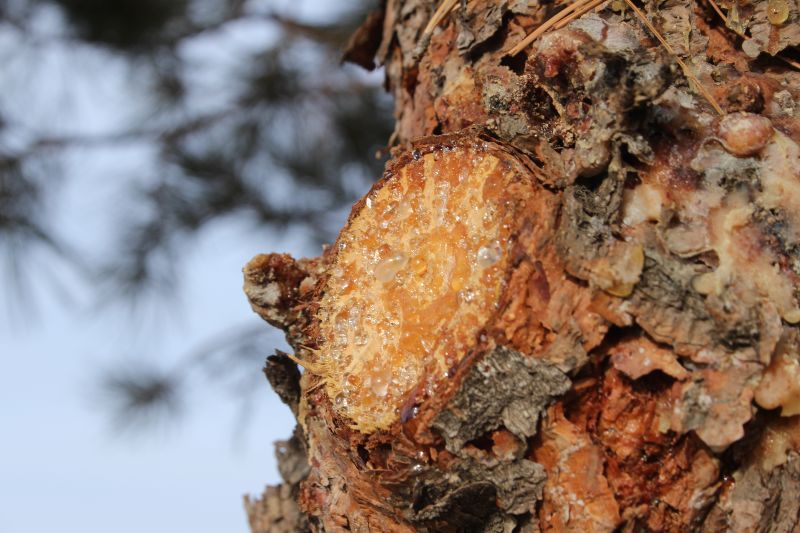
True sap is a thick, clear-to-amber resin that oozes directly from a cut, crack, or wound in the bark — it’s the tree’s own response to injury. Honeydew is a thinner, sugary residue left behind by aphids, scale insects, and lace bugs as they feed, and it’s actually the more common cause of “sap” raining down on a car parked under an oak, elm, or fruit tree. The distinction matters: true sap calls for pruning and wound care, while honeydew calls for treating the insect infestation with horticultural oil or an insecticidal soap.
Stopping Sap at the Source: Pruning & Tree Health
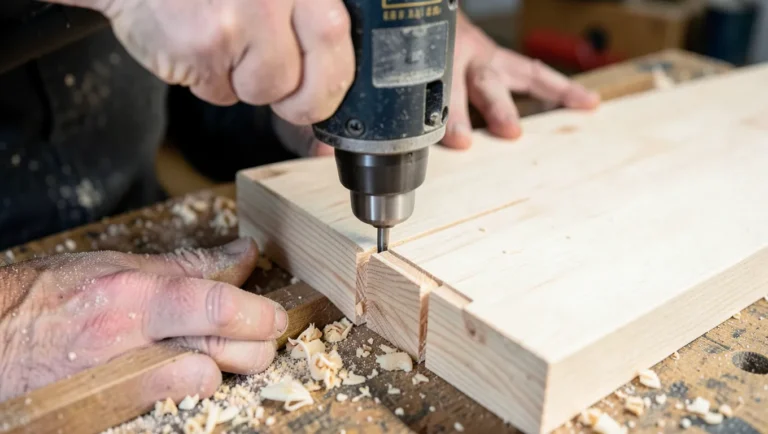
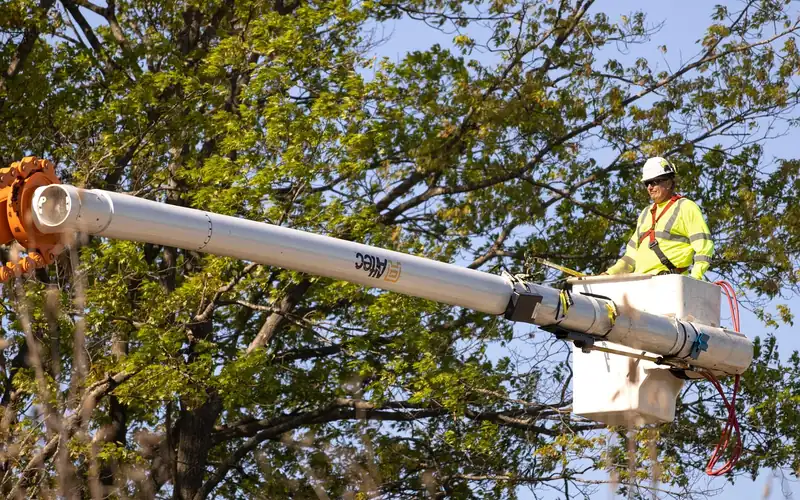
Healthy trees with clean cuts produce far less sap. Pruning trees the right way — sharp tools, clean cuts, dormant-season timing — reduces how much sap a tree leaks in the first place. A cordless hand saw makes quick, clean cuts on smaller branches without the mess of a gas trimmer. Avoid wounding the trunk with mowers or string trimmers, and remove dead or diseased branches promptly instead of letting them ooze all season.
This article focuses on protecting what’s underneath the tree — your car, furniture, and driveway. For the full breakdown of pruning timing by species, wound sealants, and stump treatment, see our dedicated guide: How to Stop Sap From Coming Out of a Tree.
How to Protect Your Car From Tree Sap
Tree sap is mildly acidic, and once it bakes in the sun it starts to chemically bond with your clear coat — that’s when etching and permanent discoloration set in. A few habits keep it from ever getting that far:
- Park smart. Avoid spots under pine, maple, birch, elm, or oak canopies whenever you have a choice — a garage or carport is the best shield.
- Wax monthly during sap season. A synthetic wax or ceramic spray sealant fills the clear coat’s pores so sap sits on top instead of soaking in, and it wipes off far easier.
- Use a car cover. A breathable, waterproof cover blocks direct contact entirely if you’re stuck parking under trees.
- Wash it off within a few days. Fresh sap wipes away in seconds; sap that’s baked in the sun for a week can take compounding to fully remove.
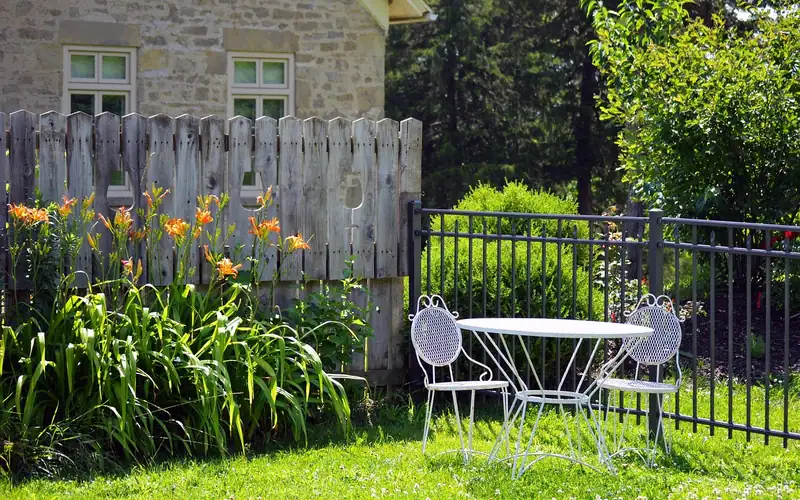
How to Protect Patio Furniture, Grills & Your Driveway
Furniture and pavement can’t be waxed the way a car can, so prevention here is mostly about positioning and coverage:
- Reposition when you can. Moving a dining set or grill even a few feet out from under a canopy cuts direct drips dramatically.
- Cover it when it’s not in use. A fitted, breathable cover keeps sap off cushions, wicker, and metal frames between uses.
- Tarp the driveway during heavy sap weeks. Pine and maple seasons are short but intense — a tarp over a parking spot is cheaper than resealing asphalt or pressure-washing concrete stains.
- Seal what you can’t move. A wood sealant or exterior wax on a wood deck or metal railing gives sap less to bond with.
For material-specific removal — wicker, powder-coated aluminum, outdoor fabric — see How to Get Sap Off Patio Furniture.
How to Remove Sap You Already Have, By Surface
Once sap has landed, the right method depends entirely on what it landed on. Using a car-safe remover on fabric — or alcohol on a finish that can’t take it — causes more damage than the sap itself.
| Surface | Best Method | Caution |
|---|---|---|
| Car paint / clear coat | Dedicated tar & sap remover or WD-40; soak 5 min, wipe with a microfiber towel | Never scrub dry — wash the area afterward to clear residue |
| Wood (deck, furniture) | Rubbing alcohol or vegetable oil on a cloth, then a plastic scraper for hardened spots | Test finish first — see our full wood sap removal guide |
| Metal / powder-coated | Alcohol-dampened cloth, then warm soapy water rinse | Dry fully to prevent water spotting |
| Outdoor fabric / cushions | Dab (don’t rub) with alcohol, let sit 30–60 seconds, wash with mild soap | Rubbing pushes sap deeper into the weave |
| Skin / hair | Vegetable oil or cooking spray, massage in, then wash with soap and warm water | Avoid solvents like acetone on skin |
| Clothing | Scrape off excess, soak in vegetable oil, then treat with a grease-cutting dish soap before washing | Check the sap is gone before drying — heat sets stains |
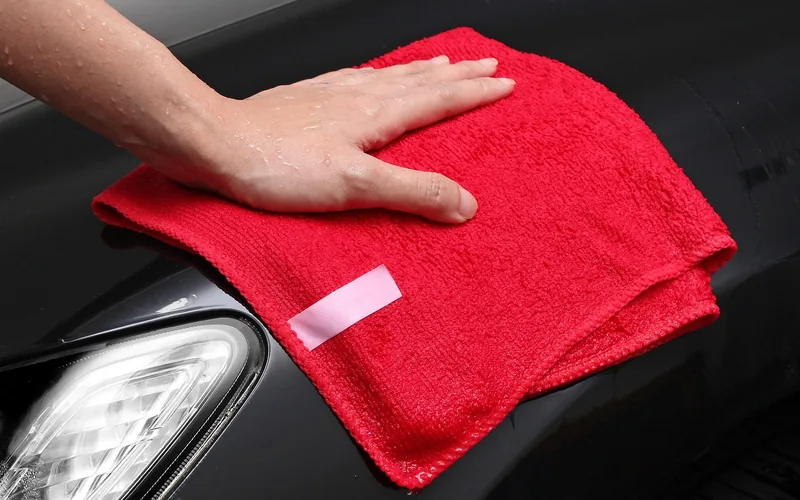
In the shop, we keep a bottle of isopropyl alcohol and a stack of microfiber towels by the door every spring — the trucks parked near the yard’s maples pick up sap constantly, and catching it within a day or two is the difference between a five-minute wipe-down and compounding out an etched spot months later.
Is Tree Sap Harmful to the Tree, and When to Call a Pro
Some sap is normal — it’s how a tree seals a wound. But heavy, ongoing sap flow can signal stress, disease, or a pest infestation that needs attention. If a tree is dripping constantly, losing bark, or showing dieback, bring in a certified arborist. Professional evaluation and treatment typically runs $100 to $500 depending on tree size and the extent of the problem; most companies will quote for free before starting.
Small amounts of sap can go straight into your yard-waste compost, where it breaks down naturally. Check local rules before disposing of larger quantities, since some municipalities route it separately from regular yard waste.
Frequently Asked Questions
What causes tree sap to flow?
Tree sap flows in response to cuts, insect damage, or disease — it’s the tree’s natural way of sealing a wound. Seasonal pressure changes, especially in maples and birches during late winter and early spring, can also push sap out even without an injury.
Does tree sap damage car paint?
Yes. Sap is mildly acidic and chemically bonds with clear coat as it dries in the sun, which can lead to etching, discoloration, and even peeling if it’s left for weeks. Fresh sap wipes off easily; the damage risk climbs the longer it sits, especially in direct UV.
Does WD-40 remove tree sap?
Yes, WD-40 works well on tree sap, especially once it’s hardened. Spray it directly on the spot, let it soak for a few minutes, then wipe with a microfiber cloth and follow with a regular wash to clear any oily residue.
How can I prevent tree sap from being a problem?
Park or place furniture away from heavy sap-producing trees like pine, maple, and birch, keep a protective wax or sealant on surfaces that can take one, and prune trees during their dormant season to reduce how much they leak in the first place.
Is tree sap harmful to trees?
A small amount is normal wound-sealing behavior, but excessive or ongoing sap can signal stress, disease, or pest damage. If flow doesn’t slow down after pruning season, it’s worth having a certified arborist take a look.
Why is my tree dripping something sticky that isn’t sap?
It’s likely honeydew, a sugary residue left by aphids, scale insects, or lace bugs feeding on the tree. It’s especially common under oaks and elms. Treating the insects with horticultural oil or an insecticidal soap stops the drip — pruning alone won’t fix it.
Regular maintenance is what actually keeps tree sap from becoming a recurring problem: prune during the dormant season, protect what’s parked or seated underneath, and clean sap off within a few days rather than letting it bake in the sun. Handle it that way and sap season becomes a minor inconvenience instead of a paint or fabric replacement bill.
Sponsored / affiliate links. As an Amazon Associate I earn from qualifying purchases. I may earn additional commission from eligible campaigns.