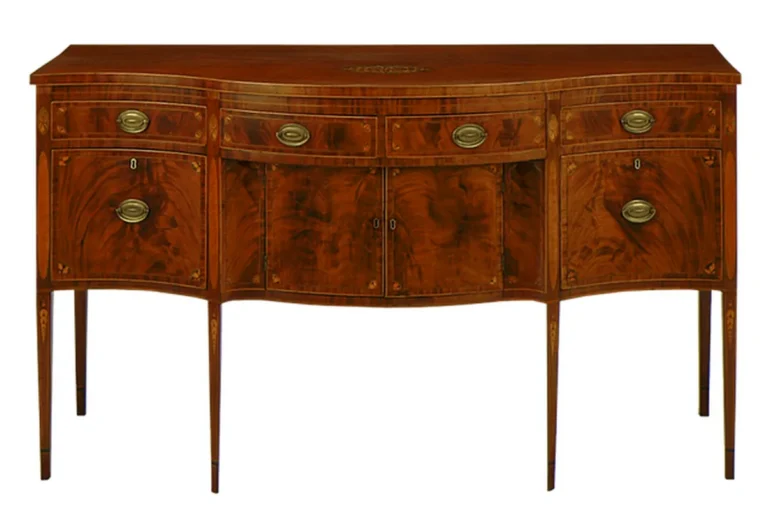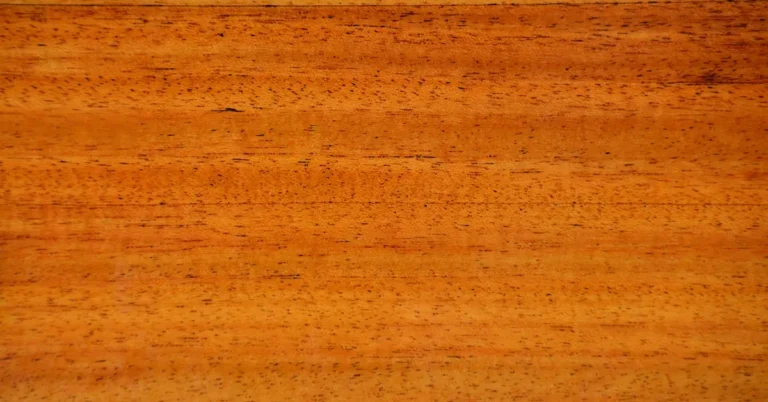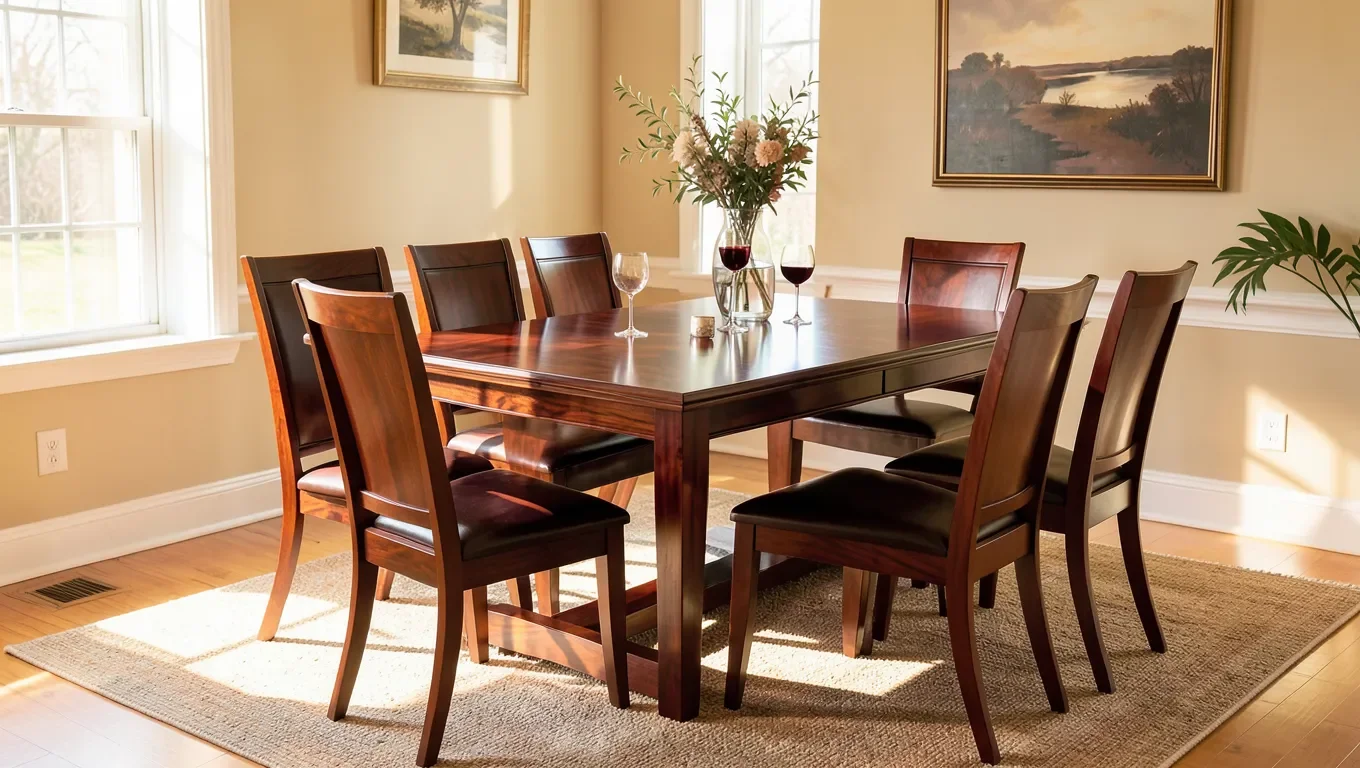
Is Mahogany Good for Furniture? Durability, Cost & CITES Facts
Yes — mahogany is one of the best hardwoods for furniture, but the mahogany in most furniture sold today probably isn’t the species your grandparents’ dining table was built from. Genuine (Honduran and Cuban) mahogany has been regulated under CITES since 2003 because of decades of overharvesting, so most of what’s labeled “mahogany” now is African mahogany (Khaya), sapele, or — confusingly — an unrelated wood marketed as “Philippine mahogany.”
That substitution isn’t automatically a downgrade for furniture-making. Below is what genuine mahogany actually offers on hardness, stability, and workability, how the common substitutes compare on the same measures, and which one is realistically available and legal to buy for your next project.
Is Mahogany a Good Wood for Furniture? Quick Answer
For furniture, yes. Mahogany — genuine or a close substitute like African mahogany — combines moderate hardness (roughly 800–1,070 lbf on the Janka scale, depending on species) with a straight, fine grain that resists warping and takes stain or polish evenly. It’s dense enough to hold up to daily use in tables, chairs, and cabinets, but soft enough to cut and carve without the tool wear that comes with harder domestic woods like hickory or hard maple.
The real trade-offs are price and, for genuine (Swietenia) mahogany specifically, legal sourcing paperwork. If you want the classic mahogany look on a furniture piece you already own or built from a cheaper wood, a mahogany-toned stain gets you most of the way there without the sourcing question:
Best Mahogany-Tone Finish
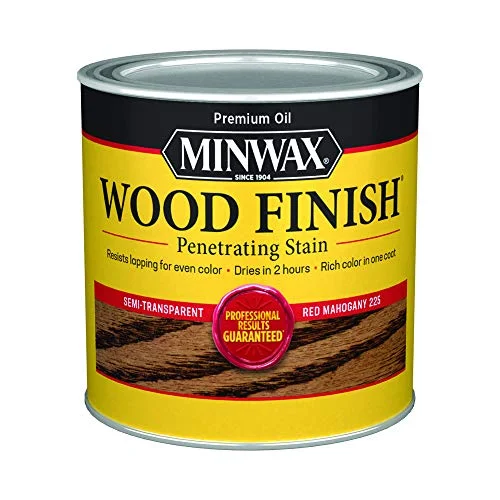 |
Minwax Wood Finish, Red Mahogany, 1/2 Pint – $8.48 An oil-based penetrating stain that gives budget hardwoods (oak, pine, poplar) the same deep reddish-brown tone as genuine mahogany, without the CITES paperwork or the price tag.
|
Real Mahogany vs. What’s Sold as Mahogany Today
“Mahogany” is a trade name that gets applied to wood from several different genera, and only one is true mahogany in the botanical sense that furniture history means when it says mahogany.
- Genuine mahogany (Swietenia macrophylla, “Honduran”): the real thing. On November 15, 2003, big-leaf mahogany was listed on CITES Appendix II after a population decline driven by decades of overharvesting across Central and South America — any lumber or furniture crossing a border now needs documentation proving it was legally harvested.
- African mahogany (Khaya, mainly K. ivorensis): the closest botanical relative and the most common substitute in furniture today. It’s also CITES Appendix II-listed, genus-wide across Africa, though it’s more available and roughly half the price of genuine mahogany.
- Sapele (Entandrophragma cylindricum): not a true mahogany at all — a different genus — but a common look-alike substitute. It isn’t under the same CITES restrictions as genuine or African mahogany, though export controls on it vary by country and have been tightening.
- “Philippine mahogany” (meranti/lauan, Shorea spp.): not mahogany at all. It’s a group of over 100 unrelated Shorea species from an entirely different plant family, marketed under the mahogany name because of its similar reddish-brown color. Hardness and quality vary widely depending on which Shorea species you actually receive.
If you’re buying solid lumber and the price seems too low for “genuine mahogany,” it almost certainly isn’t genuine — ask the supplier which species you’re actually getting. For more on separating real mahogany from look-alikes, see our guide to identifying mahogany and where to buy it from a legitimate, CITES-compliant source.
Mahogany Species Comparison: Hardness, Cost & Sustainability
Numbers below are sourced from Janka hardness testing and industry wood-property references, not marketing copy — useful if you’re comparing species before ordering lumber for a real furniture build.
| Wood (trade name) | Botanical genus | Janka hardness | Workability | Cost tier | Sustainability status |
|---|---|---|---|---|---|
| Genuine (Honduran) Mahogany | Swietenia macrophylla | 800–900 lbf | Excellent — easy on hand and machine tools | $$$$ Premium | CITES Appendix II since 2003; import needs permit documentation |
| African Mahogany | Khaya ivorensis | ~1,070 lbf | Good — some interlocked grain can tear out | $$$ High (roughly half the price of genuine) | CITES Appendix II, genus-wide across Africa |
| Sapele | Entandrophragma cylindricum | ~1,510 lbf | Moderate — interlocked grain, tear-out risk when planing | $$ Moderate | Not CITES-listed; regional export limits vary and are tightening |
| “Philippine Mahogany” (meranti/lauan) | Shorea spp. | ~460–800 lbf, varies by species | Easy, but inconsistent batch to batch | $ Budget | Not a true mahogany; conservation status varies by the specific species sold |
Want the full property breakdown — density, grain figure, and finishing behavior — on genuine mahogany specifically? See our dedicated mahogany wood properties guide.
Pros of Mahogany for Furniture
- Durability: dense and stable enough to resist the dents, scratches, and impact damage that shorten the life of softwood furniture.
- Dimensional stability: mahogany expands and contracts less than many hardwoods as humidity changes, so joints stay tight and panels are less prone to cupping.
- Rot and moisture resistance: naturally resistant to decay and less prone to warping or swelling than pine or oak, which is why it’s also historically used in boatbuilding.
- Workability: a straight, fine, relatively open grain makes genuine mahogany easier to hand-cut, carve, and finish smoothly than most hardwoods of comparable hardness.
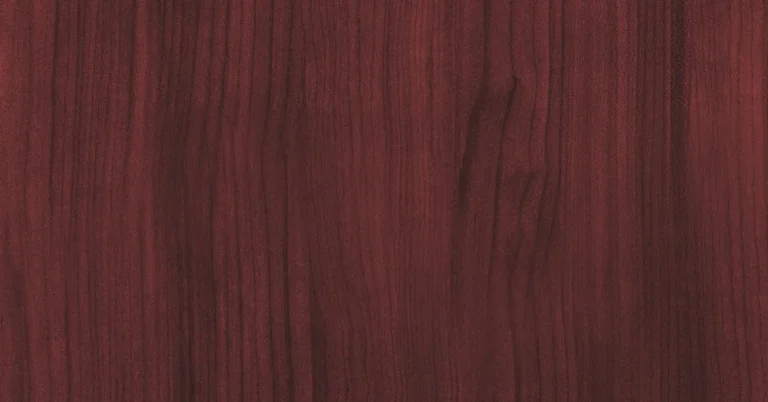
- Appearance: a warm reddish-brown color that deepens with age, plus a natural luster that takes stain and polish evenly.
Cons of Mahogany for Furniture
- Price: genuine mahogany is a premium hardwood, and CITES documentation requirements add cost and lead time on top of the raw lumber price.
- Sourcing verification: because “mahogany” is used loosely in retail, you have to actually confirm the species and paperwork rather than trust the label.
- UV darkening: unfinished or lightly finished mahogany darkens over years of sun exposure — a protective finish or placement out of direct light slows this down.
- Hand-tool effort at the higher end: sapele and some African mahogany can have interlocked grain that tears out under a hand plane, requiring a scraper or very sharp, low cutting angles.
Mahogany vs. Oak vs. Pine for Furniture
Red and white oak run harder than mahogany on the Janka scale (roughly 1,290–1,360 lbf versus mahogany’s 800–900 lbf), which makes oak more dent-resistant but noticeably more work to cut and carve by hand. Oak’s open, prominent grain also takes stain unevenly without a grain filler, where mahogany’s tighter grain finishes smoothly with less prep.
Pine is a different category entirely — a softwood, not a hardwood. Common furniture-grade pine runs roughly a third to half of mahogany’s hardness, dents and scratches easily, and is far more prone to warping with humidity changes. It’s cheaper and easier to work, which is why it shows up in budget and rustic furniture, but it won’t hold up to decades of daily use the way mahogany or oak will without more frequent repair and refinishing.
How Much Does Mahogany Furniture Cost?
Expect to pay a real premium for genuine mahogany over its substitutes. Lumber-trade estimates put genuine mahogany at roughly double the price of African mahogany per board foot, and several times the price of sapele or meranti/lauan. On finished furniture, that gap shows up directly: a solid genuine-mahogany dining table typically costs significantly more than an equivalent piece built from African mahogany, sapele, or a domestic hardwood like oak — and considerably more than pine or veneered composite furniture in the same style.
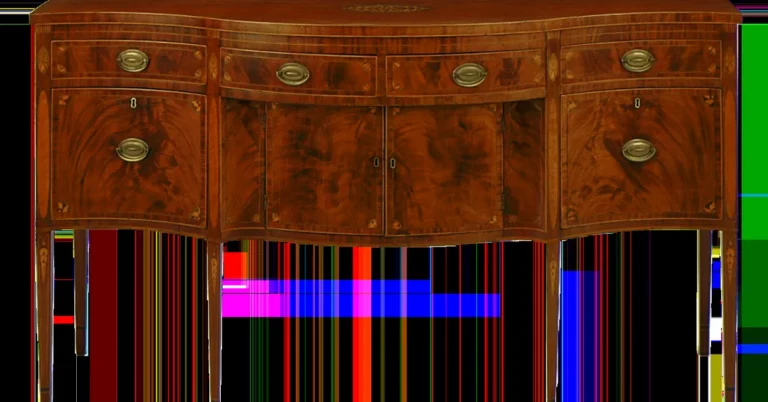
Whether that premium is worth it depends on how long you expect to keep the piece. Well-maintained mahogany furniture commonly lasts multiple decades and holds resale/heirloom value better than pine or particleboard alternatives, which narrows the effective cost gap over the furniture’s lifespan.
Caring for Mahogany Furniture
- Cleaning: wipe with a soft, slightly damp cloth. Skip ammonia-based or abrasive cleaners, which can dull the finish and cause discoloration over time.
- Sun protection: keep mahogany pieces out of direct, sustained sunlight where possible, or use a UV-protective finish — unprotected mahogany darkens noticeably faster in direct light.
- Scratch prevention: use coasters, placemats, and felt pads under lamps or decor to prevent water rings and surface scratches from daily use.
- Periodic waxing: a light coat of furniture wax every few months protects the finish and refreshes the shine — more is not better here, since buildup attracts dust and grime.
Frequently Asked Questions
What Are the Disadvantages of Mahogany Furniture?
The two real drawbacks are cost and sourcing verification. Genuine (Swietenia) mahogany is CITES-protected, so it typically costs several times more than domestic hardwoods and requires documented, legal-harvest paperwork to import. It’s also dense enough that hand-cutting and carving take more effort than softer woods, and unfinished mahogany darkens with UV exposure over time.
How Long Does Mahogany Furniture Last?
Well-built, properly finished mahogany furniture routinely lasts several decades, and many antique Honduran mahogany pieces from the 18th and 19th centuries are still in daily use today. Its natural resistance to rot, moisture swelling, and insect damage is what lets it outlast furniture-grade pine or unfinished softwoods by a wide margin.
Is Real Mahogany Furniture Legal to Buy?
Yes, but it has to be sourced legally. Genuine mahogany (Swietenia macrophylla) has been listed under CITES Appendix II since November 2003, meaning lumber or furniture crossing international borders needs valid documentation proving it wasn’t illegally harvested. Reputable furniture retailers and lumber suppliers can provide that paperwork on request; a “solid mahogany” piece priced far below market with no sourcing information is a red flag worth questioning.
Is Mahogany Better Than Oak for Furniture?
It depends on the priority. Oak is harder and more dent-resistant, but mahogany is more dimensionally stable, easier to hand-work, and finishes more evenly thanks to its tighter grain. For carved or detailed furniture, mahogany is generally the easier material to work with; for furniture that takes heavy daily impact, oak’s extra hardness has an edge.
Is Mahogany Better Than Pine for Furniture?
For furniture meant to last decades, yes. Mahogany is roughly twice as hard as common furniture-grade pine, resists dents, warping, and moisture damage far better, and holds its value and appearance longer. Pine costs less and is easier to work, which makes it a reasonable choice for budget or rustic pieces, but it needs more frequent repair and refinishing over the same time period.
Bottom Line
Mahogany — genuine or a legitimate substitute like African mahogany or sapele — is a genuinely good furniture wood: stable, workable, and durable enough to last generations with basic care. The catch isn’t the wood itself, it’s making sure you know which species you’re actually buying and that it’s legally sourced, since genuine Honduran mahogany has been CITES-protected since 2003. If you’re building rather than buying, our mahogany vs. sapele comparison can help you pick between the two most common options on the market today.
Sponsored / affiliate links. As an Amazon Associate I earn from qualifying purchases. I may earn additional commission from eligible campaigns.