What Is Mahogany Wood Used For? (Species, CITES Status + Uses)
Mahogany wood is used for fine furniture, boat trim, guitar bodies, doors and veneer because it machines cleanly and holds its shape (genuine Honduran mahogany shrinks only 4.3% tangentially), but “mahogany” on a lumber tag can mean four different woods. This guide matches each use to the right species, explains the CITES rules that actually apply, and flags where mahogany is a poor fit.
What Is Mahogany Wood Used For?
Best Mahogany Sample Boards Pick
 |
African Mahogany Lumber Boards, 3/4″ x 4″ x 48″ (Pack of 2): $78.95 Kiln-dried African mahogany (Khaya) boards let you check the grain, color and tearout behavior this guide describes before you commit to a large order.
|
As an Amazon Associate we earn from qualifying purchases.
Mahogany is used for furniture and cabinetry, interior trim and millwork, boatbuilding, veneer and plywood, turned objects, carving, and musical instruments. That list comes from the way the wood behaves: it is low density, cuts easily with hand and machine tools, sands to a smooth surface, and takes oil and varnish evenly. If you want the botanical background first, see what kind of wood mahogany is.
The catch is that no single wood answers to the name. Different species sold as mahogany have different hardness, movement and rot resistance, so the right use depends on which one is in your hands. For where each type grows, our guide to where mahogany wood comes from covers the countries and species.
Which Mahogany Are You Actually Buying?
Four woods are commonly sold under the mahogany label. Only the first is true mahogany. The numbers below come from the Wood Database; the Janka column is the pounds-force needed to embed a steel ball halfway into the wood, so higher means harder.
| Wood | Botanical name | Janka (lbf) | Density (lb/ft3) | Conservation status |
|---|---|---|---|---|
| Honduran (big-leaf) mahogany | Swietenia macrophylla | 900 | 36.8 | CITES Appendix II; IUCN Endangered |
| African mahogany | Khaya species | 850 | 33.9 | CITES Appendix II (genus); IUCN Vulnerable |
| Sapele (mahogany lookalike) | Entandrophragma cylindricum | 1,360 | 41.6 | IUCN Vulnerable; not in CITES |
| Philippine mahogany (dark red meranti) | Shorea species | 800 | 42 | Unrelated to true mahogany |
Two details in that table change real buying decisions. First, sapele is about 50% harder than genuine mahogany (1,360 versus 900 lbf), which is why it holds up better on table edges and floors but also tears out more during planing. Second, Philippine mahogany is as dense as sapele yet is the softest on the Janka scale, because meranti is a different wood family altogether.
Not sure what is stacked at your lumberyard? Use our guide to mahogany wood identification or compare the two most common substitutes in African mahogany vs sapele.
Furniture and Cabinetry
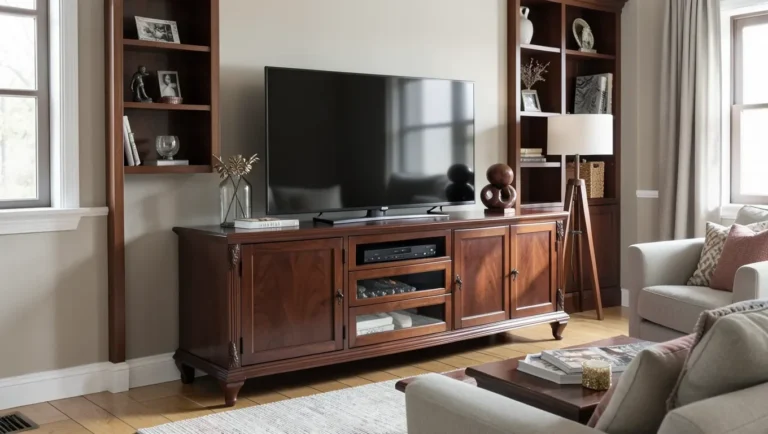
Furniture is the use most people mean when they say mahogany. Cuban mahogany (Swietenia mahogani) was historically the preferred furniture wood, but it is now depleted and rarely available, so today’s furniture-grade supply is plantation-grown Honduran mahogany and African mahogany.
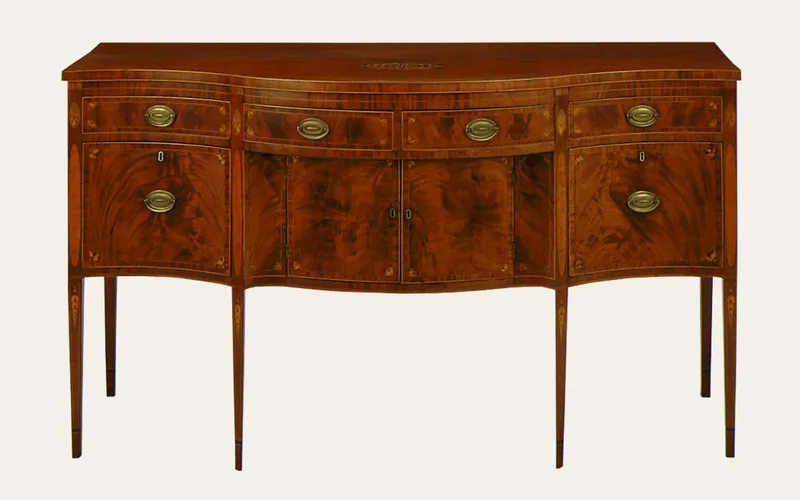
Mahogany suits furniture for three measurable reasons. Its tangential shrinkage is 4.3%, versus 5.7% for African mahogany and 7.2% for sapele, so tabletops and door panels move less between humid summers and dry winters. It glues and finishes reliably. And its density of about 37 lb/ft3 keeps large pieces such as bookcases and chests easier to move than dense hardwoods. A finished mahogany project to look at is our mahogany low bookcase.
Two limits matter. At 900 lbf, genuine mahogany dents more easily than sapele, so a dining tabletop or kitchen countertop will show wear sooner. We cover that tradeoff in mahogany kitchen countertops. And figured grain can tear out during machining, so take light passes with sharp knives.
Boats and Marine Trim
Boatbuilding is a classic mahogany use, and the Wood Database lists it for both Honduran and African mahogany. The reasons are decent decay resistance, good dimensional stability in changing moisture, and clean workability for curved planks, transoms and trim.

Choose the species and fasteners carefully. African mahogany can stain and react with iron-based fasteners in damp conditions, so marine builds should use stainless steel or bronze hardware. Do not substitute Philippine mahogany for exposed planking: dark red meranti is rated moderately durable to non-durable for decay resistance and is susceptible to insect attack. If you are weighing alternatives for marine plywood, see okoume vs mahogany.
Guitars and Other Musical Instruments
Mahogany is a standard tonewood for guitar bodies, backs, sides and necks because it is light, stable and easy to carve. Instruments are one of the uses where the wood’s low density works for you rather than against you.
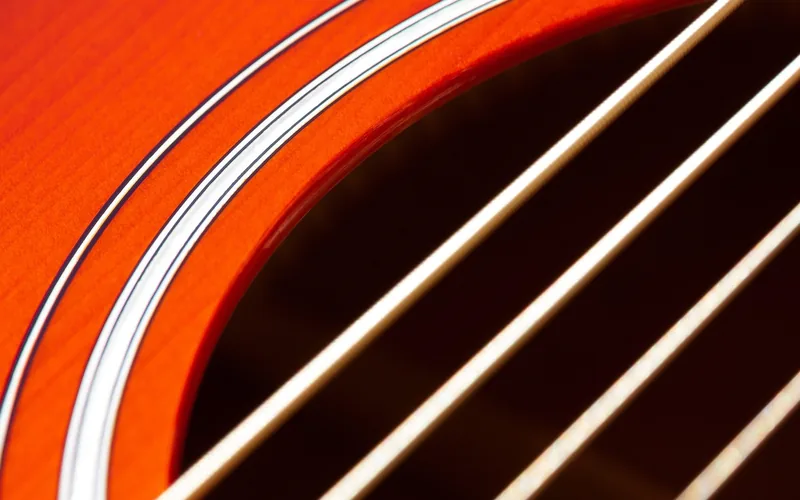
If you are building or buying, our deep dives are is mahogany good for guitars and mahogany wood guitars. Instrument makers also have a legal advantage: under CITES annotation 6, only logs, sawn wood, veneer sheets and plywood need permits, not finished instruments.
Doors, Windows, Millwork, Veneer and Plywood
Beyond furniture, mahogany shows up in interior doors, window parts, paneling, moldings, veneer and plywood. Veneer and plywood are especially common because a thin face of mahogany over a stable core gives the look at a fraction of the cost and weight, and African mahogany is listed for exactly these products.
For wall projects, see mahogany wood wall paneling. For a door, compare species in best wood to make a door. A word of caution on windows: the label “mahogany” on a window often refers to a species group rather than genuine Swietenia, as covered in mahogany wood windows.
Where Mahogany Is a Poor Fit
- Cutting boards and butcher blocks: at 900 lbf it is softer than typical board woods, so knife marks and dents show quickly. See is mahogany good for a cutting board.
- High-wear floors and work surfaces: sapele at 1,360 lbf is the better mahogany lookalike when hardness matters.
- Anywhere iron fasteners meet moisture: African mahogany and sapele can stain and discolor on contact with iron.
- Food contact surfaces without research: finish and dust safety matter, so read is mahogany food safe first.
Is Mahogany Legal to Buy? The CITES Facts
The most common mistake is treating all mahogany as banned. The truth is narrower. Neotropical big-leaf mahogany (Swietenia macrophylla) was listed in CITES Appendix II after a 2002 vote, with trade controls taking effect in 2003. Appendix II is not a ban: it means international shipments of logs, sawn wood, veneer sheets and plywood need a CITES export permit.
Two corrections follow. Finished products fall outside annotation 6, so a mahogany guitar or chair does not need a permit to cross a border. And African mahogany is not CITES-free: the Khaya genus is also listed in Appendix II, so switching to African mahogany does not exempt you from permit rules on international lumber shipments. Buying from a US supplier avoids most of the paperwork.
Honduran mahogany has an IUCN Red List status of Endangered, with a population reduction of over 60% across three generations. Source: The Wood Database, Honduran Mahogany. CITES background: CITES, 2003 mahogany trade controls.
Matching the Project to the Wood
| Project | Best pick | Why |
|---|---|---|
| Heirloom furniture | Honduran mahogany | Lowest tangential shrinkage (4.3%) and easiest to work |
| Budget furniture or trim | African mahogany | 850 lbf and widely available, but interlocked grain can tear out |
| Tabletops, flooring, heavy wear | Sapele | 1,360 lbf, though it moves more (7.2% tangential) |
| Marine trim and planking | Honduran or African mahogany | Decent decay resistance; use stainless or bronze fasteners |
| Interior plywood and paneling | Philippine mahogany (meranti) | Lower cost; keep it indoors and dry |
| Guitar bodies and necks | Honduran or African mahogany | Light, stable and easy to carve |
Working and Finishing Mahogany
Mahogany is forgiving, with a few predictable problems. Interlocked grain in African mahogany and sapele causes tearout on planers and routers, so use sharp cutters, shallow cuts, and a card scraper for final surfacing. Glue-ups and turning are generally trouble-free.
For color, mahogany starts light and darkens and reddens with age and light exposure, a point we explain in is mahogany a dark wood. Oil finishes deepen the figure, and our mahogany finish comparison ranks seven options by cost per 100 square feet. If a piece has turned too dark, how to lighten mahogany wood covers the options.
Wear a dust mask or respirator when sanding any mahogany, sapele or other exotic. Wood dust is an irritant and some species can sensitize skin and airways, so collect dust at the tool and avoid dry sweeping.
Frequently Asked Questions About Mahogany Wood Uses
What is mahogany wood best used for?
Mahogany is best used for furniture, cabinetry, interior trim, boat parts, veneer, and musical instruments. It machines easily, finishes well, and moves little with humidity changes. It is a poor choice for cutting boards and heavy-wear work surfaces because genuine mahogany rates only about 900 lbf on the Janka scale.
Is it legal to buy and use mahogany wood?
Yes, in most cases. Big-leaf mahogany (Swietenia macrophylla) is listed in CITES Appendix II, which means international shipments of logs, sawn wood, veneer and plywood need an export permit. Buying mahogany from a domestic US seller is not illegal, and finished goods are generally outside the permit rules.
Is African mahogany real mahogany?
No, not botanically. African mahogany is Khaya, a related genus in the same family as true mahogany (Swietenia). It is a legitimate and widely sold substitute, though it has more interlocked grain, shrinks more, and is now covered by its own CITES Appendix II listing.
Is Philippine mahogany real mahogany?
No. Philippine mahogany is a trade name for Shorea species such as dark red meranti and red lauan, which are unrelated to true mahogany. It is cheaper but only moderately durable to non-durable against decay, so it is better for interior plywood and trim than for outdoor use.
Is mahogany good for outdoor use?
Genuine mahogany has decent rot resistance and is a traditional boatbuilding wood, but it still needs a marine-grade or exterior finish outdoors. With African mahogany, use stainless steel or bronze fasteners, because it can stain and react with iron-based fasteners in damp conditions.
Conclusion
Mahogany earns its reputation in furniture, boats, instruments and trim, but only when you know which species you are buying. Pick Honduran mahogany for stability, sapele for hardness, African mahogany for availability, and treat Philippine mahogany as an interior-only budget option. Check provenance on international lumber, and skip mahogany for cutting boards and heavy-wear surfaces.
Sponsored / affiliate links. As an Amazon Associate I earn from qualifying purchases. I may earn additional commission from eligible campaigns.
 The Hardwood Edge Mahogany Hardwood Planks - 2-Pack Mahogany Wood for Unfinished Wood Crafts - 1/8’’ (3mm) 100% Pure Hardwood - Laser Engraving Blanks - Exotic Mahogany Planks for Crafts and Gifts
 The Hardwood Edge Mahogany Hardwood Planks - 4-Pack Mahogany Wood for Unfinished Wood Crafts - 1/8’’ (3mm) 100% Pure Hardwood - Laser Engraving Blanks - Exotic Mahogany Planks for Crafts and Gifts