Is Wood Ash Good for Japanese Maple Trees? Discover Benefits
Have you ever wondered if the wood ash from your fireplace could be a secret ingredient for nurturing your Japanese Maple trees? If you’re passionate about gardening, especially with the grace and beauty of Japanese Maples, you might be curious about unconventional methods to enhance their growth.
Imagine tapping into a resource you already have at home, transforming it into a magical soil amendment that could make your garden flourish. You’re about to discover whether wood ash is a hidden gem for your Japanese Maples or if it should be kept away.
This simple yet intriguing topic could be the game-changer in your gardening routine. So, before you sprinkle that ash over your beloved trees, let’s delve into the potential benefits and pitfalls. Your Japanese Maples deserve the best, and this article will guide you in making an informed decision.

Credit: www.brighterblooms.com
Benefits Of Wood Ash For Soil
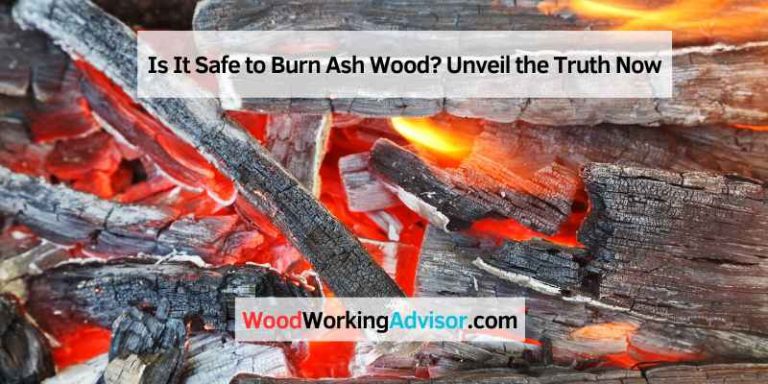
Wood ash contains many important nutrients for soil. It has calcium, potassium, and magnesium. These nutrients help plants grow strong. Plants need these to stay healthy. Wood ash also provides trace minerals. These are small but important for plants. Adding wood ash can make soil better. It helps plants like the Japanese Maple grow well.
Wood ash can change soil’s pH level. It makes soil less acidic. This is good for some plants. Japanese Maple trees prefer slightly acidic soil. But too much acidity can harm them. Wood ash helps balance this. It makes the soil just right for these trees. Using wood ash carefully can help your tree thrive.
Impact On Japanese Maple Trees
Wood ash can help trees grow better. It gives them important minerals like calcium and potassium. These minerals make the soil rich. Rich soil helps roots absorb nutrients faster. Roots become stronger. Strong roots mean healthy trees. Wood ash also reduces soil acidity. Less acidic soil is good for maple trees. It helps the tree absorb water and nutrients efficiently. But, too much ash can be bad. Always use a small amount.
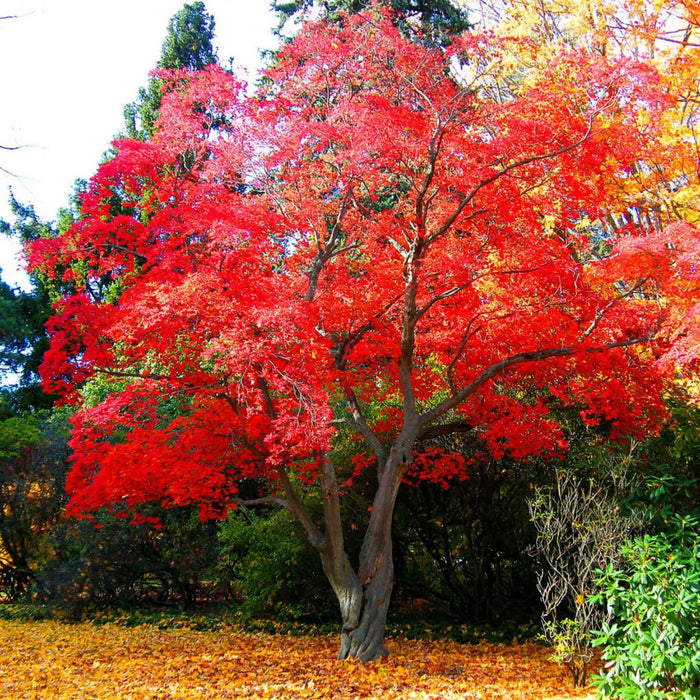
Japanese maple trees have beautiful colors. Wood ash can make these colors even brighter. Minerals in ash help leaves stay healthy and colorful. Healthy leaves mean a healthy tree. Ash also protects trees from diseases. It keeps pests away. Healthy trees are less likely to get sick. Always check the soil before using ash. Right balance is important for tree health.
Application Methods
Wood ash can help Japanese maple trees grow. Balance is important. Use small amounts of ash. Too much can harm the tree. Mix the ash with soil. Spread it evenly around the tree. Avoid direct contact with the tree trunk. This keeps the tree safe.
Spring is the best time to use wood ash. The tree starts new growth. Ash helps during this time. Do not apply ash in winter. The tree is resting then. Use ash after the last frost. The soil is ready to absorb nutrients. Check the weather before applying ash.
Credit: www.thelivingurn.com
Potential Risks
Using too much wood ash can be bad for trees. The soil can become too alkaline. This is not good for Japanese Maple trees. They prefer slightly acidic soil. Too much ash might also block nutrients that plants need. This can make the trees weak and unhealthy.
Mixing wood ash with other fertilizers can be tricky. Some fertilizers work better in acidic soil. Wood ash makes soil more alkaline. This means some fertilizers may not work well. It’s important to check if they can work together. Using them wrong could harm the trees.
Alternatives To Wood Ash
Compost is a great choice for your Japanese maple. It adds nutrients to the soil. Manure is another option. It enriches the soil and improves its texture. Bone meal can help too. It provides phosphorus, which is good for roots. Fish emulsion is also beneficial. It gives a quick nutrient boost.
Slow-release fertilizers work well for Japanese maple trees. They feed the tree over time. Granular fertilizers are easy to use. Spread them around the base of the tree. Liquid fertilizers can be used too. They are mixed with water and poured on the soil. Balanced fertilizers provide equal parts nitrogen, phosphorus, and potassium. Always follow the instructions on the package.
Expert Opinions
Wood ash can be beneficial for Japanese maple trees. It contains important nutrients like potassium and calcium. These nutrients help in growth and strengthening the trees. However, wood ash can also be alkaline. Too much can harm the soil and the trees. Experts advise using it sparingly. A small amount mixed with soil is usually safe.
Many gardeners have tried wood ash on Japanese maples. They saw mixed results. Some reported healthier leaves and growth. Others noticed no change or even yellowing leaves. It seems to depend on the soil type. Sandy soils might benefit more. Clay soils may not react well. Gardeners suggest testing a small area first. This helps in understanding the effects before using more.
Frequently Asked Questions
Is Wood Ash Good For Japanese Maples?
Wood ash is not ideal for Japanese maples. It can alter soil pH, making it too alkaline. Japanese maples thrive in slightly acidic to neutral soil. Use caution when considering wood ash around these trees to prevent harm.
Which Plants Do Not Like Wood Ash?
Plants that prefer acidic soil, like blueberries, rhododendrons, and azaleas, dislike wood ash. Wood ash raises soil pH, which can harm these acid-loving plants. It’s best to avoid using wood ash around them to maintain their preferred soil conditions.
What Are The Disadvantages Of Wood Ash As Fertilizer?
Wood ash can raise soil pH, harming acid-loving plants. It may contain heavy metals and lacks nitrogen. Overuse can lead to nutrient imbalances and soil health issues. Always test soil before applying.
What Not To Use Wood Ash On?
Avoid using wood ash on acidic soil as it raises pH levels. Do not use on plants needing acidic conditions like blueberries. Keep away from newly planted seedlings and avoid applying on wet or windy days to prevent ash from blowing away.
Conclusion
Wood ash can benefit Japanese maple trees. It enriches soil with nutrients. Calcium in ash can boost tree health. But use ash sparingly. Too much can harm soil balance. Test soil pH before applying ash. Always ensure proper drainage. Healthy trees need balanced nutrients.
Wood ash offers some benefits, but caution is key. Observe tree growth after applying ash. Adjust usage based on results. Each tree is unique. Soil conditions vary. Use ash as one part of care. Consider other nutrients too. Keep your Japanese maple thriving with thoughtful care.