Spalted Ash Lumber: Why It Looks Great But Isn’t Structural
Spalted ash lumber gets its dark, intricate lines and streaks from fungal decay, and that same decay process leaves the wood softer and weaker than clean ash, not stronger. It’s prized for looks, not structural durability, which is exactly why it shows up in turned bowls, live-edge slabs, and decorative panels rather than load-bearing chair legs. This guide covers what spalting actually is, how to work with wood that’s softer than usual, and when heavily decayed sections need to be stabilized or cut away entirely.
What Spalting Actually Is
Best Wood Hardener For Spalted/Punky Wood
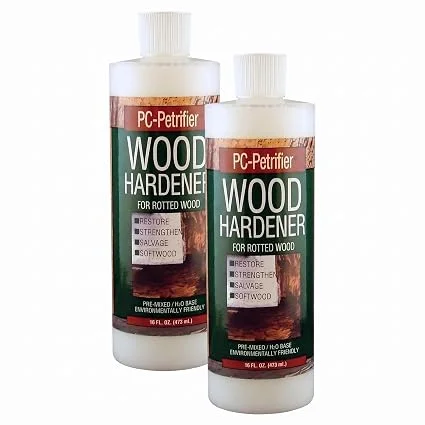 |
PC-Petrifier Water-Based Wood Hardener – $20.23 Spalting is early-stage fungal decay, so the soft or punky pockets it leaves behind genuinely need reinforcing before the piece sees real use.
|
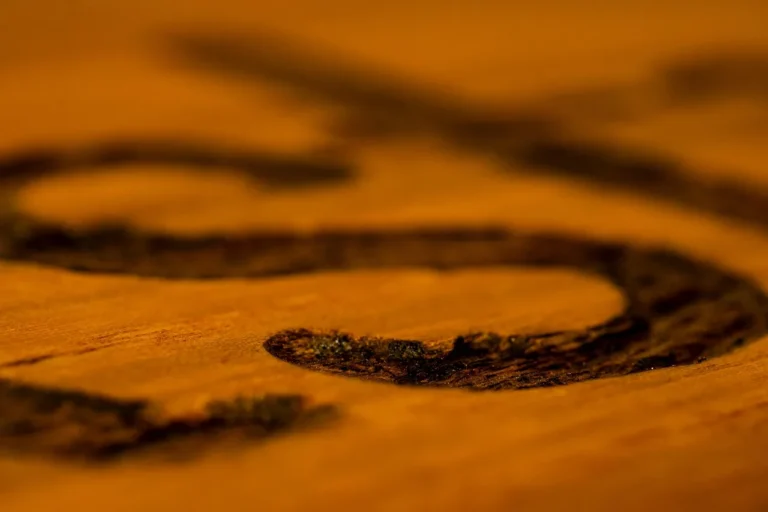
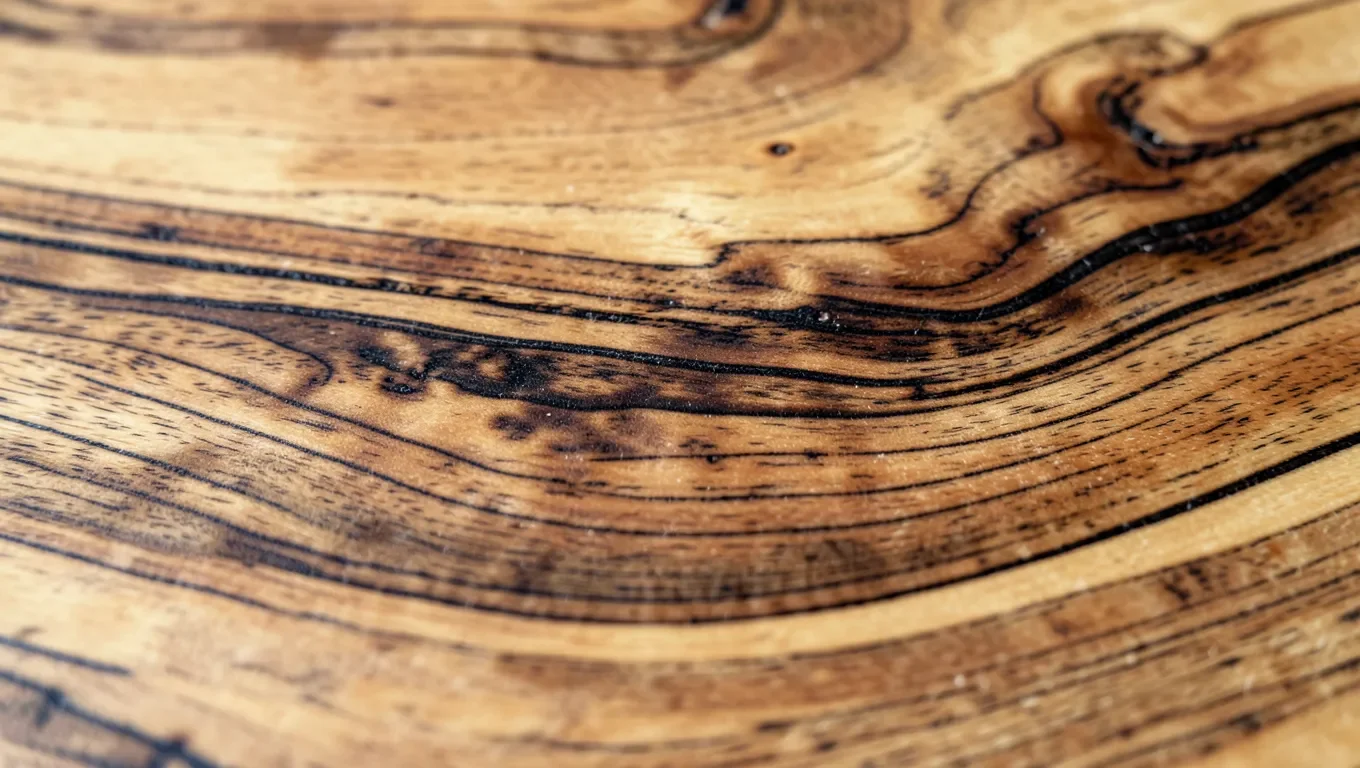
Spalting happens when fungi colonize a log, typically ash that’s been down or standing dead for months in warm, damp conditions. Different fungal species compete for the wood’s sugars and starches, and the dark, thread-like lines that make spalted lumber so recognizable are “zone lines” – the boundaries where competing fungal colonies meet and wall each other off. Kiln-drying (or simply letting the wood dry below the moisture level fungi need to stay active) halts the process, which is why properly dried spalted lumber is safe and stable to work with despite having been actively decaying at one point.
Why Spalted Wood Is Weaker, Not Stronger
Spalting is early-stage fungal decay, and decay by definition breaks down the wood’s cell structure – that’s a real, measurable strength loss, not a myth. Lightly spalted wood with just a few zone lines usually keeps most of its original strength and is fine for furniture and cutting boards. Heavily spalted wood, especially where the fungus has progressed into visible soft or “punky” pockets, has measurably reduced density and can crumble or chip under normal tool pressure. This is exactly why spalted lumber is a specialty material for decorative work, turned pieces, and accent panels rather than a substitute for clean ash in anything load-bearing – a spalted chair leg or table stretcher is a real structural risk, not just an aesthetic choice.
Working With Spalted Ash
Because the decay process softens the wood unevenly, spalted ash is prone to chipping and splintering in ways clean ash isn’t – sharp tools and light cuts matter more here than on straight, undecayed stock. Wear a dust mask when cutting or sanding, since spalted wood can carry live mold spores even after the decay itself has stopped progressing, and work in a ventilated space. Test a scrap offcut before committing to a full project; punky sections can surprise you by crumbling under pressure that clean wood would handle without issue.
Soft or punky pockets can often be reinforced with a penetrating wood hardener before carving, turning, or sanding – the hardener soaks into the decayed fiber and cures, giving tools something solid to cut against instead of crumbling material. This won’t rebuild severely rotted wood back to full strength, but it stabilizes borderline-soft areas enough to work safely. For sanding, fine-grit paper and a light touch produce the best results; a wood conditioner applied before staining helps stain absorb evenly across the wood’s naturally uneven density. A clear finish – polyurethane or lacquer, applied in several thin coats – shows off the zone-line figure best without muddying the contrast.
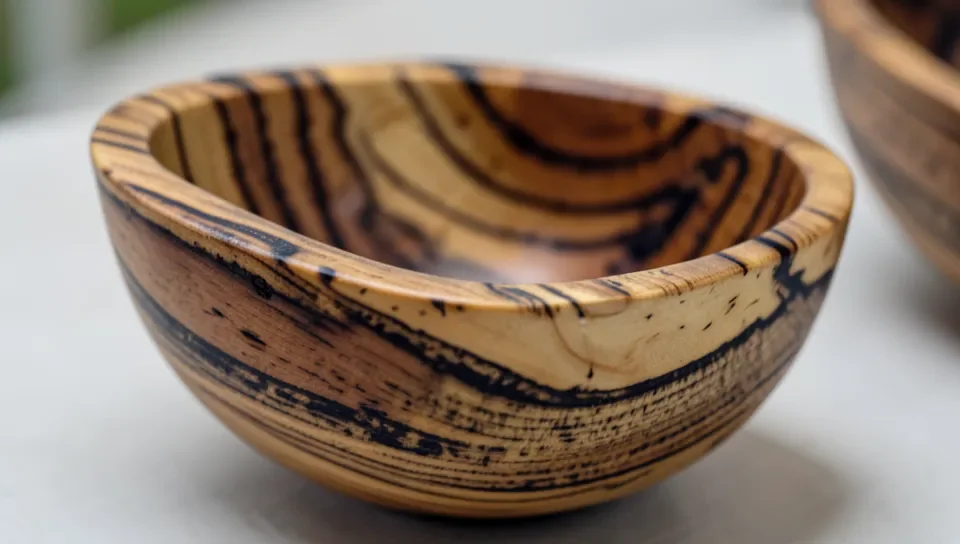
Popular Uses For Spalted Ash Lumber
- Turned bowls and vases – a lathe blank doesn’t need to bear structural load the way a chair leg does, making it one of the safest applications for figured, spalted stock.
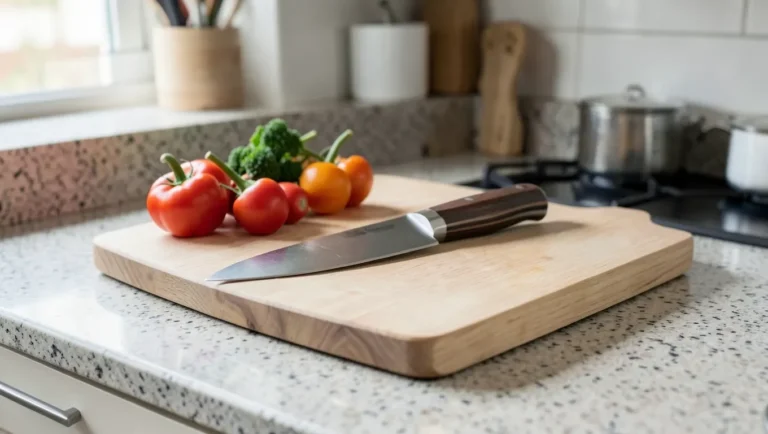
- Live-edge slabs and accent panels – wall art, cutting boards, and small tabletops that see light use showcase the figure without stressing the weaker sections.
- Picture frames and small decorative items – low-stress applications where the visual impact matters more than load-bearing strength.
- Musical instrument accents – some guitar and instrument makers use spalted wood for tops or veneers, prized for both look and the way advanced spalting can subtly change acoustic resonance.
Furniture legs, structural joinery, and anything that will bear real repeated weight are the applications to avoid with heavily spalted material – that’s where clean, unspalted ash (or spalted stock reserved to only its most lightly-affected sections) is the right call instead.
Sustainable Sourcing
Spalted ash lumber often comes from trees that were already dead or dying – including the large numbers of ash killed by emerald ash borer across North America – which makes it a genuinely sustainable byproduct rather than material harvested specifically for its figure. Look for FSC-certified suppliers when buying commercially, and if you’re salvaging your own downed ash, confirm it’s actually ash and not a species affected by regulations on moving infested wood, since emerald-ash-borer quarantine zones in many states restrict transporting ash logs and firewood.
Maintenance And Care
Clean finished spalted ash pieces with a soft cloth and mild soap and water rather than harsh chemicals, drying immediately to prevent moisture from re-softening any borderline areas. Dust regularly with the grain, and reapply an oil or wax finish periodically to keep the wood protected and looking fresh. Store unfinished spalted lumber in a dry space out of direct sunlight – sunlight fades the contrast between the zone lines and surrounding wood over time, and any return of moisture can restart fungal activity in wood that wasn’t fully kiln-dried.
Frequently Asked Questions
Is Spalted Ash Wood Stronger Or Weaker Than Regular Ash?
Weaker. Spalting is fungal decay, and decay breaks down wood’s cell structure, which measurably reduces strength and density. Lightly spalted wood keeps most of its strength, but heavily spalted or punky sections are genuinely fragile and shouldn’t be used for load-bearing furniture.
Is It Safe To Work With Spalted Wood?
Yes, once it’s properly dried, since drying stops the fungal activity that caused the spalting. Wear a dust mask when cutting or sanding, since dried spalted wood can still carry mold spores, and work in a ventilated space.
How Do You Stabilize Soft Or Punky Spalted Wood?
A penetrating wood hardener soaks into soft, decayed fiber and cures, giving it enough integrity to carve, turn, or sand without crumbling. This helps borderline-soft sections but won’t restore severely rotted wood to full strength – badly decayed material still needs to be cut away.
What Is Ash Lumber Worth?
Ash lumber value varies based on quality, size, and market demand, typically ranging from $4 to $8 per board foot for standard lumber. Figured or spalted ash with strong, well-defined zone lines commands a premium over plain, unspalted stock.
Conclusion
Spalted ash earns its premium from figure, not strength – the same fungal decay that creates its signature dark lines also softens the wood, so it belongs in turned pieces, accent panels, and decorative work rather than anything load-bearing. Dry it properly, work it with sharp tools and a light touch, stabilize soft pockets with a hardener when needed, and keep it out of structural applications, and spalted ash delivers exactly the one-of-a-kind look it’s known for without the durability problems that come from ignoring what spalting actually is.
Sponsored / affiliate links. As an Amazon Associate I earn from qualifying purchases. I may earn additional commission from eligible campaigns.