When is the Best Time to Split Ash Wood: Expert Tips
The best time to split ash is while it’s still green (freshly cut, not yet seasoned) and, if you can time it, during cold weather. Those two factors work together: green wood hasn’t yet toughened the way it does as it dries and seasons, and cold temperatures make the wood fibers more brittle across the board, so a maul or splitting axe pops the log apart with less effort in both cases combined.
If you’ve felled or acquired an ash log, the practical window to aim for is within the first few weeks after cutting, ideally paired with a stretch of cold weather if your climate offers one. Waiting until spring or summer to split wood that was cut the previous fall means fighting both factors at once – wood that has toughened from months of seasoning, in weather that offers no brittleness advantage.
Green vs. Seasoned: Which Actually Splits Easier?
Built For Splitting Green Rounds
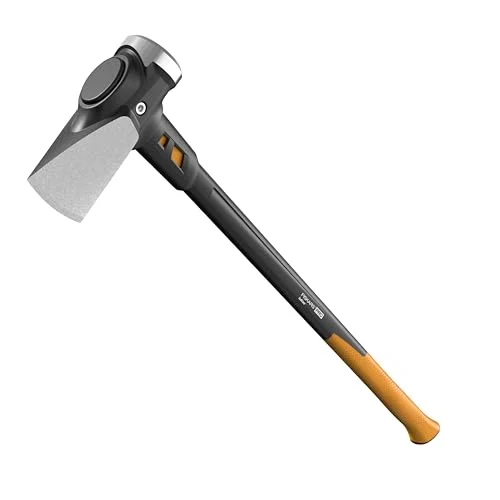 |
Fiskars Pro IsoCore Splitting Maul A wedge-shaped maul head sized to split green ash rounds in one or two swings, with a shock-absorbing handle for repeated use on a cold day.
|
This is the detail most firewood guides get muddled: fully seasoned, bone-dry ash is generally harder to split than green ash, not easier. As wood dries, its fibers tighten and interlock more than they do in freshly cut wood, so a dry round resists the wedge more and is more likely to require multiple strikes or a repositioned swing. Ash happens to split more predictably than a stringy, interlocked-grain species like elm even once dry, which is part of why it has a reputation as an easy wood overall – but “easier than elm when dry” isn’t the same as “easier dry than green.”
Green ash does still need to be watched for: very freshly cut rounds can occasionally be gummy or resistant right at the pith, but this is a minor factor compared to the fiber-toughening that happens over months of seasoning. The practical takeaway is the same either way: split ash sooner rather than later after felling, rather than letting it season fully in round form and then trying to split it. For more on what makes ash specifically easy to work with compared to other species, see our full guide on whether ash wood splits easily.
Why Cold Weather Helps
Cold temperatures make wood fibers more brittle, which is a separate effect from moisture content and applies whether the wood is green or partially seasoned. Splitting on a cold winter day – especially one below freezing – takes noticeably less effort than splitting the same log on a warm afternoon. This is also just more comfortable work: cold air keeps you from overheating during the physical effort of swinging a maul repeatedly, and there are fewer insects to deal with than in summer.
The physical mechanism is the same reason frozen ground is easier to break with a pickaxe than damp, thawed soil – ice crystals forming inside the wood’s cell structure add rigidity and reduce the wood’s ability to flex before failing, so it fractures along the grain rather than bending and absorbing the force of the blow.
Summer splitting isn’t impossible, just less efficient on both counts – the wood has had more time to season and toughen if it was cut earlier in the year, and the heat makes the physical work harder on you. If ash has to be split in summer, doing it in the cooler morning hours helps on the human-comfort side even though it doesn’t change the wood’s fiber structure.
Choosing and Using the Right Tool
- A splitting maul (heavier head, wedge-shaped) is the standard tool for rounds of typical firewood diameter – the weight does most of the work, so technique matters more than brute force.
- A sharp edge still matters even on a maul, which relies more on wedging force than a fine edge, but a dull, dinged head bounces and glances instead of biting into the wood.
- Find the wood’s natural checking (cracks radiating from the center) and aim along them – ash tends to split cleanly along these lines rather than requiring you to guess at the center.
- Avoid knots where possible; striking directly through a knot is far more likely to get the maul stuck or glance off than striking a few inches to the side.
- Use both hands and a full swing, letting the maul’s weight and momentum do the splitting rather than trying to muscle it through with arm strength alone.
Drying and Storing Split Ash
Once split, stack the pieces in single rows with gaps between them rather than in a solid pile, so air can move through the stack. Keep the stack off bare ground on pallets or rails to stop ground moisture from wicking up into the wood, and cover just the top with a tarp, leaving the sides open – a fully wrapped stack traps moisture instead of releasing it. Ash firewood typically needs 6 to 12 months of stacked, covered drying time before it burns cleanly and efficiently; burning it too early produces more smoke and less usable heat, since energy goes into boiling off residual moisture instead of into the fire itself.
A south-facing or wind-exposed stacking spot dries wood noticeably faster than a shaded, still corner of the yard, since both sunlight and airflow drive moisture evaporation. If you have the space, splitting and stacking a full season’s worth of ash in early spring gives it the maximum possible time to season before the following winter’s heating season begins.
Common Mistakes
- Letting rounds season fully before splitting – the opposite of what actually makes splitting easier; split soon after cutting instead.
- Using a dull or damaged maul head – a chipped or rounded edge glances off the wood instead of biting in, wasting effort and risking a missed swing.
- Skipping eye and hand protection – splinters and the occasional glancing chip are a real risk, and gloves plus eye protection are a small cost against a real injury.
- Stacking wood in a sealed pile or fully tarped – this traps moisture instead of letting it evaporate, defeating the purpose of splitting and stacking in the first place.
Frequently Asked Questions
When should you split ash wood?
Split ash wood while it’s still green (freshly cut), rather than letting it season fully first. Green wood hasn’t toughened the way fully dried wood does, and splitting during cold weather makes the job easier still since cold makes wood fibers more brittle.
How long does ash need to dry for firewood?
Ash firewood typically needs 6 to 12 months to dry properly once split and stacked in a ventilated area. Splitting it promptly (rather than seasoning it in full rounds) speeds this drying process considerably.
Is it easier to split logs wet or dry?
Green (freshly cut) logs are generally easier to split than fully seasoned, dry logs, since wood fibers toughen and interlock more as they dry and cure. Cold weather makes either state easier to split, since low temperatures make wood fibers more brittle regardless of moisture content.
Does ash split easier than other firewood species?
Yes, generally. Ash has straighter grain than a stringy, interlocked species like elm, which makes it split more predictably and cleanly even after it has begun to season, though splitting it while still green remains easier than waiting until it’s fully dry.
Conclusion
Split ash soon after it’s cut, while it’s still green, rather than letting it season in full rounds first – and if you can time it for a cold day, the combination of green wood and brittle-from-cold fibers makes for the easiest splitting you’ll get. Once split, stack it loosely with airflow and give it 6 to 12 months to season properly before burning.
Sponsored / affiliate links. As an Amazon Associate I earn from qualifying purchases. I may earn additional commission from eligible campaigns.