
Mahogany Wood Grain Texture: Unveiling Elegance & Style
Mahogany wood features a rich, warm tone with a straight, fine grain texture. Its natural beauty and durability make it a popular choice for furniture and cabinetry.
Mahogany wood is celebrated for its stunning appearance and strength. This tropical hardwood showcases a deep reddish-brown hue that deepens over time, enhancing its visual appeal. The fine, straight grain contributes to a smooth finish, making it ideal for high-quality furniture and intricate carvings.
Mahogany’s natural resistance to decay and insects adds to its longevity, making it a practical choice for both indoor and outdoor applications. Whether used in luxurious dining tables or elegant cabinetry, mahogany brings warmth and sophistication to any space. Its timeless charm ensures that it remains a favored option among designers and homeowners alike.
The Allure Of Mahogany
Mahogany wood has a rich history and stunning beauty. Its deep, reddish-brown color captivates many. This wood is prized for its durability and elegance. Mahogany adds a touch of luxury to any space.
Timeless Appeal
Mahogany boasts a classic charm that never goes out of style. It’s often used in fine furniture, cabinetry, and musical instruments.
- Classic Furniture: Mahogany creates stunning dining tables and chairs.
- Elegant Cabinets: It enhances kitchen and storage areas.
- Musical Instruments: Many pianos and guitars are made from mahogany.
Its rich color becomes richer over time. This wood ages beautifully, making it even more desirable. Mahogany’s appeal lies in its versatility. It fits both traditional and modern designs seamlessly.
Unique Characteristics
Mahogany has unique features that set it apart. Its grain pattern is distinctive and beautiful.
| Characteristic | Description |
|---|---|
| Color: | Rich reddish-brown hue |
| Grain: | Straight, wavy, or interlocking patterns |
| Durability: | Resistant to wear and tear |
| Workability: | Easily carved and shaped |
These traits make mahogany a favorite among artisans. It is easy to work with and takes finishes well. Mahogany wood resists moisture, making it suitable for various environments. Its unique characteristics ensure each piece remains special.
Exploring The Wood Grain
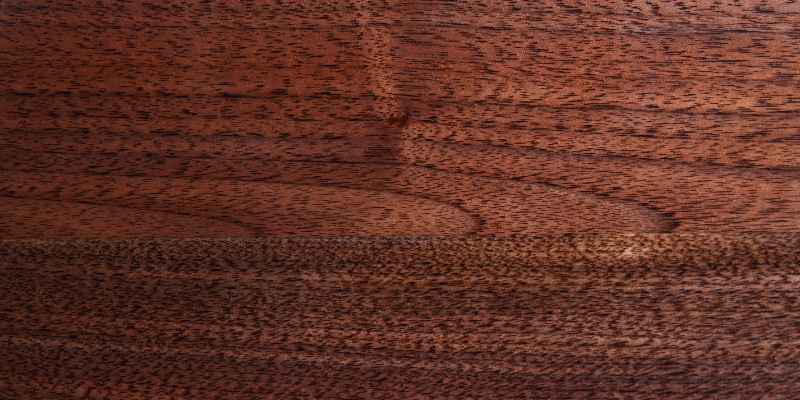
Mahogany wood is known for its stunning grain patterns. The grain tells a unique story. Each piece has different textures and colors. Let’s dive into the beauty of mahogany wood grain.
Patterns Of Beauty
Mahogany wood features striking patterns that captivate many. The grain can range from straight to wavy. Here are some common patterns:
- Straight Grain: Smooth and uniform lines.
- Interlocked Grain: Waves and curves create depth.
- Figured Grain: Unique shapes resembling eyes or flames.
These patterns enhance the wood’s natural appeal. They make each piece special. Craftsmen often highlight these patterns in furniture and decor.
Texture Variations
The texture of mahogany wood can vary greatly. It ranges from fine to coarse. Here are key texture types:
| Texture Type | Description |
|---|---|
| Fine Texture | Smooth to the touch, ideal for polishing. |
| Medium Texture | Balanced feel, works well for various finishes. |
| Coarse Texture | Rougher feel, perfect for rustic designs. |
Each texture type plays a role in the overall look. Fine textures shine with polish. Coarse textures add character and warmth.
Mahogany wood grain offers beauty and versatility. It suits many styles, from classic to modern.
Mahogany In Design
Mahogany wood has been a favorite in design for centuries. Its rich color and unique grain create stunning visuals. Designers and architects admire its versatility and durability. From furniture to architectural details, mahogany adds a touch of luxury.
Elegance In Interiors
Mahogany brings warmth and sophistication to any interior space. Its deep hues make rooms feel inviting. Here are some ways mahogany enhances interior design:
- Furniture: Mahogany tables and chairs are timeless.
- Cabinetry: Stunning cabinets showcase intricate grain patterns.
- Flooring: Mahogany floors offer durability and beauty.
Mahogany blends well with various styles. It complements both traditional and modern designs. The unique grain patterns create focal points in any room.
Style In Architecture
Mahogany is not just for interiors. It plays a significant role in architecture. Its strength makes it suitable for many structures. Here are some architectural applications:
| Application | Description |
|---|---|
| Doors: | Sturdy and beautiful, mahogany doors make a statement. |
| Windows: | Wooden frames enhance aesthetics while providing insulation. |
| Trim: | Intricate moldings add character to any building. |
Mahogany’s rich tones and textures elevate architectural designs. It creates an impression of elegance and refinement.
Craftsmanship And Mahogany
Mahogany wood is famous for its beauty and strength. Craftsmen love working with it. The rich, warm tones and stunning grain patterns create exquisite pieces. Fine craftsmanship shines through in every mahogany creation.
Art Of Woodworking
The art of woodworking with mahogany requires skill and patience. Craftsmen use various techniques to highlight the wood’s natural beauty.
- Selection: Choose high-quality mahogany for the best results.
- Shaping: Use precise tools to shape the wood smoothly.
- Joinery: Employ strong joints to ensure durability.
- Detailing: Add intricate carvings for added elegance.
Each step requires focus and expertise. The final product showcases the unique characteristics of mahogany.
Finishing Techniques
Finishing mahogany enhances its natural beauty and protects the wood. Several techniques can achieve stunning results.
| Technique | Description |
|---|---|
| Staining | Enhances the color and depth of the grain. |
| Varnishing | Adds a protective layer and glossy finish. |
| Oiling | Brings out the wood’s natural luster and grain. |
| Waxing | Provides a soft sheen and smooth touch. |
Each technique offers unique advantages. Craftsmen often combine methods for the best effect. The result is a beautiful, long-lasting finish.
Sustainability And Sourcing
Mahogany wood is prized for its beauty and durability. Its stunning grain texture adds elegance to any space. Sustainable sourcing is vital for preserving this natural resource. Responsible practices ensure mahogany remains available for future generations.
Responsible Harvesting
Responsible harvesting practices help protect mahogany forests. Key points include:
- Selective Logging: Only mature trees are cut down.
- Replanting: New trees are planted to replace those removed.
- Forest Management: Careful monitoring of forest health is essential.
This approach maintains biodiversity. It also supports local communities that depend on these forests.
Certification And Trade
Certifications ensure that mahogany is sourced ethically. Notable certifications include:
| Certification | Description |
|---|---|
| FSC (Forest Stewardship Council) | Promotes responsible management of forests worldwide. |
| PEFC (Programme for the Endorsement of Forest Certification) | Focuses on sustainable forest practices. |
Buying certified mahogany supports ethical trade. It ensures that forests remain healthy and productive.
Maintenance Of Mahogany Surfaces
Maintaining mahogany surfaces ensures their beauty and longevity. Proper care preserves the wood grain and color. Regular maintenance keeps your furniture and fixtures looking stunning.
Preservation Tips
- Dust Regularly: Use a soft, dry cloth to remove dust.
- Avoid Water: Keep surfaces dry. Water can warp the wood.
- Use Coasters: Protect against heat and moisture from drinks.
- Keep Away from Direct Sunlight: UV rays can fade the color.
- Apply Wood Oil: Use a high-quality oil every few months.
Restoration Practices
Restoring mahogany surfaces can revive their original charm. Follow these simple steps:
- Clean the Surface: Use a gentle cleaner and a soft cloth.
- Sand the Area: Lightly sand to remove scratches.
- Apply Stain: Use a matching stain for uniform color.
- Finish with Varnish: Seal the wood to protect it.
Consider these tips for effective restoration:
| Tip | Description |
|---|---|
| Test Products | Always test cleaners and stains on a small area first. |
| Use Soft Materials | Avoid abrasive cloths to prevent scratching. |
Mahogany Across Cultures
Mahogany wood holds a special place in many cultures. Its rich color and beautiful grain texture make it a favorite for furniture and art. This wood symbolizes luxury and craftsmanship worldwide. Cultures have used mahogany in various ways throughout history.
Historical Significance
Mahogany has deep roots in history. Ancient civilizations valued it for its beauty and durability. Here are some key points:
- Ancient Egypt: Used mahogany for tombs and furniture.
- Colonial America: Craftsmen built high-quality furniture.
- Caribbean Islands: Mahogany trees were abundant and sacred.
- Renaissance Europe: Symbol of wealth and status.
Mahogany’s smooth texture and rich color made it popular. It became a symbol of luxury and good taste.
Contemporary Uses
Today, mahogany remains popular in various fields. Its beauty and strength make it ideal for many applications. Here’s how people use it:
| Application | Description |
|---|---|
| Furniture | Used for tables, chairs, and cabinets. |
| Musical Instruments | Commonly used for guitars and pianos. |
| Boat Building | Highly resistant to water damage. |
| Decorative Items | Used for carvings and art pieces. |
Mahogany continues to be a preferred choice. Its cultural significance and modern uses highlight its enduring appeal.
Future Of Mahogany
The future of mahogany wood holds great promise. Innovations in usage and conservation efforts shape its sustainability. As demand grows, responsible practices emerge.
Innovations In Use
New technologies enhance the use of mahogany. Designers and builders explore creative applications.
- Furniture: Unique designs and forms
- Musical Instruments: Rich sound quality
- Flooring: Durable and stylish
- Decorative Items: Eye-catching art pieces
Innovations include engineered mahogany. This method uses less wood while maintaining quality. It reduces waste and environmental impact.
Conservation Efforts
Conservation is vital for mahogany’s future. Various organizations work to protect this valuable resource.
| Organization | Focus Area |
|---|---|
| WWF | Forest preservation |
| Rainforest Alliance | Sustainable practices |
| FSC | Certification for sustainability |
Education plays a key role in conservation. Awareness programs help communities understand the importance of mahogany. Supporting sustainable sources ensures future availability.
Frequently Asked Questions
What Is Mahogany Wood Grain Texture Like?
Mahogany wood features a rich, straight grain with a fine, even texture. It can exhibit a beautiful reddish-brown color that deepens over time. This appealing appearance makes it a popular choice for furniture and cabinetry. The grain often displays a subtle luster, adding elegance to any project.
How Durable Is Mahogany Wood?
Mahogany wood is highly durable and resistant to decay. Its density provides excellent strength, making it suitable for high-quality furniture. It withstands wear and tear well, ensuring longevity. With proper care, mahogany can last for generations, making it a smart investment for any home.
Can Mahogany Wood Be Stained Or Finished?
Yes, mahogany wood can be easily stained or finished. Its natural beauty enhances various finishes, from clear coats to rich stains. This versatility allows homeowners to customize the wood’s appearance to match their decor. Always test the finish on a small area first for the best results.
What Are Common Uses For Mahogany Wood?
Mahogany wood is commonly used for furniture, cabinetry, and musical instruments. Its attractive grain and durability make it ideal for high-end applications. Additionally, it is often used in boat building due to its resistance to moisture. Mahogany adds a touch of luxury to any project.
Conclusion
Mahogany wood grain texture is a stunning choice for various projects. Its rich colors and unique patterns enhance any space. Whether used in furniture or cabinetry, mahogany adds elegance and warmth. Choosing this wood not only elevates aesthetics but also ensures durability.
Embrace the beauty of mahogany for your next design endeavor.