Mahogany Veneer Sheets: Backing, Sizes & Real Prices
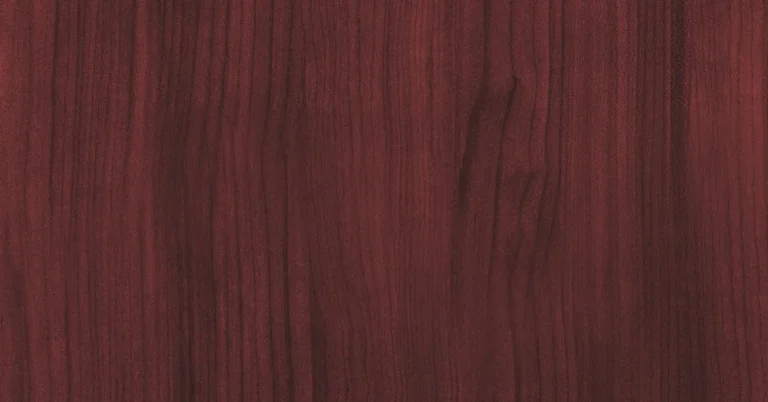
Mahogany wood veneer sheets are thin slices of real mahogany — usually 1/40″ to 1/25″ thick — bonded to a paper, wood, or peel-and-stick backing, not solid lumber. Most veneer sold as “mahogany” today is African (Khaya), since true Honduran mahogany is now commercially scarce. This guide covers real backing types, standard sheet sizes and prices, species authenticity, and how to apply a sheet without splitting the face veneer.
Quick Answer
Mahogany veneer sheets come in three backings — 10-mil paper (flexible, needs contact cement), 1/25″ wood-on-wood (rigid, absorbs glue better), and peel-and-stick (fastest, no adhesive needed) — in standard sizes from 24×48″ to 4×10 ft, running roughly $25 to $140 per sheet depending on size and grade.
The Allure of Mahogany Wood
Best Mahogany Veneer Sheet Pick
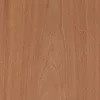
Edge Supply Peel & Stick Mahogany Veneer, 24×48″
Self-adhesive backing — no contact cement, no clamps, just press and roll.
- Best for: first-time veneer projects and small panels
- Why we picked it: lowest-skill entry point in this whole category — no adhesive mixing or press time
- Main drawback: peel-and-stick bonds are less forgiving of surface dust than contact cement
Compare more mahogany veneer sheet options
 Option 1 Edge Supply Paper-Back Veneer, 24×48″, A Grade
|
 Option 2 WoodPress Mahogany Veneer, US Letter, 6-Pack
|
 Option 3 Edge Supply Paper-Back Veneer, 48×96″ Full Sheet
|
As an Amazon Associate we earn from qualifying purchases.
Mahogany has been prized by furniture makers and shipbuilders since the 17th century for its straight, fine grain and reddish-brown color that deepens with age and light exposure. Veneer sheets let you get that same look on cabinets, doors, and accent panels without paying solid-lumber prices — see our full mahogany wood hub for species ID and finishing guides.
What Is Wood Veneer, and How Is It Made?
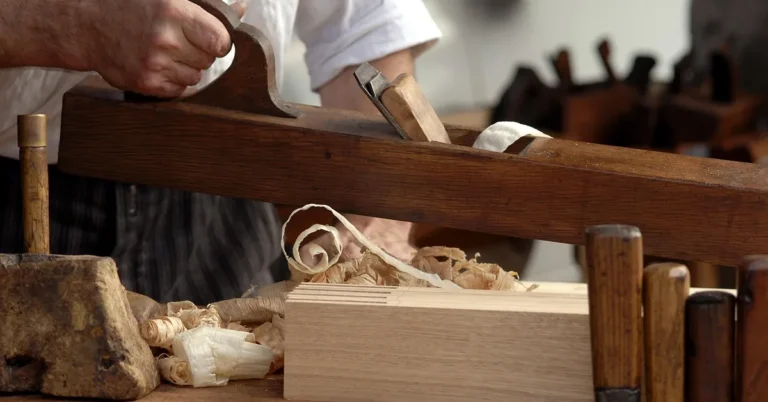
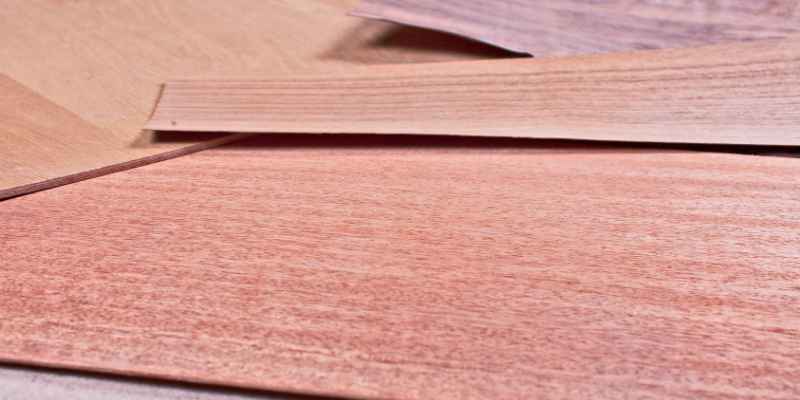
Wood veneer is a thin slice of real wood, generally under 3mm (about 1/8″) thick, peeled or sliced from a log and bonded to a backing or substrate. It gives you the actual grain and color of the species at a fraction of the material cost and weight of solid lumber.
How Veneer Sheets Are Produced
- Log selection and steaming: logs are steamed to soften fibers before cutting.
- Slicing or rotary cutting: flat slicing preserves a straight grain; rotary cutting produces wide, cheaper sheets with a more figured pattern.
- Drying and backing: sheets are dried flat, then bonded to paper, wood, or adhesive backing so they don’t crack when handled.
Veneer vs. Solid Mahogany
| Feature | Veneer Sheet | Solid Mahogany |
|---|---|---|
| Cost per sq. ft. | $1–$5 | $8–$20+ |
| Weight | Lighter — ships flat | Heavy, bulky |
| Repairability | Can chip or lift at edges if glued poorly | Can be sanded/re-cut many times |
| Best for | Panels, cabinet fronts, flat surfaces | Load-bearing legs, carved details |
Is It Real Mahogany? Species and Authenticity
“Mahogany” on a veneer label almost always means one of three species, and the difference matters for both looks and legality. Genuine Honduran/Cuban mahogany (Swietenia macrophylla) has been so heavily over-harvested that it’s listed under CITES Appendix II — nearly all of it sold today is reclaimed or plantation-grown, and it’s effectively commercially scarce. Most “mahogany” veneer on the market is African mahogany (Khaya), which is not a true Swietenia species but shares the color and workability.
| Variety | Color | Grain | Availability |
|---|---|---|---|
| Honduran/Cuban (genuine) | Rich reddish-brown | Straight, interlocked | CITES-restricted, commercially scarce |
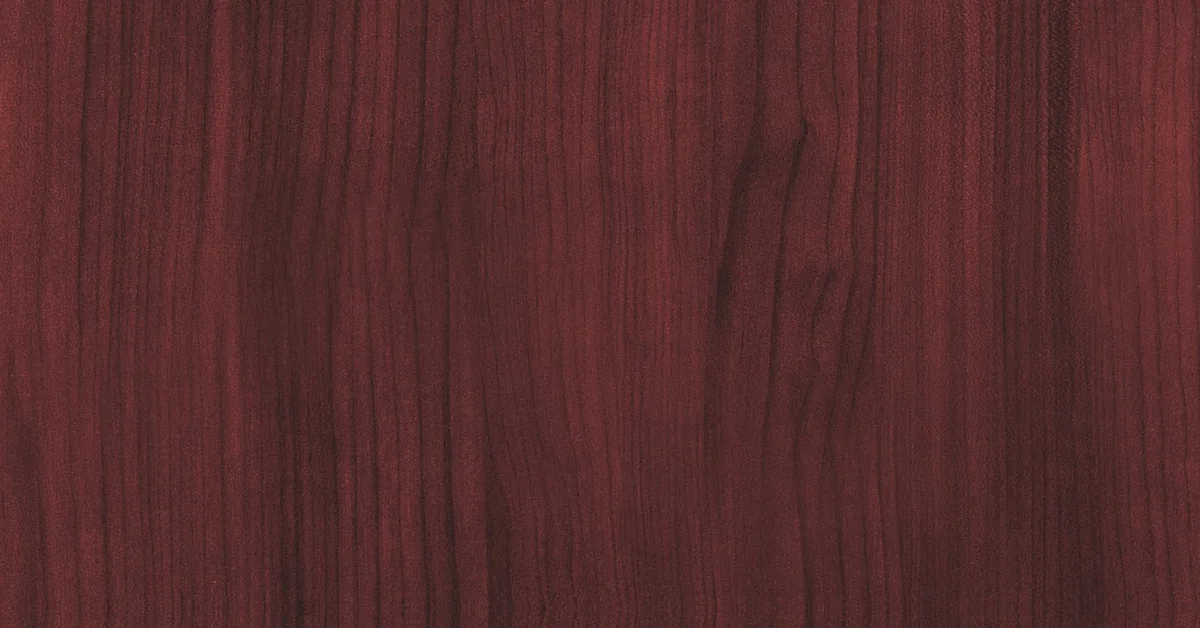
| African (Khaya) | Darker reddish-brown | Wavy, ribbon-figured | Widely available, most common today |
| Philippine (Meranti/Luan) | Light to medium brown | Fine, straight | Not a true mahogany, sold as budget substitute |
If a listing just says “mahogany veneer” with no species named, assume it’s African mahogany — that’s not a downgrade for furniture work, but know what you’re paying for before comparing prices between suppliers. For a deeper breakdown of grain patterns by species, see our mahogany wood types guide.
Veneer Sheet Backing, Thickness & Size Guide
The backing type determines how you’ll apply the sheet and what tools you need — this is the detail most buying guides skip, and it’s the one that decides whether your first attempt goes smoothly.
| Backing | Thickness | Application | Best For |
|---|---|---|---|
| Paper (10 mil) | ~1/40″ | Contact cement, two coats | Curved or wrapped surfaces |
| Wood-on-wood | ~1/25″ (0.025″) | Contact cement or PVA + press/clamps | Flat panels, cabinet doors, beginners |
| Peel-and-stick (PSA) | ~0.025″ total | No liquid glue — press and roll | Small repairs, first-time projects |
📊 Standard sheet sizes run 24×48″ up to 4×10 ft, and real market prices for A-grade mahogany veneer range from about $25 for a small craft pack to $140+ for a full 48×96″ paper-backed sheet. — Source: Oakwood Veneer Company and Amazon marketplace listings, 2026
Benefits of Mahogany Veneer Sheets
Wood-backed and paper-backed veneer resist warping better than solid boards because the backing stabilizes the thin face — but it can still chip at an unsupported edge, so always glue veneer over a substrate, never leave an edge floating.
- Cost: roughly a fifth of solid mahogany per square foot for a comparable look.
- Consistency: a full sheet gives matching grain across a whole cabinet front, which solid boards rarely do.
- Lighter substrates possible: plywood or MDF cores stay lighter than an equivalent solid-mahogany panel.
Designing With Mahogany Veneer
Veneer sheets work in traditional, modern, and rustic interiors alike because the warm reddish tone blends with most existing wood tones and metals. Popular applications include accent walls, cabinet fronts, and door and window frame overlays — anywhere a large, matched-grain flat surface reads better than pieced-together solid boards.
How to Install Mahogany Veneer Sheets
Installing mahogany veneer sheets is straightforward once you match the adhesive to the backing type from the table above. Follow these steps for a flat panel:
- Prep the surface: remove dust and debris, fill any holes or gouges, and sand the substrate lightly so the glue has tooth.
- Apply adhesive: contact cement for paper- and wood-backed sheets (two coats, let flash dry before joining); skip this step entirely for peel-and-stick.
- Press and roll: starting from one edge, press the veneer down and roll outward with a J-roller to force out air bubbles — don’t drag the sheet once it contacts the glue.
- Trim the edges: score lightly with a sharp utility knife, then snap or pull the offcut away rather than sawing through it.
- Finish: sand lightly with 220-grit (never through the face — veneer is thin enough to sand through in seconds), then apply varnish, lacquer, or oil — see our mahogany finishing guide for product-specific instructions.
“The mistake I see most often on veneer sheets is sanding through the face at an edge or a joint — at 1/40″ thick, two or three extra passes with 220-grit is all it takes to cut straight through to the substrate. Sand flat, check often, and stop as soon as the surface looks even.”
Care and Maintenance of Veneer Surfaces
Mahogany wood veneer needs the same light-touch care as any fine finish — the risk is over-wetting the thin face, which can loosen the bond at an edge.
- Dust with a soft, dry cloth; use a barely-damp cloth for deeper cleaning and dry immediately.
- Use coasters and avoid hot items directly on the surface.
- Keep out of direct sunlight where possible — UV exposure changes color unevenly across a panel.
| Damage | Repair method |
|---|---|
| Small scratch | Matching wood stain or touch-up marker |
| Large scratch/chip | Wood filler, sand, then stain to match |
| Lifted/loose edge | Re-glue with wood glue or contact cement and clamp until dry |
Sustainable Sourcing: What Certifications Mean
Because genuine Honduran mahogany is CITES-restricted, certification matters more here than for most species. Look for FSC (Forest Stewardship Council) or PEFC labeling on the supplier listing, which indicates the wood was legally and sustainably harvested rather than sourced from illegal logging — a real risk category for tropical hardwoods.
Looking for the bigger picture on mahogany as a material rather than just the veneer-sheet format? See our general guide to mahogany wood veneer for cost comparisons, historical use, and design trends beyond sheet buying.
Frequently Asked Questions
What thickness should I buy for a cabinet door?
Use a wood-backed sheet (about 1/25″ / 0.025″) for cabinet doors and other flat panels — it’s rigid enough to resist telegraphing substrate imperfections and absorbs contact cement more evenly than thin paper backing. Reserve the thinner 10-mil paper-backed sheets for curved or wrapped surfaces where flexibility matters more than rigidity.
Is mahogany veneer real wood?
Yes. Veneer is a thin slice cut directly from a real log, not a printed or laminate imitation — it sands, stains, and finishes like solid wood because it is solid wood, just thin. What varies is the species: most veneer labeled “mahogany” is African (Khaya) rather than genuine Honduran mahogany.
Can I still buy genuine Honduran mahogany veneer?
It’s available but limited — genuine Honduran/Cuban mahogany is CITES Appendix II–listed due to over-harvesting, so legal supply comes mainly from certified plantation stock or reclaimed lumber, and it costs noticeably more than African mahogany veneer of comparable grade.
How is mahogany veneer different from solid wood?
Veneer is a thin real-wood layer bonded to a backing or substrate, while solid wood is a full board. Veneer costs less per square foot, weighs less, and gives more consistent grain matching across a panel, but a lifted edge can chip where solid wood would just need sanding.
Where can I buy mahogany veneer sheets?
Specialty veneer suppliers (Oakwood Veneer, Woodworkers Source) carry the widest range of grades and sizes; Amazon carries paper-backed, wood-backed, and peel-and-stick sheets in standard sizes at generally lower prices for smaller quantities. Confirm the species and backing type before ordering, since listings don’t always specify both clearly.
Conclusion
Mahogany veneer sheets give you real mahogany grain and color at a fraction of solid-lumber cost and weight — the details that actually determine a good outcome are backing type, sheet size, and confirming which mahogany species you’re buying. Match the backing to your project, sand carefully, and a veneer panel will hold up for decades.
Sponsored / affiliate links. As an Amazon Associate I earn from qualifying purchases. I may earn additional commission from eligible campaigns.