Mahogany Tree Facts: Height, Growth Rate & CITES Status
Mahogany (Swietenia genus) grows 40 to 75 feet tall on average, though bigleaf mahogany can reach 200 feet in the wild. True Swietenia species have been CITES Appendix II-protected since 2003, while much of what’s sold as “African” or “Philippine mahogany” is a different genus entirely. This guide covers real height and growth-rate numbers, the three true mahogany species, and how the wood becomes furniture.
Quick Answer
Mahogany is tropical hardwood from the Swietenia genus, native to Central America, South America, and the Caribbean. Trees average 40–75 feet tall, mature around 25 years, and produce reddish-brown wood used for furniture, cabinetry, and musical instruments. Only three species are genuine mahogany, and true Swietenia macrophylla has been CITES-protected since 2003.
What Kind of Tree Is Mahogany?
Best Mahogany Finish Restorer Pick

Howard Restor-A-Finish (Mahogany) – $14.98
A wipe-on penetrating restorer made for the exact dark reddish tone of genuine mahogany — matches the furniture-care point above without a full strip-and-refinish job.
- Best for: reviving an existing mahogany finish with water rings or light scratches
- Why we picked it: restores color/luster without removing the original finish, matches mahogany’s tone specifically
- Main drawback: won’t fix deep gouges or bare wood — needs actual finish to blend into
Compare more mahogany stain & finish options
 Option 1 Minwax PolyShades Bombay Mahogany, Satin – $17.62
|
 Option 2 Varathane Red Mahogany Wood Stain – $13.86
|
 Option 3 Tried & True Mahogany Stain & Finish – $34.99
|
As an Amazon Associate we earn from qualifying purchases.
Mahogany is a tropical hardwood tree in the genus Swietenia, part of the mahogany family (Meliaceae). Only three species are genuine mahogany — everything else sold under the name is a different genus with similar-looking wood.
| Species | Common Name | Native Range | Status Today |
|---|---|---|---|
| Swietenia macrophylla | Bigleaf / Honduran mahogany | Mexico to the Amazon basin | Only species still commercially harvested; CITES Appendix II since 2003 |
| Swietenia mahagoni | West Indian / Cuban mahogany | Caribbean islands, south Florida | Historically dominant, now rare after centuries of overharvesting |
| Swietenia humilis | Mexican / Pacific Coast mahogany | Pacific slope of Mexico & Central America | Smaller tree, limited range, not commercially traded |
“African mahogany” (Khaya species) and “Philippine mahogany” (Shorea species, actually meranti) are unrelated genera marketed as mahogany because their wood looks and works similarly — neither is genuine Swietenia. If you want the real wood’s exact grain and hardness numbers, see our full mahogany wood characteristics guide, or check how to identify mahogany wood if you already own an unmarked piece.
How Mahogany Wood Is Used
Mahogany’s straight, fine grain and resistance to warping made it the standard for high-end furniture since the 18th century, when it became a status symbol among European cabinetmakers — see our full history of the mahogany tree for how that reputation formed. That history is still visible in surviving antique pieces today.
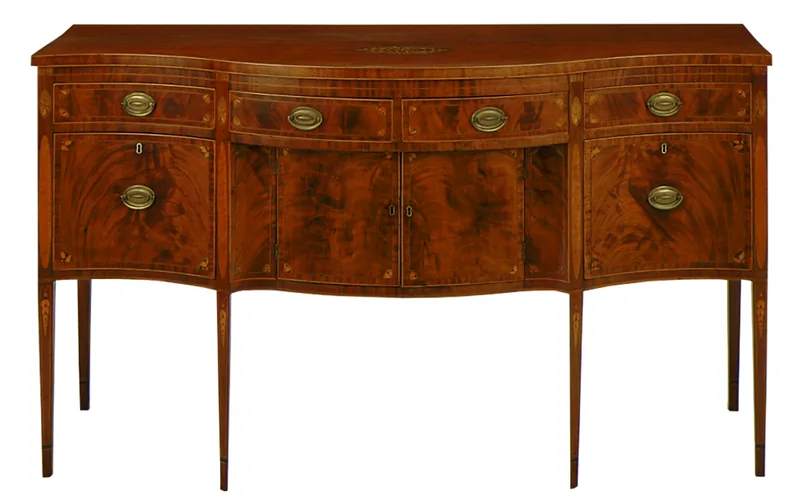
- Furniture & cabinetry: dining tables, chairs, cabinets, and desks that resist warping over decades.
- Musical instruments: guitar necks and backs, piano cases, and drum shells, valued for warm tonal resonance.
- Boat building & veneer: historically used for ship interiors and planking; today mostly veneer over cheaper substrates.
“Genuine mahogany’s buttery workability and stability is why it remained the standard for hand-carved furniture details long after other tropical hardwoods became available.”
If you own mahogany furniture, the wood’s original finish can usually be revived without a full refinish — a penetrating restorer blends out water rings and light scratches in minutes, and a matching stain lets you touch up bare spots without stripping the whole piece.
How Tall Does a Mahogany Tree Grow?
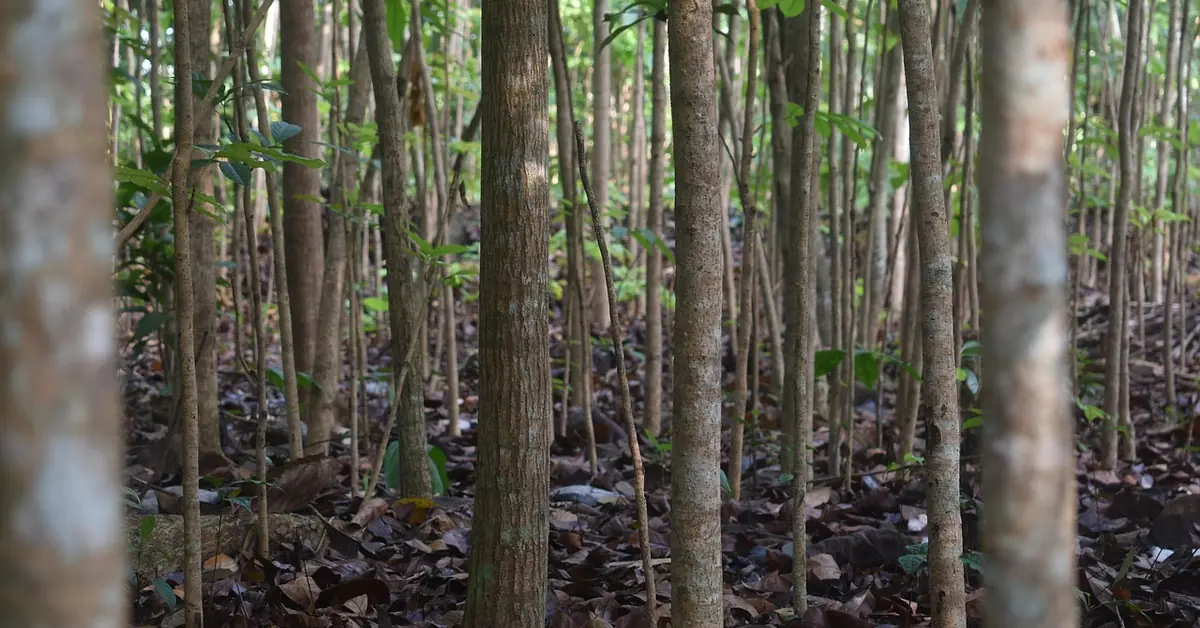
Mahogany trees average 40 to 75 feet tall with a similar-width crown, though bigleaf mahogany (Swietenia macrophylla) can reach 200 feet in undisturbed rainforest, with trunks 3 to 4.5 feet in diameter. Most cultivated and plantation trees stay well under that maximum.
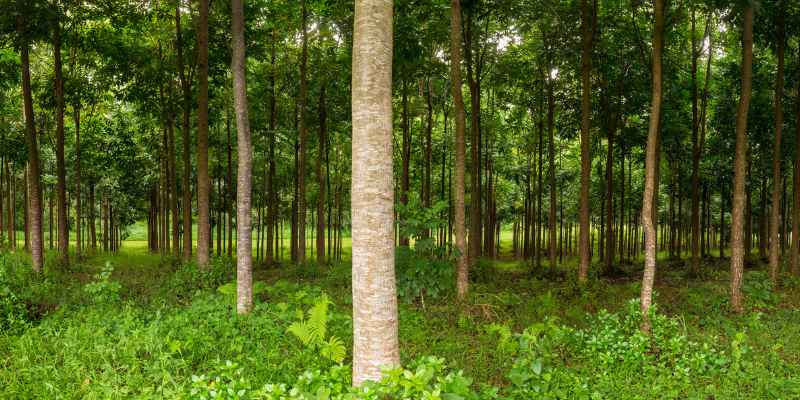
📊 Bigleaf mahogany’s trunk diameter grows roughly 1 to 2 cm per year, with faster growth in wetter years — Source: USDA Forest Service Research, big-leaf mahogany growth studies
Mahogany Tree Growth Stages and Lifecycle
A mahogany tree’s path from seed to seed-producing adult takes decades, which is exactly why overharvesting depletes wild populations faster than they can recover.
- Seed stage: winged seeds need moist, well-drained soil to germinate; germination is slow and uneven in the wild.
- Seedling stage: young trees need consistent moisture and sunlight; drought is the most common cause of seedling loss.
- Juvenile stage: trunk thickens and the tree gains height quickly for several years as it competes for canopy light.
- Flowering stage: trees begin producing small flowers and seed pods around 10 to 15 years old — the first point they can reproduce.
- Maturity: full height and trunk diameter are typically reached around 25 years, though growth continues more slowly after that.
Cultivation challenges track the same timeline: young trees need pest monitoring and consistent watering, while mature trees mainly need protection from illegal logging in their native range.
Where Does the Mahogany Tree Grow?
Mahogany is native to Central America, the Amazon basin of South America, and the Caribbean islands, thriving in warm, humid climates with well-drained soil. In the United States, it grows outdoors only in USDA zones 10 and 11 — effectively south Florida, where Swietenia mahagoni is naturalized. Plantations have since expanded the tree’s range to parts of Asia, including the Philippines and Indonesia, to meet furniture-industry demand.
For a full country-by-country breakdown of native versus plantation ranges, see our dedicated guide on where mahogany wood is found.
Is Mahogany Endangered? CITES Status and Sustainable Harvesting
Bigleaf mahogany (Swietenia macrophylla) has been listed on CITES Appendix II since November 2003, meaning international trade in its logs, sawn wood, veneer, and plywood is regulated to prevent the species being harvested faster than it can regenerate. West Indian mahogany (S. mahagoni) is already rare in the wild after centuries of overharvesting, which is why almost all mahogany lumber sold today is the Honduran/bigleaf species.
Two certifications let buyers verify a supplier is complying with sustainable-harvest rules rather than sourcing illegally logged wood:
| Certification | What It Verifies |
|---|---|
| FSC (Forest Stewardship Council) | Chain-of-custody tracking from a responsibly managed forest to the finished board |
| PEFC (Programme for the Endorsement of Forest Certification) | Independently audited sustainable forest management, recognized globally |
Buying certified mahogany, and confirming CITES export paperwork on any bigleaf mahogany lumber, is the practical way to support the species instead of contributing to the illegal logging that got it CITES-listed in the first place.
Frequently Asked Questions
What is mahogany wood used for?
Mahogany is prized for furniture, cabinetry, and musical instruments because its straight grain resists warping over decades. It was also historically used in shipbuilding and remains common as veneer over cheaper substrates in modern furniture.
How tall can a mahogany tree grow?
Mahogany trees average 40 to 75 feet tall with a similar crown spread. Bigleaf mahogany can reach 200 feet in undisturbed rainforest, with trunks 3 to 4.5 feet in diameter, though most cultivated trees stay well below that maximum.
How long does it take for a mahogany tree to mature?
Mahogany trees typically reach full height and trunk diameter around 25 years old. They begin flowering and producing seed pods earlier, around 10 to 15 years, but growth and wood density continue developing until full maturity.
Is the mahogany tree endangered?
Bigleaf mahogany has been regulated under CITES Appendix II since November 2003 because overharvesting outpaced its slow, decades-long regeneration cycle. West Indian mahogany is already rare in the wild. Buying FSC or PEFC-certified lumber supports legal, sustainable harvesting.
Where does the mahogany tree grow?
Mahogany is native to Central America, the Amazon basin, and the Caribbean, and grows outdoors in the US only in USDA zones 10 and 11 (south Florida). Plantations in the Philippines and Indonesia now supply additional lumber for the furniture industry.
What’s the difference between true mahogany and African or Philippine mahogany?
True mahogany belongs only to the genus Swietenia. “African mahogany” (Khaya species) and “Philippine mahogany” (Shorea species, actually meranti) are unrelated trees marketed under the mahogany name because their wood looks and works similarly, not because they’re the same species.
Conclusion
Mahogany’s reputation rests on real numbers, not just marketing language: trees that reach up to 200 feet in the wild, wood durable enough to survive centuries in antique furniture, and a slow 25-year growth cycle that is exactly why the trade is now CITES-regulated. Choosing FSC or PEFC-certified lumber, and knowing the difference between genuine Swietenia and marketing names like African or Philippine mahogany, is how you get the real wood while supporting the species’ recovery.
Sponsored / affiliate links. As an Amazon Associate I earn from qualifying purchases. I may earn additional commission from eligible campaigns.