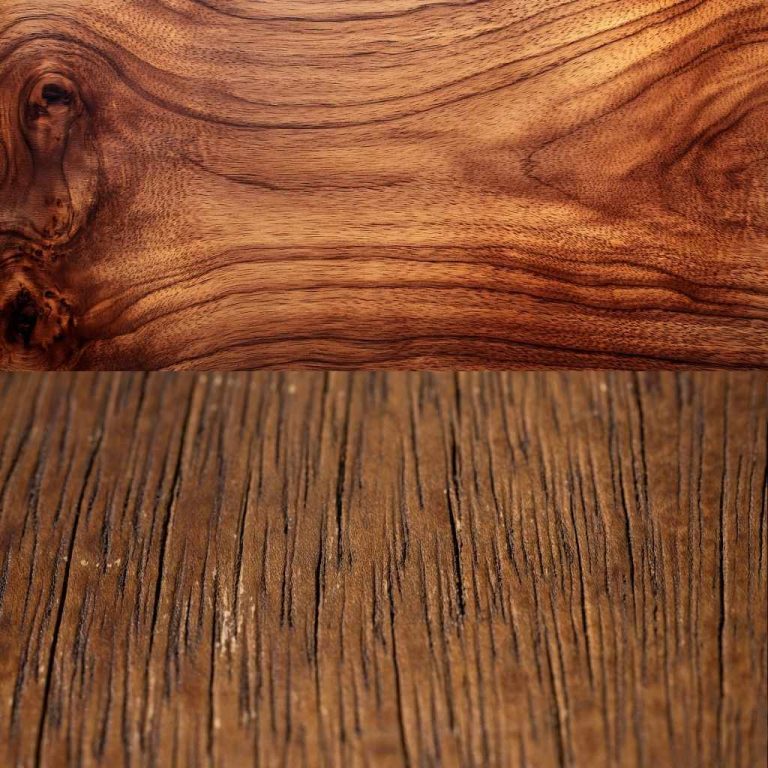
Mahogany Wood Guitar Magic: Strumming with Elegance
Mahogany wood guitars are renowned for their rich tones and warm sound. This hardwood offers excellent resonance and durability, making it a favorite among musicians.
Mahogany has long been a top choice for guitar makers. Its unique characteristics contribute to a warm, balanced sound that appeals to various genres. The wood’s natural beauty, with its deep, reddish-brown hues, adds aesthetic value to any instrument. Mahogany guitars often feature a solid top, enhancing their tonal richness.
They provide a smooth playing experience, making them ideal for both beginners and seasoned players. The combination of sound quality and visual appeal makes mahogany a standout option in the guitar world. Investing in a mahogany wood guitar can elevate your musical journey significantly.
The Allure Of Mahogany Wood
Mahogany wood is a favorite among guitar makers. Its unique qualities create stunning instruments. Musicians love its warm tones and rich colors. Let’s explore why mahogany wood captivates so many.
Warm Tones And Rich Sounds
Mahogany wood offers a special sound profile. Here are its key features:
- Warmth: Produces mellow, rounded tones.
- Richness: Enhances depth in sound.
- Projection: Delivers strong sound in various settings.
- Sustain: Holds notes longer for better performance.
Many musicians prefer mahogany for its ability to blend well with other instruments. This wood helps create a balanced sound, perfect for various music styles.
Aesthetic Appeal And Durability
Mahogany wood is not just about sound. It also looks stunning. Here’s what makes it visually appealing:
- Rich Color: Deep reddish-brown hue.
- Grain Patterns: Unique and beautiful variations.
Durability is another big plus. Mahogany is resistant to wear and tear. It withstands changes in temperature and humidity. This makes it a long-lasting choice for guitars.
The combination of beauty and strength makes mahogany a top choice. Musicians appreciate both the sound and the look of their instruments.
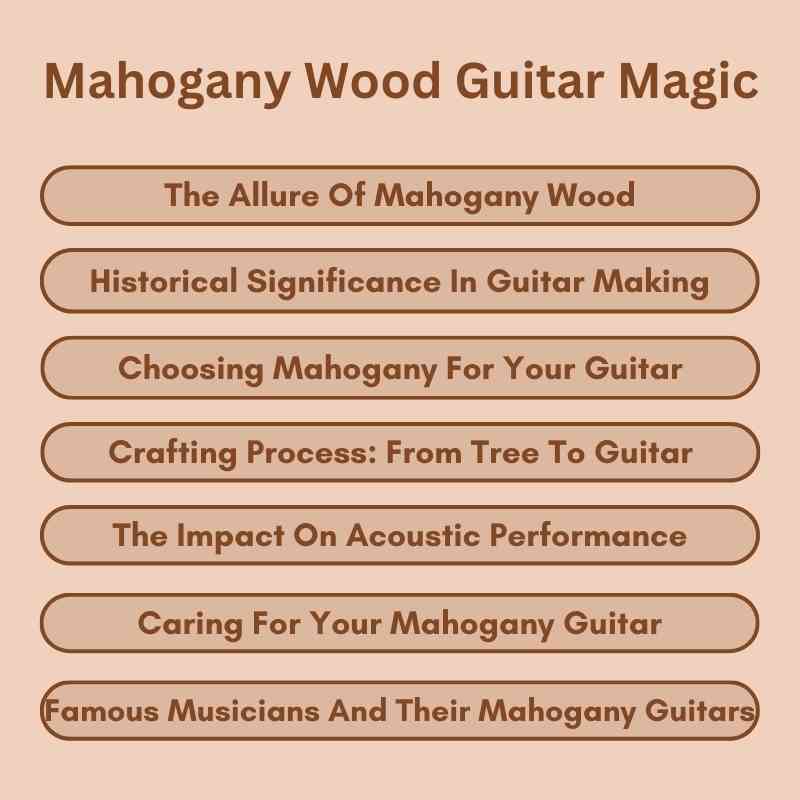
Historical Significance In Guitar Making
Mahogany wood has played a crucial role in the history of guitar making. Its unique properties make it a favorite among luthiers. Musicians love its warm tone and beautiful appearance. Understanding its historical significance helps us appreciate modern guitars.
Early Uses Of Mahogany
Mahogany’s story in guitar making dates back to the late 1800s. Early guitar makers sought durable and attractive wood. Mahogany was an excellent choice for both acoustic and electric guitars. Its strength and resonance made it popular.
- Acoustic Guitars: Used for the back and sides.
- Electric Guitars: Often used for bodies.
- Furniture: First used in furniture making.
Many iconic guitar brands embraced mahogany. These brands shaped the sound of modern music. Mahogany contributed to the unique tonal qualities of these instruments.
Evolution In Craftsmanship
As guitar making evolved, so did the techniques. Luthiers began to understand mahogany’s full potential. They experimented with different styles and designs.
| Era | Craftsmanship Style | Impact on Sound |
|---|---|---|
| Late 1800s | Handcrafted | Warm and rich |
| Mid 1900s | Mass production | Consistent tone |
| Modern Era | Custom builds | Enhanced clarity |
Today, luthiers continue to innovate. They combine traditional methods with modern technology. This evolution keeps mahogany relevant in guitar making.
- Artistry: Each guitar is a unique work of art.
- Sound Quality: Better techniques enhance tonal range.
- Sustainability: Focus on responsible sourcing of mahogany.
Choosing Mahogany For Your Guitar
Mahogany is a popular choice for guitar makers. Its unique qualities enhance sound and aesthetics. This wood is favored for both acoustic and electric guitars. Let’s explore its sound and visual characteristics.
Sound Characteristics
Mahogany wood offers a warm and rich tone. It produces a balanced sound with strong midrange frequencies. Here are some key sound features:
- Warmth: Mahogany adds warmth to your music.
- Projection: It has good sound projection.
- Sustain: This wood provides excellent sustain.
- Versatility: Suitable for various music styles.
Guitarists often appreciate the deep resonance of mahogany. It blends well with other tonewoods, enhancing overall sound quality.
Visual Characteristics
Mahogany has stunning visual features. Its grain patterns and color make each guitar unique. Here are some visual traits:
| Feature | Description |
|---|---|
| Color | Rich reddish-brown hue. |
| Grain | Straight, uniform grain patterns. |
| Finish | Looks great with both matte and glossy finishes. |
Guitars made from mahogany stand out visually. They can complement any musician’s style and stage presence.
Crafting Process: From Tree To Guitar
Creating a Mahogany wood guitar is an art. It starts with selecting the right wood. Each step in the process is crucial. Quality wood leads to better sound and durability. Let’s explore how this beautiful instrument comes to life.
Selecting The Wood
The selection of Mahogany wood is vital. It is known for its rich tones and strength. Here are key factors in choosing the right wood:
- Grain Pattern: A straight grain is preferred.
- Moisture Content: Ideal moisture levels enhance sound quality.
- Color: Deep reddish-brown hues indicate quality.
- Age: Older wood often sounds better.
Craftsmen inspect each piece carefully. Only the best pieces are selected. This ensures a quality instrument.
Shaping And Construction
Once the wood is selected, the shaping begins. The process involves several steps:
- Cutting: The wood is cut into manageable pieces.
- Shaping: The body and neck are shaped using specialized tools.
- Assembly: Different parts are joined together.
- Finishing: A protective finish is applied for beauty and durability.
Each step requires skill and precision. Craftsmen use both traditional and modern techniques. The right tools ensure accuracy. The final product is a stunning Mahogany guitar.
| Step | Description |
|---|---|
| Cutting | Wood is cut into smaller sections. |
| Shaping | Craftsmen shape the body and neck. |
| Assembly | Parts are carefully put together. |
| Finishing | A protective coat is applied. |
The craftsmanship makes each guitar unique. Mahogany wood guitars are treasured by musicians. They offer beautiful sound and stunning looks.
The Impact On Acoustic Performance
Mahogany wood plays a crucial role in shaping a guitar’s sound. Its unique properties affect both resonance and sustain. Musicians often choose mahogany for its warm tones and rich character.
Resonance And Sustain
Mahogany offers a distinctive sound profile. Here are key points about its resonance and sustain:
- Warm Sound: Mahogany produces a rich, warm tone.
- Deep Resonance: It enhances lower frequencies effectively.
- Excellent Sustain: Notes ring out longer, creating depth.
This wood absorbs vibrations well, leading to a fuller sound. Musicians appreciate the clarity it brings to their music.
Comparison With Other Woods
Different woods create varied acoustic experiences. Here’s a comparison of mahogany with other popular guitar woods:
| Wood Type | Sound Characteristics | Resonance | Sustain |
|---|---|---|---|
| Mahogany | Warm, mellow, and rich | Deep resonance | Long sustain |
| Spruce | Bright and clear | High resonance | Moderate sustain |
| Cedar | Soft and warm | Good resonance | Shorter sustain |
Mahogany stands out for its deep resonance and long sustain. This wood is ideal for players seeking warmth and depth in their music. Other woods like spruce offer brightness, while cedar gives a softer tone.
Caring For Your Mahogany Guitar
Mahogany guitars are beautiful instruments. They require special care to maintain their quality. Proper maintenance keeps your guitar sounding great and looking stunning.
Maintenance Tips
Regular maintenance is key. Follow these simple tips to care for your mahogany guitar:
- Clean the body: Use a soft, dry cloth.
- String care: Change strings regularly to avoid rust.
- Humidity control: Keep your guitar in a stable environment.
- Check the neck: Ensure it’s straight and adjust if necessary.
Inspect your guitar often. Look for scratches or dents. Address these issues quickly to avoid further damage.
Longevity Practices
To ensure your mahogany guitar lasts, follow these practices:
| Practice | Description |
|---|---|
| Store properly | Use a hard case or gig bag. |
| Avoid extreme temperatures | Keep away from heat sources and cold drafts. |
| Use a humidifier | Maintain humidity levels between 45-55%. |
| Regular tuning | Tune your guitar before each use. |
These practices help protect the wood. They also enhance the sound quality. Treat your mahogany guitar with love.
Famous Musicians And Their Mahogany Guitars
Mahogany wood guitars are beloved by many famous musicians. Their warm tone and rich sound make them perfect for various music styles. Artists choose these guitars for their unique qualities. Let’s explore some iconic performances and personal preferences of legendary musicians.
Iconic Performances
Many unforgettable performances feature mahogany guitars. Here are a few notable examples:
- Eric Clapton – His acoustic performances often showcase a mahogany guitar. The warm tones enhance his bluesy style.
- James Taylor – Known for his soothing melodies, Taylor favors mahogany guitars. They add depth to his music.
- Paul McCartney – McCartney often uses a mahogany bass guitar. It brings a unique sound to his iconic songs.
These musicians have made history with their mahogany guitars. Their performances resonate deeply with audiences worldwide.
Personal Preferences
Musicians have specific reasons for choosing mahogany guitars. Here are some personal preferences:
| Musician | Guitar Model | Why They Choose Mahogany |
|---|---|---|
| Eric Clapton | Martin D-28 | Rich and balanced tone |
| James Taylor | Gibson J-200 | Warmth and resonance |
| Paul McCartney | Höfner 500/1 | Unique, smooth sound |
These artists appreciate the distinct qualities of mahogany wood. It enhances their musical expression and creativity.
Incorporating Mahogany Guitars In Various Music Genres
Mahogany guitars offer a rich and warm tone. Their unique sound makes them versatile for many music styles. Musicians across genres appreciate their flexibility. Let’s explore how mahogany guitars fit into different musical landscapes.
Flexibility In Sound
Mahogany wood brings a balance of warmth and clarity. This quality enhances sound projection. Here’s how it adapts across genres:
| Genre | Sound Characteristics |
|---|---|
| Blues | Rich tones with smooth sustain. |
| Rock | Punchy mid-range with a strong attack. |
| Jazz | Warm and mellow, perfect for improvisation. |
| Folk | Bright, clear tones that resonate well. |
Each genre showcases the versatility of mahogany guitars. Players can adjust their style to fit the sound they want.
Genre-specific Techniques
Different genres require unique playing techniques. Mahogany guitars support these methods effectively.
- Fingerpicking: Common in folk and blues.
- Strumming: Essential for rock and pop songs.
- Flatpicking: Great for bluegrass and country music.
- Slide Guitar: Popular in blues and rock genres.
Each technique highlights the dynamic range of mahogany guitars. Musicians can express their creativity easily.
Future Of Mahogany In Guitar Making
The future of mahogany wood in guitar making is both exciting and challenging. As demand for this rich, warm-toned wood grows, makers face important decisions. Sustainability and innovation will shape the future of mahogany in the music world.
Sustainability Concerns
Mahogany is prized for its beauty and sound. However, its popularity raises sustainability issues. Here are some key concerns:
- Deforestation: Overharvesting threatens mahogany forests.
- Habitat Loss: Wildlife loses homes due to logging.
- Illegal Logging: Unregulated cutting harms ecosystems.
To address these concerns, many companies are adopting sustainable practices:
| Practice | Description |
|---|---|
| Certified Sourcing | Using wood from certified sustainable forests. |
| Replanting | Planting new trees to replace those cut down. |
| Reclaimed Wood | Using old wood to create new instruments. |
Innovations In Material Use
Guitar makers explore alternatives to mahogany. New materials can offer similar tones and looks. Here are some innovations:
- Engineered Woods: These materials mimic mahogany but are more sustainable.
- Composite Materials: Blending different materials for durability and sound.
- Faux Woods: Creating wood-like surfaces from recycled materials.
These innovations help protect natural resources while delivering high-quality instruments. Musicians can enjoy beautiful guitars without harming the environment.
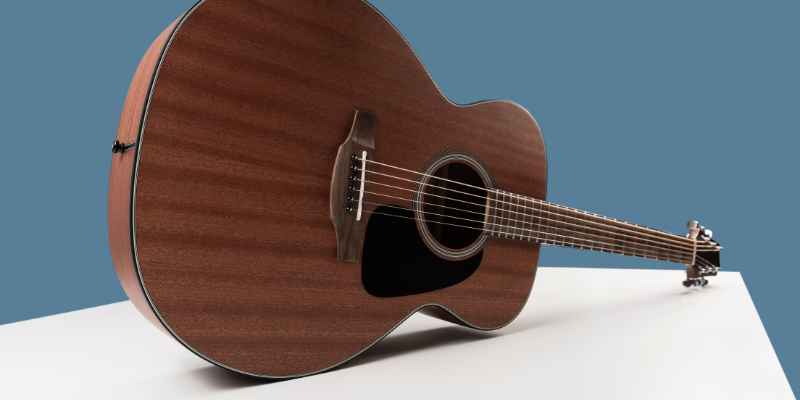
Frequently Asked Questions
What Is Mahogany Wood Used For In Guitars?
Mahogany wood is commonly used for guitar bodies, necks, and backs. Its dense grain offers durability and resonance. This wood produces a warm, rich tone, enhancing the overall sound quality. Many acoustic and electric guitars favor mahogany for its aesthetic appeal and tonal characteristics.
How Does Mahogany Affect Guitar Sound?
Mahogany contributes a warm, mellow tone to guitars. Its unique grain structure helps produce strong mid-range frequencies. This wood enhances sustain while providing a balanced overall sound. Musicians appreciate mahogany for its ability to complement various musical styles effectively.
Is Mahogany A Good Choice For Beginners?
Yes, mahogany is an excellent choice for beginner guitars. Its warm sound and comfortable playability make learning enjoyable. Additionally, mahogany guitars are often more affordable, providing good value. This wood’s durability ensures that beginners can practice without damaging their instrument easily.
How To Maintain A Mahogany Wood Guitar?
To maintain a mahogany guitar, clean it regularly with a soft cloth. Avoid exposing it to extreme temperatures or humidity. Use guitar polish specifically designed for wood finishes. Regularly check for any signs of wear or damage to keep the instrument in top shape.
Conclusion
Mahogany wood guitars offer a unique blend of warmth and richness in sound. Their aesthetic appeal and durability make them a popular choice among musicians. Whether you are a beginner or a seasoned player, a mahogany guitar can elevate your musical experience.
Explore the options available and find your perfect match today.