MDF Panel Guide: Types, Thickness Sizes & Best Uses
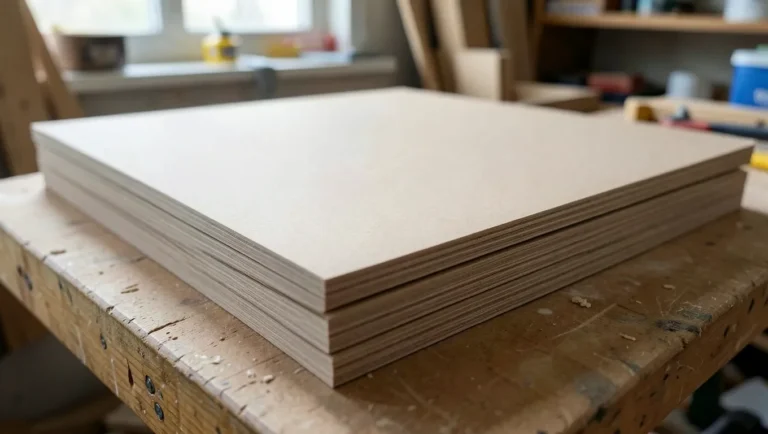
MDF panel (Medium Density Fiberboard) is an engineered wood sheet made of wood fibers bonded with resin under heat and pressure – not a solid board, but it cuts, paints, and holds a screw more predictably than particleboard. Skip the wrong grade and a bathroom cabinet can swell within weeks. This guide covers standard thickness sizes, MDF vs. plywood/particleboard/OSB, moisture-resistant (MR-MDF) options, and real cutting and cost numbers.
Quick Answer
Standard MDF panel comes in 3mm–38mm (about 1/8″–1½”) thicknesses on 4×8-ft sheets and works well for painted cabinets, shelving, and interior trim. For anywhere near moisture – bathrooms, kitchen toe-kicks, exterior trim – use MR-MDF (moisture-resistant, usually green-tinted) instead of standard MDF, and always seal cut edges before painting.
MDF Panel Types & Thickness Sizes
MDF panel is manufactured in nominal thicknesses from about 3mm up to 38mm (roughly 1/8″ to 1½”), sold on standard 4×8-ft sheets, with oversized sheets up to 5×12-ft available from specialty suppliers for seamless runs. The thickness you need depends on the span and load, not just the look – browse our full MDF project guides for thickness picks specific to shelving, trim, and cabinetry.
| Thickness | Typical Use | Notes |
|---|---|---|
| 1/4″ (6mm) | Drawer bottoms, cabinet backs | Flexible, not for spans over 12″ |
| 1/2″ (12mm) | Shelving under light loads, panel inserts | Needs support brackets past 24″ span |
| 3/4″ (18–19mm) | Cabinet boxes, countertops, most furniture | The most common general-purpose thickness |
| 1″ (25mm)+ | Floating shelves, load-bearing panels, tabletops | Reduces sag on unsupported spans |
MDF panel is denser and heavier than plywood or particleboard of the same thickness, which is why a full 3/4″ 4×8 sheet can weigh 90–100 lbs – plan for two people to carry a full sheet, not one.
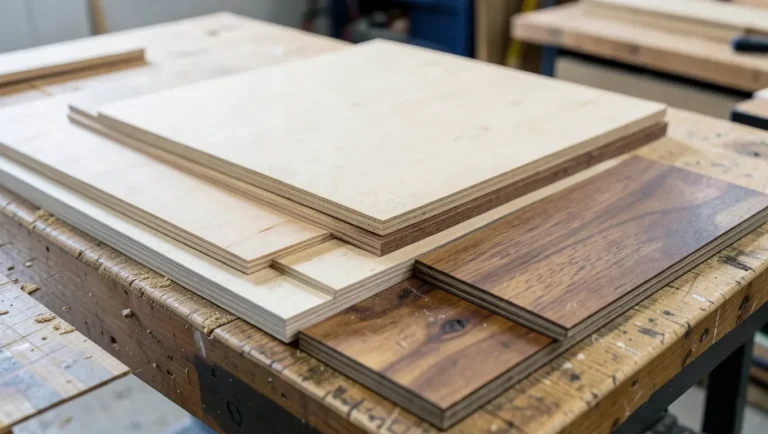
MDF Panel vs. Plywood vs. Particleboard vs. OSB
Choosing between MDF panel and the other three common sheet goods comes down to screw-holding strength, surface finish, and moisture exposure – each material trades one for another.
| Material | Surface | Screw Holding | Cost/Sq Ft* | Best For |
|---|---|---|---|---|
| MDF Panel | Smooth, paint-ready | Weak – pre-drill required | $2–$5 | Painted cabinets, molding, shelving |
| Plywood | Visible grain/veneer | Strong | $3–$8 | Structural work, stained furniture |
| Particleboard | Rougher, laminate-only | Weakest | $1.50–$3 | Budget flat-pack furniture |
| OSB | Rough, visible strands | Moderate | $1–$2.50 | Subfloors, sheathing, roof decking |
*National average material cost per square foot as of 2026; regional pricing at big-box retailers can vary 20–30%.
MDF panel’s biggest weakness against all three alternatives is screw-holding: standard wood screws can strip out of MDF’s edge under repeated stress, which is why cabinet hardware into MDF should always use pre-drilled pilot holes and, where possible, screw into face grain rather than the edge.
Standard MDF vs. Moisture-Resistant (MR) MDF vs. Fire-Rated MDF
Standard MDF panel is an engineered wood panel made from wood fibers and resin that is not designed for moisture exposure. It swells and delaminates if it stays wet, so it belongs in dry interior applications only – living rooms, bedrooms, and closets.
Moisture-resistant MDF (MR-MDF) uses a wax-sized resin formulation, usually tinted green for identification, that slows water absorption. It still is not waterproof – use it for kitchen toe-kicks, bathroom vanities, and laundry room cabinets, but always seal every cut edge, and never use it for anything continuously wet like a shower surround.
Fire-rated MDF is treated with fire-retardant chemicals during manufacturing and is required by code in some commercial applications, such as wall paneling in multi-family corridors. Check your local building code before substituting standard MDF where fire-rated board is specified.
Common Uses of MDF Panels
MDF panel’s smooth, grain-free surface is what makes it the default choice across furniture, cabinetry, and millwork wherever the piece will be painted rather than stained. It also shows up inside products where the surface is never seen at all.
Furniture & Cabinetry
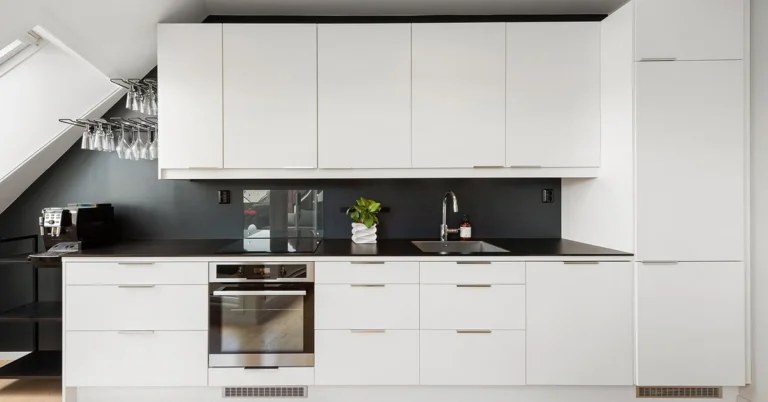
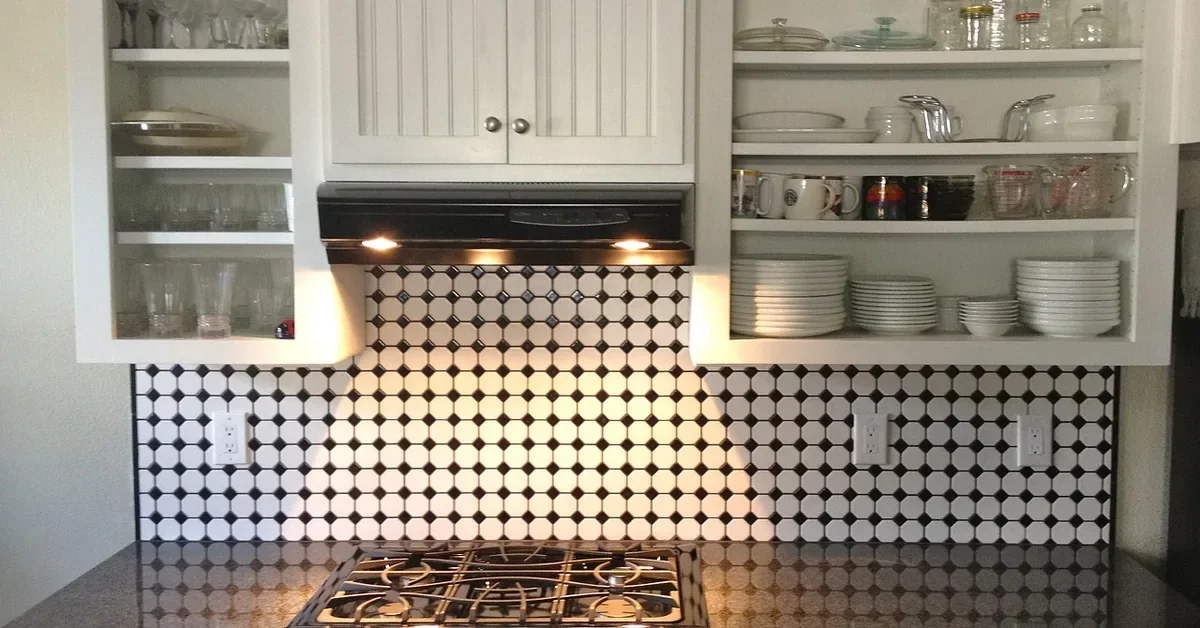
Kitchen cabinet doors, bathroom vanities, TV stands, and bookcases use MDF panel for its consistent, knot-free surface – it takes a painted finish more evenly than plywood, whose grain can telegraph through paint over time. See our MDF vs. solid wood comparison for when solid wood is worth the extra cost instead.
Wall Panels, Trim & Molding
MDF panel is milled into baseboard, crown molding, wainscoting, and decorative wall panels because it holds crisp profile edges without the tear-out solid wood molding can show on tight curves. If you’re comparing MDF trim specifically against solid wood trim for longevity, our MDF molding vs. wood durability guide breaks down the 20-vs-30+-year lifespan difference in more depth than this overview covers.
Flooring Core & Underlayment
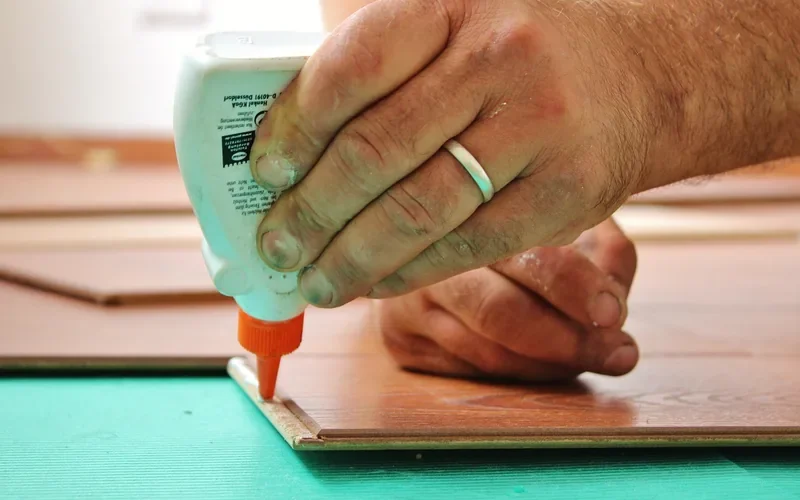
Laminate flooring planks use an MDF (or HDF) core sandwiched under a printed wear layer – the core is what gives click-lock flooring its rigidity. This is a case where MDF is doing structural work inside a product most homeowners never realize contains it.
Art & Signage
MDF panel’s density lets it hold crisp laser-engraved or hand-carved detail, so it’s a common substrate for painted signs, 3D wall art, and CNC-cut decor – the smooth face takes acrylic and craft paint without the grain bleeding through.
Cutting, Finishing & Installation Tips
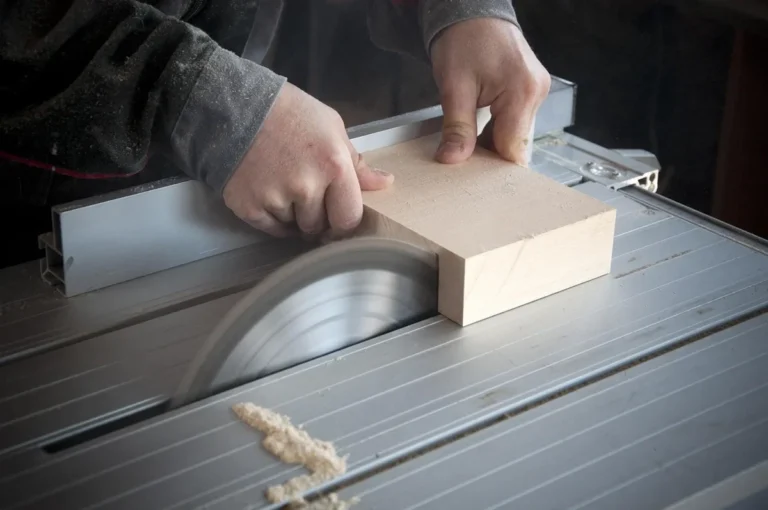
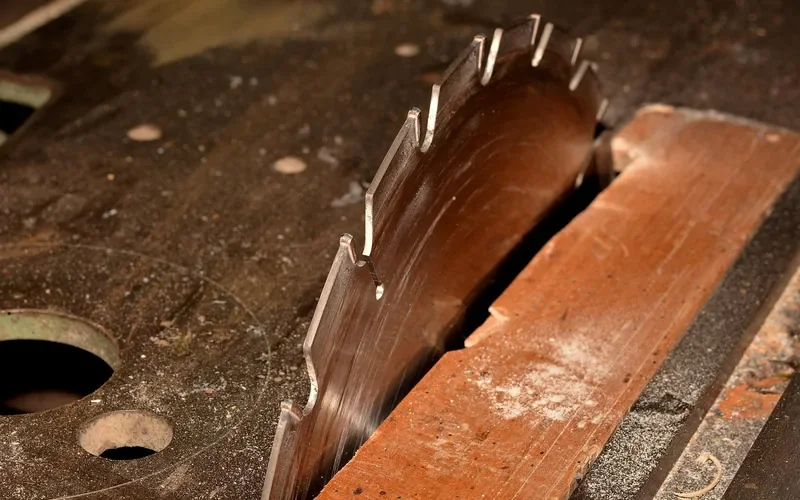
MDF panel cuts cleanly but generates fine dust that clogs standard blades fast – the right blade and a few finishing habits prevent most of the common mistakes. For a full walkthrough of mounting panels to a wall, see our MDF installation guidelines.
- Use a high-tooth-count blade: A 60–80 tooth carbide blade leaves a clean edge; low-tooth-count ripping blades tear the fibers and leave a fuzzy edge that’s hard to paint smoothly.
- Support the cut line: MDF panel can chip at the exit point of a cut – score the cut line with a utility knife first, or use a zero-clearance insert on a table saw.
- Pre-drill every screw: Because MDF’s screw-holding is weaker than plywood, drill a pilot hole sized to the screw’s minor diameter before driving any fastener near an edge.
- Seal every cut edge: Raw MDF edges absorb paint and moisture unevenly – apply a sanding sealer or edge banding before topcoat, especially on MR-MDF near sinks.
- Sand with a fine grit: 220-grit is usually enough – MDF’s surface is already smooth, and over-sanding just removes more fiber and softens crisp edges.
Best MDF Cutting Blade Pick
 |
DEWALT DWA11080 10″ 80-Tooth Blade – $45.21 This is the high-tooth-count blade the cutting tips above call for – the 80-tooth carbide grind is built for the fine, chip-free finish MDF panel needs at the exit edge of a cut.
|
Safety & Handling
Cutting MDF panel produces very fine wood dust mixed with cured resin particles – finer than most solid-wood sawdust, and it stays airborne longer. Wear a NIOSH-rated N95 (or better, P100) respirator, cut with dust collection running or outdoors, and keep the work area ventilated. Wash exposed skin after handling, and avoid burning MDF scraps – burning releases the resin’s bound formaldehyde.
📊 MDF panel sold in the U.S. must meet formaldehyde emission limits set under the EPA’s TSCA Title VI rule, and panels are graded under the voluntary ANSI A208.2 standard for density, strength, and formaldehyde limits. – Source: Composite Panel Association, 2026
“MDF panels are also known for the fact that they do not hold a screw or nail as well as solid wood, plywood, or even particleboard – pre-drilling and using cabinet-grade confirmat screws is standard practice for MDF assembly.”
Environmental Considerations & Disposal
MDF panel is manufactured from wood fibers that are often reclaimed from sawmill scraps and forest byproducts rather than whole logs, and ECC-certified (Eco-Certified Composite) panels meet CARB and EPA formaldehyde limits on every panel produced, not just a sample batch. MDF is harder to recycle than solid wood because the cured resin can’t be separated from the fibers – never burn MDF scraps, and take offcuts to a specialized wood-waste recycler rather than a standard yard-waste bin where local rules require it.
Frequently Asked Questions
What is MDF panel made of?
MDF panel is made of wood fibers – broken down from sawmill scraps and wood chips – combined with a synthetic resin binder and pressed under heat and high pressure into a dense, uniform sheet with no grain or knots.
What are three disadvantages of MDF panel?
MDF panel swells and delaminates if it gets wet, holds screws and nails more weakly than plywood or solid wood, and is significantly heavier per square foot than plywood of the same thickness – a full 3/4″ sheet can weigh close to 100 lbs.
Is MDF panel better than plywood?
Neither is universally better – MDF panel gives a smoother, more consistent surface for painted finishes at a lower cost, while plywood holds screws more securely and handles structural loads and moisture better. Pick MDF for painted cabinetry and trim, plywood for anything load-bearing or exposed to damp conditions.
Are MDF panels waterproof?
No standard MDF panel is waterproof. Even moisture-resistant MR-MDF only resists water absorption longer than standard MDF – it still swells with sustained water exposure, so seal every cut edge and never use MDF in continuously wet locations like a shower.
What thickness of MDF panel is best for cabinets?
3/4″ (18–19mm) MDF panel is the standard thickness for cabinet boxes, doors, and shelving – it provides enough rigidity for typical cabinet spans without the extra weight and cost of 1″ stock.
Can MDF panel be used outdoors?
Standard and MR-MDF are not rated for direct outdoor exposure – sun and rain will degrade the resin and swell the fibers even with paint. For exterior trim, use an exterior-rated composite trim board or solid wood instead of MDF panel.
Conclusion
MDF panel is the right call for painted cabinetry, trim, and shelving where a smooth, consistent surface matters more than raw strength or moisture resistance. Match the thickness to the span, choose MR-MDF near any moisture source, pre-drill every fastener, and seal cut edges before finishing – those four habits prevent the swelling, stripped screws, and chipped edges that account for most MDF panel complaints.
Sponsored / affiliate links. As an Amazon Associate I earn from qualifying purchases. I may earn additional commission from eligible campaigns.