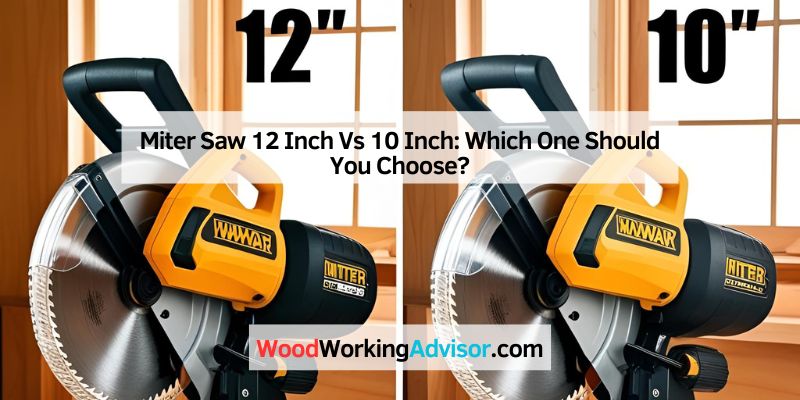
Miter Saw 12 Inch Vs 10 Inch: Which One Should You Choose?
Choosing between a 12-inch and a 10-inch miter saw can be tricky. Both have unique advantages.
Let’s explore why comparing these tools is important. Understanding the differences between a 12-inch and a 10-inch miter saw helps you make the right choice. A 12-inch miter saw is powerful and cuts larger pieces. A 10-inch miter saw is lighter and more affordable.
This comparison will help you decide which one fits your needs best. We will look at their features, benefits, and drawbacks. This way, you can choose the miter saw that works best for your projects.
Introduction To Miter Saws
Miter saws help make precise cuts. They are used in woodworking. You can cut wood at different angles. 12 inch and 10 inch miter saws are common. They cut wood for frames and furniture. A miter saw is a useful tool for DIY projects. It makes the work easier. Safety is important when using a miter saw. Always wear safety gear. Follow the instructions carefully.
The blade size is important. A 12 inch blade cuts larger pieces. A 10 inch blade is smaller and lighter. Cutting capacity differs. The 12 inch saw can cut thicker wood. The motor power is also a key feature. More power means smoother cuts. Portability matters too. A 10 inch saw is easier to move. Cost can influence your choice. The 12 inch saw is usually more expensiv.

Credit: www.youtube.com
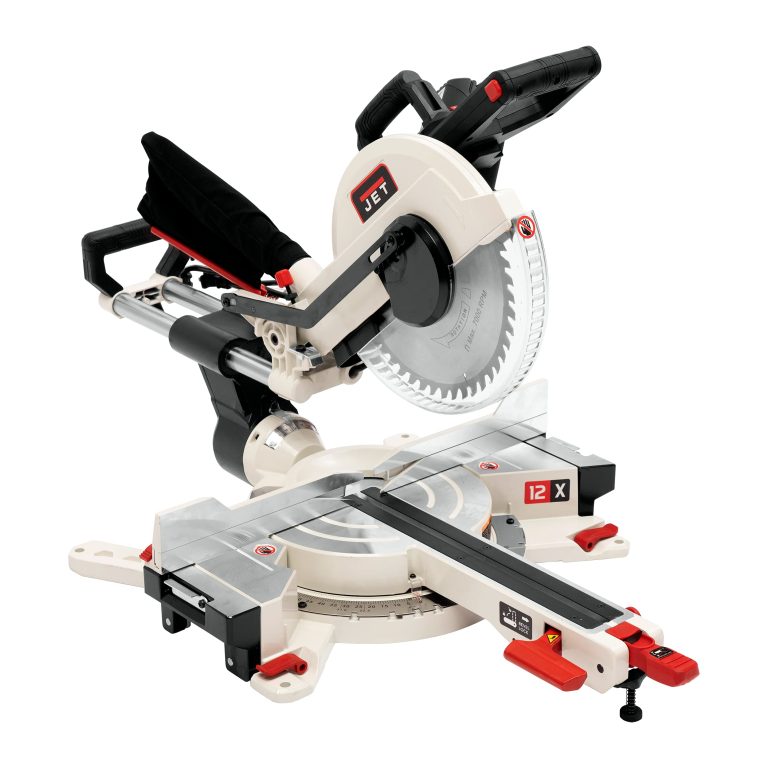
12 Inch Miter Saw
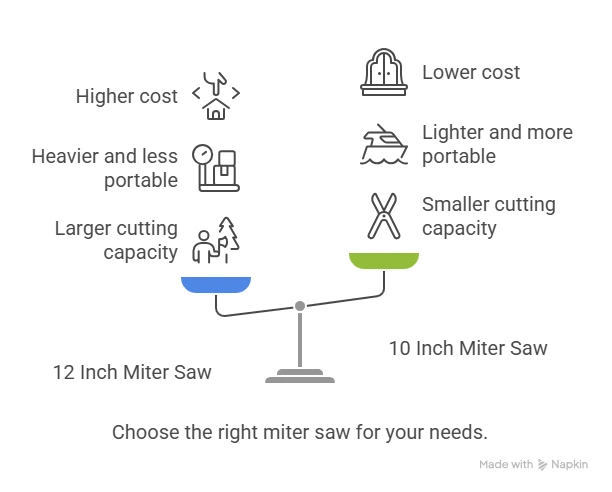
The 12 inch miter saw can cut larger pieces of wood. It is great for big projects. More power means easier cuts. It can handle tougher materials. Versatility is another plus. The blade stays sharp longer. Higher precision in cuts.
This saw is heavier. It is hard to move. More expensive than the 10 inch saw. Takes up more space. It is harder to store. The blade costs more. It can be too powerful for small tasks.
10 Inch Miter Saw
A 10 inch miter saw is lighter and easier to handle. It is cheaper than a 12 inch saw. It is ideal for small projects and basic cuts. The blades are affordable and easy to find. This saw is compact and takes less space. It cuts wood efficiently and accurately. The motor is powerful enough for most tasks.
This saw cannot cut thicker pieces of wood. It has limited cutting capacity compared to a 12 inch saw. Large projects may require multiple cuts. It is less versatile for complex jobs. The blade wears out faster with heavy use. Not suitable for professional or heavy-duty work.
Credit: www.reddit.com
Cutting Capacity Comparison
A 12-inch miter saw can cut deeper than a 10-inch saw. It handles larger wood pieces. For width, the 12-inch saw is also better. It can cut wider boards. Woodworkers prefer the 12-inch saw for big projects. The 10-inch saw works well for small tasks.
Different materials need different saws. Hardwoods need a 12-inch saw. Softwoods can use a 10-inch saw. The 12-inch saw can cut metal too. The 10-inch saw is good for plastic and thin materials. Choose wisely based on your materials.
Portability And Space
A 12-inch miter saw is often heavier than a 10-inch model. The larger blade adds extra weight. This can make it harder to move. 10-inch saws are lighter and easier to carry. This can be useful for those with little strength. Think about where you will use it most.
A 12-inch saw takes up more space. Make sure you have room to store it. 10-inch saws need less space and are easier to fit in small areas. Look at your workshop or garage space before buying. Consider where the saw will go when not in use.

Credit: www.youtube.com
Accuracy And Precision
The blade stability of a miter saw is very important. A 12-inch blade is usually more stable than a 10-inch blade. This means it can cut through thicker materials without wobbling. The larger blade also has more teeth. This helps with smoother cuts.
Cutting consistency is another key factor. A 12-inch miter saw often provides more consistent cuts. This is because it has a larger diameter. It covers more area in one pass. Therefore, it’s easier to keep the cut straight. A 10-inch blade may need more passes. This can sometimes lead to small errors.
Cost And Value
The 12-inch miter saw often costs more than the 10-inch miter saw. The larger blade size adds to the price. A 12-inch saw can be more expensive upfront. It might be worth it for bigger jobs. The 10-inch saw is cheaper. It suits smaller tasks well. Choose based on your needs and budget. Both sizes have pros and cons.
Over time, the 12-inch saw may cost more in maintenance. Larger blades are pricier to replace. The 10-inch saw can save money on blade costs. Smaller blades are less expensive. Energy use can differ too. Bigger saws might use more power. Smaller saws often use less. Think about long-term expenses before buying.
Best Applications
A 12-inch miter saw is ideal for professionals. It can cut through larger pieces of wood with ease. This makes it perfect for heavy-duty work. Construction sites and woodworking shops benefit from its power. The 10-inch miter saw is also useful. It is more compact and easier to move. Great for smaller projects or fine detail work. Both saws have their advantages in professional settings.
For DIY projects, the 10-inch miter saw is often preferred. It is smaller and easier to handle. Perfect for home use and small projects. Furniture making and crafting become simpler with this tool. The 12-inch saw can also be used. It is helpful for more complex tasks. Choose based on the size of your projects. Both can be useful in a DIY workshop.
Making The Right Choice
Choosing between a 12 inch and a 10 inch miter saw can be tricky. Bigger saws cut larger pieces, but they are heavier and more expensive. Smaller saws are easier to move and store. Think about the projects you will do. Large projects need bigger saws. Small projects can use smaller saws.
If you work on big projects, a 12 inch saw is better. For small projects, a 10 inch saw is good. Check your budget and space too. Think about what you need most.
Frequently Asked Questions
Should I Get A 10 Or 12 Inch Miter Saw?
Choose a 10-inch miter saw for smaller projects and portability. Opt for a 12-inch miter saw for larger cuts and versatility.
Why Would I Need A 12 Inch Miter Saw?
A 12 inch miter saw offers greater cutting capacity and precision. It’s ideal for large projects, cutting wider boards and crown molding.
Can I Cut A 4×4 With A 12 Inch Miter Saw?
Yes, a 12-inch miter saw can cut a 4×4. Ensure the blade is sharp and the saw has enough power.
Can A 10 Inch Sliding Miter Saw Cut 2×12?
A 10-inch sliding miter saw can cut a 2×12 if you make the cut in two passes. Ensure precise alignment for clean cuts.
Conclusion
Choosing between a 12 inch and 10 inch miter saw depends on your needs. The 12 inch saw offers greater cutting capacity. Perfect for larger projects. The 10 inch saw is lighter and easier to handle. Ideal for smaller tasks.
Both saws have their advantages. Consider your project size and budget. Make an informed decision. Happy woodworking!