Outdoor Firewood Storage Ideas: Keep Your Firewood Dry and Ready
Hey there! If you’re anything like me, you love a cozy fire on a chilly evening. There’s something magical about the crackle of burning logs and the warmth that fills your home or backyard. But here’s the thing: to keep those fires going strong, you need dry, well-stored firewood. Wet or poorly stored wood is a hassle—it doesn’t burn well, creates more smoke, and can even damage your fireplace or fire pit. Over the years, I’ve tried all sorts of ways to store firewood outdoors, and I’m excited to share my favorite outdoor firewood storage ideas with you. Whether you’re working with a small backyard or a sprawling property, I’ve got practical, creative, and budget-friendly solutions to keep your firewood dry, organized, and ready to burn. Let’s dive in!
Why Proper Firewood Storage Matters
Let me start by explaining why I care so much about storing firewood properly. When I first started using a wood-burning fireplace, I made the mistake of leaving my firewood in a messy pile out in the open. Big mistake! Rain soaked the logs, and I ended up with moldy, hard-to-burn wood. It was frustrating, and I quickly learned that proper storage is key to keeping firewood in top shape.
Good outdoor firewood storage protects your wood from moisture, pests, and rot. Dry wood burns hotter and cleaner, which means less smoke and creosote buildup in your chimney. Plus, a well-organized stack looks tidy and saves you time when you’re ready to build a fire. With the right setup, you’ll have dry, ready-to-use firewood all season long.
Choosing the Right Location for Your Firewood Storage
Before I even think about building or buying a storage solution, I always consider where to place it. Location is everything! You want a spot that’s convenient but also keeps your wood protected. Here’s what I’ve learned works best:
First, pick a spot close to your home or fire pit. Hauling heavy logs across the yard in the snow is no fun, trust me. I keep my firewood about 10-15 feet from my back door—it’s close enough for easy access but far enough to keep bugs and debris away from the house.
Next, choose a location with good airflow. I avoid low-lying areas where water pools after rain. A flat, elevated spot is ideal because it helps keep the wood dry. If you can, place your storage under a tree canopy or near a fence for extra protection from rain, but make sure air can still circulate to prevent mold.
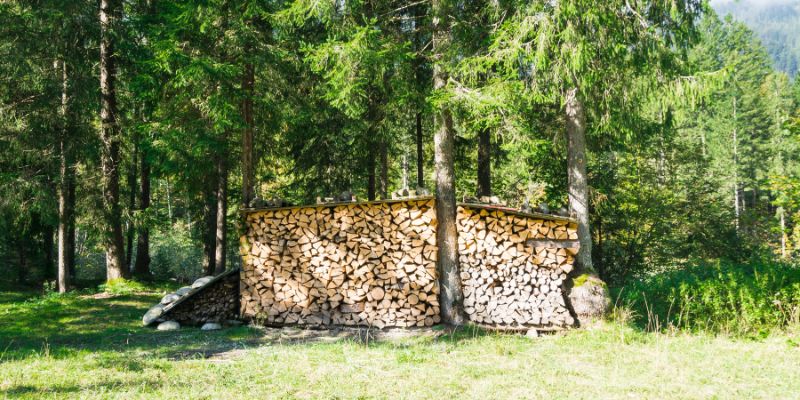
Finally, I always raise my firewood off the ground. Direct contact with soil invites moisture and pests. A simple pallet, concrete blocks, or even old bricks work great as a base. I’ve used pallets for years, and they’re cheap and effective.
Simple DIY Firewood Rack Ideas
One of my favorite things about firewood storage is that you don’t need to spend a fortune. I’ve built a few DIY racks over the years, and they’re sturdy, affordable, and fun to make. Here are a couple of ideas that have worked well for me:
Cinder Block and Lumber Rack
This is my go-to for a quick, budget-friendly setup. I grabbed some cinder blocks and 2x4s from the hardware store and built a rack in under an hour. The cinder blocks act as sturdy supports, and the 2x4s create a frame to hold the wood. It’s simple but super durable.
To build one, I place two cinder blocks on each side, about 4 feet apart. Then, I lay two 2x4s across the blocks to form the base. For extra stability, I add another set of 2x4s vertically to create side supports. This keeps the stack neat and prevents it from toppling over. The open design lets air flow through, which helps the wood stay dry.
Pallet Firewood Rack
If you’ve got access to old pallets, this is a fantastic option. I found a couple of free pallets behind a local store and turned them into a firewood rack with minimal effort. I stack two pallets vertically, securing them with screws or metal brackets, and use a third pallet as the base. It’s rustic, but it gets the job done.
The best part? Pallets are naturally elevated, so your wood stays off the ground. I like to cover the top with a tarp to keep rain off, but I make sure the sides are open for ventilation. This setup is perfect if you’re on a tight budget or love upcycling.
Store-Bought Firewood Storage Solutions
Sometimes, I prefer the convenience of a store-bought rack. They’re quick to set up and often come with features like weather-resistant covers. Over the years, I’ve tested a few, and here are my top picks:
Metal Firewood Racks
I bought a heavy-duty metal rack a few years ago, and it’s been a game-changer. These racks are sturdy, rust-resistant, and come in various sizes. Mine holds about a quarter cord of wood, which is plenty for my needs. Most come with a fitted cover, which I love because it keeps the wood dry without trapping moisture.
When shopping for a metal rack, I look for one with a powder-coated finish to prevent rust. I also check the weight capacity—some cheaper models bend under heavy loads. A good rack costs around $50-$100, but it’s worth it for the durability.
Firewood Storage Sheds
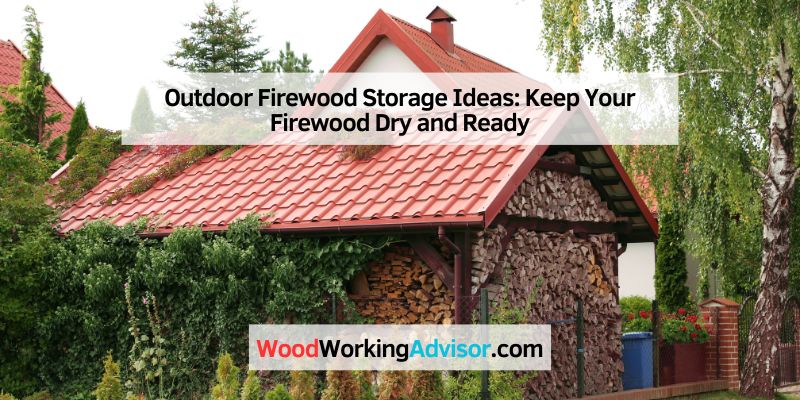
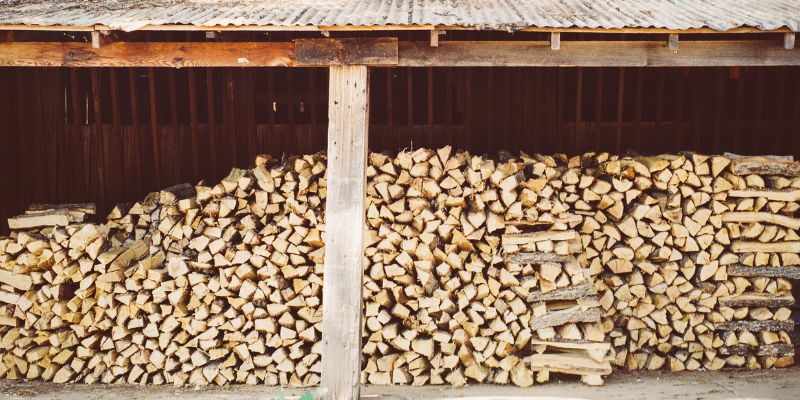
If you have a larger stockpile, a firewood storage shed might be the way to go. I invested in a small shed last year, and it’s been perfect for keeping a full cord of wood protected. These sheds have slatted sides for airflow and a sloped roof to shed water. Some even have a raised floor to keep moisture out.
My shed is about 4×8 feet, which is big enough for my needs but doesn’t take up too much space in my yard. If you go this route, make sure the shed is placed on a level surface and check that the wood inside stays dry during heavy rain.
Creative and Stylish Firewood Storage Ideas
I love adding a bit of personality to my backyard, and firewood storage doesn’t have to be boring! Here are a few creative ideas I’ve tried or seen that combine function with style:
Firewood Storage Bench
Last summer, I built a firewood storage bench, and it’s one of my favorite projects. The bench has a compartment underneath to store a small stack of wood, and the top doubles as seating for my outdoor fire pit area. I used weather-treated lumber and sealed it with a waterproof stain to make it last.
This setup is perfect for small spaces because it serves two purposes. I keep enough wood for a single fire in the bench and store the rest in a larger rack nearby. It’s practical and looks great!
Decorative Firewood Wall
If you’re short on space, consider stacking your firewood against a wall or fence in a decorative pattern. I saw this at a friend’s house, and it looked amazing. They arranged the logs in a herringbone pattern, almost like a piece of art. To make it work, I suggest using a small rack or frame to keep the stack stable and covering the top with a tarp or overhang.
This idea is ideal if you want your firewood to blend into your outdoor decor. Just make sure the wood is elevated and has room for air to circulate.
Covering Your Firewood: To Tarp or Not to Tarp?
One question I get a lot is whether to cover firewood with a tarp. My answer? It depends. I’ve used tarps for years, but there’s a right way and a wrong way to do it.
A tarp is great for keeping rain and snow off the top of your stack, but you don’t want to wrap the wood completely. I made that mistake once, and the trapped moisture caused mold to grow. Now, I only cover the top of the stack, leaving the sides open for airflow. I secure the tarp with bungee cords or heavy rocks to keep it from blowing away.
If you’re using a rack or shed with a built-in cover, you might not need a tarp at all. Just make sure your setup allows for ventilation to keep the wood dry.
How to Stack Firewood for Maximum Efficiency
Stacking firewood is an art form, and I’ve learned a few tricks to make it easier. A good stack stays stable, allows air to circulate, and keeps the wood dry. Here’s how I do it:
First, I start with a solid base, like a pallet or cinder blocks. Then, I lay the logs in tight, even rows, making sure they’re snug but not packed too tightly. Air needs to flow between the logs to keep them dry. I alternate the direction of the logs every few rows to create stability, kind of like building with Legos.
For larger stacks, I sometimes build “end pillars” by stacking logs vertically at each end. This keeps the stack from collapsing, especially if you live in a windy area. I also avoid stacking too high—about 4 feet is my limit to prevent tipping.
Firewood Storage Tips for Different Climates
Living in the USA means dealing with all kinds of weather, and I’ve learned that storage needs vary depending on your climate. Here’s what I’ve found works best:
Wet and Rainy Climates
If you’re in a rainy area like the Pacific Northwest, keeping wood dry is a challenge. I recommend a storage shed or a rack with a sturdy cover. Elevate the wood higher than usual—6 inches or more off the ground—to avoid puddles. I also check my stack after heavy rain to make sure water isn’t pooling underneath.
Cold and Snowy Climates
In snowy regions like the Midwest, snow buildup is the enemy. I use a sloped cover or shed to prevent snow from piling up. After a big snowfall, I brush off any snow that gets on the stack to keep moisture from seeping in. A raised base is critical here too.
Hot and Dry Climates
If you’re in a dry area like the Southwest, you’ve got it easier, but pests can be an issue. I’ve had problems with termites and ants in dry climates, so I keep my wood away from the house and check it regularly for bugs. A metal rack works great because it’s less inviting to pests than wood.
Firewood Storage Safety Tips
Safety is a big deal when storing firewood, and I’ve learned a few lessons the hard way. Here are my top tips to keep things safe:
- Keep it away from the house. I store my wood at least 5 feet from my home to reduce the risk of pests like termites or rodents getting inside.
- Check for pests. Before bringing wood indoors, I give it a quick shake to knock off any bugs or spiders. Trust me, you don’t want to bring a surprise guest into your living room!
- Avoid stacking too high. A tall stack can tip over, especially in windy areas. I keep my stacks under 4 feet to be safe.
- Use seasoned wood. Freshly cut wood needs to dry for at least 6 months. I always check that my wood is properly seasoned before storing it to avoid mold.
Comparison of Firewood Storage Options
To help you decide which storage solution is right for you, I’ve put together a quick comparison table based on my experience:
| Storage Type | Pros | Cons | Best For |
|---|---|---|---|
| DIY Cinder Block Rack | Cheap, easy to build, durable | Not very portable, basic look | Budget-conscious homeowners |
| Pallet Rack | Free or low-cost, eco-friendly | May need reinforcement, rustic look | Upcyclers, small budgets |
| Metal Firewood Rack | Sturdy, rust-resistant, easy to move | More expensive, limited capacity | Small to medium wood supplies |
| Firewood Storage Shed | High capacity, weatherproof, stylish | Expensive, takes up space | Large wood supplies, long-term use |
| Storage Bench | Dual-purpose, stylish, space-saving | Limited capacity, requires building | Small spaces, aesthetic focus |
Maintaining Your Firewood Storage System
Once you’ve got your storage setup, a little maintenance goes a long way. I check my rack or shed every few months to make sure it’s holding up. For wooden racks, I reapply a waterproof sealant every year to prevent rot. Metal racks need a quick inspection for rust, especially after a wet season.
I also rotate my woodpile, using the oldest logs first. This keeps the stack fresh and prevents the bottom logs from sitting too long and getting damp. If I notice any mold or pests, I remove the affected wood right away to protect the rest of the stack.
Conclusion
After years of trial and error, I’ve come to appreciate the importance of a good outdoor firewood storage system. Whether you’re building a simple DIY rack or investing in a stylish shed, the key is to keep your wood dry, accessible, and safe. I love the satisfaction of a neatly stacked pile, ready for cozy nights by the fire. With the ideas I’ve shared, you can find a solution that fits your space, budget, and style. So, grab some logs, pick your favorite storage idea, and get ready to enjoy those warm, crackling fires all season long!
Frequently Asked Questions
How do I keep my firewood dry in the rain?
I always cover the top of my firewood stack with a tarp or use a shed with a sloped roof. Just make sure the sides are open for airflow to prevent mold. Elevating the wood on a pallet or blocks also helps keep it dry.
What’s the cheapest way to store firewood outdoors?
In my experience, a DIY pallet rack is the cheapest option. You can often find pallets for free, and they’re easy to assemble into a sturdy rack. Just add a tarp on top for rain protection.
How far should I store firewood from my house?
I keep my firewood at least 5 feet from my house to avoid pests like termites or rodents. It’s close enough for convenience but far enough to keep bugs away from my home.
Can I store freshly cut firewood right away?
Freshly cut wood needs to season for at least 6 months before it’s ready to burn. I store it in a well-ventilated area and check that it’s dry before moving it to my main storage rack.
How do I prevent pests in my firewood stack?
I inspect my wood regularly for bugs and shake each log before bringing it inside. Storing the wood off the ground and away from the house also helps keep pests at bay.