Painters Putty Vs Wood Filler: Ultimate Comparison Guide
Are you tackling a woodworking project or fixing up some old furniture? If so, you’re likely standing in front of a shelf filled with various products, wondering which one to choose.
Among the many choices, two common contenders are painters putty and wood filler. Understanding the differences between these products can save you time, money, and a lot of frustration. You want your project to look flawless, right? So, knowing which product to apply in the right situation is crucial.
Dive into this article to uncover the secrets that will help your next project shine, and ensure you don’t make the mistake of using the wrong product. Your masterpiece awaits!
Purpose And Application
Painter’s putty is great for small cracks and holes. It is used before painting walls or wood. Apply it with a putty knife. It fills gaps smoothly. The surface becomes flat. Ideal for interior surfaces. It is not good for large areas. It dries slowly. This gives time to adjust the surface. It is easy to sand once dry.
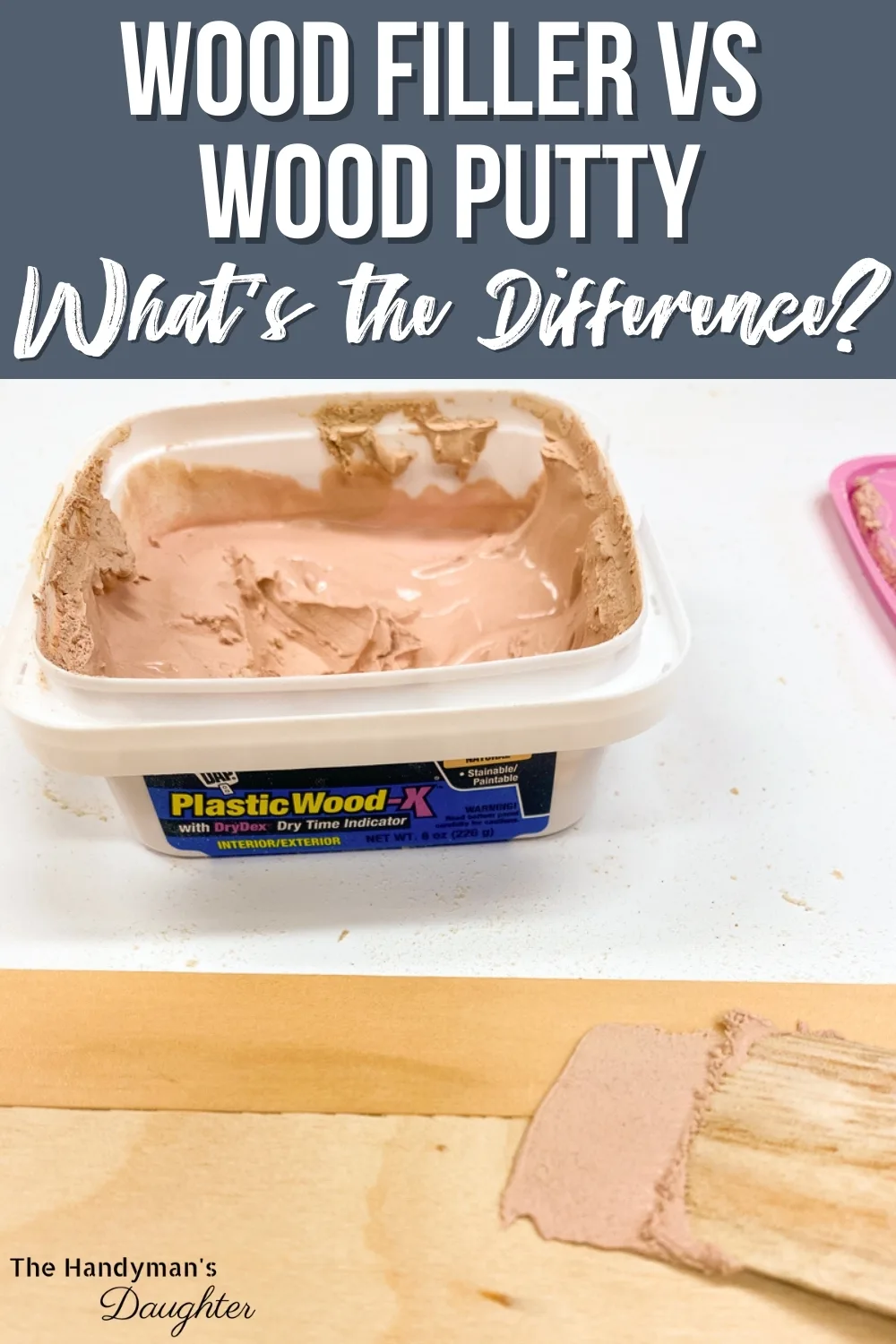
Wood filler is used for damaged wood. It fixes large holes and gouges. It is strong and durable. Perfect for outdoor use. It can be painted or stained. Wood filler dries fast. It is great for quick repairs. It keeps wood safe from water. Wood filler is easy to shape. It blends with wood naturally.
Composition Differences
Painter’s putty is made from linseed oil and calcium carbonate. Linseed oil makes it smooth and easy to apply. Calcium carbonate helps it dry hard. Sometimes, other oils are added. This makes it more flexible. Putty is for filling small holes. It is also used for cracks in wood.
Wood filler contains wood fibers or sawdust. These make it look like wood. It also has a binder. This can be latex, epoxy, or polyurethane. The binder helps it stick well. Wood filler is for fixing bigger holes. It can also repair deep scratches in wood.
Ease Of Use
Painter’s puttyis soft and easy to mold. It comes in a small tub. Use your fingers to apply it. Take a small piece from the tub. Roll it into a ball. Press the ball into the hole or crack. Smooth it out with your fingers. Let it dry for a few hours. Sandingmay be needed for a smooth finish.
Wood filleris thicker than putty. It comes in a tub or tube. Use a putty knife to apply it. Scoop a small amount onto the knife. Spread it over the hole or crack. Press down firmly. Smooth out the surface. Let it dry completely. Sand it for a smooth finish. Painting may be needed after application.
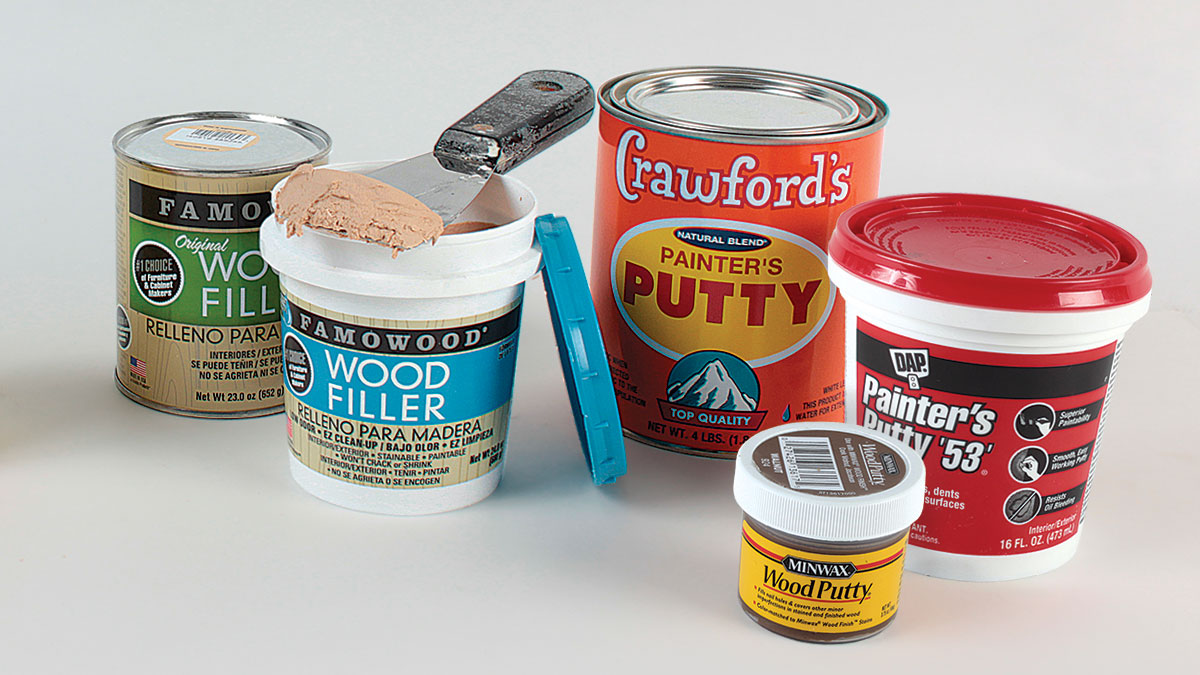
Credit: www.finehomebuilding.com
Drying Time And Finish
Painter’s putty takes longer to cure. It can take up to 24 hours. The curing time depends on the thickness of the layer. Thicker layers need more time. The environment also affects drying. A warm room can speed it up.
Wood filler dries much faster. It often dries in 15 to 30 minutes. Quick drying makes it perfect for fast jobs. Temperature and humidity can slow down drying. Dry wood absorbs filler faster. A thin coat dries quicker too.
Durability And Longevity
Painter’s putty is great for minor repairs. It fills small holes and cracks. This putty is flexible and easy to apply. It lasts for a long time if used indoors. Outdoor use can shorten its life. Sunlight and rain can make it crack. It is best for indoor projects.
Wood filler is strong and tough. It repairs larger holes and deep cracks. This filler can handle weight and pressure. It can be used indoors and outdoors. Weather does not harm it much. Rain and sun can’t easily damage it. Wood filler is a durable choice for many projects.
Credit: www.thehandymansdaughter.com
Suitability For Painting And Staining
Painter’s putty is great for filling small holes. It helps to make surfaces smooth. Before painting, let it dry well. This makes the paint stick better. Sometimes, sand the surface lightly. It creates a clean, even finish. Choose the right paint for best results.
Wood filler is different. It is used on wood surfaces. Staining can be tricky with fillers. Fillers can absorb stains differently. This may cause color differences. Test on a small area first. Make sure the stain matches well. This helps in achieving a uniform color.
Cost Comparison
Painter’s puttyis usually cheaper than wood filler. You can buy a small tub for a few dollars. The price often ranges from $3 to $7. It is a good choice for quick and small fixes. It doesn’t cost much.
Wood fillercosts more than painter’s putty. A small container can cost between $5 and $15. Some special types are even more expensive. The cost goes up with quality and type. It is worth it for big repairs.
Environmental Considerations
Painter’s puttyis often made from natural materials. This makes it more eco-friendly. It can decompose easily. This reduces waste in landfills. Many brands offer putty with low chemical emissions. This is better for the air. Some putties use recycled materials. Using these helps reduce waste.
Wood filler may contain strong chemicals. These can harm the environment. Some types use synthetic ingredients. This makes them less biodegradable. Many fillers come in plastic containers. Plastic is bad for nature. Some brands use eco-friendly fillers. These might cost more. But they are better for the earth. Always check labels for green certifications.
Common Mistakes To Avoid
Choosing between painter’s putty and wood filler can be tricky. Painter’s putty is ideal for small cracks and nail holes on painted surfaces. Wood filler, on the other hand, is best for repairing larger gaps and can be sanded and stained to match wood.
Errors With Painter’s Putty
Using painter’s puttyon wet surfaces is a mistake. It won’t stick well. Always clean the area first. Dust and dirt can stop it from sticking. Some people use too much putty. This can make the surface bumpy. Smooth it out with a knife. Let the putty dry before painting. If not, the paint might crack.
Pitfalls Using Wood Filler
Wood filleris not for big holes. It will not hold up. Use it for small cracks or gaps. Some forget to sand the area first. This makes a rough finish. Don’t skip the sanding step. Mixing fillers of different colors is bad. The color won’t match the wood. Always choose the right color. Let it dry fully before sanding again.

Credit: www.reddit.com
Frequently Asked Questions
What Is The Difference Between Painters Putty And Wood Filler?
Painters putty is ideal for filling small cracks in painted surfaces. Wood filler is used for repairing holes and imperfections in wooden surfaces. While painters putty remains flexible, wood filler hardens upon drying. This makes wood filler suitable for structural repairs, whereas painters putty is best for minor cosmetic touch-ups.
Can You Paint Over Wood Filler?
Yes, you can paint over wood filler. Once it has dried and been sanded smooth, it provides a stable surface for paint. Ensure the filler is completely dry to prevent uneven painting. Using a primer before applying paint can enhance the finish and ensure better adhesion.
Is Painters Putty Waterproof?
Painters putty is not typically waterproof. It’s designed for interior use on painted surfaces. It can resist moisture to some degree but shouldn’t be used in areas with high humidity or direct water exposure. For exterior or high-moisture applications, consider using a waterproof sealant instead.
Which Is Better For Outdoor Repairs?
For outdoor repairs, wood filler is generally better suited. It hardens upon drying and withstands environmental elements more effectively than painters putty. For outdoor use, opt for a wood filler designed for exterior applications to ensure durability and longevity in varying weather conditions.
Conclusion
Choosing between painters putty and wood filler can be simple. Painters putty is best for small cracks and finishing touches. Wood filler suits larger gaps and structural repairs. Think about the project’s needs. Consider the surface and type of repair.
Each material has its strengths. They work differently but complement each other. Using them properly can enhance your woodworking projects. Make sure to test on a small area first. This ensures the best results. With these tips, your surfaces will look polished and professional.