Painting Pressure Treated Wood: A Beginner’s Guide to a Perfect Finish
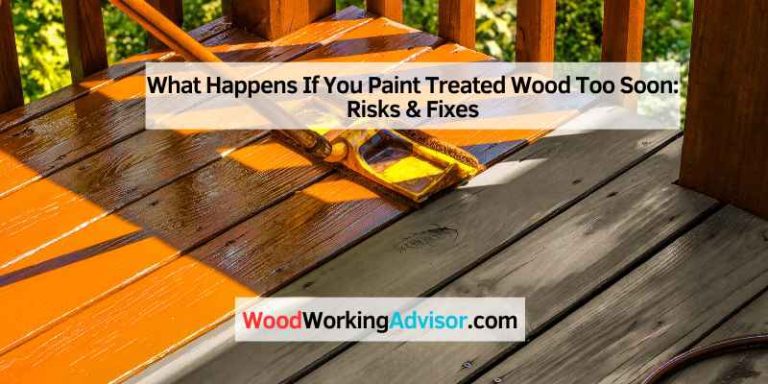
When I built my first backyard deck, I was thrilled with the sturdy pressure treated wood, but its greenish tint didn’t match my vision of a cozy outdoor space. I wanted to paint it a bright, welcoming color, but I quickly learned that painting pressure treated wood isn’t as simple as slapping on a coat of paint. After some trial and error (and a few peeling disasters!), I figured out how to do it right. In this guide, I’ll share everything I’ve learned about painting pressure treated wood, from what it is to step-by-step tips for a long-lasting finish. Whether you’re a beginner or a seasoned DIYer, this article will help you transform your deck, fence, or shed into a colorful masterpiece with ease.
What Is Pressure Treated Wood?
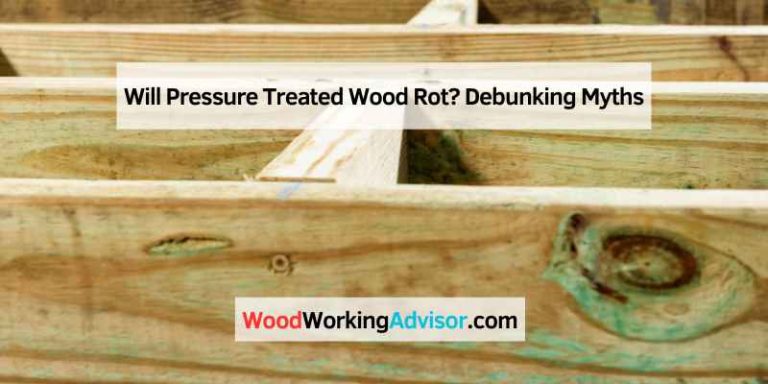
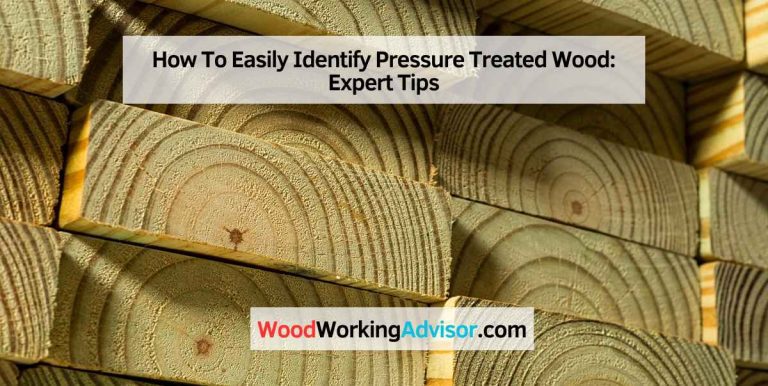
Pressure treated wood is lumber soaked with chemicals to resist rot, insects, and decay. It’s perfect for outdoor projects like decks and fences.
Why It’s Different
The chemicals make the wood damp, which can mess with paint. If you paint too soon, it’ll peel off like a bad sunburn!
Why Paint It?
Painting pressure treated wood adds color and extra protection. It hides the green tint and makes your project pop.
Why Painting Pressure Treated Wood Matters
Painting this wood isn’t just about looks. It shields your project from sun and rain, making it last longer. My deck still looks great after three years!
Benefits of Painting
- More Color Choices: Pick any shade to match your style.
- Hides Flaws: Covers cracks or knots in older wood.
- Extra Protection: Keeps out moisture and UV rays.
Drawbacks to Know
- Takes Time: You might wait months for the wood to dry.
- Peeling Risk: Paint can flake if you skip steps.
- Maintenance: Repainting is needed every few years.
Tools and Materials You’ll Need
Before you start, grab these basics. They’re easy to find at any hardware store.
Must-Have Tools
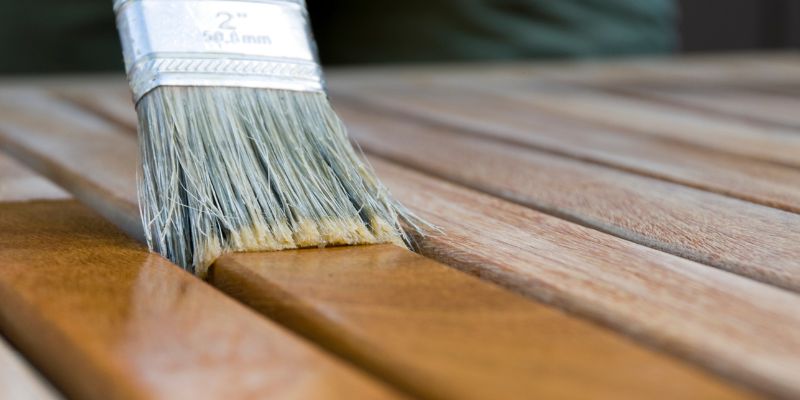
- Paintbrush or Roller: For smooth, even coats.
- Sandpaper: To smooth rough spots.
- Nylon Bristle Brush: For cleaning the wood.
Recommended Materials
- Latex Primer: Bonds well to treated wood.
- Exterior Latex Paint: Stands up to weather.
- Soap and Water: To clean dirt and chemicals.
Table 1: Tool and Material Costs
| Item | Estimated Cost | Where to Buy |
|---|---|---|
| Latex Primer | $15–$25/gallon | Home Depot, Lowe’s |
| Exterior Latex Paint | $20–$40/gallon | Hardware Stores |
| Paintbrush/Roller | $5–$15 | Any Hardware Store |
Caption: Basic costs for painting pressure treated wood. Prices vary by brand and location.
Step-by-Step Guide to Painting Pressure Treated Wood
Here’s how to paint your wood like a pro. Follow these steps, and it’s a piece of cake!
Step 1: Check If the Wood Is Dry
Sprinkle water on the wood. If it beads up, wait a few weeks. If it soaks in, you’re good to go.
Step 2: Clean the Wood
Scrub with soapy water and a nylon brush. Rinse and let it dry for 24 hours.
Step 3: Sand Rough Spots
Use sandpaper to smooth any rough areas. This helps paint stick better.
Step 4: Apply Latex Primer
Brush or roll on a primer made for treated wood. Let it dry for 30–60 minutes.
Step 5: Paint Two Coats
Apply two thin coats of exterior latex paint. Wait 2–3 hours between coats for best results.
Visual Idea: A simple diagram showing the water test: one side with water beading (not ready), the other with water soaking in (ready).
Staining vs. Painting: Which Is Better?
Staining is another option for pressure treated wood. It soaks in deeper and shows the wood’s grain, but paint offers more colors.
Table 2: Paint vs. Stain Comparison
| Feature | Paint | Stain |
|---|---|---|
| Color Options | Many colors | Limited colors |
| Durability | 3–7 years | 2–5 years |
| Maintenance | Repaint every few years | Reapply every 1–2 years |
Caption: Compare paint and stain to decide what’s best for your project.
Why I Chose Paint
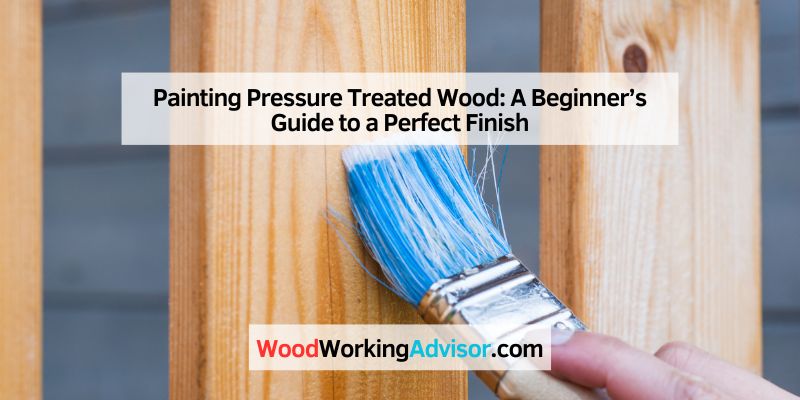
I picked paint for my deck because I wanted a bold blue color. Stain couldn’t match that vibrancy, but it’s great for a natural look.
Common Mistakes to Avoid
My first try at painting pressure treated wood was a total flop! Here’s what I learned to avoid:
- Painting Too Soon: Wet wood rejects paint. Always do the water test.
- Skipping Primer: Primer helps paint stick and last longer.
- Using Oil-Based Paint: It traps moisture and peels. Stick with latex.
Visual Idea: A chart showing “Do” (clean wood, use latex) vs. “Don’t” (paint wet wood, skip primer).
Easy Tips for a Great Finish
Here are my go-to tricks to make your project shine:
- Store Wood Properly: Stack it with sticks between boards to dry evenly.
- Test a Small Spot: Paint a hidden area to check the color.
- Work in Shade: Paint dries too fast in direct sun, causing streaks.
Cost-Saving Ideas
Painting doesn’t have to break the bank. Try these:
- Buy in Bulk: Get primer and paint in gallon cans to save money.
- Use a Roller: It’s faster than a brush and uses less paint.
- Clean Tools Well: Reuse brushes and rollers for future projects.
Table 3: Cost-Saving Tips
| Tip | Why It Saves Money |
|---|---|
| Buy Gallon Cans | Cheaper per ounce |
| Use a Roller | Covers more with less paint |
| Clean Tools | Avoid buying new ones |
Caption: Simple ways to keep your painting project budget-friendly.
Safety Tips for Painting
Stay safe while painting. It’s no fun if you get hurt!
- Wear Gloves: Protect your hands from chemicals.
- Cover Plants: Use tarps to shield nearby plants from paint.
- Work in a Ventilated Area: Avoid breathing in fumes.
Visual Idea: A checklist graphic with safety gear (gloves, tarp, mask) for painting.
My Personal Insights
After painting my deck, I realized patience is key. Waiting for the wood to dry was tough, but it made all the difference. If you’re in a rush, look for kiln-dried after treatment (KDAT) wood—it’s ready to paint sooner. Also, don’t skip cleaning; those chemicals can ruin your finish if left on the wood.
For more expert advice, check out sites like Bob Vila or The Home Depot for detailed guides. The National Center for Preservation Technology and Training also has great tips on wood preservation.
Frequently Asked Questions
Can I Paint Pressure Treated Wood Right Away?
No, you should wait until the wood is dry, which can take 2–6 months. Test by sprinkling water; if it soaks in, it’s ready.
What Paint Works Best for Pressure Treated Wood?
Use exterior latex paint with a latex primer. It sticks well and lets moisture escape, preventing peeling.
How Do I Know If My Wood Is Dry Enough?
Sprinkle water on the wood. If it beads up, it’s too wet. If it soaks in, you can paint.
Is Staining Better Than Painting?
Staining shows the wood’s grain and is easier to apply, but painting offers more colors and covers flaws better.
How Long Does Painted Pressure Treated Wood Last?
With proper prep, paint lasts 3–7 years. Regular cleaning and touch-ups extend its life.
Can I Use a Paint Sprayer?
Yes, sprayers are great for large areas like decks. Use even strokes to avoid drips.
What If My Paint Peels?
Peeling happens if the wood is wet or unprimed. Sand off loose paint, clean, prime, and repaint.
Wrapping It Up
Painting pressure treated wood is a fun way to add color and protect your outdoor projects. By waiting for the wood to dry, cleaning it well, and using the right primer and paint, you’ll get a finish that lasts. My deck went from dull green to a vibrant blue, and it still turns heads! Try painting a small project, like a garden bench, to practice. Share your results or ask questions in the comments—I’d love to hear about your projects! Now grab a brush and make your wood shine!