Stain or Paint Pressure Treated Wood: Which Lasts Longer
Stain is the better choice for pressure-treated wood in most cases: it soaks into the fibers instead of sitting on top, and paint only wins when you need to fully hide old, weathered lumber. Skip either finish too early and trapped moisture blisters the coating within a season, since this wood needs a water-bead dry test, not a fixed calendar date. This guide covers the pros and cons of each finish, the dry-time check, and which stain holds up outdoors.
Introduction To Pressure Treated Wood
Penofin Rainer Pressure-Treated Wood Stain – $60.19
Best for: pressure-treated decks, fences, and posts specifically
Why we picked it: it’s formulated for the exact problem this guide covers – PT lumber’s dense, chemical-treated surface that regular stains struggle to penetrate evenly
Main drawback: limited stock at times and a narrower color range than general-purpose stains
View Our Pick on AmazonCompare more pressure-treated wood stain options:
 Ready Seal Natural Cedar – $40.98 No lap marks, brush or spray on – matches the easy-application point this guide makes about stain over paint. |
 #1 Deck Premium Semi-Transparent – $37.99 Stain and sealer in one coat – budget option for the deck/fence uses this guide lists for pressure-treated wood. |
 Thompsons WaterSeal Solid Color – $33.99 Opaque like paint but still a stain – the middle ground this guide describes for hiding older, weathered PT lumber. |
Pressure treated wood is a type of lumber that has been chemically treated to withstand harsh environmental conditions, such as moisture, insects, and decay. This treatment process involves placing the wood in a pressurized cylinder and impregnating it with preservatives, such as copper-based compounds, to enhance its durability. As a result, pressure treated wood offers long-term protection and is commonly used in outdoor construction projects.
Properties Of Pressure Treated Wood
Pressure treated wood possesses several key properties that make it highly suitable for outdoor applications:
- Resistance to decay and rot
- Protection against insect infestation
- Enhanced durability in outdoor environments
- Ability to withstand moisture and humidity
Common Uses In Construction
Pressure treated wood is extensively utilized in various construction projects, including:
- Decking and outdoor furniture
- Fencing and retaining walls
- Support structures for outdoor decks and porches
- Landscaping features, such as pergolas and arbors
Pros And Cons Of Staining
Staining pressure-treated wood is preferable as it penetrates better and is easier to apply than paint. However, stain offers fewer color choices and doesn’t fill small cracks like paint does. It’s essential to consider these factors when deciding between staining or painting pressure-treated wood.
Pros and Cons of Staining Pressure Treated Wood:
Staining pressure-treated wood is a popular choice for those who want to enhance the natural beauty of the wood while also protecting it from the elements. However, there are both benefits and limitations to staining, and it’s important to consider both before deciding whether to stain or paint your pressure-treated wood.
Benefits of Staining Pressure Treated Wood:
1. Enhances natural wood grain: One of the biggest benefits of staining pressure-treated wood is that it allows you to enhance the natural grain of the wood. This can give your project a more natural and organic look.
2. Protection from UV rays: Stains typically contain UV inhibitors that help protect the wood from the sun’s harmful rays. This can help prevent the wood from fading or turning gray over time.
3. Easy application: Stains are generally easier to apply than paint, as they don’t require a primer and can be applied with a brush, roller, or sprayer.
4. Penetrates wood fibers: Stain penetrates the wood fibers, which allows it to soak in and bond with the wood. This helps to prevent the stain from peeling or chipping.
Limitations of Stains:
1. Limited color options: While there are many different stain colors available, the options are still more limited than those for paint. If you’re looking for a specific color, you may need to choose paint instead.
2. Doesn’t fill in cracks: Stain doesn’t fill in small cracks and imperfections in the wood as paint can. This means that your project may not look as smooth or uniform as it would if you had used paint.
3. Requires more maintenance: Stains typically need to be reapplied every 2-3 years to maintain their protective qualities. This can be more work than simply painting the wood once and forgetting about it.
In conclusion, staining pressure-treated wood has both pros and cons. While it can enhance the natural beauty of the wood and provide protection from the elements, it may not be the best choice if you’re looking for a specific color or need to fill in cracks. It’s important to consider your specific project needs before deciding whether to stain or paint your pressure-treated wood.
Pros And Cons Of Painting
Painting pressure-treated wood makes sense when you want full color coverage or need to hide older, weathered lumber – stain still wins on penetration and upkeep, but paint has real advantages worth weighing below.
It’s important to wait until the wood is fully dry before applying any finish.
Advantages Of Painting Pressure Treated Wood
There are several advantages to painting pressure treated wood.
Firstly, painting provides a protective barrier against the elements, preventing moisture from penetrating the wood. This helps to prevent rot, decay, and insect infestation, ultimately extending the lifespan of the wood.
Secondly, painting allows for a wide range of color options, giving you the flexibility to match your outdoor decor or personal preference. This can add aesthetic appeal and make your outdoor space more visually appealing.
Additionally, paint can fill in small cracks and imperfections in the wood, creating a smoother surface. This can improve the overall appearance and texture of the wood, making it more enjoyable to touch and interact with.
Lastly, painting pressure treated wood is typically easier and quicker than staining. Paint can be applied using brushes, rollers, or sprayers, and it dries relatively quickly. This makes it a convenient option for those who want to complete their outdoor projects efficiently.
Drawbacks Of Paint Application
While there are many advantages to painting pressure treated wood, there are also some drawbacks to consider.
One drawback is that paint forms a film on the surface of the wood, which can eventually chip or peel over time. This may require regular maintenance and touch-ups to keep the wood looking its best.
Another drawback is that paint can hide the natural beauty and grain of the wood. If you prefer the rustic and natural look of the wood, staining may be a better option as it allows the wood’s natural characteristics to shine through.
Furthermore, if the wood is exposed to extreme weather conditions or heavy foot traffic, the paint may wear off more quickly compared to stain. This means that you may need to repaint more frequently to maintain the appearance and protection of the wood.
In conclusion, painting pressure treated wood offers advantages such as protection, color options, surface smoothing, and ease of application. However, it also has drawbacks including potential chipping, hiding the wood’s natural beauty, and requiring regular maintenance. Consider these factors when deciding whether to paint or stain your pressure treated wood, and choose the option that best suits your needs and preferences.
Preparation For Finishing
Before applying any finish to pressure treated wood, it is important to properly prepare the surface. This ensures that the finish adheres well and provides long-lasting protection to the wood. In this section, we will discuss two key aspects of preparation: determining wood dryness and surface preparation best practices.
Determining Wood Dryness
One crucial step in preparing pressure treated wood for finishing is to determine its dryness. This is important because applying a finish to wet or damp wood can lead to adhesion issues and premature failure of the finish. To check the dryness of the wood, you can use two methods:
- Water Sprinkle Test: Sprinkle a few drops of water on the wood surface. If the water beads up and does not penetrate the wood, it is not yet ready for finishing. If the water is absorbed by the wood, it is dry enough to proceed with finishing.
- Moisture Meter: Using a moisture meter, measure the moisture content of the wood. The ideal moisture content for finishing pressure treated wood is typically below 15%. If the moisture content is higher, allow the wood to dry further before applying the finish.
Surface Preparation Best Practices
To ensure optimal results, it is essential to properly prepare the surface of pressure treated wood before finishing. Here are some best practices to follow:
- Clean the Wood: Remove any dirt, debris, or mildew from the wood surface using a mild detergent and water. Rinse thoroughly and allow the wood to dry completely.
- Sand the Wood: Lightly sand the wood using fine-grit sandpaper. This helps to smooth any rough spots and opens up the wood pores, allowing the finish to penetrate more effectively.
- Remove Dust: After sanding, wipe away any dust or residue using a clean, damp cloth. This ensures a clean surface for the finish to adhere to.
- Apply a Wood Conditioner: For certain types of finishes, such as stain, it may be beneficial to apply a wood conditioner before the final finish. This helps to even out the wood’s absorption of the finish, resulting in a more uniform appearance.
By following these preparation guidelines, you can ensure that your pressure treated wood is ready to receive the finish of your choice. Whether you decide to stain or paint, proper preparation is key to achieving a beautiful and long-lasting result.
Application Techniques
Staining is generally considered better for pressure-treated wood as it absorbs better and is easier to apply than paint. However, paint offers more color options and can fill in small cracks in the wood. It is important to protect pressure-treated wood with either stain or paint to prevent water damage.
When it comes to pressure-treated wood, both staining and painting can be a great option. However, the application techniques for each are slightly different. In this section, we will discuss the best practices for staining and painting pressure-treated wood.
Best Practices for Staining:
Staining pressure-treated wood requires a bit of preparation – see this full deck-staining walkthrough for step-by-step photos. Here are some best practices to consider:
– Allow the wood to dry completely before staining. This can take several weeks depending on the weather conditions.
– Use a wood cleaner to remove any dirt or debris from the wood before staining.
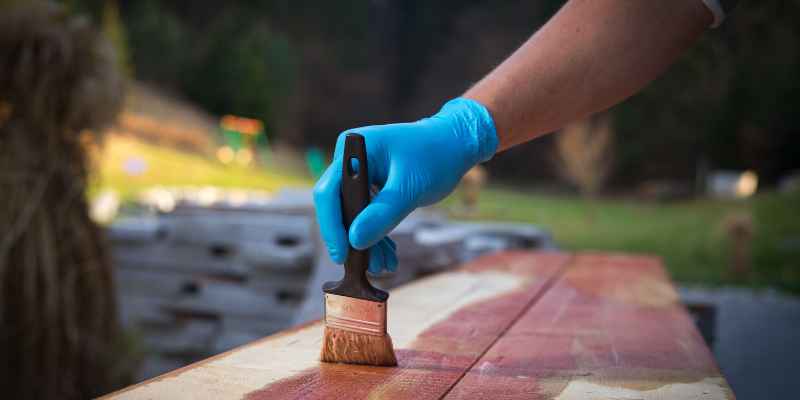
– Apply the stain in thin, even coats with a brush or roller. Avoid applying too much stain, as this can result in a blotchy finish.
– Wait at least 24 hours before applying a second coat of stain.
– Consider using a clear sealant on top of the stain to protect the wood from moisture and UV rays.
Painting Tips for Optimal Results:
If you decide to paint your pressure-treated wood, here are some tips to ensure optimal results:
– Wait at least 6 months before painting pressure-treated wood to allow it to dry completely.
– Use a primer specifically designed for pressure-treated wood before painting.
– Apply the paint in thin, even coats with a brush or roller. Avoid applying too much paint, as this can result in a thick, uneven finish.
– Wait at least 24 hours before applying a second coat of paint.
– Consider using a clear sealant on top of the paint to protect the wood from moisture and UV rays.
In conclusion, the application techniques for staining and painting pressure-treated wood are slightly different. By following these best practices, you can achieve a beautiful and long-lasting finish on your pressure-treated wood.
Durability And Maintenance
Longevity Of Stain Vs. Paint
Stain tends to last longer on pressure-treated wood due to better penetration and bonding.
Maintenance Requirements
Stain requires reapplication every 2-3 years, while paint may need touch-ups annually.
Aesthetic Considerations
When it comes to finishing pressure-treated wood, staining is generally preferred over painting. Stain soaks better into the wood and is easier to apply, although it offers fewer color options and won’t fill in small cracks like paint does. It is important to consider aesthetic considerations when deciding whether to stain or paint pressure-treated wood.
When deciding between staining and painting pressure treated wood, aesthetic considerations play a crucial role in determining the final look of your project. From color options to visual impact and wood texture, each aspect contributes to the overall appearance of the wood surface.
Color Options And Visual Impact
When it comes to color options, stain offers a variety of natural hues that enhance the wood’s beauty. Paint, on the other hand, provides a wider range of colors but can mask the natural grain of the wood. The choice between the two depends on the desired visual impact and whether you want to highlight or cover the natural characteristics of the wood.
Impact On Wood Texture And Grain
Staining pressure treated wood preserves the natural texture and grain, allowing the wood’s natural beauty to shine through. On the contrary, painting can create a smooth, uniform surface that may hide the wood’s unique characteristics. Consider how you want the texture and grain of the wood to be showcased when deciding between staining and painting.
Environmental Factors
When deciding whether to stain or paint pressure-treated wood, it is essential to consider the environmental factors that can impact the longevity and appearance of your project.
Weather And Climate Effects
The weather and climate in your region play a crucial role in determining whether staining or painting is the better option for pressure-treated wood. Harsh weather conditions like heavy rain or intense sunlight can affect the durability and color retention of the finish.
Choosing Products For Your Environment
Selecting the right stain or paint product that is specifically formulated for your local climate is key to ensuring long-lasting protection. Consider products with UV protection for sunny areas and water-resistant properties for rainy climates.
Frequently Asked Questions
Should Pressure Treated Wood Be Painted Or Stained?
Staining is usually preferred over painting pressure-treated wood because it soaks better into the wood and is easier to apply. However, it offers fewer color options and won’t fill in small cracks like paint will. Without any finish, rain or snow can easily penetrate the wood, causing it to swell and shrink.
It’s recommended to wait a few months before staining or painting to ensure the wood is completely dry.
What Happens If You Don’t Stain Pressure Treated Wood?
Without staining pressure treated wood, it will absorb water, leading to swelling and shrinking. Staining helps to prevent this.
What Lasts Longer On A Deck, Stain Or Paint?
Stain is usually the preferred option for finishing pressure-treated wood on a deck. It penetrates the wood better and is easier to apply than paint. However, paint offers more color options and can fill in small cracks in the wood.
Without any stain or paint, the wood will absorb water and may swell and shrink over time.
How Long Do You Have To Wait To Stain Pressure Treated Wood?
Most pressure-treated wood only needs a few weeks to a couple of months to dry enough for stain – use the water-bead test described above rather than a fixed date. Paint needs much longer, often 6 months or more before painting, since it fully seals the surface instead of soaking in.
Conclusion
Whether to stain or paint pressure-treated wood depends on your preferences and the specific requirements of your project. Stain offers better penetration and easier application, but paint provides more color options and can fill small cracks. Consider the look, maintenance, and protection you desire for your wood, and make an informed decision based on these factors – see our full wood care and protection guide for what comes after finishing.
Sponsored / affiliate links. As an Amazon Associate I earn from qualifying purchases. I may earn additional commission from eligible campaigns.