Pressure-Treated Wood vs Regular Wood: What Actually Changes
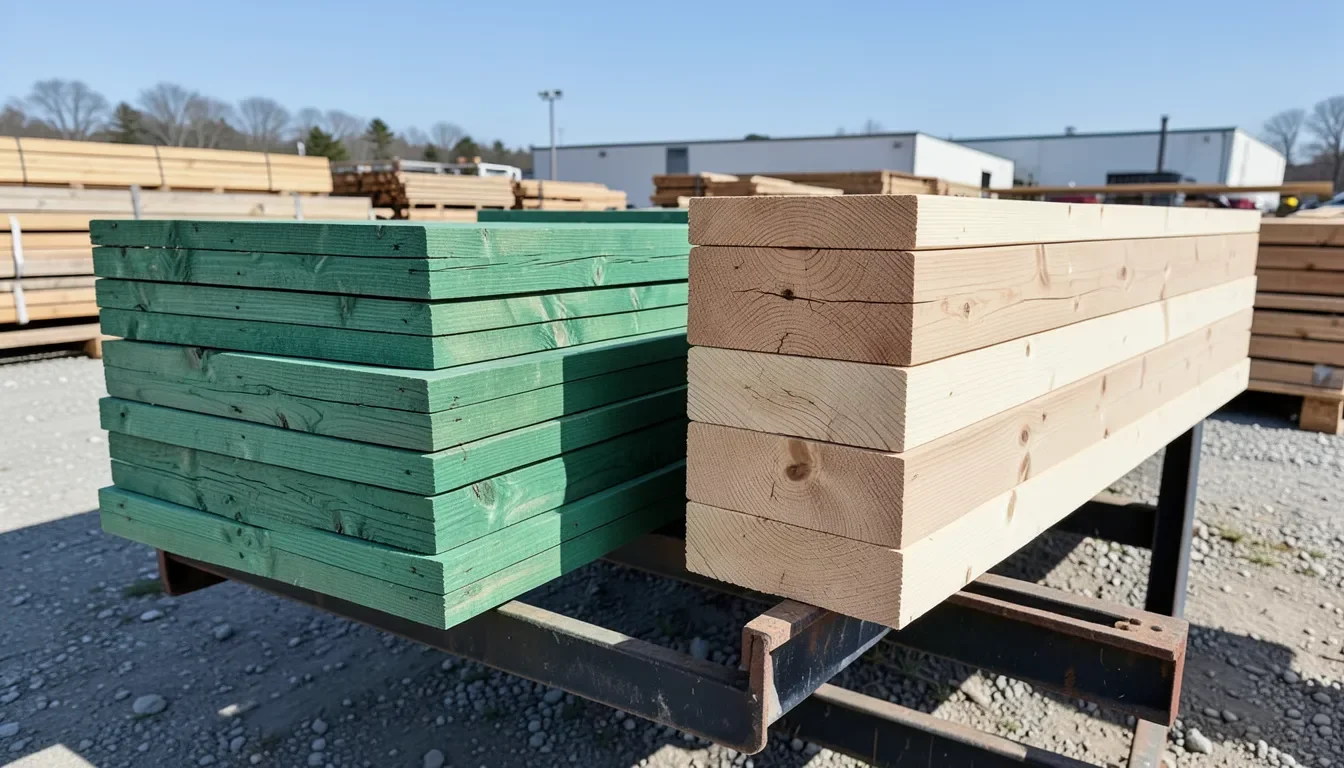
Pressure-treated wood and regular (untreated) wood can come from the exact same tree species and look almost identical on the rack, so the real difference is not the wood itself, it’s what happens to one of them before it ever reaches the lumberyard. Pressure treatment is a specific industrial process, not a stain or a coating, and it is the reason a treated deck board can sit in wet soil for decades while an untreated board in the same spot would be soft and rotting within a couple of years. Below is what actually changes at the fiber level, how the two current preservative chemistries (ACQ and copper azole) differ from the older CCA formula, the retention-level rating most buyers never check, why standard screws corrode faster in treated wood, and the real safety points worth knowing before you cut or burn either one.
How Pressure Treatment Actually Changes the Wood
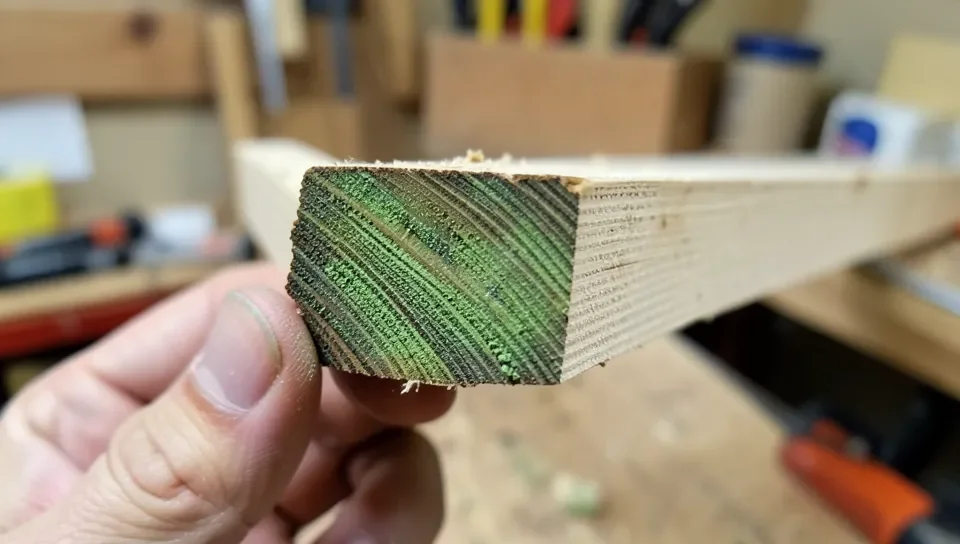
Pressure-treated lumber starts out as an ordinary softwood, almost always pine or spruce, that gets loaded into a sealed steel cylinder. Air is pulled out under vacuum, then a water-based preservative is forced in under high pressure so it penetrates deep into the wood’s cell structure rather than sitting on the surface like a coating would. Regular wood never goes through any of this: it is cut, dried, and sold as-is, with no chemical protection added at any point. Since 2003, the preservative used in almost all residential pressure-treated lumber has been a copper-based formula, typically ACQ (alkaline copper quaternary) or copper azole (sold under names like MCA), after the older CCA (chromated copper arsenate) formula was voluntarily phased out of residential use because of its arsenic content. CCA is still legal for a narrow set of industrial and agricultural uses like utility poles, but you should not run into it at a home-center lumberyard today. The copper in the modern formulas is what does the actual work: it is toxic to the fungi that cause rot and unappealing to wood-boring insects, which is why treated wood resists both threats that untreated wood has no defense against.
Best Fastener For ACQ-Treated Wood
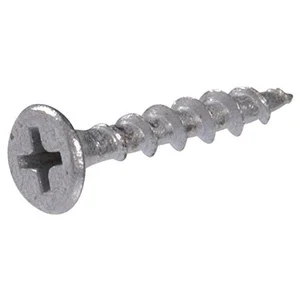 |
Hillman 47696 Galvanized Deck Screws, #8 x 3 Inch, 450-Pack – $35.72 The copper in ACQ and copper azole-treated lumber corrodes standard uncoated or electroplated screws through galvanic reaction; these are hot-dip galvanized specifically for ACQ/CA/CCA contact.
|
Retention Levels: The Rating Regular Wood Doesn’t Have
Not all pressure-treated lumber is treated to the same strength, and this is the detail most comparisons skip entirely. Every treated board carries an end tag showing its retention level, which is how much preservative was actually forced into the wood, measured in pounds per cubic foot. Boards rated for “above ground” use typically carry around 0.25 pcf, enough to protect a fence rail or deck baluster that stays dry most of the time. Boards rated “ground contact” are treated to roughly 0.40 pcf or higher so they can survive direct burial in soil, and a separate “structural” rating exists for load-bearing posts and beams. Using an above-ground board where a ground-contact board belongs, such as burying a fence post rated only for above-ground exposure, genuinely undermines the protection no matter what the general product line promises, because that specific board was never treated to that retention strength. Regular wood has no retention rating at all, since there is no preservative in it to measure.
Durability and Lifespan Compared
Correctly rated pressure-treated wood used within its intended exposure category can realistically last 20 to 40 years, with ground-contact-rated lumber on the lower end of that range because soil moisture is a harsher environment than open air. Regular wood exposed to the same weather and ground contact typically breaks down within 3 to 7 years, faster in humid climates, because it has no chemical barrier against the fungi and insects that cause rot. Indoors, where moisture and insect pressure are much lower, regular wood can last just as long as treated wood and is the better choice anyway, since treated lumber is not intended or recommended for indoor use or surfaces that contact food or skin regularly.
The gap narrows considerably if untreated wood is properly sealed and re-sealed on a regular schedule, but that upkeep has to actually happen every year or two to matter. For a closer look at how treated wood specifically compares against one popular naturally rot-resistant species, see our cedar vs. treated wood durability breakdown, which covers cedar’s own natural oils as an alternative to chemical treatment.
Fasteners: Why Standard Screws Corrode Faster in Treated Wood
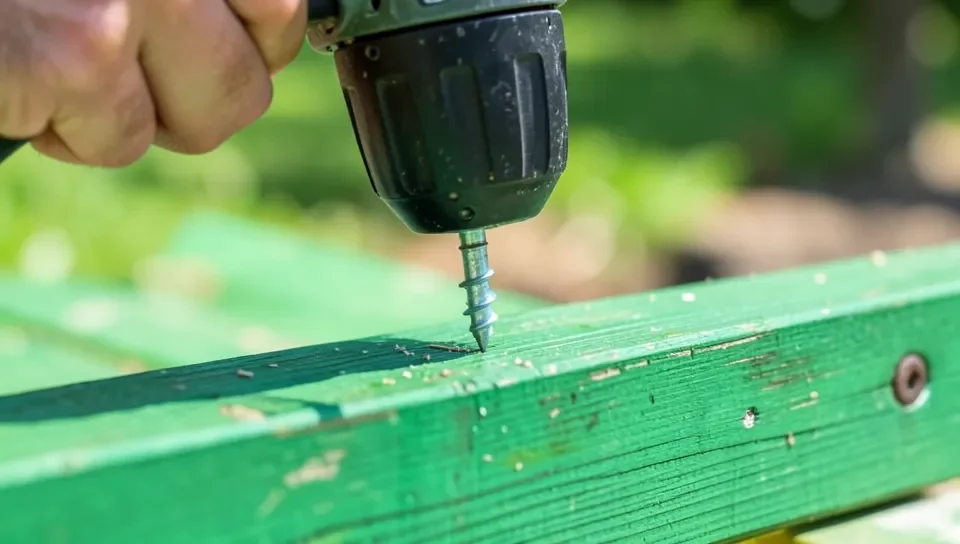
This is a real, practical difference that most buying guides leave out. The copper in ACQ and copper azole preservatives sits in direct contact with any metal fastener driven into the wood, and copper reacts with plain or electroplated steel through galvanic corrosion, which is a faster reaction than ordinary rust. A standard interior-grade screw left in ACQ-treated lumber can visibly corrode and weaken within a year or two outdoors. Regular wood has no such chemical reaction, so it is far more forgiving of whatever fastener happens to be on hand. Hardware manufacturers address this by hot-dip galvanizing fasteners specifically rated for ACQ, CA, and CCA contact, or by using stainless steel for the most demanding applications, and that rating should be printed on the packaging before you buy screws or nails for a treated-wood project.
Cost Considerations
Pressure-treated lumber typically costs 15 to 30 percent more than an equivalent size and grade of regular untreated softwood, because of the added treatment process itself. That upfront premium is usually worth it for anything exposed to weather or ground contact, since regular wood in that same environment will need full replacement in a few years, while correctly rated treated wood can go decades between replacements. For indoor furniture, trim, or anything that will stay dry, regular wood is both cheaper and the more appropriate material, so paying the treated-wood premium there buys you nothing.
Safety: Handling, Cutting, and Disposal
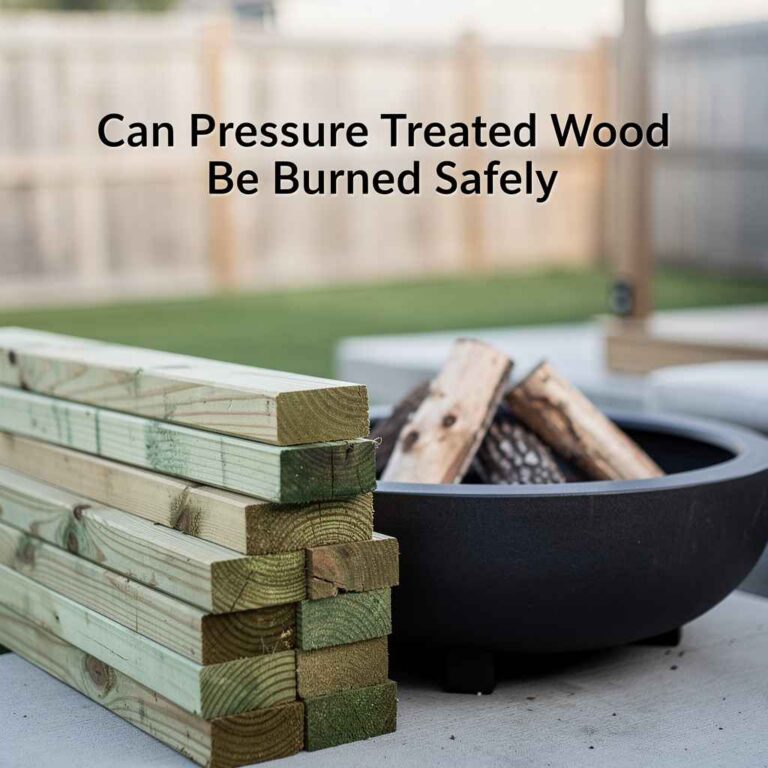
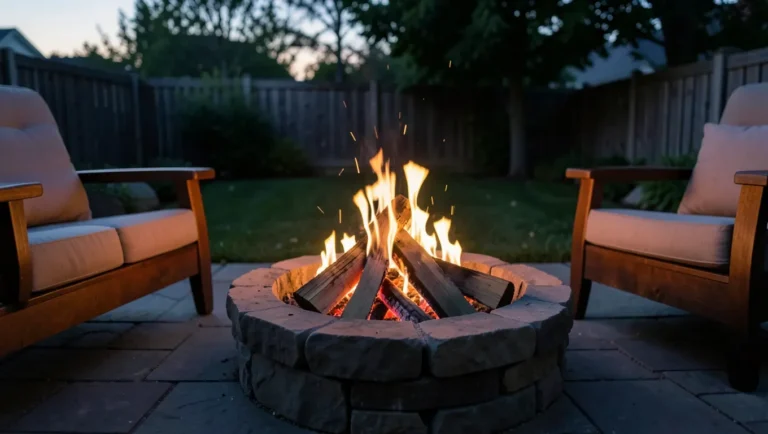
Modern ACQ and copper azole treatments are considered low-toxicity for normal handling, but two real precautions are worth taking seriously. First, wear a dust mask and eye protection when cutting or sanding treated wood, especially indoors or in an enclosed shop, since copper-treated sawdust is more of an inhalation irritant than sawdust from regular wood and dust control matters more than it does for an untreated board. Second, and more important, never burn pressure-treated wood scraps or sawdust in a fireplace, wood stove, campfire, or brush pile. The EPA has documented that burning treated wood concentrates the copper compounds in the ash and smoke to levels that are genuinely hazardous to breathe or handle, which is not a risk that applies to burning regular untreated wood at all. Treated-wood offcuts should go to a landfill or a disposal site that accepts them, never a burn pile.
Where Each Type Belongs
Pressure-treated wood is the right call for anything that will see repeated moisture or ground contact: deck framing and boards, fence posts and rails, raised garden bed frames, and any structural lumber sitting near or in the soil. Regular wood is the right call indoors and for anything that touches food, skin, or gets handled frequently, such as furniture, cutting boards, flooring, and interior trim, since it carries no preservative chemicals to worry about. If you want the natural rot resistance of an untreated wood for an outdoor project without the chemical treatment, species like cedar and redwood are worth comparing directly against treated lumber; our pressure-treated wood vs. cedar deck comparison covers that tradeoff in more detail, and our guide to wood treatment chemicals and AWPA retention codes breaks down every current treatment type and its rating system if you want to go deeper than the basics covered here.
Maintenance Requirements
Correctly rated treated wood needs comparatively little upkeep: a water-repellent sealer every 2 to 3 years extends its already-long life further but is not strictly required for it to resist rot and insects, since that protection is built into the wood itself. Regular wood outdoors needs the opposite approach: it should be sealed or stained before its first exposure to weather and resealed every 1 to 2 years, or it will start absorbing moisture, swelling, cracking, and eventually rotting regardless of species. Indoors, both types need only the ordinary care of any wood surface, such as an occasional wipe-down and refinishing when the surface wears, since neither is exposed to the elements that drive outdoor deterioration.
Splinters are a real consideration for either wood, and species like cedar can also cause skin irritation in some people even without any treatment involved; see our piece on whether cedar can cause a skin rash if that is a concern for a specific project.
Frequently Asked Questions
What is pressure-treated wood, exactly?
It is ordinary softwood, usually pine or spruce, that has been placed in a sealed chamber where a copper-based preservative (typically ACQ or copper azole) is forced deep into the wood’s cell structure under vacuum and pressure. This is different from a surface coating or stain because the preservative penetrates into the fibers rather than sitting on top of them, which is what gives it long-term resistance to rot and insects.
How long does pressure-treated wood actually last?
Correctly rated treated wood typically lasts 20 to 40 years, depending on its retention level and how it is used. Above-ground-rated boards on the higher end of that range, ground-contact-rated boards on the lower end, since soil moisture is a harsher exposure than open air. Using a board rated for the wrong exposure category will shorten that lifespan significantly.
Is regular untreated wood safe to use outdoors?
It can be used outdoors, but it needs to be sealed before exposure and resealed every 1 to 2 years to slow moisture absorption, rot, and insect damage. Without that upkeep, regular wood in an outdoor or ground-contact setting typically breaks down within 3 to 7 years, far sooner than correctly rated pressure-treated wood in the same spot.
What screws or nails should I use with pressure-treated wood?
Use fasteners specifically rated for ACQ, CA, or CCA contact, such as hot-dip galvanized or stainless steel screws and nails. Standard uncoated or electroplated steel fasteners corrode faster in treated wood because the copper preservative reacts with the metal through galvanic corrosion, which is not a concern with regular untreated wood.
Is it safe to burn pressure-treated wood scraps?
No. The EPA has documented that burning pressure-treated wood concentrates its copper compounds to hazardous levels in the resulting ash and smoke. Treated-wood offcuts and sawdust should be disposed of at a landfill or appropriate disposal site, never burned in a fireplace, wood stove, campfire, or brush pile. Regular untreated wood does not carry this risk.
Conclusion
The real difference between pressure-treated wood and regular wood comes down to one industrial process: forcing a copper-based preservative deep into the fibers under vacuum and pressure, which regular wood never receives. That process is what gives treated wood its decades-long resistance to rot and insects in wet or ground-contact conditions, but it also means checking the retention-level tag for the right exposure rating, using ACQ-compatible fasteners instead of standard screws, and never burning the offcuts. Regular wood remains the better, cheaper choice for anything indoors or away from moisture, where treated wood’s extra protection and cost buy you nothing. Match the wood, and the fasteners, to where the project actually lives, and either type will do its job for decades.
Sponsored / affiliate links. As an Amazon Associate I earn from qualifying purchases. I may earn additional commission from eligible campaigns.