Polystyrene Vs Polywood: Ultimate Material Showdown
Are you trying to decide between polystyrene and polywood for your next project? You’re not alone.
Many people find themselves torn between these two popular materials, each offering unique benefits and features. Whether you’re looking to build furniture, design interior spaces, or embark on a crafting adventure, choosing the right material is crucial. But how do you make the best choice?
Understanding the differences between polystyrene and polywood can save you time, money, and effort. Stick around, and you’ll discover which material fits your needs perfectly, ensuring your project is a success.
Credit: www.acmeplastics.com
Material Composition
Polystyrene is made from tiny plastic beads. These beads are melted and then cooled. This makes them hard and stiff. Polystyrene is lightweight. It can be shaped in many ways. It is used in cups and food containers. Polystyrene is also used in model kits. It is strong but can break.
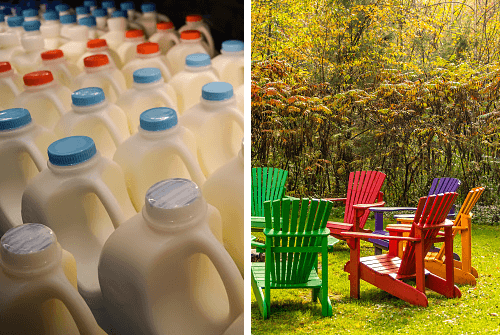
Polywood is made from recycled plastics. It includes milk jugs and detergent bottles. These plastics are cleaned and melted. Then, they are mixed with wood fibers. The mix is shaped into boards. Polywood is used for making furniture. It looks like real wood. It is durable and lasts long. Polywood does not rot or crack.
Environmental Impact
Polystyrene is not good for the environment. It takes a long time to break down. Many animals can eat it by mistake. Polywood is made from recycled materials. It helps reduce waste. This makes it better for the planet.
Recycling polystyrene is hard. It needs special places and machines. Many cities don’t recycle it. Polywood is easier to recycle. It can be reused in different ways. Throwing away polystyrene can harm the earth. Polywood is better for safe disposal.
Durability And Strength
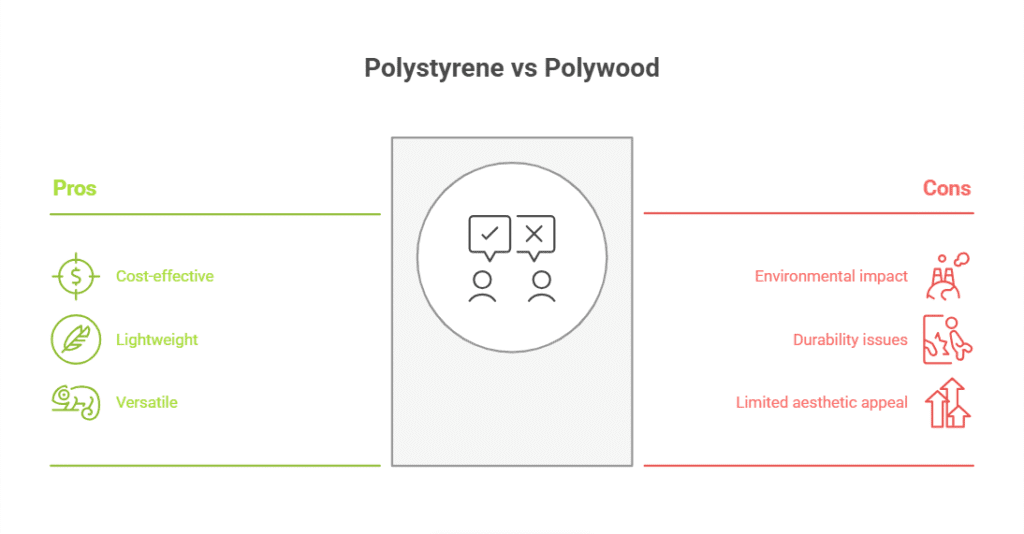
Polystyrene is known for its strong resistance to weather. It doesn’t rot, swell, or warp when wet. This makes it suitable for outdoor use. It stays looking new for a long time. Polywood also resists weather well. It does not fade easily in the sun. Rain won’t damage it. This keeps its color bright.
Polystyrene can handle heavy loads without breaking. It is often used in building materials. It is light but strong. Polywood is sturdy too. It supports weight well. It is often used for furniture. This makes it a good choice for seating.
Cost Analysis
Polystyrene is cheaper to buy. It is light and easy to make. Polywood costs more. It needs special machines to shape it. Polywood is also heavier. This makes it more expensive to move. Some people pick polystyrene for its low cost.
Polystyrene breaks down faster. You may need to replace it soon. This can cost more over time. Polywood lasts longer. It does not break easily. Spending more at first can save money later. Polywood does not need much care. This helps in saving money too.
Aesthetic Appeal
Polystyrene is known for its light weight and easy shaping. It can be molded into many designs. This makes it popular in artistic projects. You can create intricate shapes with polystyrene. It offers a lot of freedom to artists.
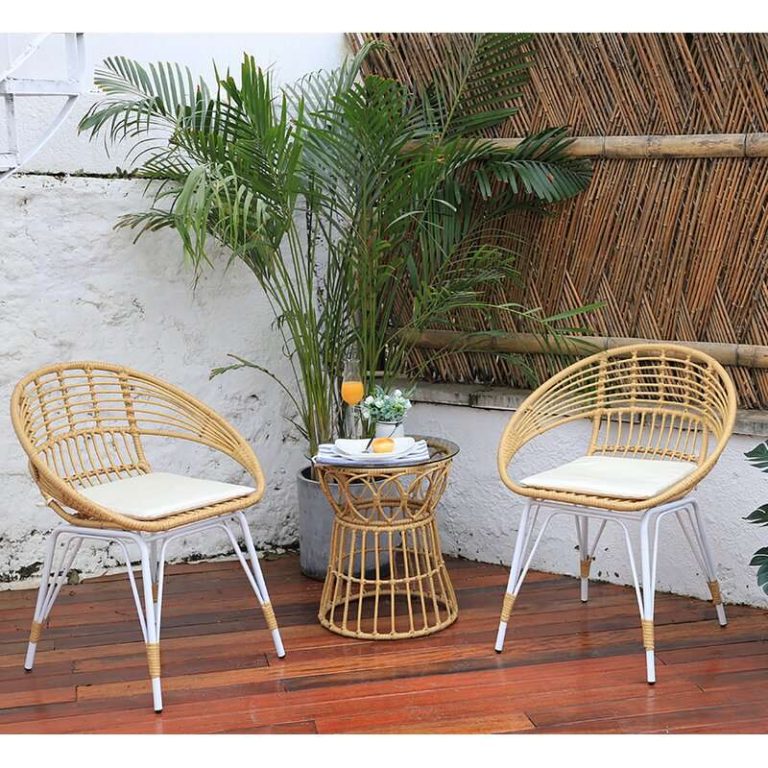
Polywood is a bit different. It mimics real wood but is more durable. Polywood is often used for furniture and outdoor items. It does not warp or fade easily. It is strong and lasts a long time.
Polystyrene has fewer color choices. Mostly it comes in white. You can paint it, but the color might fade. The texture is smooth and shiny.
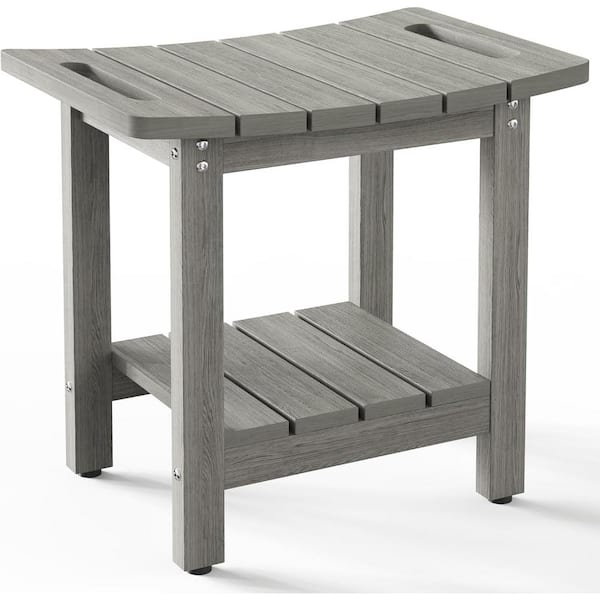
Polywood offers more texture and color options. It can look like different kinds of wood. Colors stay bright for years. The texture feels like real wood.
Credit: www.homedepot.com
Applications And Uses
Polystyrene is often used in home insulation. It keeps houses warm in winter. It also keeps them cool in summer. Polywood is used for making furniture. It is strong and durable. People use polywood for outdoor furniture too. It can withstand rain and sun. This makes it a popular choice. Both materials serve different needs at home.
Polystyrene is used in packaging. It protects fragile items. It is also used in food containers. These containers keep food fresh. Polywood finds use in making benches and signs. It does not rot or fade. This makes it ideal for outdoor use. Factories use it for flooring as well. It is safe and easy to clean.
Safety And Health Concerns
Polystyrene can release harmful chemicals. These chemicals are called VOCs. VOCs can be bad for health. People might get headaches or feel dizzy. Polywood is safer. It does not release many chemicals. This makes it better for indoor use. Families with kids might choose polywood. It is a healthier option.
Polystyrene is not good with fire. It can catch fire easily. This makes it risky in homes. Polywood is better with fire. It is more fire-resistant. This means it does not burn quickly. Many people feel safer with polywood. It gives them peace of mind. Safety is important for everyone.
Credit: www.polyteakoutdoor.com
Market Availability
Polystyrene is popular among many suppliers. It is easy to make and cheap. Polywood is made by combining different materials. It is more costly but strong. Suppliers of Polywood are fewer. Manufacturers of both materials are found globally. Polystyrene manufacturers are mainly from China. Polywood makers are in the USA and Europe.
Polystyrene is seen in all regions. It is used in packaging and craft. Polywood is less common. It is mostly in areas with high demand for furniture. Asia has a large market for Polystyrene. North America prefers Polywood for outdoor use. Europe shows interest in both materials. Each region has its preference. Availability depends on local needs.
Frequently Asked Questions
Is Polywood Made Of Polystyrene?
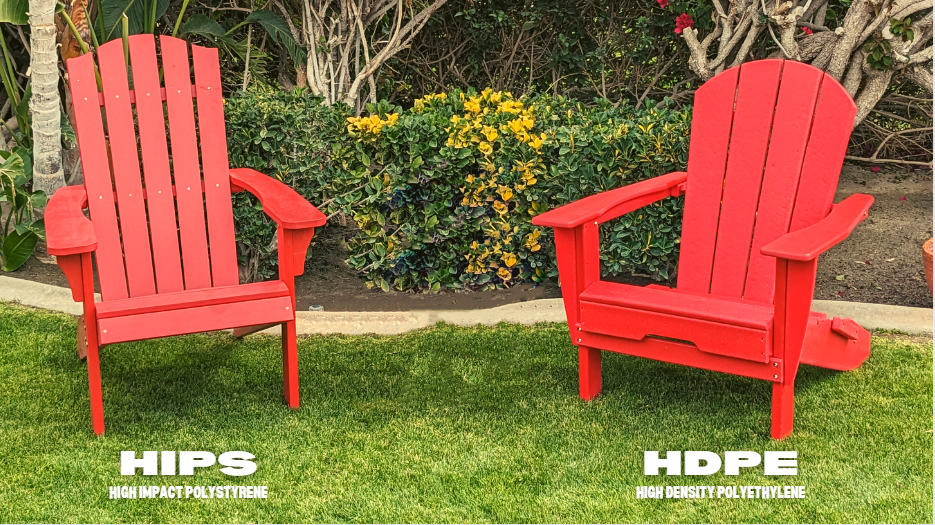
Polywood is not made of polystyrene. It is crafted from recycled high-density polyethylene (HDPE). This material is durable, weather-resistant, and eco-friendly, often used in outdoor furniture. HDPE mimics the look of wood without its maintenance needs, making it a popular choice for sustainable furniture.
What Brand Is Comparable To Polywood?
Trex Outdoor Furniture offers products comparable to Polywood in quality and durability. Both brands use recycled materials for eco-friendly furniture. Their offerings include weather-resistant designs suitable for outdoor use. Explore their collections for a range of stylish and sustainable options.
Are Polystyrene Chairs Good?
Polystyrene chairs are lightweight and affordable. They offer decent durability for casual use indoors and outdoors. They’re easy to clean and maintain, making them suitable for various settings. Consider their environmental impact, as polystyrene isn’t biodegradable. Choose these chairs for budget-friendly seating options in non-critical areas.
What Is The Downside Of Polywood?
Polywood can be expensive compared to traditional wood. It may lack the natural look some homeowners desire. Additionally, it can be heavy, making it difficult to move or rearrange furniture. Polywood can also have limited color options, potentially restricting design choices.
Conclusion
Choosing between polystyrene and polywood depends on your needs. Polystyrene is lightweight and water-resistant, ideal for insulation. Polywood offers durability, making it perfect for outdoor furniture. Both materials have their strengths and weaknesses. Consider the environment and purpose before deciding.
Polystyrene suits indoor and temporary uses. Polywood lasts longer in harsh conditions. Cost can also influence your choice. Think about maintenance and lifespan. Evaluate your priorities and budget. Making the right choice ensures satisfaction and value. Always weigh the pros and cons for your specific situation.