What Woods Look Good Together: Pairing Chart by Undertone
Walnut with maple, cherry with white oak, and ash with mahogany are woods that look good together, as long as their undertones agree or their lightness differs on purpose. The catch: several species darken with age, so a pairing that matches in the shop can drift apart. This guide gives pairing charts by undertone, color facts for eleven species, and a simple test to run before you cut.
Wood colors that go together share an undertone or sit a clear step apart in lightness. Reddish woods (cherry, red oak, mahogany) pair with each other and with pale maple. Brown, olive and neutral woods (walnut, white oak, ash) are the flexible middle. Keep one species dominant, use a second as the accent, and stop at three.
Wood Colors That Go Together — Complete Pairing Guide
Best Oil Pick for Testing Pairings
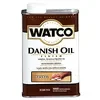 |
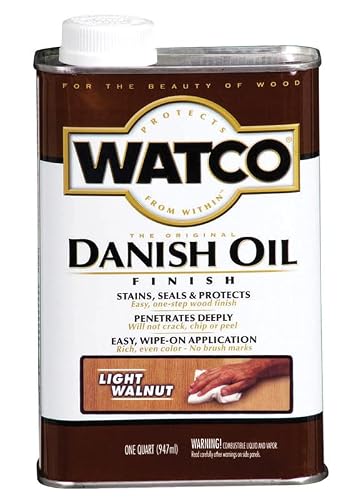
Watco Natural Danish Oil Wood Finish – $23.26 Wipe it on offcuts of both species to preview how each will look finished side by side, the test step this guide recommends before you commit to a pairing.
|
As an Amazon Associate we earn from qualifying purchases.
Every wood species has a base hue that shapes how it reads next to another. The fastest way to build a palette is to group species by that hue, then decide how much lightness contrast you want. The color notes below come from the Wood Database species pages, and the pairing advice is design guidance built on those colors, not a fixed rule.
Warm-Toned Wood Pairings
| Primary Wood | Best Pairing | Why It Works | Best Application |
|---|---|---|---|
| Walnut (pale to dark chocolate brown, sometimes grey, purple or reddish) | Hard maple, white oak, ash | A paler partner lets walnut read as the dark anchor instead of competing with it | Dining tables, bedroom furniture |
| Cherry (light pinkish brown when fresh, deepening to reddish brown) | Hard maple, white oak | Pale maple lifts cherry; white oak’s olive cast calms the red | Cabinets, heirloom pieces |
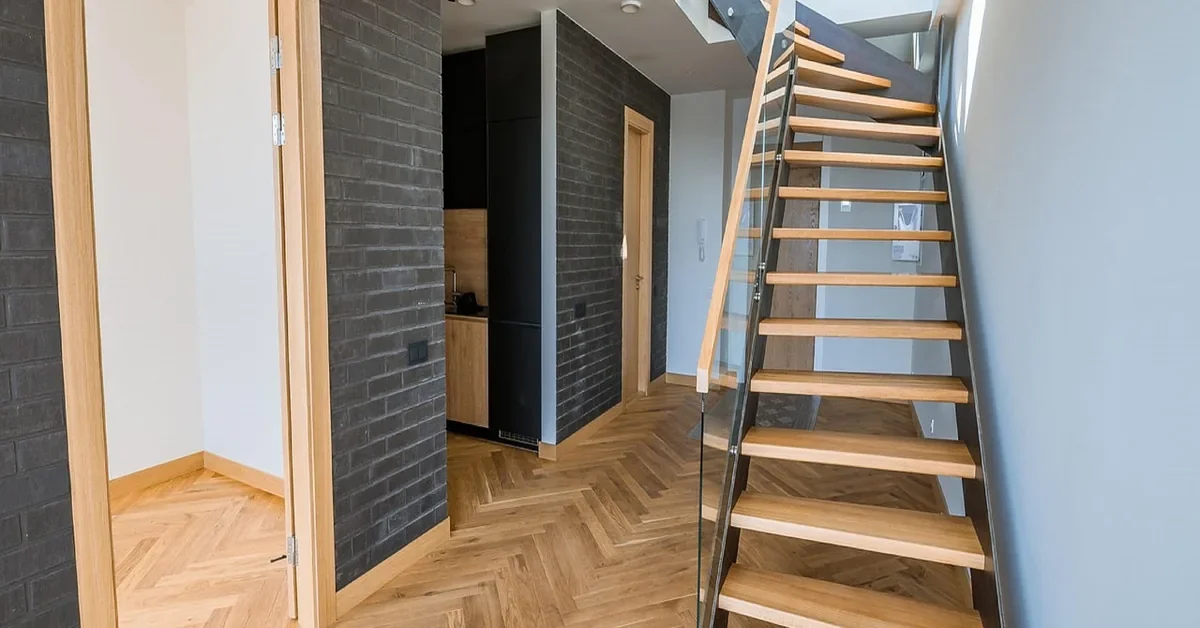
| Red oak (light to medium brown, commonly reddish) | Cherry, walnut | Shared reddish cast makes the two read as one family; keep one dominant | Flooring, staircase accents |
| Teak (golden to medium brown, darkens with age) | Mahogany, walnut | Both settle into deeper tones over time, so the pairing stays cohesive | Outdoor and marine furniture |
| Eastern white pine (light brown, sometimes slightly reddish) | Walnut, cherry | Pine darkens with age, so the gap to a dark partner narrows slowly | Rustic furniture, shelving |
Cool-Toned and Neutral Wood Pairings
Be careful with the word cool here. Hard maple sapwood is nearly white to cream and sometimes carries a golden or reddish hue, so it is light and neutral rather than truly cool. Treat this group as the paler, quieter woods that make darker ones stand out.
| Primary Wood | Best Pairing | Why It Works | Best Application |
|---|---|---|---|
| Hard maple (nearly white to cream) | Walnut, mahogany | Highest lightness contrast: pale maple makes dark accents pop | Cutting boards, countertops |
| White ash (beige to light brown sapwood) | Walnut, wenge | A light, even field lets a very dark partner read as deliberate | Flooring, tool handles |
| White oak (light to medium brown, olive cast) | Walnut, cherry | The olive cast sits between red and brown, which makes it a good bridge | Cabinetry, mid-century furniture |
| Yellow birch (light reddish brown heartwood, nearly white sapwood) | Walnut, mahogany | A light body with a faint warmth keeps dark accents from looking harsh | Plywood projects, light interiors |
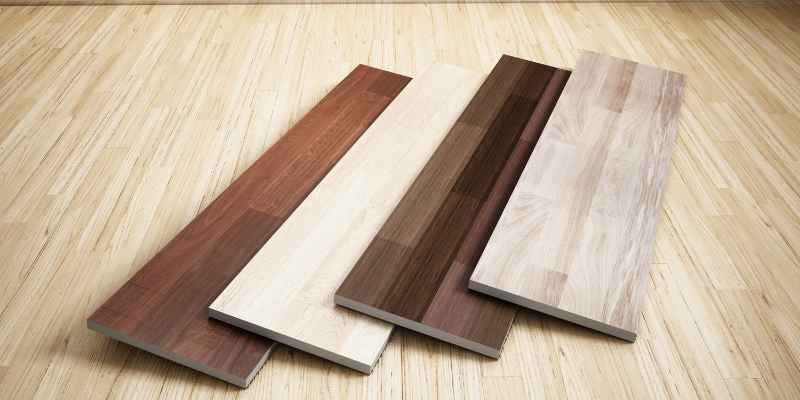
What Each Wood Really Looks Like (and Why Labels Mislead)
Generic labels hide the details that decide a pairing. Oak is not one color: red oak is described as light to medium brown with a reddish cast, while white oak is light to medium brown with an olive cast. Put red oak beside cherry and the red compounds. Put white oak beside cherry and the olive cast dilutes it. Our guide to oak wood color goes deeper on that split.
Maple has its own surprise. The sapwood most lumber is cut from runs from nearly white to cream, and the Wood Database notes that it sometimes shows a reddish or golden hue. That is why maple can look warm next to a grey-toned walnut and cool next to cherry. Test it against the exact partner board, not a catalog photo. If you also care about grain texture, the wood grain comparison chart shows how open-pored species like oak sit beside tight-grained maple.
Pairings That Change Over Time
Most pairing guides treat color as fixed. It is not. Several popular furniture woods shift as they age, and the shift can close or open the gap you planned.
| Wood | Color when fresh | Documented change (Wood Database) | What it means for a pairing |
|---|---|---|---|
| Cherry | Light pinkish brown | Darkens to a medium reddish brown with time and light exposure | Pair with maple and the contrast grows; pair with walnut and it shrinks |
| Teak | Golden to medium brown | Darkens with age | A golden teak table beside new mahogany will move toward it |
| Eastern white pine | Light brown, sapwood pale yellow to nearly white | Tends to darken with age | Pine next to walnut starts with high contrast and softens over time |
| Honduran mahogany | Pale pinkish brown to darker reddish brown | Tends to darken with age | Match new mahogany to old pieces by their eventual color, not today’s |
| Wenge | Medium brown with nearly black streaks | Oiled wenge can turn nearly black and may lighten with sunlight | Sunny rooms can wash out a dark accent that looked black in the shop |
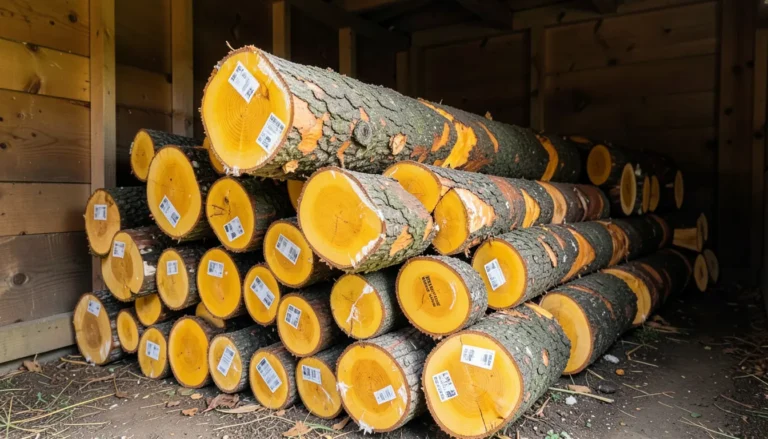
Freshly cut cherry is pale pinkish brown and deepens to a reddish brown as it ages and takes in light. Source: Wood Database, Black Cherry
This is the information most guides skip. If you are building a cherry piece to sit next to existing maple, design for how cherry will look in a few years, and never judge a cherry board next to a pale partner on the day it is cut. Wood Database also notes that cherry’s aged look is often copied on other hardwoods with stain, which tells you how much people value that deeper tone.
The Art of Mixing Wood Tones
A common design rule of thumb is to let one wood dominate, give a second wood a supporting role, and use a third only as a small accent. That is guidance, not science, but it works because the eye reads a dominant tone as the room’s background and everything else as deliberate. Avoid using more than three species in one sightline.
Style matters too. Rustic rooms tolerate more variation in tone and grain, while modern rooms usually look better with fewer species and cleaner contrast. If your base wood is pine, our guide to staining pine explains why stained pine rarely matches the color on the can, which affects any pairing you plan around it.
Examples of Complementary Woods
Walnut and Maple
The classic high-contrast pair. Maple sapwood is nearly white to cream and walnut runs from pale to dark chocolate brown, so the gap in lightness is obvious and intentional. Cutting boards, table tops with walnut legs, and cabinet doors with maple frames all use this logic. If you want maple to look more current in a kitchen, see how to make maple cabinets look modern.
Cherry and White Oak
Cherry brings a reddish brown that deepens with age, and white oak brings an olive-tinged light to medium brown. The olive cast stops the red from taking over, so this pair suits cabinets with oak flooring or an oak table with cherry chairs.
Red Oak and Walnut
Red oak is light to medium brown with a reddish cast. Walnut, which can show a reddish cast of its own, deepens the palette without introducing a new hue. Expect a close match in warmth and a clear gap in darkness.
Ash and Mahogany
White ash heartwood is light to medium brown with a beige to light brown sapwood. Honduran mahogany ranges from pale pinkish brown to darker reddish brown and darkens with age. The paler ash keeps mahogany from looking heavy.
Contrasting Woods: How Much Difference Looks Intentional
The most common mistake with contrasting woods is a gap that is almost big enough. Either match closely or separate clearly. The table rates contrast from the color descriptions above; it is our judgment, not a measured value.
| Pairing | Contrast | What to expect |
|---|---|---|
| Walnut + hard maple | High | Clear dark and light; reads as deliberate |
| Cherry + hard maple | Medium to high | Warm red against cream; the gap grows as cherry darkens |
| Ash + mahogany | Medium | Light body with a reddish accent |
| White oak + walnut | Medium | Olive-tinged light brown against a deep brown |
| Red oak + cherry | Low | Both reddish; risk of looking like a near miss |
| Teak + mahogany | Low to medium | Both deepen with age; reads as one warm family |
Incorporating Different Wood Finishes
A finish can bridge two woods that are slightly off. An oil finish deepens each species and keeps its own character, while a stain can tint a lighter wood toward a darker partner. Always test on offcuts, since the same stain reads differently on maple than on oak. Our guide to color matching stain covers the mixing side, gel stain vs oil stain compares the two styles by species, and dark walnut vs espresso helps if you are choosing between two popular dark tones. If you want to darken a pale wood to meet its partner, how to stain wood darker shows the steps.
| Finish Type | Appearance | Use on Mixed Woods? | Maintenance |
|---|---|---|---|
| Stain | Adds color and evens differences | Yes, to pull a lighter wood toward a darker one | Reapply over time |
| Penetrating oil | Deepens natural color, low sheen | Yes, keeps each species distinct | Occasional re-oiling |
| Gloss clear coat | Reflective, emphasizes grain and color contrast | Use consistently across all pieces | Wipes clean easily |
| Matte clear coat | Soft, muted look | Good for tying different species together | Hides minor marks |
Safety note: rags soaked with oil finishes can heat up and ignite as they cure. Follow the disposal directions on the can, and never leave a wadded oily rag in a pile.
Test Before You Commit
- Cut small offcuts from the actual boards you will use, not from a similar species.
- Apply the same finish you plan to use to both pieces and let it dry fully.
- Set the pieces side by side where the finished furniture will sit and look at them in morning and evening light.
- Keep one offcut in a sunny spot and one in a drawer. If they drift apart, the pairing will drift too.
Common Mistakes to Avoid
Avoid overmatching: boards that are nearly the same tone look like a mistake rather than a design. Avoid too many species at once. Judge color in the room’s own light, since daylight, lamps and window direction all change how wood reads. Dark wood can feel heavy in a small, dim room, while light wood can brighten it.
Mixing Several Woods in One Room
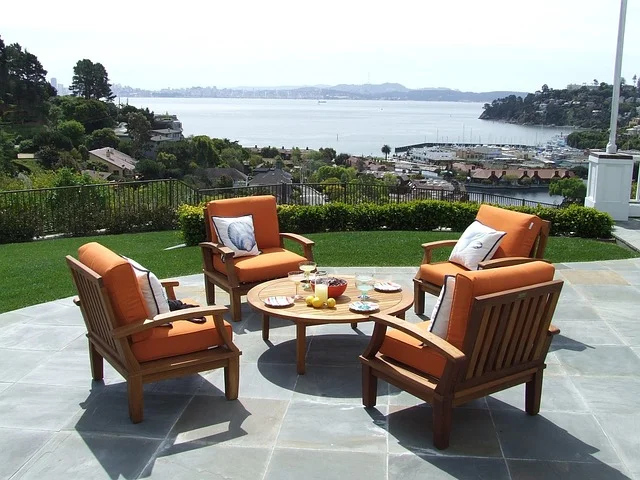
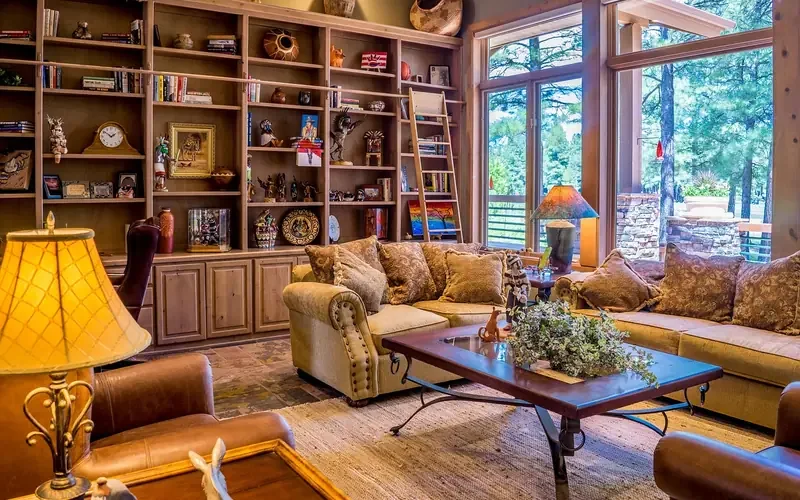
Many successful interiors use one dominant wood for floors or large furniture, then a different wood for accents like table legs, shelving or trim. The room below combines honey-toned shelving with a darker red-brown coffee table, and leather and rug tones tie them together. For a broader set of projects to try, browse our woodworking projects and tips guide.
Frequently Asked Questions
What wood colors go together best?
Woods that share an undertone go together most naturally: reddish woods such as cherry, red oak and mahogany pair with each other, while pale maple, ash and white oak make flexible partners. The most striking combinations pair a very dark wood like walnut with a very light one like hard maple for maximum contrast.
What wood types complement each other well?
Walnut and hard maple give high contrast. Cherry and white oak balance red against an olive-tinged brown. Ash and mahogany pair a light, even wood with a reddish accent. Keep one species dominant and limit the palette to two or three.
Can I mix different wood finishes?
Yes. Keep the undertone consistent across species and consider one unifying stain to pull a lighter wood toward a darker one. Use the same sheen on every piece, since mixing gloss and matte on one piece makes the pairing look inconsistent.
How do I choose wood for my project?
Start with the room’s existing tones and the project’s purpose. Hardwoods like maple and oak offer durability, while softwoods like pine are easier to work and lighter in both weight and color. Test finished offcuts of every species together before cutting.
Do cherry and walnut look good together?
Usually yes, but the gap shrinks over time. Cherry darkens from light pinkish brown to a medium reddish brown with light exposure, while walnut ranges from pale to dark chocolate brown. If you want clear contrast, pair cherry with maple instead.
Do woods change color over time?
Some do. The Wood Database notes that cherry, teak, eastern white pine and Honduran mahogany darken with age, and that oiled wenge can lighten with sunlight. Plan your pairing for the color the wood will have in a few years, not the day it is cut.
The best wood combinations pair a clear dominant species with a deliberate accent, match undertones or separate lightness on purpose, and account for how color changes with age. Test finished offcuts side by side in your own light before you commit.
Sponsored / affiliate links. As an Amazon Associate I earn from qualifying purchases. I may earn additional commission from eligible campaigns.