Portrait Wood Burning: Master the Art of Crafting Mesmerizing Wooden Portraits
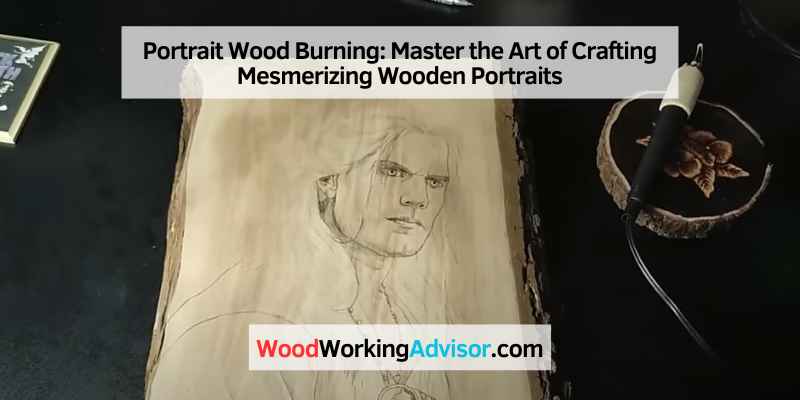
Portrait wood burning, also known as pyrography, is the art of creating designs on wood using a heated tool. It is a popular technique for creating detailed and personalized portraits on wood surfaces.
Pyrography involves the use of a heated metal tip to burn designs onto the wood, allowing for the creation of intricate and stunning pieces of art. This versatile artistic form can be used to create custom portrait gifts, wall art, and decor, making it a unique and personalized addition to any home or office.
Whether you are an experienced artist or a beginner, portrait wood burning offers a creative and timeless way to showcase the beauty of wood while capturing the essence of a portrait. With its rich history and growing popularity, portrait wood burning is a captivating art form that continues to inspire and amaze enthusiasts worldwide.
Getting Started
When it comes to the art of portrait wood burning, getting started can be both exciting and challenging. It offers a unique way to create personalized and meaningful artworks. But before diving into this creative venture, there are a few essential aspects to consider, from choosing the right wood to gathering the necessary tools and materials.
Choosing The Right Wood
The type of wood you select for portrait wood burning plays a crucial role in the outcome of your artwork. Softwoods like pine are suitable for beginners due to their ease of burning, while hardwoods like birch offer a smoother surface for intricate details. Consider the grain orientation of the wood as well, as it can impact the burning process and final result.
Essential Tools And Materials
To embark on portrait wood burning, you will need essential tools and materials. These include a high-quality wood burning tool with interchangeable tips for varying effects, sandpaper for preparing the wood surface, graphite paper for transferring designs, and a pencil for sketching. Additionally, invest in a wood burning pattern to guide your artwork and protective gear such as goggles and a mask for safety.
Techniques And Tips
Portrait wood burning is a captivating form of art that requires a combination of skill, patience, and attention to detail. Whether you are a beginner or an experienced artist, mastering the techniques and tips for portrait wood burning can take your artwork to the next level. In the following sections, we will explore the essential aspects of preparing the wood surface and mastering shading and detailing, to help you enhance your portrait wood burning skills.
Preparing The Wood Surface
Before you start your portrait wood burning project, it is crucial to prepare the wood surface properly. Here are some key steps to consider:
- Choose a smooth and even-grained wood board, such as birch or maple, to ensure a suitable canvas for your portrait.
- Ensure the wood surface is clean and free from any dust or debris before you begin the wood burning process.
- Lightly sand the wood to create a smooth and uniform surface, which will facilitate better control and precision during the burning process.
- Seal the wood with a wood conditioner or sanding sealer to prevent the wood from absorbing the heat too quickly, which can lead to uneven burning and discoloration.
Mastering Shading And Detailing
Shading and detailing are integral aspects of portrait wood burning, allowing you to create depth and realism in your artwork. Here are some techniques to help you master shading and detailing:
- Experiment with different types of wood burning tips, such as shaders and skew tips, to achieve various shading effects and precise detailing.
- Practice controlling the temperature and pressure of your wood burning tool to create gradual transitions and smooth shading, especially when working on intricate facial features.
- Study light and shadow principles to understand how they can be translated into your wood burning artwork, enhancing the illusion of depth and dimension.
- Take your time and work gradually, building up layers of shading and detailing to achieve a realistic and visually captivating portrait.
Creating Your Masterpiece
When creating your masterpiece with portrait wood burning, attention to detail is crucial.
Every stroke adds to the beauty of the final piece.
Selecting The Perfect Image
Choose an image with clear features and distinct lines for the best results.
Transferring The Design Onto Wood
Utilize transfer paper to easily trace your design onto the wood surface.
Adding Depth And Realism
Delve into the art of portrait wood burning to infuse your creations with depth and realism. By intricately etching the details of a face onto wood, you can capture the soulful essence of your subject, resulting in a stunning and lifelike masterpiece.
Playing With Light And Shadow
When it comes to creating realistic and captivating portrait wood burnings, one of the key techniques to master is the art of adding depth and realism. By skillfully manipulating light and shadow in your artwork, you can achieve a sense of three-dimensional form and bring your subjects to life. In this section, we will explore how playing with light and shadow can elevate your portrait wood burnings to a whole new level.
Light and shadow are essential elements in any visual art form. In portrait wood burning, they play a crucial role in creating the illusion of depth and enhancing the overall realism of your artwork. By carefully studying the way light falls on the face and how shadows interact with different facial features, you can create stunning effects that make your portraits truly stand out.
To effectively play with light and shadow, it is important to understand the anatomy of the face and how light interacts with different facial planes. This knowledge allows you to accurately depict the subtle variations in tones and textures, ultimately adding depth and dimension to your wood burnings.
Enhancing Depth Perception
Understanding Facial Structure
To successfully create depth in your portrait wood burnings, it is crucial to have a solid foundation in understanding the structure of the human face. By comprehending how the various facial features are positioned in relation to each other, you will be able to accurately represent the three-dimensional form on a two-dimensional surface.
Imagine the face as a combination of different planes or surfaces. Each plane will respond differently to light and shadow. For example, the forehead will catch more light than the area around the eyes or the hollows of the cheeks. By recognizing these variations, you can add depth and dimension to your wood burnings by carefully replicating the play of light and shadow on these different planes.
Creating Highlights and Shadows
Now that you understand the importance of facial structure, you can begin incorporating highlights and shadows into your portrait wood burnings. Highlights are areas on the face that catch the most light, while shadows are areas that are shielded from direct light.
When wood burning, you can use different techniques to depict highlights and shadows. For highlights, you can carefully burn lighter and thinner lines, allowing more of the underlying wood color to show through. Shadows, on the other hand, can be created by applying more pressure and using darker tones. By varying the intensity of your burns, you can effectively create the illusion of depth and enhance the three-dimensional quality of your portraits.
Code Example:
lighter and thinner lines
Finishing Touches
Enhance your portrait with exquisite wood burning details, adding the perfect finishing touches to capture the beauty and depth of your subject.
Portrait wood burning is a captivating art form that combines the natural beauty of wood with the intricate details of a portrait. As an artist, your talent and dedication shine through in every stroke and burn. However, to truly bring your artwork to life, you need to pay attention to the finishing touches. These final steps not only enhance the overall appearance of your portrait but also protect it from external elements, ensuring its longevity. In this section, we will explore two crucial aspects of finishing a portrait wood burning: choosing the right finish and protecting your artwork.
Choosing The Right Finish
When it comes to choosing the right finish for your portrait wood burning, there are several factors to consider. The finish serves as a protective barrier, enhancing the durability of your artwork while also adding a polished and professional look. Depending on your preference and the desired effect, you can choose from various options:
- Oil-based finishes: These finishes, such as linseed oil or tung oil, provide a rich and deep look to the wood grain. They also penetrate the wood, offering excellent protection against moisture and wear.
- Water-based finishes: If you prefer a finish that dries quickly and emits fewer fumes, water-based finishes are a great choice. They are available in different sheens, from matte to glossy, allowing you to achieve the desired final look.
- Wax finishes: Wax finishes offer a soft and natural sheen to your wood burning. They are easy to apply and provide a smooth feel to the surface. However, keep in mind that wax finishes generally require regular reapplication to maintain their protective qualities.
Ultimately, the right finish for your portrait wood burning depends on your artistic vision and the level of protection you desire. Experiment with different finishes on scrap pieces of wood to determine which one best captures the essence of your artwork.
Protecting Your Artwork
Once you have applied the chosen finish to your portrait wood burning, it is important to take steps to protect your artwork from potential damage. By following a few simple guidelines, you can ensure the longevity of your masterpiece:
- Avoid direct exposure to sunlight: Ultraviolet rays from the sun can fade and discolor your wood burning over time. Display your artwork away from windows or use UV-resistant glass to protect it.
- Handle with care: Although wood burnings are durable, they can still be susceptible to scratches and dents. Handle your artwork with clean hands and consider adding a layer of protective varnish for added resilience.
- Control humidity and temperature: Extreme changes in humidity and temperature can cause wood to expand or contract, leading to cracks in your artwork. Keep your wood burning in a stable environment with controlled moisture levels.
By implementing these protective measures, you can enjoy your portrait wood burning for years to come, preserving its beauty and craftsmanship. The finishing touches not only enhance the visual appeal of your artwork but also secure its place as a cherished piece of artistic expression.
Troubleshooting
If you’re troubleshooting portrait wood burning, our guide offers practical tips to help you resolve any issues and ensure your artwork turns out beautifully. Discover solutions to common problems while keeping your artistic vision intact.
Introduction:
When it comes to Portrait Wood Burning, troubleshooting is a crucial aspect of the process. Regardless of your skill level, it’s common to encounter obstacles along the way. To help you overcome these challenges, let’s explore common mistakes and effective solutions to fix errors.
Dealing With Common Mistakes
- Use the right temperature setting for different types of wood
- Ensure the wood surface is clean and smooth
- Avoid pressing too hard or too lightly on the wood
Fixing Errors
- If the lines appear too dark, try lowering the temperature
- To fix smudges, gently sand the affected area
- For inconsistent burn marks, adjust your speed and pressure
Showcasing Your Work
When it comes to wood burning, showcasing your work is an essential step in gaining recognition for your artistic talent. As a portrait wood burning artist, it’s important to find effective ways to display and share your wooden portraits with others.
Displaying Your Wooden Portraits
One of the best ways to display your wooden portraits is by arranging an exhibition or participating in art shows. This allows you to showcase your work to a wider audience and connect with potential buyers who appreciate the intricacy and beauty of wood-burned portraits. Another option is to collaborate with local galleries or coffee shops to feature your artwork in their spaces.
Sharing Your Art Online
Sharing your art online is a powerful way to reach a global audience. Creating a professional website or using platforms such as Etsy or Artstation can help you showcase your wooden portraits to art enthusiasts and potential customers. Utilize social media platforms like Instagram and Pinterest to share your work, engage with followers, and build a community around your art.
Frequently Asked Questions Of Portrait Wood Burning
What Is Portrait Wood Burning?
Portrait wood burning is a unique art form that involves using a heated tool to burn intricate designs onto wood surfaces, creating beautiful portraits. It requires precision, skill, and patience to achieve stunning results.
What Materials Do I Need For Portrait Wood Burning?
To start portrait wood burning, you’ll need a wood burning tool with different interchangeable tips, a wood surface like plywood or basswood, graphite paper for transferring designs, sandpaper for smoothing the wood, and a pencil for sketching designs.
How Do I Choose A Design For Portrait Wood Burning?
When choosing a design for portrait wood burning, consider selecting a high-resolution photograph with clear facial features and good contrast. Simplify the design by converting it to black and white, and adjust any necessary details to fit the wood surface dimensions.
What Safety Precautions Should I Take While Wood Burning?
It’s important to take safety precautions when wood burning. Work in a well-ventilated area, use safety goggles, and consider wearing a breathing mask to avoid inhaling fumes. Always keep the wood burning tool away from flammable materials and unplug it when not in use.
Conclusion
Incorporating portrait wood burning into your artistic endeavors can bring warmth and character to your creations. Embrace the beauty of this traditional art form and let your creativity shine through. Elevate your craft with intricate designs and personalized touches that will captivate viewers and leave a lasting impression.