Pros And Cons of MDF Cabinets: A Balanced Overview
MDF cabinets offer affordability and durability, but are less strong than solid wood and prone to moisture damage. When considering MDF cabinets, it’s important to weigh the pros and cons carefully.
MDF, or Medium-Density Fiberboard, is a popular material for cabinets due to its cost-effectiveness and versatility in design. However, MDF is not as strong as solid wood and is more susceptible to moisture damage, which can lead to warping and swelling.
Understanding the advantages and disadvantages of MDF cabinets can help you make an informed decision when choosing cabinetry for your space.
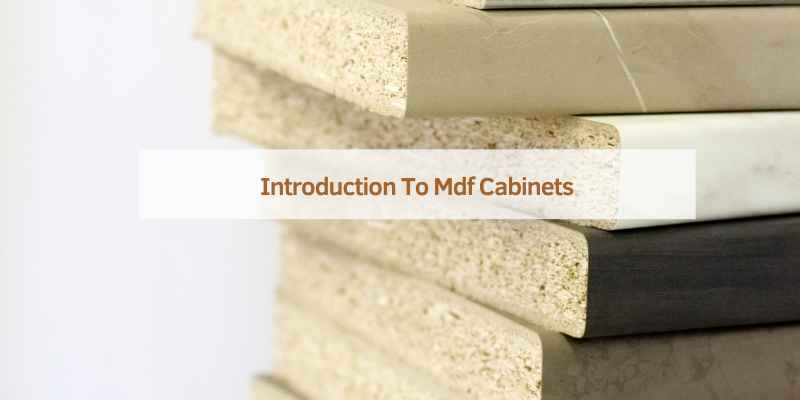
Introduction To MDF Cabinets
MDF cabinets are a popular choice for homeowners due to their affordability and smooth finish. However, they are more susceptible to moisture damage and not as durable as solid wood cabinets. While MDF cabinets offer cost savings, they require proper maintenance to ensure longevity.
What Is MDF?
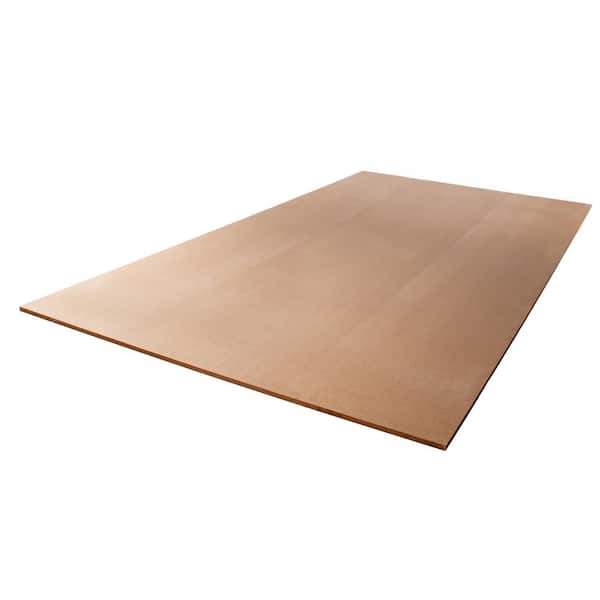
Medium-density fiberboard (MDF) is a type of engineered wood made from wood fibers and resin. The wood fibers are compressed under high pressure and heat, creating a dense, strong board that can be cut and shaped like natural wood. MDF is a popular material for kitchen cabinets, furniture, and other decorative items because it is more affordable than solid wood.
How MDF Cabinets Are Made
MDF cabinets are made by cutting the MDF boards into the desired sizes and shapes, then joining them together with glue, staples, or dowels. The cabinets are then finished with a veneer or laminate to give them a polished look. One advantage of MDF cabinets is that they can be painted or stained to match any decor.
| Pros | Cons |
|---|---|
| – More affordable than solid wood | – Not as strong as solid wood |
| – Smooth, even surface for painting or staining | – Susceptible to moisture damage |
| – Environmentally friendly, made from recycled wood fibers | – Can release formaldehyde if not properly sealed |
| – Consistent quality, no knots or grain patterns to work around | – Can be difficult to repair if damaged |
MDF cabinets have their advantages and disadvantages, so it’s important to weigh the pros and cons before making a decision. While MDF is not as strong or durable as solid wood, it is more affordable and environmentally friendly. However, it is also more susceptible to moisture damage and can release formaldehyde if not properly sealed. Ultimately, the choice between MDF and solid wood cabinets comes down to personal preference and budget.
MDF Cabinets: The Pros
MDF cabinets offer a smooth, uniform finish and are more affordable than solid wood cabinets. They are also resistant to warping and cracking, making them a durable option for kitchen and bathroom cabinets. With proper maintenance, MDF cabinets can last for many years.
Affordability
When it comes to cabinets, one of the most important factors to consider is affordability. MDF (Medium-Density Fiberboard) cabinets are an excellent choice for those on a budget, as they are significantly less expensive than their solid wood counterparts. This is because MDF is made from composite wood materials, which are more affordable than natural wood. Additionally, MDF cabinets require less labor to manufacture and install, which further reduces costs.
Resistance To Humidity
MDF cabinets are also a great option for humid climates or areas with high moisture levels. Unlike natural wood, MDF is not prone to swelling or warping when exposed to moisture. This is because MDF is made from tightly compressed fibers, which give it a high level of dimensional stability. As a result, MDF cabinets can withstand fluctuations in humidity without compromising their structural integrity.
Smooth Finish For Painting
If you’re planning on painting your cabinets, MDF is an excellent choice. MDF has a very smooth and consistent surface, which makes it easy to paint. Unlike natural wood, MDF does not have any knots or grain patterns that can cause uneven absorption of paint. As a result, MDF cabinets can be painted to achieve a flawless, professional-looking finish.
Dimensional Stability
Finally, MDF cabinets are known for their dimensional stability. MDF is made from uniform and densely packed fibers, which means that it is less likely to expand, contract, or warp over time. This makes MDF a great choice for cabinets, as it ensures that your cabinets will maintain their shape and structural integrity for many years to come.
In conclusion, MDF cabinets offer a range of benefits, including affordability, resistance to humidity, a smooth finish for painting, and dimensional stability. While there are some downsides to MDF cabinets, such as susceptibility to moisture damage, they are an excellent choice for those on a budget or living in humid climates.
MDF Cabinets: The Cons
MDF cabinets have some drawbacks. Despite being denser than particleboard, MDF is not as durable as solid wood and is prone to moisture damage, leading to warping and expansion. While more affordable, they require careful maintenance to ensure longevity.
Susceptibility To Moisture
MDF cabinets have a notable disadvantage when it comes to moisture. Unlike solid wood cabinets, MDF is more susceptible to moisture damage. This means that if exposed to excessive moisture, such as in a humid environment or near a sink, MDF cabinets can expand and warp. The high density of MDF makes it more prone to absorbing moisture, leading to potential damage and deterioration over time. It is crucial to keep MDF cabinets dry and avoid prolonged exposure to moisture to maintain their structural integrity and appearance.
Durability Concerns
Although MDF is denser than particleboard, it is not as strong or durable as solid wood cabinets. While MDF cabinets can withstand regular use and daily wear, they are more prone to scratches, dents, and chipping compared to their solid wood counterparts. The lack of natural grain and inherent strength in MDF makes it more susceptible to damage from impacts and heavy objects. Therefore, extra care must be taken to prevent any accidental damage to MDF cabinets, especially in high-traffic areas or households with young children or pets.
Repair Limitations
One of the downsides of MDF cabinets is the limited options for repairs. Unlike solid wood cabinets, which can be sanded, stained, or refinished to address minor damages, repairing MDF cabinets can be challenging. Due to its composition of wood fibers and resins, MDF cannot be easily repaired using traditional woodworking methods. In cases of deep scratches, chips, or extensive damage, replacing the affected parts or even the entire cabinet may be necessary. This limitation can be a drawback for those looking for a more cost-effective and easily repairable cabinet option.
Weight Issues
Another consideration when choosing MDF cabinets is their weight. MDF is denser and heavier than other cabinet materials such as plywood or particleboard. While this can give MDF cabinets a sturdy and solid feel, it can also pose challenges during installation and transportation. The weight of MDF cabinets can make them more difficult to maneuver and require extra support during installation. Additionally, the added weight can put strain on hinges and other hardware, potentially impacting their longevity and functionality.
In conclusion, while MDF cabinets offer affordability and versatility in terms of design options, they also come with some notable disadvantages. Their susceptibility to moisture, durability concerns, repair limitations, and weight issues are important factors to consider when deciding on the right cabinet material for your needs. It is essential to weigh the pros and cons and evaluate your specific requirements before making a decision.
Comparing Mdf To Other Materials
MDF Vs. Solid Wood
MDF cabinets are more affordable than solid wood cabinets, making them budget-friendly.
MDF Vs. Plywood
MDF is denser than plywood, providing a smoother finish for painted surfaces.
MDF Vs. Particle Board
MDF is stronger than particle board, offering better durability and resistance to wear and tear.
Environmental Impact
When considering the environmental impact of MDF cabinets, it’s important to evaluate factors such as material sourcing, recyclability, and indoor air quality.
Material Sourcing
The production of MDF involves the use of wood fibers, which are sourced from both hardwood and softwood trees. While this sourcing method may lead to deforestation, some manufacturers are working towards sustainable practices by using wood from responsibly managed forests or incorporating recycled wood fibers into their MDF production.
Recyclability
MDF has limitations in terms of recyclability due to its composition, as it contains resins and adhesives. However, advancements in technology have led to the development of methods for recycling MDF waste, such as breaking down the material to create new wood-based products or using it as a fuel source for energy generation.
Indoor Air Quality
One of the concerns regarding MDF cabinets is the potential emission of formaldehyde, a volatile organic compound (VOC), from the resins used in its production. This can impact indoor air quality, particularly in enclosed spaces. To address this issue, some manufacturers offer low-formaldehyde or formaldehyde-free MDF options to minimize the impact on indoor air quality.
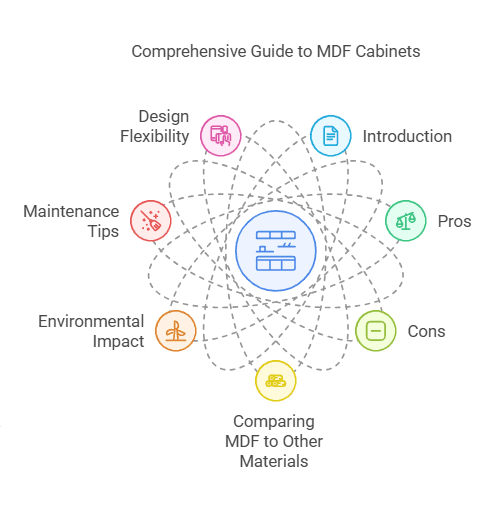
Maintenance Tips For MDF Cabinets
When it comes to maintaining MDF cabinets, implementing proper care and maintenance practices is essential to ensure their longevity and aesthetic appeal. Here are some maintenance tips to help you keep your MDF cabinets in top condition.
Cleaning Practices
Regular cleaning is crucial to preserve the appearance of MDF cabinets. Use a soft, damp cloth to wipe the surfaces, followed by a dry cloth to prevent moisture damage. Avoid using abrasive cleaners or harsh chemicals as they can cause damage to the finish.
Moisture Management
Moisture is the nemesis of MDF cabinets, as prolonged exposure can lead to swelling and warping. To prevent moisture-related issues, ensure proper ventilation in the kitchen and promptly wipe up any spills or splashes. Additionally, consider using a dehumidifier in humid environments to maintain optimal moisture levels.
Repair Strategies
If your MDF cabinets sustain minor damage such as scratches or dents, you can utilize repair kits specifically designed for MDF surfaces. These kits typically contain putty or markers that can effectively conceal imperfections. For more extensive damage, seek professional assistance to ensure proper restoration without compromising the integrity of the cabinets.
Design Flexibility
When it comes to MDF cabinets, one of the key advantages is the design flexibility they offer. This flexibility extends to both color and finish options as well as customization potential.
Color And Finish Options
MDF cabinets provide a wide range of color and finish options, allowing homeowners to achieve the exact look they desire for their kitchen or bathroom. Whether it’s a sleek, modern matte finish or a classic, glossy look, MDF cabinets can be customized to match any aesthetic.
Customization Potential
Another benefit of MDF cabinets is their high level of customization potential. From intricate designs to unique shapes, MDF can be easily manipulated to create custom cabinet doors and features that perfectly suit the homeowner’s preferences.
Making The Decision
When it comes to choosing the right cabinets for your kitchen or bathroom, it’s important to carefully weigh the pros and cons of different materials. Medium-density fiberboard (MDF) cabinets have become a popular choice for homeowners due to their affordability and versatility. Before making a decision, it’s crucial to assess your needs, consider your budget, and evaluate the longevity and value of MDF cabinets.
Assessing Your Needs
Before deciding on MDF cabinets, assess your specific needs. Consider factors such as the overall style and design of your space, the amount of wear and tear the cabinets will endure, and your long-term maintenance preferences. Additionally, think about the climate and humidity levels in your area, as MDF is more susceptible to moisture damage compared to solid wood.
Budget Considerations
One of the major advantages of MDF cabinets is their affordability. If you have budget constraints, MDF can be a cost-effective option that still provides a sleek and modern look. However, it’s important to factor in the potential long-term maintenance and replacement costs when making your decision, as MDF may require more frequent repairs and replacements compared to solid wood cabinets.
Longevity And Value
When considering the longevity and value of MDF cabinets, it’s essential to weigh the trade-offs. While MDF is durable and can last a long time if properly maintained, it is more prone to moisture damage and may not withstand the same level of wear and tear as solid wood. Additionally, solid wood cabinets often add more value to a home compared to MDF when it comes to resale or appraisal value.
Frequently Asked Questions
What Are The Disadvantages Of MDF Cabinets?
MDF cabinets have a few disadvantages. While they are denser than particleboard, they are not as strong or durable as solid wood. MDF is also more susceptible to moisture damage, which can cause it to expand and warp. Additionally, dents and scratches in MDF cannot be fixed like in natural wood.
However, with proper maintenance, MDF cabinets can still last a long time.
Are MDF Cabinets Good Quality?
MDF cabinets are affordable and strong but not as durable as solid wood. They are more susceptible to moisture damage and can expand and warp. Proper maintenance can make them last just as long as solid wood. When exposed to significant amounts of water, plywood is a better option than MDF.
Will MDF Cabinets Last?
MDF cabinets can last if maintained properly, but they are not as strong or durable as solid wood cabinets. MDF is also more susceptible to moisture damage, which can cause it to expand and warp. It is important to consider your budget and design needs when choosing between MDF and solid wood cabinets.
Plywood is a better option for cabinets exposed to significant amounts of water.
Should Cabinets Be Out Of Plywood Or MDF?
When it comes to cabinets, plywood is the better option for areas with water exposure. MDF is not as strong as solid wood and is more susceptible to moisture damage, which can cause it to expand and warp. Plywood is less porous and less likely to bubble or disintegrate when exposed to moisture.
Conclusion
To sum up, MDF cabinets offer affordability and decent durability, but they are prone to moisture damage. Solid wood cabinets are stronger and more durable but come at a higher cost. Ultimately, the choice between MDF and wood cabinets depends on budget and maintenance preferences.