MDF Cabinets vs Wood: Real Costs, Durability, and When Each Wins
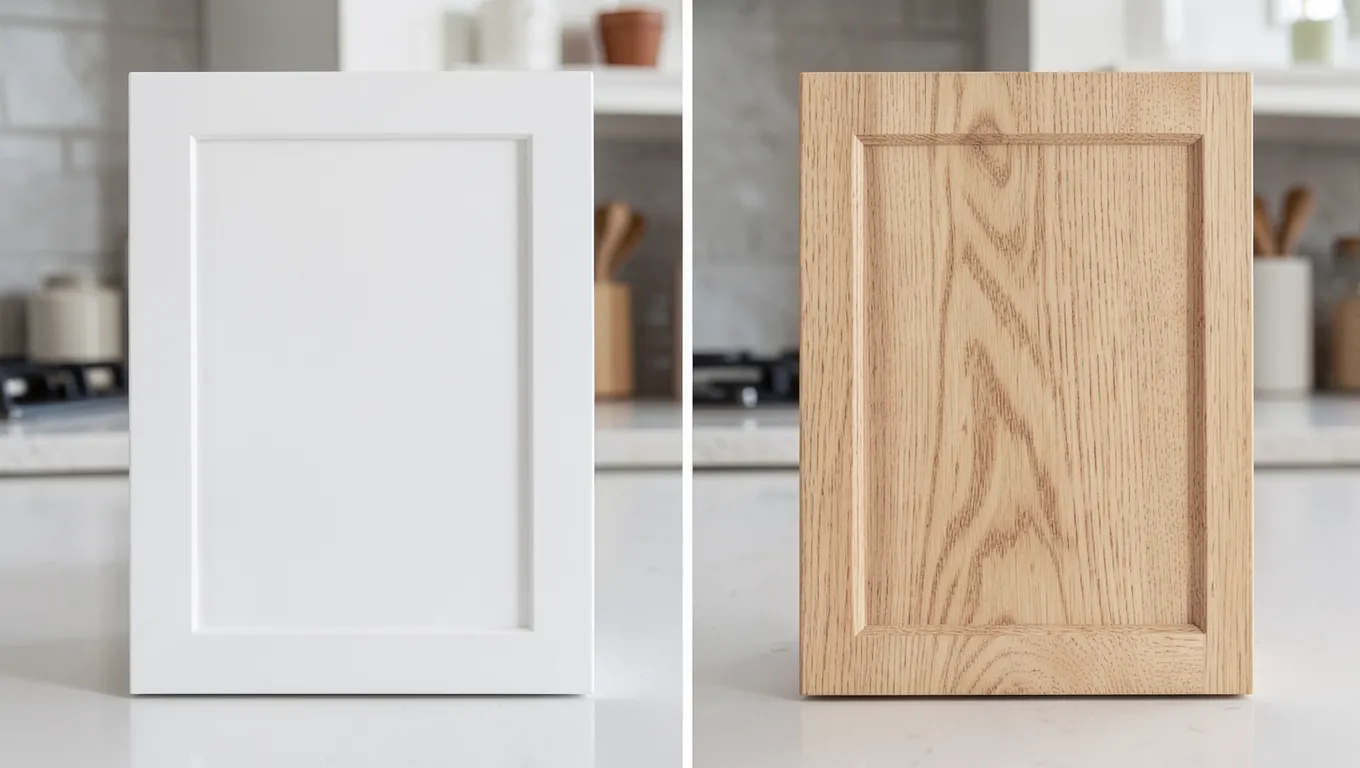
MDF cabinets cost roughly 30 to 50 percent less than solid wood and give you a smoother, gap-free surface for paint, while solid wood costs more but holds screws better, resists dents better, and can be refinished for decades. Neither one is the objectively “better” material; they’re built for different priorities, and the construction quality (box material, joinery, hardware) often matters more than the door material alone. Here’s the real breakdown, including the cost and off-gassing details most comparisons skip.
What MDF and Solid Wood Actually Are
Best Primer for Painting MDF Cabinets
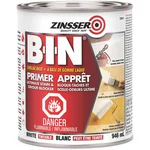 |
Zinsser B-I-N Shellac-Based Primer – $22 Seals raw, porous MDF edges so they don’t soak up topcoat unevenly, which is the most common reason a DIY MDF cabinet paint job looks patchy.
|
MDF (medium-density fiberboard) is made by breaking wood down into fine fibers, mixing them with resin and wax, then compressing the mixture under heat and pressure into dense, uniform sheets. There’s no grain, no knots, and no natural variation, which is exactly why it takes paint so evenly. Solid wood cabinets are built from actual lumber, milled and joined from a single species like oak, maple, cherry, or pine, keeping the natural grain, color variation, and strength characteristics of that species intact.
One detail most comparisons skip: MDF is manufactured with formaldehyde-based resins (typically urea-formaldehyde), and off-gassing was a real concern in older or non-compliant boards. Since 2018, CARB Phase 2 and EPA TSCA Title VI rules require certified low-formaldehyde-emission MDF for anything sold in the U.S., so current name-brand MDF from a reputable cabinet maker or big-box retailer is significantly cleaner than boards made decades ago. If you’re sensitive to VOCs, ask for the compliance certification or look for an NAF (no-added-formaldehyde) or ULEF (ultra-low-emitting formaldehyde) rated board.
MDF Cabinets vs. Wood: Pros and Cons at a Glance
Here’s how the two materials stack up feature by feature:
| Feature | MDF Cabinets | Solid Wood Cabinets |
|---|---|---|
| Cost | More affordable, roughly $60–$120 per linear foot installed | More expensive, roughly $120–$300+ per linear foot installed |
| Durability | Dense and stable, but chips or dents from a hard impact | Resists dents and scratches better, especially hardwoods |
| Hardware holding | Screws can strip more easily; pilot holes are a must | Holds screws and hinges exceptionally well |
| Appearance | Smooth, no grain; ideal for painted finishes only | Natural grain and color; can be stained or painted |
| Moisture resistance | Resists warping, but swells and disintegrates if saturated | Can warp or expand in high humidity if not sealed |
| Repairability | Hard to repair, especially water damage | Easy to sand out scratches and refinish |
| Weight | Lighter | Heavier |
When MDF Is the Right Call
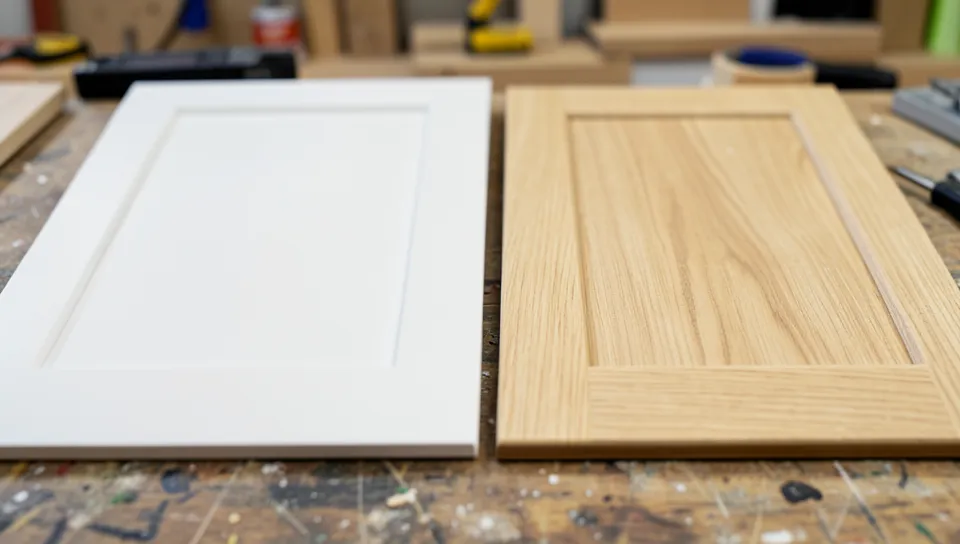
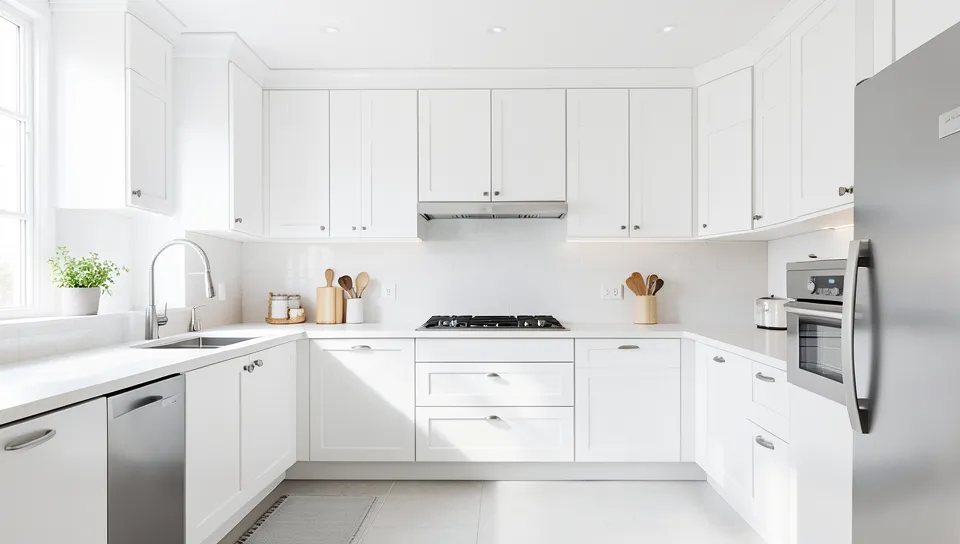
MDF earns its place in a kitchen or bathroom remodel under a specific set of conditions. A tight renovation budget is the most common one; getting a fully painted, high-end look for 30 to 50 percent less than solid wood is a real trade worth making for most homeowners. A modern or Shaker-style painted look also favors MDF, since the flat, grain-free surface is exactly what a clean, factory-smooth painted finish needs. Consistency matters too: because MDF has no natural variation, every door and panel in a large kitchen looks identical, which solid wood can’t guarantee across boards cut from different trees. And in a well-ventilated space where excessive standing water isn’t a realistic risk, sealed and properly painted MDF holds up fine for years.
When Solid Wood Is the Right Call
Solid wood is worth the extra cost when the cabinets need to survive real physical abuse: a busy family kitchen with kids, pots and pans banging into doors, or heavy daily use where dents and chips would be a constant problem. It’s also the only option if the goal is a natural wood-grain look, whether that’s a rustic finish, a rich stain, or a clear coat that shows the wood’s own color and figure. Long-term value plays a role as well: solid wood can be sanded and refinished repeatedly over decades, so a scratched or dated finish is a weekend project, not a cabinet replacement. And in a genuinely humid or wet-prone room without great ventilation, solid wood that’s properly sealed tolerates moisture swings better than MDF, which fails catastrophically (swelling, crumbling) if it gets truly saturated rather than just humid.
DIY Considerations for Each Material
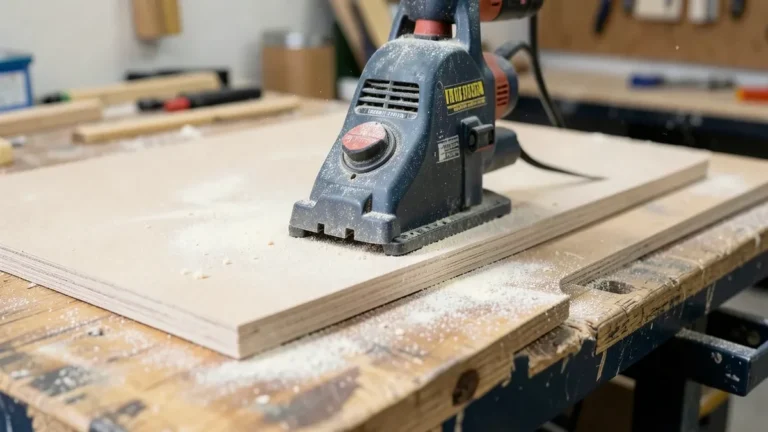
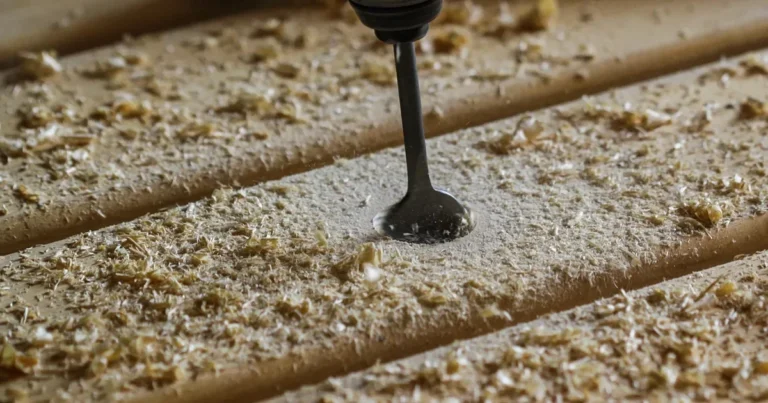
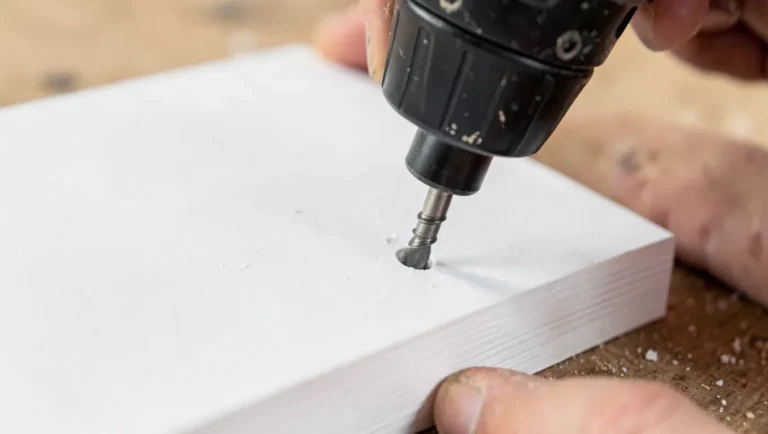
MDF is the more forgiving material for a first cabinet project. It cuts to a clean, splinter-free edge, sands to a glass-smooth surface that hides tool marks, and takes paint without any grain telegraphing through. The trade-offs show up at the edges and fasteners: raw MDF edges are porous and need a sanding sealer or edge banding before paint, and every screw needs a pilot hole since MDF has almost no lateral holding strength without one, especially near a panel edge.
Solid wood asks more of both the woodworker and the tools. A sharp blade matters more here since dull carbide will tear out grain instead of cutting cleanly, and different species behave differently under a router or a stain rag; pine and poplar take stain evenly and are common practice woods, while tighter, oilier hardwoods can blotch without a pre-stain conditioner. Joinery is also a bigger factor with solid wood, since the boards need to be free to expand and contract across the grain with humidity. Pocket-hole joinery is a practical, beginner-friendly way to assemble a solid wood cabinet box without the wood movement problems that a rigid glued panel joint can create.
Cabinet Construction Matters as Much as the Door Material
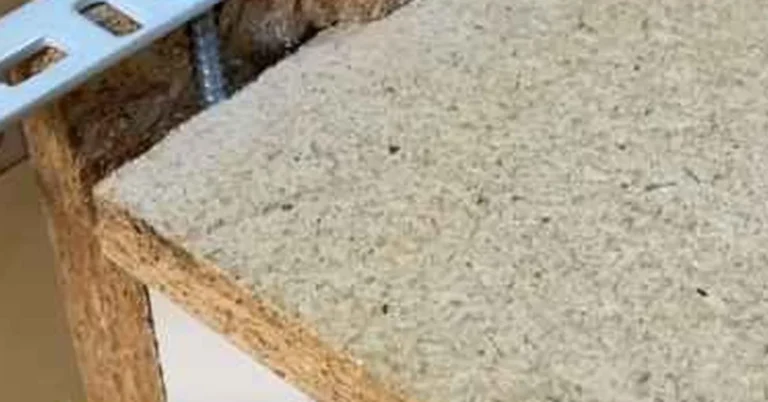
The door and face material is only half the story. Cabinet boxes are commonly built from full MDF, solid wood (often pine, or a hardwood on premium lines), or plywood, and plywood is frequently the best structural choice regardless of what the doors are made from, since it combines strong screw-holding and warp resistance with a moderate price. Doors themselves are typically either a solid slab or a five-piece design, a solid or MDF frame around a center panel, and five-piece construction is far more common because a slab door, especially in solid wood, is more prone to warping over a large surface. A cabinet with an MDF door but a well-built plywood box can genuinely outlast a cabinet with solid wood doors on a flimsy particleboard box, so ask about box construction, not just door material, when you’re comparing quotes.
Making the Final Call
Run through five questions before deciding: What’s the actual budget ceiling for this project? Do you want a painted look, a stained natural-wood look, or does it not matter? How much daily wear and tear will these cabinets realistically take? How humid or wet-prone is the installation room? And how much do you care about being able to refinish these cabinets in 15 years instead of replacing them?
A tight budget, a painted finish, and a normal, well-ventilated room point toward MDF. A higher budget, a natural wood-grain preference, heavy daily use, or a genuinely humid space point toward solid wood. Most kitchens end up landing on a hybrid anyway: plywood boxes for structure, paired with either MDF or solid wood doors depending on the look and budget, which sidesteps most of the weaknesses of either material used alone.
Frequently Asked Questions About MDF vs. Wood Cabinets
Can MDF cabinets be stained?
No. MDF cannot be stained to achieve a natural wood grain look because it’s made from compressed wood fibers with no grain structure. It’s best suited for painted finishes, where its smooth, pore-free surface is an advantage.
Is solid wood more durable than MDF for cabinets?
Generally yes. Solid wood, especially hardwoods like oak or maple, resists impacts, dents, and scratches better than MDF, and holds screws and hinges more securely over time.
Which material is better for kitchen cabinets: MDF or wood?
It depends on your priorities. MDF is excellent for a budget-friendly painted finish. Solid wood is preferred for a natural wood look, superior durability, and long-term refinishing potential. Both work well in kitchens when properly finished and installed.
Can MDF cabinets get wet?
MDF is not waterproof and can swell or disintegrate if it gets saturated. It tolerates minor humidity fluctuations fine in a well-ventilated kitchen or bathroom when properly sealed with paint or a moisture-resistant finish, but prolonged direct water exposure should be avoided.
Are solid wood cabinets worth the extra cost compared to MDF?
For many homeowners, yes, due to superior durability, natural beauty, longevity, and the ability to be repaired and refinished. If you plan to stay in the home long-term and want a high-end aesthetic, solid wood is often a value-adding investment.
Is MDF safe if it contains formaldehyde?
Current U.S.-sold MDF must meet CARB Phase 2 or EPA TSCA Title VI low-emission standards, which is a significant improvement over older boards. If off-gassing is a concern, look for NAF (no-added-formaldehyde) or ULEF-rated board, or ask your cabinet maker for the compliance documentation.
Sponsored / affiliate links. As an Amazon Associate I earn from qualifying purchases. I may earn additional commission from eligible campaigns.