How Do You Make MDF? Quick Answer, Steps & Safety Tips
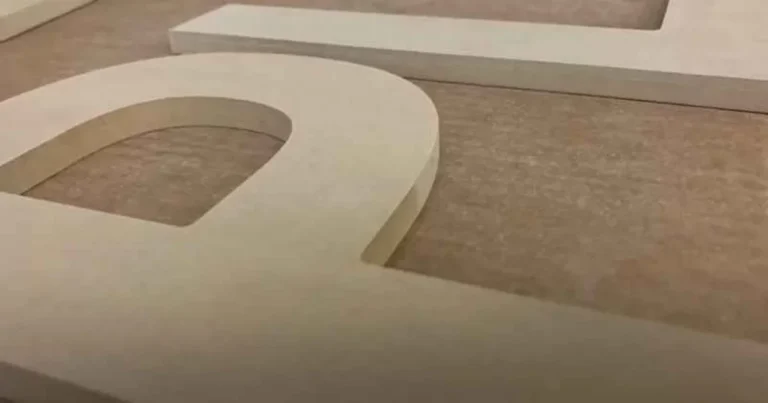
Short answer: MDF is made by breaking whole wood down into individual fibers, blending those fibers with wax and a resin binder, then pressing the loose mat under heat and pressure until it fuses into a flat, dense panel. No layers, no visible grain, no chips you can pick out with your fingernail, just one solid, uniform board.
That’s the whole process in one sentence, but there’s more worth knowing before you buy a sheet or start cutting into one: what’s actually inside MDF, whether you could ever replicate the process yourself, and one safety step a lot of people skip on their first cut. If you want the full industrial breakdown, including resin chemistry and emissions standards, our in-depth guide to how MDF board is manufactured covers that in more detail. This page is the quick version.
Before You Cut Into MDF: The Safety Step Most People Skip
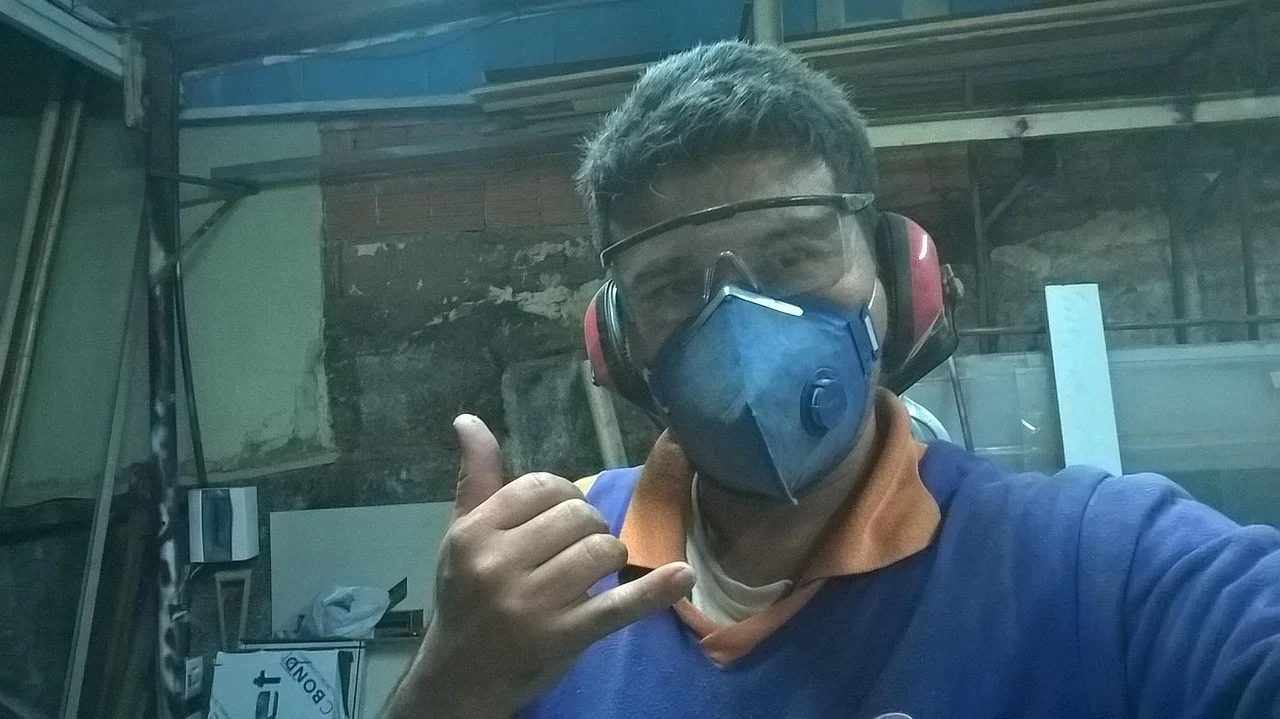
MDF is held together with a urea-formaldehyde (or similar) resin binder, so sawing, routing, or sanding it throws off both fine wood-fiber dust and resin particles. A cloth or surgical mask doesn’t filter either one out. A NIOSH-rated N95 does, and it’s worth having on hand before you make your first cut.
Best Mask For Cutting Or Sanding MDF
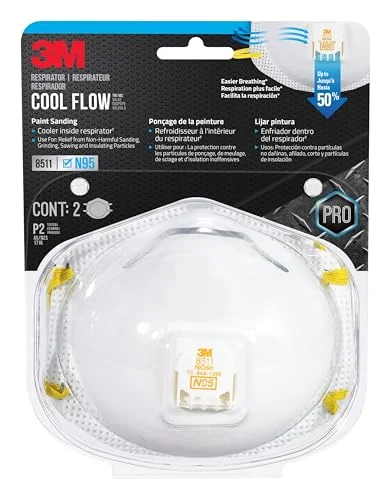 |
3M 8511 N95 Cool Flow Valved Respirator, 2-Pack – $8.72 Cutting or sanding MDF releases fine wood-fiber dust and resin particles, and a NIOSH-rated N95 does a lot more than a fabric or paper mask.
|
Pair the mask with eye protection and work in a ventilated space or outdoors if you’re sanding a large panel. Fine MDF dust hangs in the air longer than solid-wood sawdust because the particles are so much smaller, which is exactly why it needs a real respirator rating instead of a comfort mask.
What MDF Is Actually Made From
MDF has four basic ingredients, and none of them is “wood” in the plank sense:
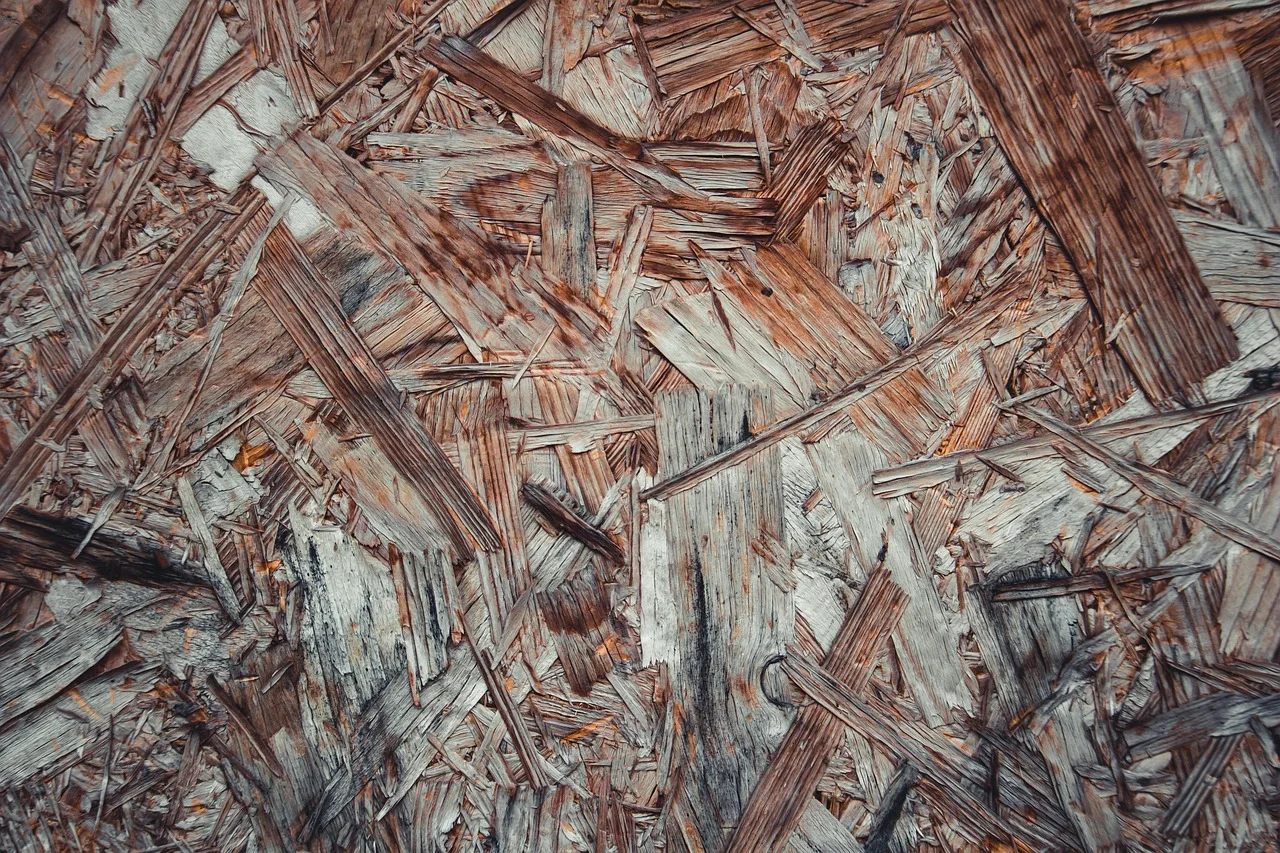
- Wood fibers – usually softwood, sometimes a softwood/hardwood mix, broken all the way down to individual strands rather than left as chips or veneer. This is what makes MDF wood feel and cut so differently from plywood.
- Wax – a small amount, usually 1-2% by weight, added mainly for moisture resistance during the pressing stage.
- Resin binder – typically urea-formaldehyde (UF), sometimes melamine-urea-formaldehyde (MUF) for exterior-rated panels, making up roughly 8-11% of the dry fiber weight. This is the actual glue holding the board together.
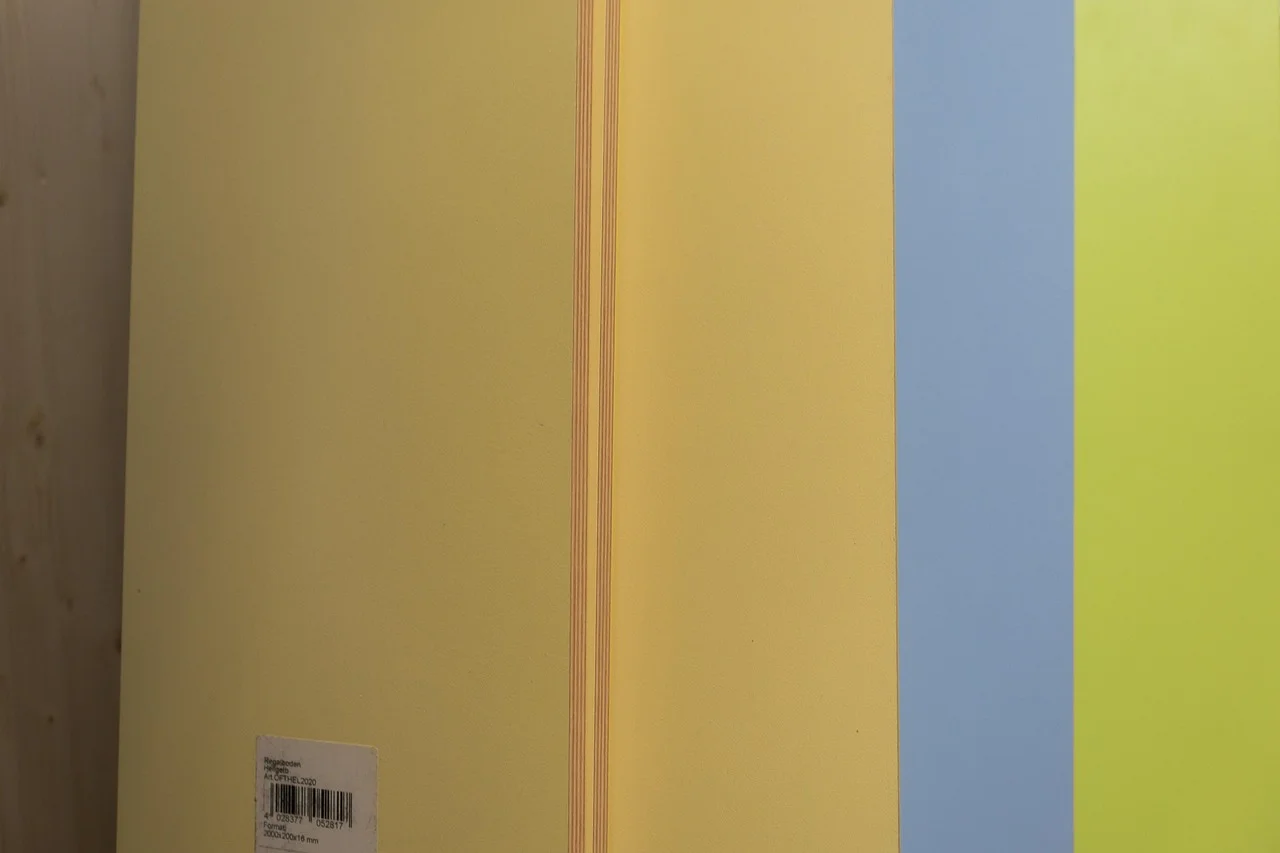
- Additives – optional extras like fire retardants, moisture-resistant treatments (used in “moisture-resistant” or green-tinted MDF), or dyes.
How The Fibers Become A Board: 6 Steps
- Chipping. Logs and mill waste are cut into small, uniform wood chips.
- Refining. The chips are steamed to soften them, then spun through a disc refiner that tears them apart into individual fibers rather than just cutting them smaller.
- Resin blending. Wax and resin are sprayed onto the fibers in a blending drum until every strand is evenly coated.
- Mat forming. The resin-coated fibers are spread into a continuous, fluffy mat on a moving belt, roughly the thickness of the final board multiplied several times over before pressing compresses it down.
- Hot pressing. The mat is pressed at somewhere around 330-390°F under several hundred pounds of pressure per square inch. The heat cures the resin while the pressure fuses the fibers into a dense, flat panel, usually in 20 seconds to a couple of minutes per millimeter of target thickness.
- Cooling, trimming, and sanding. Panels cool and condition for several hours to stabilize, then get trimmed to size and sanded on both faces for the smooth surface MDF is known for.
Standard Sizes And Density You’ll Find At The Store
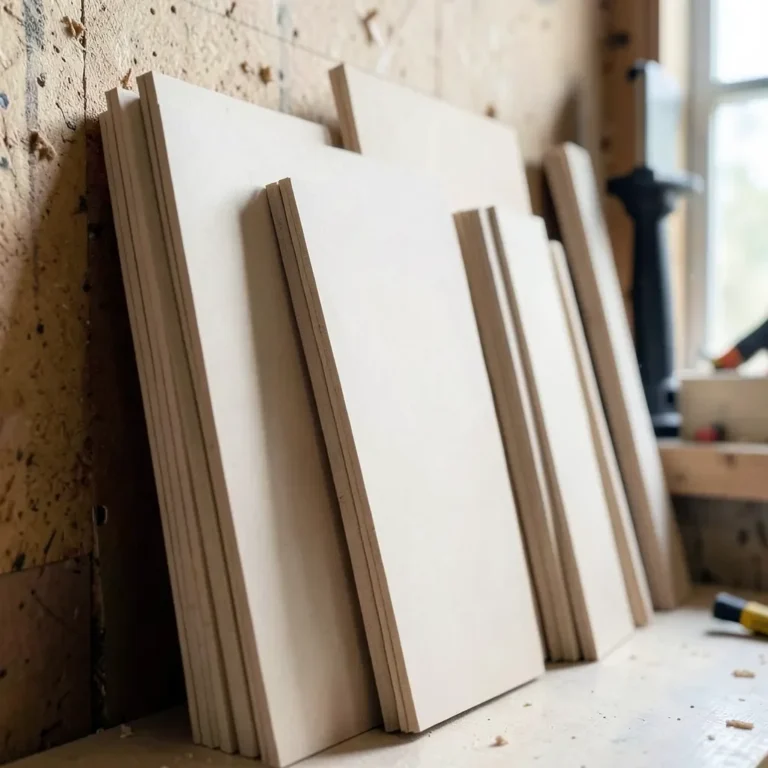
The manufacturing line above produces one continuous board that gets cut down to standard retail sizes afterward. Most home centers stock full 4×8-foot sheets, with some carrying half-sheets (2×4 feet or 4×4 feet) for smaller projects. Thickness typically ranges from 1/4 inch up through 3/4 inch for general furniture and cabinet work, with some suppliers going up to 1-1/4 inch for countertops or door cores.
Standard MDF runs roughly 45-55 lb per cubic foot in density, which is why a single 3/4-inch sheet can weigh close to 100 pounds. That density comes directly from how hard the mat gets pressed in step 5 above: a lighter press cycle produces a lower-density board (sometimes called “light MDF”), while a harder, longer press cycle produces the denser HDF used for things like laminate flooring backing.
Can You Make MDF Yourself At Home?
Not real MDF, no. You can glue sawdust and wood glue into a crude panel, and people do for small craft projects, but it isn’t the same material. The step you can’t replicate at home is refining: an industrial disc refiner tears wood down into true fibers, not just small chips, and that fiber structure is what lets MDF press into a flat, uniform board with no visible grain or gaps. A shop-made sawdust-and-glue panel keeps clumps of larger particles, cures unevenly without a heated press, and ends up with far weaker internal bond strength, meaning it delaminates or crumbles at the edges much more easily than a manufactured sheet.
If your goal is a smooth, paintable, edge-machinable panel for furniture or cabinetry, buying manufactured MDF and cutting it to size is going to outperform any DIY fiberboard attempt, both in strength and in finish quality.
MDF Vs Plywood Vs Particleboard: Different Manufacturing, Different Results
All three are engineered wood, but the manufacturing process is what actually separates them:
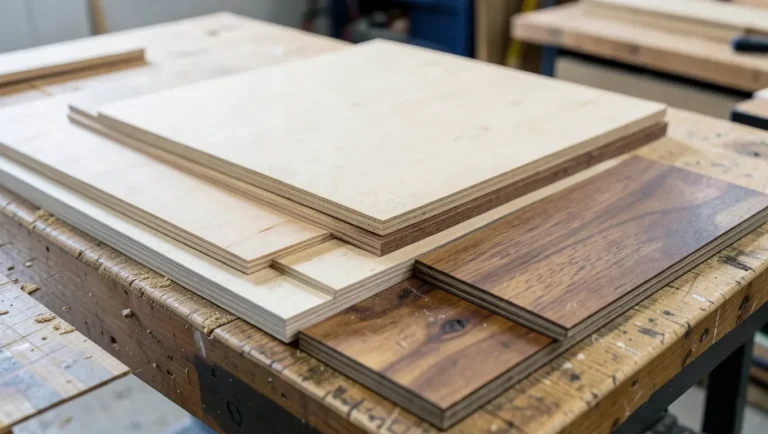
- Plywood is built from thin sheets of real wood veneer, cross-laminated and glued in layers. The layered grain is what gives it its strength and screw-holding power.
- MDF skips layers entirely. It’s fine, individual wood fibers pressed into one uniform mass, which is why it has no grain, cuts cleanly on any edge, and takes paint better than either of the other two.
- Particleboard sits in between: it uses coarser wood chips and shavings (not refined fiber) glued and pressed together, which makes it cheaper than MDF but noticeably weaker and rougher-surfaced.
That’s also why MDF’s advantages and disadvantages read so differently from plywood’s: the smooth, gap-free surface comes directly from the fiber-refining step, and the same lack of long wood fibers is part of why MDF isn’t the right call for every project, especially anything exposed to sustained moisture.
Frequently Asked Questions
What’s the one-sentence answer for how MDF is made?
Wood is chipped, steamed, and spun down into fine fibers, the fibers are blended with wax and a resin binder, then the loose mat of fibers is hot-pressed under heat and pressure into a flat, dense panel.
How long does it take to make one sheet of MDF?
From raw wood chips to a finished, sanded panel, the full industrial line usually runs somewhere between 20 and 40 minutes per batch, most of it spent in refining, resin blending, and the several-minute cooling and conditioning period after pressing, not the actual press cycle itself, which is closer to 20-60 seconds per millimeter of thickness.
Is MDF made the same way as HDF or particleboard?
No. All three start with wood and a resin binder, but MDF uses fine, refined wood fibers pressed at medium density, HDF uses the same fiber but presses it denser and thinner, and particleboard skips the fiber-refining step entirely and glues coarser wood chips and shavings together instead.
What machine turns wood chips into fiber?
A refiner, usually a disc refiner that spins two grooved metal plates at high speed with the wood chips (softened first by steam) fed between them, tearing the chips apart into individual wood fibers rather than just cutting them smaller.
Bottom Line
MDF is made by refining wood into fine fibers, binding them with wax and resin, and hot-pressing the mat into a flat, dense panel, a process that needs industrial refining and pressing equipment you can’t reasonably replicate in a home shop. For the fully detailed version of that process, including the formaldehyde and CARB2 questions this quick guide skips, see how MDF board is actually manufactured. And before you make your first cut into a sheet, grab a real N95 respirator, not a fabric mask, for the fine dust it kicks up.
Sponsored / affiliate links. As an Amazon Associate I earn from qualifying purchases. I may earn additional commission from eligible campaigns.